
How to explain facial aging to a lay patient

- Nerve
- Highlighted area
Quick facts
- Core message
- The face changes in layers, not just in the skin
- Factors mentioned
- Fat, bone, ligaments, muscles, skin and gravity
- Caution
- Explain without frightening and without creating need
- Resource
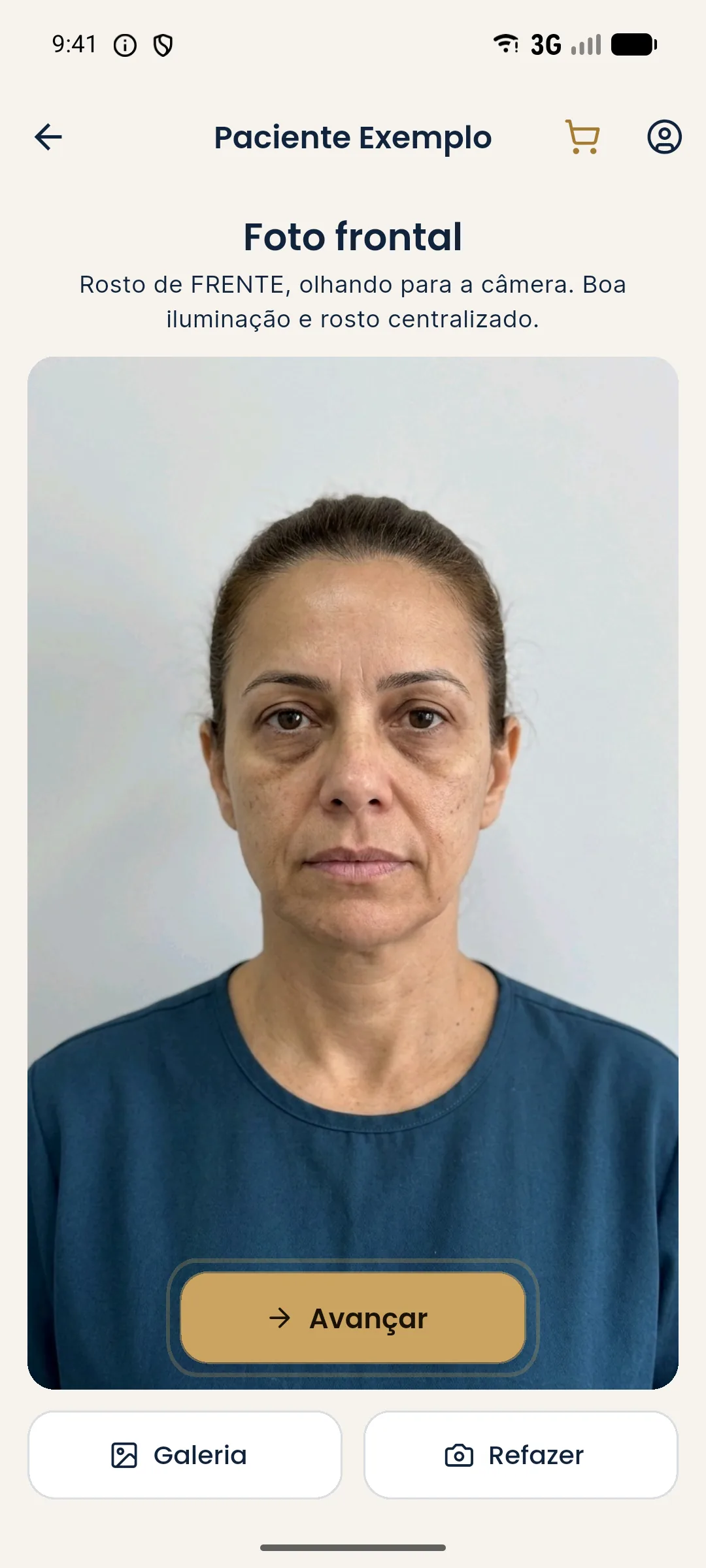
- Simple diagram of the layers and a front photo
When a patient says "I look aged," they rarely know what changed in their face. They see a wrinkle, a shadow, a different contour. Explaining facial aging in simple terms helps show why the plan treats some areas and not others, and why there is no single solution. The explanation, however, must be done with care, so it does not turn into a list of flaws or a sales argument.
How do you start the conversation?
Ask before explaining. "What do you notice most that is different in your face over the last few years?" The answer shows their vocabulary and keeps you from pointing out problems they never noticed. Only then bring in the general explanation.
Which layers should you explain?
The clearest way is to talk in layers, from deepest to most superficial. The entry on facial layers and the page facial aging by layers go deeper for the professional.
| Layer | What happens over time, in simple language |
|---|---|
| Bone | Loses a little volume in some areas, which changes the face's supports |
| Deep fat | The fat pads shrink or shift |
| Ligaments and fasciae | Lose firmness and let tissues descend gradually |
| Muscles | Repeated movements mark dynamic wrinkles |
| Skin | Loses elasticity and thins, and static wrinkles appear |
The table is not a script for talking about everything. Choose the rows that relate to the patient's concern.
How do you talk about volume loss without frightening?
Volume loss in the midface and temples is one of the changes that most alter appearance, and patients often feel it as "tiredness." Speak neutrally:
- Use "redistribution" and "volume loss," and avoid "sagging," "withered" or "worn out."
- Describe the visible fact on the photo: "here, the transition between cheek and eye has become more marked."
- End with a sentence of context: "this is expected and there are several ways to approach it."
How do you show gravity and what it does?
Gravity pulls tissues downward, and the ligaments that hold them gradually give way. The result is the appearance of folds and excess tissue in areas such as the jawline. An image that works in the consultation is a curtain held up by hooks: over time, the hooks loosen and the fabric falls in folds. Explain that this is different from lack of volume, and that is why each one calls for a different approach.
How do you link the explanation to the plan?
After explaining the layers, link it to the plan concretely, without exaggeration: "That's why I suggest looking at the midface first and leaving the rest for a second stage." The plan by areas and priorities is covered in how to explain facial planning.
The order and the age vary widely from person to person, because of genetics, sun, habits and weight. Avoid linking age to a procedure.
What does Harmy show and not show?
The app projects the volume effect on marked areas, from a front photo, and helps the patient visualize a subtle change. It does not show future aging or gravity at work. Used in the explanation, it serves to say "see how a small change in volume alters harmony," always with the notice that this is an illustrative simulation, not a promise of results.
Which questions tend to come up?
What should be recorded?
Write down the patient's concern in their own words, the explanation given and the standardized photos. This shows that the plan was born from the concern and not from a list of flaws. For the older patient, see also older patient in harmonization.
Explaining aging as a process, not a failure, gives the patient back a sense of control and leaves the treatment decision where it belongs: with them.
Frequently asked questions
How do you explain facial aging to someone outside the field?
Say that the face changes in several layers at once: fat is redistributed, bone loses a little structure, ligaments loosen and the skin loses firmness. It is not just a matter of wrinkles.
Can I talk about volume loss without frightening the patient?
Yes, using neutral, descriptive language, without adjectives like sagging or worn out. Present it as a natural process and talk about what can be done without creating urgency.
Does harmonization reverse aging?
No. It can improve aspects such as volume and contour in some cases, but it does not reverse the process or replace surgery when surgery is indicated.
Should I point out aging on the patient's photo?
Carefully. Ask first what they notice, point to facts on the standardized photo and avoid listing flaws. The focus is understanding the concern, not convincing them of a need.
Harmy images are illustrative simulations generated by AI from the patient's photo to support the conversation between practitioner and patient. They are not a promise of results. Indication, technique, product and volume are solely the decision of the licensed practitioner. This content is for information only and does not replace a clinical assessment.