
Facial harmonization reference guides
Reference articles for facial harmonization practice: photography, consent, marketing, facial assessment and safety.

 Abscess after filler: recognition and managementHow to recognize an abscess after hyaluronic acid filler, tell it from an inflammatory nodule, the role of hyaluronidase, culture and when to refer.
 Absorbable vs. permanent threads: differences and risksAbsorbable vs. permanent facial threads: materials, absorption time, removal, long-term risks, and what to weigh before choosing each type.
 Active Acne and Infection Risk Before Facial InjectablesActive acne before injectables: why inflamed lesions raise infection risk, how to decide between treating and postponing, and what to record in the chart.
 Advertising in HOF: what you may post under councils and CONARHealth advertising principles for orofacial harmonization, use of patient images and why the projection is not a result.
 AED in the HOF practice: is it worth having one?Automated external defibrillator in a harmonization practice: what it is, when it makes sense, maintenance, team training and the limits of the device.
 Aesthetic Nursing and Harmonization: What COFEN SaysCOFEN's rules on aesthetic nursing (529/2016, 626/2020, 715/2023), the 2022 opinion, court decisions, and where to check before you decide.
 Aesthetic Pharmacy and Harmonization: CFF RulesWhich CFF resolutions cover aesthetic health, what each says, the 2025 ruling in the CFM lawsuit and where pharmacists can check the current status.
 Aftercare Instructions for Facial Harmonization PatientsWhat to tell patients after filler and toxin: what to expect, usual care, warning signs, how to reach you and the follow-up visit.
 Aging of the chin and jawHow the chin and jaw age: bone resorption, jowl formation, loss of contour definition and what to assess before treating the lower third of the face.
 Aging of the ears and earlobesWhy ears and earlobes look longer and looser with age, what changes in cartilage, skin and volume, and what to assess before proposing anything.
 Aging of the forehead and eyebrowHow the forehead and eyebrow age: brow descent, wrinkles, loss of volume and bone, and how muscle balance shapes the assessment in facial harmonization.
 Aging of the hands: skin, fat and volumeHow the hands age: loss of subcutaneous tissue, thin skin, spots and visible veins, and what to assess before proposing treatment for the back of the hands.
 Aging of the neck: platysma, skin and fatHow the neck ages: platysmal bands, skin laxity, submental fat and horizontal lines, and what to assess before proposing any treatment.
 Aging of the nose: tip, cartilage and skinHow the nose changes with age: tip drop, lengthening, loss of cartilage and skin support, and what to assess before proposing nonsurgical rhinoplasty.
 Aging of the temples: loss of volume and boneHow the temple ages: loss of the fat pad, bone remodeling and hollowing of the temporal fossa, and what to assess before proposing any volume in the area.
 Aminoglycosides and botulinum toxin: interactionWhy aminoglycosides can potentiate botulinum toxin, which other drugs need attention in the medical history, warning signs and record keeping.
 Anaphylaxis in the HOF office: recognize and actAnaphylaxis in an orofacial harmonization office: triggers, warning signs, how to tell it from fainting and what the emergency plan needs.
 Anatomy course for HOF: what to assess before choosingAnatomy course for facial harmonization: fresh, formalin-fixed or prosected specimens, what the program should cover, legal origin of bodies and red flags.
 Anesthesia in Facial Harmonization: Topical, Infiltration, BlocksOverview of anesthesia in facial harmonization: topical, lidocaine gel, infiltration and blocks, with indications, limits, risks and medical history checks.
 Angioedema After an Injectable ProcedureHow to recognize angioedema after injectables, tell it apart from local swelling, bruising and anaphylaxis, and when to act as an emergency in the HOF office.
 Anteromedial Cheek Area: Hyaluronic Acid IndicationAnteromedial cheek area with hyaluronic acid: infraorbital triangle, zygomatic ligament, indication, vascular risks and precautions for the professional.
 Anticoagulants and Injectable Procedures: What to AssessCan a patient on an anticoagulant, aspirin or antiplatelet have filler or toxin? What to ask, the risks, who decides and what to record.
 Anxious Patients in Facial Harmonization: How to Guide ThemHow to guide an anxious patient in facial harmonization: communication before, during and after, crisis management, limits and when to postpone or refer.
 Arnica, Bromelain and Bruising: What the Evidence SaysDo arnica and bromelain reduce bruising after procedures? How to read the evidence with caution, what to tell the patient and the risks of supplements.
 Artificial Intelligence in Facial Harmonization: Uses and LimitsHow AI fits into facial harmonization: proportions, simulation, image editing and management. What it does well, where it fails, and ethics and LGPD care.
 Asian Facial Anatomy and Injectables: What ChangesFeatures of the face of Asian ancestry in facial harmonization: projection, midface, chin, skin, masseter and aesthetic standards, without overgeneralizing.
 Asthma attack in the practiceHow to recognize and handle the start of an asthma attack in an HOF practice: signs, prevention, positioning, SAMU 192 and how it differs from anaphylaxis.
 Asymmetric lips: causes and assessmentAsymmetric lip: dental, muscular, scar and prior filler causes, how to assess at rest and in a smile, and when filler helps.
 Asymmetry After Filler: Causes and ManagementAsymmetry after filler: how to tell swelling, migration, pre-existing asymmetry and uneven response apart, when to wait, when to correct and how to talk.
 Atypical Mycobacteria After an Aesthetic ProcedureHow to suspect an atypical mycobacterial infection after an aesthetic procedure: delayed onset, differences from common infection and prevention.
 Autoimmune diseases and fillers: what to assessLupus, rheumatoid arthritis or another autoimmune disease and fillers: what to assess, documented risks, the treating physician's role and how to document.
 Baby Botox: What the Term MeansWhat baby botox means: the lower-dose concept, who it is usually discussed for, advantages and limits, false promises and how to explain it to the patient.
 Bell's Palsy and HOF: What to Consider Before TreatingPatients with Bell's palsy or facial sequelae and botulinum toxin: assessing symmetry, when to wait, limits, risks and documentation, at review level.
 Biosafety in HOF: antisepsis, sterile field and PPEBiosafety in orofacial harmonization: hand hygiene, PPE, skin antisepsis, sterile field, sharps, vials, surfaces and what the regulations in Brazil require.
 Biostimulator Complications: Recognizing and Managing ThemComplications with collagen biostimulators: swelling, bruising, asymmetry, nodules, granuloma, infection and vascular occlusion, with initial management.
 Biostimulator for the tear trough: indication and risksCollagen biostimulator for the tear trough: what the instructions for use say about the periorbital area, nodule risk, alternatives and patient assessment.
 Biostimulator in the chin and submental regionBiostimulator in the chin and submental region: indication in mild retrusion, local risks, submental artery, limits and projection alternatives.
 Biostimulator in the décolleté: indication, limits and risksBiostimulator in the décolleté: thin skin with few adnexa, nodule risk, limited evidence, patient selection precautions and result expectations.
 Biostimulator in the face vs. the body: safety differencesWhy a facial biostimulator does not carry over to the body: tissues, vascularization, skin thickness, risks and what changes in the indication.
 Biostimulator in the forehead: indication, risks and limitsBiostimulator in the forehead: vascularization, the high-risk halo, why the indication is restricted and what to consider before proposing the procedure.
 Biostimulator in the hands: what is known and precautionsBiostimulator on the back of the hand: tendons, vessels, thin skin, still-limited evidence, nodule risk and how to discuss expectations with the patient.
 Biostimulator in the midface: indications and precautionsCollagen biostimulator in the midface: zygomatic area, cheekbone and cheek, loss of support, risk structures, limits and how to align patient expectations.
 Biostimulator in the nasolabial fold: indication and limitsWhen indirect midface support with a biostimulator can replace direct filler in the nasolabial fold, and the risks of this vascular area.
 Biostimulator in the neck: indication, limits and precautionsBiostimulator in the neck: who it suits, calcium hydroxylapatite vs. poly-L-lactic acid, labeled indication, nodule risk and what to expect.
 Biostimulator in the preauricular region and lateral faceBiostimulator in the preauricular region: ligaments, parotid, transverse facial artery and the lateral support strategy, with indication, risks and limits.
 Biostimulator in the temples: indication and precautionsBiostimulator in the temples: when it makes sense, vascular risk anatomy, comparison with hyaluronic acid, what to expect and how to explain it to the patient.
 Biostimulator on the jawline: indication and limitsBiostimulator on the jawline: when it makes sense, the role of the jowl, the marginal branch, the facial artery and the limits of indirect support.
 Biostimulators and skin quality: what the evidence saysNeocollagenesis, dermal thickness and skin quality with biostimulators: what the literature supports, what is still a gap and how not to promise beyond that.
 Biostimulators: factors linked to nodules and how to lower riskVolume, plane, massage, interval and anatomy: the factors associated with nodules after a collagen biostimulator, at a review level and with no dilution recipes
 Body dysmorphic disorder in HOF: how to identify itBody dysmorphic disorder in facial harmonization: warning signs in the consultation, screening, why procedures do not fix it and how to decline and refer well.
 Botulinum toxin and eyebrow liftHow botulinum toxin can lift or drop the eyebrow: balance between the frontalis and depressors, who is a good candidate, risks and how to assess.
 Botulinum toxin and intravascular injection: what is knownIntravascular botulinum toxin injection: real risk, myths and how it differs from hyaluronic acid. Bruising, diffusion and when to be concerned.
 Botulinum toxin and mood: what is knownBotulinum toxin and mood: the facial feedback hypothesis, depression trials and their limits. What to tell the patient without promising a psychiatric effect.
 Botulinum toxin and nasal alae: the nasalis muscle and functionToxin in the nasal alae involves the nasalis muscle and breathing function. Anatomy, what to expect, the risks and why breathing must be assessed first.
 Botulinum toxin and smile design in dentistryHow botulinum toxin fits into smile design: upper lip elevators, gingival display and the partnership between HOF, orthodontics and restorative dentistry.
 Botulinum toxin complications: an overviewBotulinum toxin complications by area (eye, brow, mouth, neck and masseter), systemic warning signs, timeline and first-line management.
 Botulinum Toxin for a Gummy Smile: How to AssessGummy smile: muscular and non-muscular causes, types, how to assess before botulinum toxin, risks and when to refer.
 Botulinum toxin for bruxism: what to assessBotulinum toxin for bruxism: sleep and awake bruxism, what to assess first, what the toxin can and cannot do, label status and risks.
 Botulinum Toxin for Crow's Feet: Indication and CareLateral orbicularis, smile patterns and asymmetry risk: how to assess and manage botulinum toxin for crow's feet, with no injection protocol.
 Botulinum toxin for facial asymmetry: when it helpsToxin for facial asymmetry: dynamic versus structural asymmetry, what the toxin can correct and the assessment pitfalls to avoid before treating.
 Botulinum toxin for nasal lines (bunny lines)Botulinum toxin for nasal lines (bunny lines): muscles involved, how to assess, link to the glabella, upper lip risks and what to expect.
 Botulinum toxin for platysmal bands and the neckBotulinum toxin for platysmal bands: when it makes sense, how to assess the neck, what the so-called Nefertiti lift is and risks such as dysphagia.
 Botulinum toxin for the depressor anguli orisBotulinum toxin for the mouth corner: when the depressor anguli oris is the cause, how it differs from filler, smile risks and how to counsel the patient.
 Botulinum toxin for vertical lines of the upper lipVertical lip lines and toxin: role of the orbicularis oris, why toxin alone is often not enough and the functional risks for speech and blowing.
 Botulinum toxin in facial harmonization: planning basicsMechanism of action, dynamic and static wrinkles, non-interchangeable units, duration, risks and how to plan botulinum toxin in facial harmonization.
 Botulinum toxin in the frontalis muscle: patterns and risksFrontalis contraction patterns, how they relate to brow position, and the risk of brow ptosis when treating the forehead. A review for HOF professionals.
 Botulinum toxin in the lower orbicularis oculi: what to assessHow to assess eyelid tone, the snap-back test and ectropion risk factors before considering toxin in the infraorbital area.
 Botulinum toxin in the male face: what changesMore muscle mass, a straighter brow and expression to preserve: what changes in the assessment and consent for botulinum toxin in men.
 Botulinum toxin in the masseter: indication and careBotulinum toxin in the masseter: hypertrophy, bruxism, how to assess a wide face, and risks such as an altered smile and paradoxical bulging.
 Botulinum Toxin in the Nasal Tip: Indication and LimitsDepressor septi nasi, the tip that drops when smiling, and what toxin can and cannot do for nasal rotation, with risks and alternatives.
 Botulinum toxin in the risorius muscle: indication and risksWhen the risorius justifies toxin, how to assess the dynamic smile, why the mouth corner is a sensitive area and what to do when expression is lost.
 Botulinum toxin in the temporalis muscle: indication and careToxin in the temporalis muscle: chewing role, bruxism, headache, temple hollowing and contour. Indication, limits and care in a review for HOF.
 Botulinum toxin in thin, sun-damaged skin: limitsToxin in thin, sun-damaged skin: why static lines do not respond, what to expect and when to add other options to improve skin quality.
 Botulinum Toxin Non-Response: CausesBotox that did not work: how to tell primary from secondary failure, investigate product, technique and antibodies, and manage the patient safely.
 Botulinum Toxin Reinjection and Resistance RiskMinimum intervals, early touch-ups and what the literature supports on immunogenicity and treatment failure, with a practical record-keeping routine.
 Botulinum Toxin Type A: What Differs Between ProductsWhat sets botulinum toxin type A products apart: complexing proteins, non-interchangeable units, storage requirements and ANVISA registration in Brazil.
 Botulinum Toxin Vial Management: Use, Records, and DisposalHow to manage botulinum toxin vials: receiving, cold chain, opening, use across patients, traceability, expiration, and safe disposal.
 Burnout in aesthetics professionals: signs and preventionBurnout among those who work in aesthetics and HOF: risk factors, signs, pressure for results and strategies for organization and self-care.
 Calcium Hydroxylapatite for Jawline ContouringCalcium hydroxylapatite for the jawline and jowls: when it makes sense, how it differs from hyaluronic acid, danger-zone anatomy, and complications.
 Calcium Hydroxylapatite vs Poly-L-Lactic Acid: DifferencesCalcium hydroxylapatite or poly-L-lactic acid? Compare composition, immediate effect, sessions, duration, treatment areas, and risks of the two biostimulators.
 Cannula gauge and length: what changes in practiceCannula gauge (G) and length in HOF: physical properties, flexibility, tissue trauma, vascular risk by area and how to choose with care.
 Cannula or needle: differences, advantages and limitsCannula vs needle in orofacial harmonization: features, advantages, limits, vascular risk and what to consider for each area.
 Cardiac Arrest in the Office: Basic Life SupportCardiac arrest in the HOF office: chain of survival, recognition, calling for help, compressions, AED use and how to prepare your team.
 Chest pain in the office: initial managementHow to recognize warning signs of chest pain during or after an HOF procedure, when to call SAMU (Brazil emergency service) and what to document.
 Chlorhexidine for Facial Antisepsis: Alcohol-Based or AqueousAqueous or alcohol-based chlorhexidine for facial antisepsis in HOF: differences, safety near the eyes and mucosa, contact time, allergy, and practical care.
 Choking in the Office: Maneuvers and PreventionHow to recognize and respond to choking in an orofacial harmonization or dental office: signs, the clearing maneuver, when to start CPR, and prevention.
 Chronic Eyelid Swelling After FillerHow to investigate chronic swelling of the eyelids and infraorbital area after filler: bags, lymphatic drainage, gel hydrophilicity, and when to refer.
 Clinic schedule: time per facial harmonization procedureHow to plan scheduling time for each HOF procedure: session components, buffer for anesthesia and complications, follow-up slots and no-shows.
 Clotting disorders in HOF: assessing bleeding riskHow to assess bleeding risk in patients with clotting disorders before injectables: medical history, tests, treating physician and an adjusted plan.
 Cold Sores and Lip Filler: Prevention and ManagementLip filler with a cold sore? Why the needle reactivates the virus, when to postpone, how to prevent it and what to do about an outbreak after the procedure.
 Collagen biostimulator in the cheeks: indication and careBiostimulator in the cheeks: midface volume loss, the role of the deep plane, structures of concern, risks and how to align patient expectations.
 Collagen biostimulators: overviewWhat collagen biostimulators are, main types, indications, response time, risks, differences from hyaluronic acid and how to plan the treatment.
 Collagen Biostimulators: What the Literature ShowsA critical summary of the literature on collagen biostimulators in HOF: which outcomes were measured, study quality, limits, and gaps.
 Complexing Proteins and Botulinum Toxin AntigenicityWhat complexing proteins are, how immunogenicity and neutralizing antibodies fit into treatment failure, and what is still under debate.
 Complication SOP: How to Build One for Your PracticeStructure of a standard operating procedure for complications in HOF: purpose, responsibilities, flows, supplies, records, training and periodic review.
 Consent and LGPD for HOF patient photosHow to collect, store, and share orofacial harmonization patient photos in line with Brazil's LGPD, with a sample consent clause.
 Continuing Education in HOF: How to Build Your Study PlanHow to organize continuing education in facial harmonization: anatomy, supervised practice, critical reading, events, mentoring and a log of what you studied.
 Corrugator, procerus and brow depressor in toxin treatmentHow the corrugator, procerus and depressor supercilii make up the glabellar complex and why each one changes brow shape and the pattern of lines.
 Cross-Linked vs Non-Cross-Linked Hyaluronic Acid: DifferencesCross-linked and non-cross-linked hyaluronic acid: what changes in structure, duration and clinical use, high vs low molecular weight and how to choose the gel.
 Cupid's Bow With Hyaluronic Acid: Anatomy and PrecautionsCupid's bow anatomy, when to define it with hyaluronic acid, the risks of irregularity, Tyndall effect and vascular occlusion, and how to run the consultation.
 Delayed Allergic Reaction to Filler: Types and ManagementDelayed allergic reaction to filler: how to recognize type IV hypersensitivity and look-alikes, what to investigate, how to document, and when to refer.
 Delayed Vascular Occlusion: When to Suspect ItDelayed vascular occlusion after filler: onset hours or days later, proposed mechanisms, look-alike conditions and how to guide the patient.
 Dental treatment and filler: intervals and precautionsCan you see the dentist after filler? Usual intervals, biofilm risk, a freshly filled lip in the chair, treatment order and what to report.
 Depressed Scars and Filler: Indications and LimitsFiller for acne scars and other depressed scars: which types respond, when to combine techniques, plus the risks and limits of hyaluronic acid.
 Diabetes and Injectable Procedures in HOF: Clinical AssessmentHow to assess a patient with diabetes before injectable procedures in HOF: glycemic control, infection, healing, hypoglycemia and when to call their doctor.
 Difficulty Chewing After Masseter ToxinWhy chewing may feel more tiring after masseter toxin, what is expected, which signs fall outside the pattern, and how to advise and follow up with the patient.
 Digital Simulation in HOF: Uses, Limits and EthicsDigital simulation in HOF: what it is for, what it does not prove, technical limits, ethics and LGPD care, and how to use projection without false promises.
 Dimpling and irregularity after threads: causes and managementDimples, waviness and irregularities after PDO threads: why they appear, how to tell them from swelling, when to watch and when to reassess or remove.
 Diplopia After an HOF Procedure: Causes and ManagementDouble vision after periorbital toxin or filler: possible causes, signs of ophthalmic emergency, initial management, and how to document and communicate.
 Dissolving Filler: Criteria for When to Do ItWhen to dissolve filler with hyaluronidase: emergencies, elective indications, when to wait, risks and how to talk to the patient, with no dosing.
 Doppler ultrasound in HOF: what it is forDoppler ultrasound in HOF: vascular mapping, locating prior filler, guided hyaluronidase, complications and the limits of the method.
 Double Chin: Fat, Laxity or Bone? How to Assess ItHow to assess a double chin by component (fat, skin, platysma, bone and glands) and choose between submental liposuction, facial harmonization or referral.
 Dry Eye and Lagophthalmos After Periocular ToxinDry eye and lagophthalmos after toxin around the eyes: diffusion to the orbicularis, signs, ocular surface protection, prior assessment and management.
 Duck lips: causes, prevention and managementDuck lips after filler: how excessive projection of the upper lip happens, how to prevent it, when to wait, use hyaluronidase or refer.
 Dysphagia and Voice Changes After Neck ToxinTrouble swallowing, hoarseness and neck weakness after platysma toxin: diffusion, risk factors, warning signs and follow-up.
 Earlobe Filler: Indication and PrecautionsEarlobe filler with hyaluronic acid: lobe aging, vascular supply, Tyndall effect, indication, precautions and limits.
 Early Facial Volume Loss in Young PatientsWhy some young patients already show facial volume loss: anatomical causes, habits, illness and medication, and how to assess before injecting filler.
 Ecchymosis and Residual Pigmentation After HOF ProceduresA bruise that will not fade: hemosiderin, ecchymosis resolution time, when the stain persists, what to advise, other possible causes and how to document.
 Ectropion and eyelid retraction after proceduresWhat ectropion and eyelid retraction are after filler, toxin or surgery, why they occur, how to recognize them and when to refer to an ophthalmologist.
 Emergency Drill in the Practice: How to Train Your TeamHow to run an emergency drill in an HOF practice: scenarios, roles, stopwatch, debriefing and frequency to train the team without exposing anyone.
 Emergency kit for the orofacial harmonization office: essentialsEmergency kit for a harmonization office: what to have for anaphylaxis, syncope and vascular occlusion, and how to organize, check and train the team.
 Epilepsy and HOF procedures: care during the consultationHow to treat patients with epilepsy in HOF: medical history, neurologist clearance, triggers, what to do during a seizure in the office, and when to postpone.
 Ergonomics for the HOF professional: posture and preventionHow to organize the office, posture, and schedule to prevent work-related injuries in HOF: table height, lighting, breaks, and the body's warning signs.
 Ethical HOF Portfolio: Document Cases Without Exposing PatientsHow to build a clinical portfolio in orofacial harmonization with consent, de-identification and organization, without exposing patients and within the rules.
 Exosomes in Facial Harmonization: Evidence and RisksExosomes in facial aesthetics: what they are, where the material comes from, how little the evidence supports and the regulatory and health risks.
 Expanding Facial Hematoma: Recognition and Initial ManagementHow to recognize an expanding hematoma after a facial injectable, tell it from ordinary bruising, spot signs of severity and decide when to refer urgently.
 Eyelid Ptosis vs Brow Ptosis After ToxinHow to tell eyelid drooping from brow drooping after botulinum toxin: examination, mechanism, time course, general management, and patient guidance.
 FACE-Q and Patient-Reported OutcomesWhat FACE-Q is, how patient-reported outcomes work in facial aesthetics, when to use them in the practice and what precautions to take when applying them.
 Facial aging by layers: bone, fat, muscle, and skinHow each layer of the face ages (bone, ligaments, fat, muscle, and skin) and how this reading guides the plan in orofacial harmonization.
 Facial Assessment by Thirds in Orofacial HarmonizationHow to assess the face by thirds, fifths and profile, read proportions and asymmetries, and turn the analysis into a treatment plan in HOF.
 Facial Bone Resorption With Age: Maxilla, Mandible, and OrbitHow the facial skeleton remodels with age: changes in the maxilla, mandible, and orbit, the impact on soft tissue, and what it means for treatment planning.
 Facial carboxytherapy: mechanism, indications and limitsFacial carboxytherapy: how CO2 acts on the microcirculation, use in under-eye circles and skin quality, limited evidence, risks and realistic expectations.
 Facial cellulitis after a procedure: signs and managementInfectious facial cellulitis after an HOF procedure: how to recognize it, tell it from swelling, when to act and what to record.
 Facial Fat Compartments: Superficial and DeepA review map of the superficial and deep facial fat compartments: where they are, how they relate to ligaments, and what changes with aging.
 Facial feminization with injectables: what to assessFacial feminization with injectables: features read as feminine, what filler and toxin can do, bony limits, and how to welcome the patient.
 Facial Harmonization and the CFM: Rules and OpinionsWhat Brazil's CFM says about facial harmonization: the Medical Act Law, Opinion 35/2016, advertising under Resolution 2,336/2023 and what physicians must check.
 Facial harmonization course: how to evaluate a short courseShort course, continuing education or specialization in orofacial harmonization: what each certifies, how to assess hands-on practice, faculty and red flags.
 Facial Harmonization in Biomedicine: CFBM RulesWhich CFBM resolutions cover aesthetic biomedicine, what each says, the TRF1 ruling on Resolution 241/2014 and where to check the current status.
 Facial masculinization with injectables: assessmentHow to assess a request for facial masculinization with injectables in trans men: jaw, chin, hormones, limits of the procedure and respectful care.
 Facial Mesotherapy: Principles, Active Ingredients, EvidenceWhat facial mesotherapy is, which active ingredients are commonly used, what the literature supports, which risks matter and how it differs from skin boosters.
 Facial microneedling: fundamentals and limitsWhat facial microneedling is, how skin heals, which indications are discussed, which limits and risks matter, and how it relates to facial harmonization.
 Facial muscles in botulinum toxin: a review mapA review map of the facial muscles for botulinum toxin: what each one does, which lift and lower, what changes when weakened and the risk of spread.
 Facial Radiation Therapy and Fillers: What to Assess FirstPatient treated with head and neck radiation who seeks HOF: irradiated tissue changes, fibrosis, complication risk, joint assessment, and documentation.
 Facial Radiofrequency: Principles, Indications, and LimitsHow radiofrequency heats the dermis, what it usually treats on the face (mild laxity, skin quality), its limits, contraindications, and how it fits with HOF.
 Facial vascular anastomoses and the retrograde riskHow connections between facial arteries explain the risk of retrograde embolization and distant damage, and what changes in practice and in an emergency.
 Facial Volume Loss After Rapid Weight LossThe face after rapid weight loss, including with GLP-1 class drugs: what changes in the layers, when to treat, what to prioritize and how to run the visit.
 Filler Above the Lip After Treatment: Causes and ManagementCovered white roll, gel mustache and product shifted above the vermilion: why it happens, how to tell it from swelling and how to manage it safely.
 Fox Eyes: What Is Known About the Effect, Its Risks and LimitsFox eyes in harmonization: what the elongated, lifted gaze is, who asks for it, what is known about the methods, real risks and how to guide the talk.
 Fractional laser and HOF: how they combineHow to combine fractional laser with filler, toxin and biostimulator: distinct goals, usual intervals, skin care and the risks to explain to the patient.
 Frequency of Vascular Complications: What Is Actually KnownHow often does vascular occlusion occur with fillers? Registries, case reports, underreporting, and why no reliable number exists.
 Front desk training in an HOF practiceHow to train the front desk for first contact and administrative screening: scripts, limits on what can be said, LGPD and warning signs.
 Full face biostimulator: how to plan the whole faceHow to plan a full face biostimulator: layered assessment, area map, areas of caution, sessions, risks and how to align the patient's expectations.
 Full-face skin boosters: indication, precautions, and limitsFull-face skin boosters: when treating the whole face makes sense, areas that need care, planning in sessions, the evidence, and how to combine with volume.
 General contraindications in orofacial harmonizationAbsolute and relative contraindications in HOF, when to postpone the procedure, product-specific cautions, and how to document the decision not to treat.
 GLP-1 (Ozempic, Mounjaro) and Facial Harmonization PlanningHow to plan harmonization for patients on or off GLP-1, like Ozempic and Mounjaro: wait for weight to stabilize, avoid overfilling, and guide the talk.
 Graves Eye Disease and Periorbital HOFPatients with Graves eye disease in HOF: eyelid assessment, caution around the periorbital area and clearance from the ophthalmologist and endocrinologist.
 Hairline and upper third proportion in HOFHow the hairline and a high forehead affect how the upper third reads, what to consider before treating the forehead and how to align expectations.
 Hands-on course with a live model: what to look forHow to assess the quality of a hands-on HOF course with a live model: supervision, consent, number of cases, safety, materials and red flags.
 Harmonization After a Facelift: Assessment and CareHow to plan harmonization after a facelift: altered planes, volume replacement, scars, nerve branches, vascular risks, and working with the surgeon.
 Harmonization After Blepharoplasty: Timing and CareHow to plan toxin, filler, and biostimulator after blepharoplasty: periorbital healing time, risks, talking with the surgeon, and documentation.
 Harmonization After Orthognathic Surgery: Assessment and CareHow to plan harmonization after orthognathic surgery: altered sensation, residual swelling, asymmetry, waiting time, talking with the surgeon, and risks.
 Harmonization After Rhinoplasty: When It Is Safe and What ChangesHow to plan harmonization after rhinoplasty: altered tissue, nasal vascular risk, timing, nonsurgical rhinoplasty, talking with the surgeon, and consent.
 Hashimoto's and Facial Filler: What to ConsiderHashimoto's thyroiditis and hyaluronic acid filler: autoimmunity, late swelling, what to ask in the medical history and when to talk to the doctor.
 Headache after botulinum toxin: causes and managementHeadache after botulinum toxin: possible causes, reaction vs technique, usual timing, differentials, warning signs and guidance for the patient.
 Health license for an HOF office: what is usually requiredWhat a health license for an HOF office usually involves in Brazil: documents, facilities, technical lead, waste, inspection and how to get organized.
 Heart disease and vasoconstrictor anesthetics in HOFCardiac patients and vasoconstrictor anesthetics in HOF: why epinephrine needs caution, when to seek medical clearance and how to record the decision.
 Heavy-Looking Eyes After Toxin: Causes and ManagementHeavy-looking eyes after botulinum toxin: overtreated frontalis, brow drop, eyelid ptosis, differential diagnosis, management and prevention.
 Hepatitis B and C and Biosafety in HOF: Standard PrecautionsHepatitis B and C in the HOF practice: standard precautions, vaccination of the professional, handling a sharps injury and what to document.
 Herpes Prophylaxis Before a Lip ProcedureWhen to consider an antiviral before lip filler, laser, or peeling: herpes history, indication criteria, patient instructions, and documentation.
 HOF conferences: how to get the most out of themHow to plan a trip to an orofacial harmonization conference: choose the event, build your agenda, separate science from sales, and apply what you learned.
 HOF Integrated with Restorative and Orthodontic DentistryHow to integrate HOF with orthodontics and restorative dentistry: lip support, incisors, profile, plan sequence and what injectables cannot compensate for.
 HOF Legal Dispute: Rulings and How to Follow ThemThe TRF1 ruling on Resolution CFO-198/2019 in Brazil: what changes, what does not yet, other council cases and how to follow them through official sources.
 HOF Office Lighting: Light to Assess and to InjectHow to plan lighting for an HOF office: diffuse light to assess, side light for volumes, focal light for injecting, consistent photos and comfort for the team.
 HOF on Black Skin: Anatomy, Pigmentation and CareFacial harmonization on Black skin: assessing without a single standard, hyperpigmentation and keloid risk, pigmented under-eyes, photos and filler care.
 HOF Specialization: How to Evaluate a Program Before EnrollingHOF specialization: what CFO Resolution 198/2019 requires, how long it takes, how to check the program in e-MEC, what makes up the cost, and a checklist.
 Hormone Therapy and Facial Planning in HOF: Waiting TimePlanning harmonization for patients on hormone therapy (menopause or gender affirmation): gradual tissue change, how long to wait and how to communicate.
 Hospital transfer of the patient: what to reportHow to organize the clinical summary to transfer an HOF patient to an emergency service: data, timing, products used and communication.
 How Hyaluronic Acid Filler Varies From One Facial Area to AnotherWhy each facial area calls for a different hyaluronic acid: cross-linking, G prime, cohesivity, skin, movement and vascular risk.
 How the facial profile changes with age: what shiftsHow the facial profile changes over time: midface retrusion, a drooping nasal tip, loss of chin projection, and what this means for treatment planning.
 How to Check an Injectable's ANVISA RegistrationStep-by-step guide to checking the registration of botulinum toxin, fillers, and biostimulators with Brazil's ANVISA, and spotting an irregular product.
 How to Document a Complication in the Patient RecordHow to document a facial harmonization complication in the patient record: fields, follow-up timeline, standardized photos and objective wording.
 How to Document an Emergency in a Facial Harmonization OfficeHow to document an emergency in a facial harmonization office: timeline, who did what, actions taken, transfer and records that protect patient and team.
 How to Keep Up With the Scientific Literature in HOFA lean routine for following orofacial harmonization papers: sources, alerts, a 5-minute screen, a decision log, and signs of an unreliable text.
 How to Read a Clinical Trial of InjectablesHow to evaluate a clinical trial of a filler or toxin: outcome, blinding, comparator, follow-up, conflict of interest, and what applies to your patient.
 How to Read an Injectable's Instructions for UseGuide to reading the package insert and instructions for use of fillers and toxins: indication, contraindications, warnings, storage, and adverse events.
 How to report an adverse event to ANVISA (Notivisa)How to report an adverse event or technical complaint to ANVISA in Brazil: Notivisa, VigiMed or e-Notivisa, data to gather and how to record it.
 How to Start in HOF: Training StagesA training path in orofacial harmonization: clinical base, anatomy, supervised practice, biosafety, documentation, and first cases, without skipping stages.
 Hyaluronic acid for neck lines: indications and limitsWhen hyaluronic acid has a place in treating horizontal neck lines, why thin skin limits the technique, and what the alternatives are.
 Hyaluronic acid in lateral periorbital lines: risksWhy the thin skin beside the eye calls for caution with hyaluronic acid: Tyndall, swelling, risk anatomy, alternatives and when not to recommend it.
 Hyaluronic acid in the back of the hands: indication and risksAnatomy of the back of the hand, visibility of tendons and veins, when hyaluronic acid is considered, risks, alternatives and how to advise the patient.
 Hyaluronic acid in the chin line and submental area: limitsChin projection and definition with hyaluronic acid: what gel does and does not do in the submental area, planning pitfalls, risks and alternatives.
 Hyaluronic acid in the columella and tip: high-risk anatomyColumella and nasal tip with hyaluronic acid: vascular anatomy, nasolabial angle, irregularities, occlusion risks and when it is better not to inject.
 Hyaluronic acid in the eyebrow: indication and limitsWhen hyaluronic acid is considered in the tail of the eyebrow, what it does and does not do for passive lift, supraorbital risks and the alternatives.
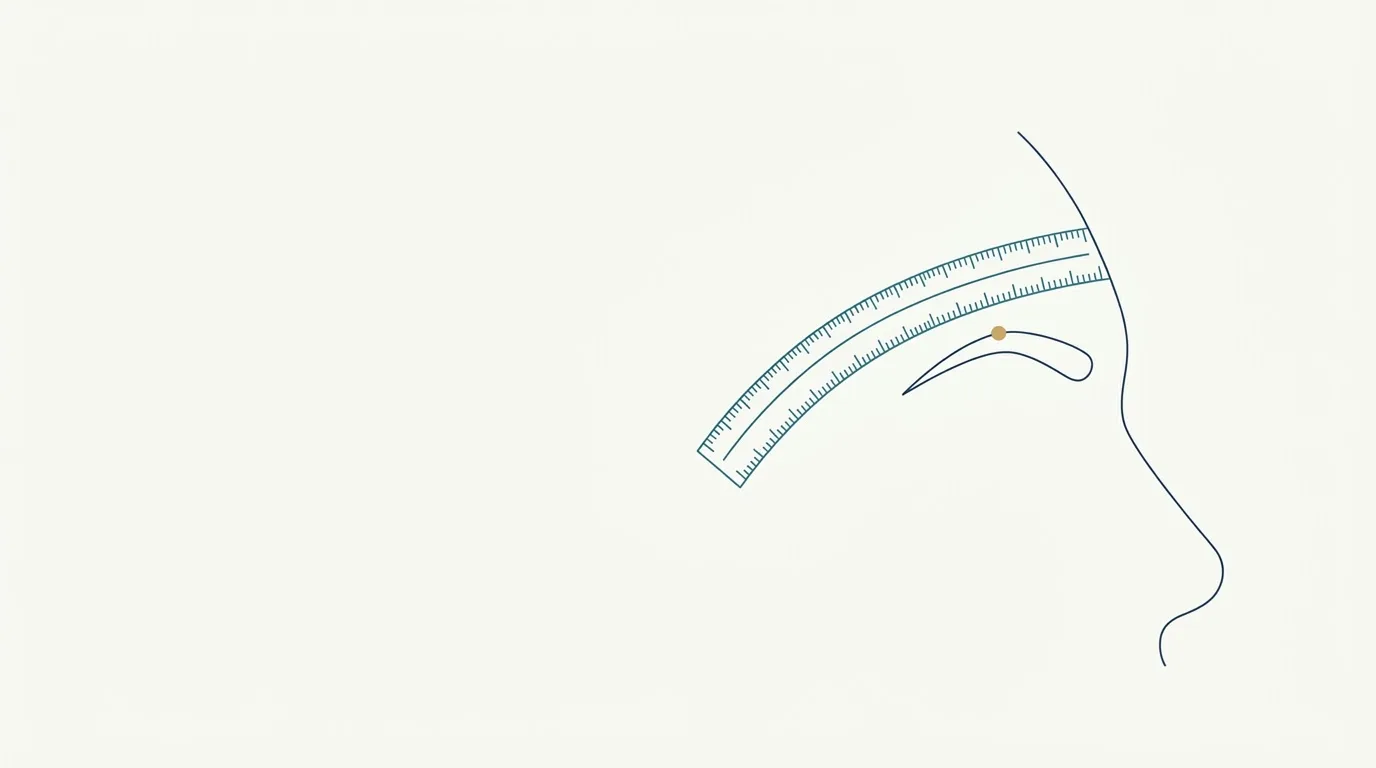 Hyaluronic acid in the forehead: indication and risk anatomyWhy the forehead is a high-risk area for hyaluronic acid: frontal blood supply, anastomoses, restricted indications, alternatives and signs of occlusion.
 Hyaluronic acid in the glabella: why it is a high-risk areaWhy the glabella is one of the riskiest areas to fill with hyaluronic acid, how it relates to visual complications, and the alternatives to direct injection.
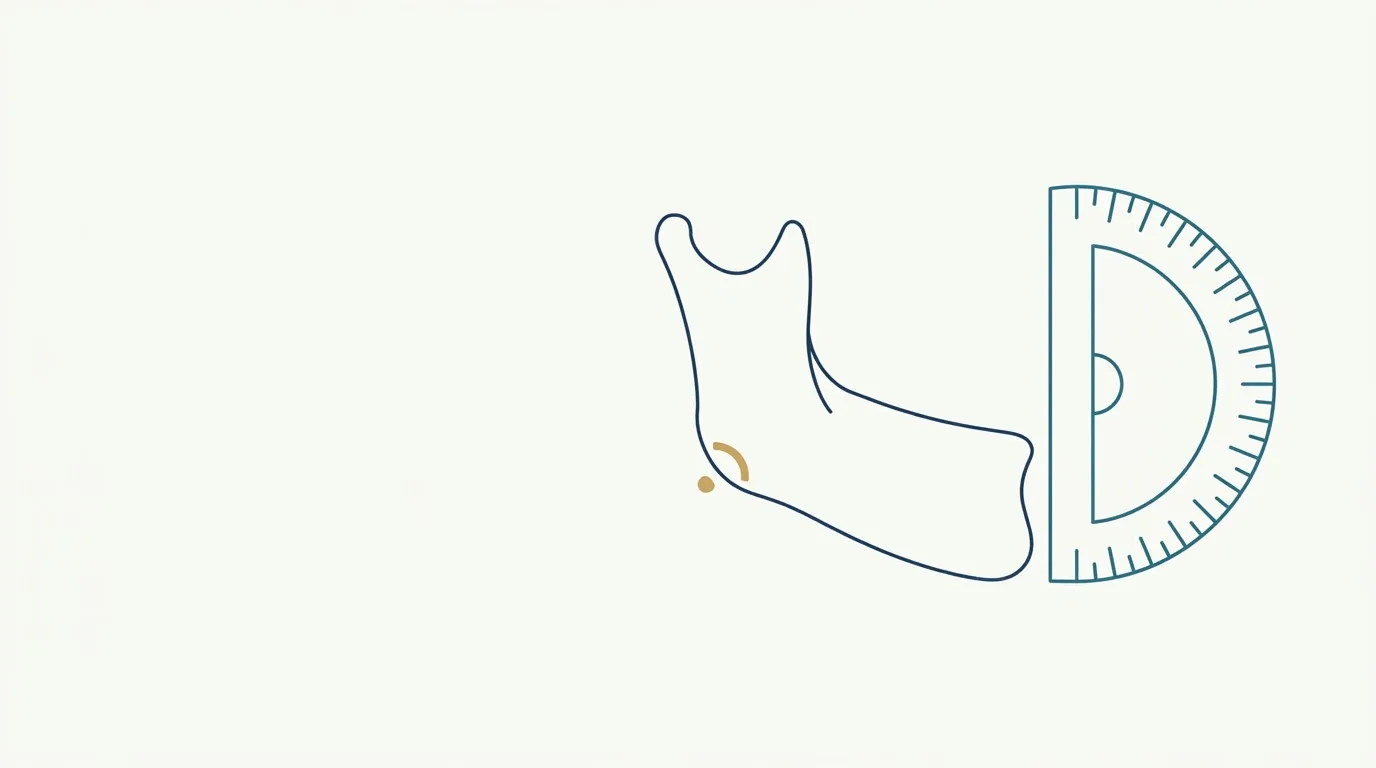 Hyaluronic Acid in the Mandibular Ramus: Indication and RisksMandibular ramus and angle with hyaluronic acid: anatomy, relationship with the facial nerve, masseter and parotid, indication, risks and precautions.
 Hyaluronic Acid in the Nasal Dorsum: Limits and RisksNasal dorsum filler with hyaluronic acid: what is indicated, why the nose demands refined anatomy knowledge, vascular risks, precautions and limits.
 Hyaluronic Acid in the Philtrum: Indication and RisksPhiltrum filler with hyaluronic acid: philtral columns, columellar and superior labial arteries, indication, risks and precautions for the professional.
 Hyaluronic acid in the preauricular area: what to assessWhat to assess before filling the preauricular area: vessels, parotid, facial nerve, flattening of the lateral contour, risks and alternatives to gel.
 Hyaluronic Acid in the Upper Eyelid Sulcus: IndicationWhen to consider or avoid hyaluronic acid in the upper eyelid sulcus: assessment, alternatives, periorbital risks, hyaluronidase and patient guidance.
 Hyaluronic acid migration: causes and managementHyaluronic acid migration: the filler mustache above the lip, why gel shifts, how to tell it from swelling, Tyndall effect and nodules, and how to manage it.
 Hyaluronic acid with lidocaine: what changes in the productWhat lidocaine changes in hyaluronic acid gel: comfort, stability, limits of the combination, allergy and what it does not replace in anesthesia.
 Hyaluronidase at ANVISA: Registration, Compounding, BuyingHyaluronidase and ANVISA: what registration means, why use in filler work is usually off-label, what the compounding rule says and how to buy it safely.
 Hyaluronidase in the Clinic: Setup and OrganizationHow to organize hyaluronidase in a facial harmonization clinic: storage, expiration dates, a written protocol, staff training, and warning signs to recognize.
 Hyaluronidase: Allergy, Testing and PrecautionsHyaluronidase allergy: where the enzyme comes from, what the label says about sensitivity testing, bee and wasp allergy and how to decide in an emergency.
 Hybrid hyaluronic acid: the next-generation skin boosterWhat hybrid hyaluronic acid is, how it differs from a standard skin booster and from filler, what it is used for, the limits of the evidence and the risks.
 Hypertension and Bruising Risk in Facial HarmonizationHypertensive patients in facial harmonization: how high blood pressure relates to bruising, antihypertensives, checking pressure, and when to postpone.
 Hypertensive crisis in the practice: recognize and actHow to recognize very high blood pressure with symptoms in an HOF practice, what to do, when to call SAMU 192 and how to prevent it by measuring pressure.
 Hypoglycemia in the Clinic: Recognize and ActHow to recognize hypoglycemia in a facial harmonization clinic, tell it from fainting and anxiety, act with what is at hand, when to call SAMU, and prevent it.
 Ice and Compression After Procedures: Evidence and CareIce and compression after toxin, filler, and biostimulator: what is known about swelling and bruising, when they help, when they hurt, and how to advise.
 Industrial Liquid Silicone in the Face: Risks and CareIndustrial liquid silicone in the face: why it is not an approved filler, late reactions, granulomas, removal difficulty and how to support and refer.
 Infection and Biofilm After Filler: ManagementInfection after filler: acute, late and biofilm-related, how to recognize it, differentials, initial management at a review level and how to lower the risk.
 Inflammatory vs noninflammatory nodule after fillerHow to tell an inflammatory nodule from a noninflammatory one after filler, with signs, time of onset and how it changes management.
 Informed Consent by Procedure: Essential ItemsStructure of the informed consent form by procedure in HOF: identification, risks, alternatives, images and signature. An item guide, not a template.
 Infraorbital nerve block: anatomy, indication and risksInfraorbital nerve block in HOF: foramen anatomy, anesthetized area, indications, risk of bruising and vascular injury, without a step-by-step technique.
 Injectable fat dissolvers for double chin: what is knownMechanism, expected swelling, available evidence and risks of injectable lipolytics in the submental region, and how to handle assessment and expectations.
 Injectable stock and expiry controlHow to control stock, expiry, lot, and cold chain for injectables in an HOF clinic: rotation, FEFO, patient record entries, and disposal without waste.
 Injectable Traceability: Lot Number, Label, and Patient RecordInjectable traceability in HOF: what to record for each lot, labels and the patient card, inventory control, and what to do after a recall or adverse event.
 Intradermal Toxin for Oily Skin and Pores: The EvidenceMicrotoxin for oiliness and enlarged pores: what the literature allows us to say, study limitations, risks and how to align expectations.
 Isotretinoin and injectable procedures: what to assessCan a patient on isotretinoin have toxin, lip filler or skin boosters? What the label says, what the literature reviewed, and how to decide and document.
 Keloids in the HOF Medical History: How to Ask and DocumentQuestions, exam, and documentation on abnormal scarring before HOF procedures: keloid, hypertrophic scar, high-risk sites, and how to counsel the patient.
 Labiomental Fold Filler: Indication and RisksHyaluronic acid in the labiomental fold: link to a projected chin and the depressor anguli oris, indication, vascular risks and limits.
 Laser and microfocused ultrasound after filler: intervalsHow long to wait between filler and laser, radiofrequency or microfocused ultrasound, what the literature says and the complications of ultrasound.
 Late Intermittent Swelling After Hyaluronic AcidFiller that swells months later: what late intermittent swelling after hyaluronic acid is, reported triggers, differential diagnosis, and management.
 Late nodule after hyaluronic acid: causes and managementA nodule that appears weeks or months after filler: main hypotheses, described triggers, assessment and management paths at review level.
 Lateral Zygomatic Area and Arch: Filler and PrecautionsAssessing lateral zygomatic projection and the arch: anatomy, transverse facial artery, nerves, risks, alternatives and how to set patient expectations.
 Less Is More in Facial Harmonization: The Trend in PracticeWhat the less-is-more trend means in facial harmonization, when it protects the patient, when it becomes an excuse, and how to plan in stages with simulation.
 Levels of evidence in HOF: how to read the literatureStudy design hierarchy, reading pitfalls and a practical routine for HOF professionals to judge what a publication actually supports.
 Lidocaine allergy in HOF: how to manage itAllergy or vasovagal reaction? How to manage a patient who says they are allergic to lidocaine in HOF: workup, differentials, fillers containing lidocaine.
 Lifting threads with cones or barbs: what we knowLifting threads with cones or barbs: how mechanical anchoring works, what the literature describes, and the risks of extrusion, pain and visibility.
 Lip aging: what changes with ageWhat changes in the lips with age: a longer upper lip, loss of vermilion, vertical lines, and a drooping contour, and how to assess them before treating.
 Lip flip with botulinum toxin: what it is and its limitsLip flip with toxin: what it is, the role of the orbicularis oris, what to expect and the effects on speech, straw use and smile. Indication, limits, risks.
 Lip skinbooster: indications, limits and risksSkinbooster in the lips hydrates the vermilion and improves texture, without the volume of filler. See indications, limits, risks and how to align expectations.
 Liquid facelift: what it is and where its limits lieThe liquid facelift concept: what the term promises, how a support and volume plan is built, what it cannot replace in surgery, and the risks involved.
 Local anesthetic allergy in HOFLocal anesthetic allergy in HOF: how to investigate the report, tell it apart from a vasovagal reaction or toxicity, when to test, alternatives and records.
 Local anesthetic systemic toxicity: signs and managementLocal anesthetic systemic toxicity in HOF: how to suspect it, neurological and cardiac signs, risk factors, prevention and emergency preparedness.
 Local Reaction to Hyaluronidase: Swelling, Itching, ManagementLocal reaction to hyaluronidase: swelling, itching, and redness at the injection site, how to tell it from systemic allergy, what to advise, when to recheck.
 Localized scleroderma and dermal fillers in HOFLocalized scleroderma on the face and fillers: what morphea is, why disease activity matters, the risks, and when to ask the specialist for clearance.
 Long-Acting Toxins: What We KnowState of the evidence on botulinum toxins promising longer duration, what to ask manufacturers and how to talk about it with patients.
 Low-Level Laser After HOF ProceduresPhotobiomodulation after filler and other HOF procedures: what it is used for, what the evidence supports, limits, safety and how to explain it to the patient.
 Low, medium and high density hyaluronic acidWhat low, medium and high density mean in hyaluronic acid: concentration vs. cross-linking, G prime, cohesivity and how they guide the choice by area.
 Lower Third Laxity: How to Build the PlanFacial laxity in the lower third: how to assess it by layers, what each option can do, why neck liposuction does not treat laxity and when to refer.
 Lupus and injectables: assessment in facial harmonizationWhat to consider before treating a patient with lupus: disease activity, photosensitivity, medications, infection risk and clearance from the physician.
 Lyophilized and liquid botulinum toxin: differencesFreeze-dried vs liquid botulinum toxin: what changes in preparation, stability and storage, without comparing brands or promising any effect.
 Malar bags (festoon): why filling can make them worseMalar bags and festoon: how to tell them from eyelid bags and tear troughs, causes, tests at the consultation, why filler can worsen them and which paths exist.
 Male Orofacial Harmonization: What Changes in the PlanAnatomical differences, the most common concerns, priority areas, risks of feminization and how to run the consultation in male orofacial harmonization.
 Marionette lines with hyaluronic acid: causes and careHow to separate the muscular, volumetric and skin causes of marionette lines before using hyaluronic acid, with risks, limits and alternatives.
 Massage after biostimulator and filler: when to advise itDo you need to massage after a biostimulator or filler? What is usually advised for poly-L-lactic acid, calcium hydroxylapatite and hyaluronic acid.
 Masseter Hypertrophy: Differential Diagnosis Before ToxinBefore toxin, tell masseter hypertrophy apart from bone, parotid, and fat causes: exam findings, imaging, common pitfalls, and when to refer the patient.
 Master's and PhD in Facial Harmonization: What to KnowWhat stricto sensu graduate study means for those in facial harmonization: how it differs from specialization, research topics and how to choose a program.
 Medical history in HOF: what to ask before any procedureMedical history script for orofacial harmonization, covering the concern, health history, medications, prior procedures, habits and expectations.
 Melasma and facial harmonization proceduresHow melasma affects facial harmonization: heat, inflammation and light as triggers, which procedures call for caution, what to advise and when to refer.
 Menopause and facial aging: assessment in facial harmonizationHow the estrogen drop of menopause relates to facial skin, fat and bone, what it changes in the assessment and how to plan in stages.
 Mental nerve block: anatomy, indication and risksMental nerve block in HOF: mental foramen, lower lip and chin sensation, indications, risks and precautions, without a step-by-step technique.
 Mentorship in Facial Harmonization: How to Choose WiselyWhat facial harmonization mentorship is, how it differs from a course and a specialization, how to pick a mentor and which warning signs to avoid.
 Microfocused ultrasound: principles, indications and limitsHow microfocused ultrasound acts on the SMAS and dermis, who is usually a candidate, risks, limits of the result and how to handle consent.
 Microneedling with Biostimulator or HA: What to ConsiderMicroneedling with a biostimulator or hyaluronic acid: off-label use, risks such as granuloma and reaction, precautions and how to explain it to the patient.
 Microtoxin (intradermal injection): what it isMicrotoxin, microbotox or mesobotox: what intradermal botulinum toxin is, what it aims to do, what the evidence shows, and what the risks are.
 Midface aging: fat, bone, and ligamentsHow the midface ages: descent of the fat compartments, bone resorption, and loosening ligaments, and what that changes in the assessment.
 Mouth corner with hyaluronic acid: when and risksWhen to consider hyaluronic acid at the mouth corner, the role of the modiolus, the risk of migration from saliva and movement, and what to assess first.
 Multidisciplinary team in HOF: how to work togetherHow to build and lead a multidisciplinary team in HOF: roles, communication, responsibilities, shared patient records, and ethics between professionals.
 Myasthenia Gravis and Botulinum Toxin: ContraindicationWhy myasthenia gravis and neuromuscular junction disorders call for caution with botulinum toxin: mechanism, risk of weakness, history and when not to inject.
 Nanofat and microfat in the face: what they are, what is knownDifference between nanofat, microfat, and facial fat grafting, what the literature supports, risks such as vascular occlusion and embolism, and when to refer.
 Nasal Anatomy for InjectablesA review of nasal anatomy for injectables: osteocartilaginous structure, skin, vessels, nerves, danger zones and what they change in the indication.
 Nerve injury after injectables: signs and managementHow to recognize sensory or motor nerve injury after filler, toxin or threads: signs, differences, course, documentation and when to refer.
 Neuromuscular diseases and botulinum toxin in HOFWhy ALS, myasthenia, dystrophies and other neuromuscular diseases call for caution with botulinum toxin: warning list, history, approach and communication.
 No-Touch Technique in Facial InjectablesNo-touch technique in facial injectables: asepsis principles, what reduces contamination of product and needle, and the limits of the technique in routine care.
 Nodules after a biostimulator: types and managementCan a biostimulator cause nodules? Types after calcium hydroxylapatite and poly-L-lactic acid, and how to tell them apart, investigate and manage them.
 NSAIDs, Painkillers and Bruising in Facial Harmonization (HOF)NSAIDs, painkillers and bruising in HOF: what to ask in the medical history, what to advise before and after, and what not to change without the prescriber.
 Oncology Patients in HOF: Assessment and ClearanceHow to assess an oncology patient for HOF: treatment phase, remission, platelets, immunity, contact with the oncologist and when to postpone procedures.
 Orange-peel chin and toxin: what to assessOrange-peel chin and botulinum toxin: the role of the mentalis and depressor labii inferioris, what the toxin can and cannot do, and effects on speech.
 Order of Procedures in the Same HOF SessionHow to sequence procedures in the same HOF session: safety criteria, swelling, patient comfort, chair time and when to split them into separate sessions.
 Orofacial Harmonization as a Dental Specialty in BrazilWhat it means for HOF to be a dental specialty in Brazil: scope of practice, registering the title with the CRO, CFO restrictions, and acts versus titles.
 Orofacial Harmonization at the CFO: What the Resolutions SayBrazil's CFO resolutions on orofacial harmonization: 198/2019, 230/2020, the 2026 rules and the technical note, with what each says and where to check.
 Orofacial Harmonization in Patients Over 50What changes in orofacial harmonization after age 50: health, medications, priorities by area, the limits of injectables and how to set expectations.
 Orthodontics and Facial Profile in Facial HarmonizationHow tooth movement changes the facial profile and what it means for harmonization: lips, chin, nasolabial angle and planning with the orthodontist.
 Overcorrected cheekbones: causes, assessment and managementHow to recognize overcorrected cheekbones (a wide, flat or heavy face), why it happens, how to assess it and how to manage reversal safely.
 Overcorrected Chin: Causes, Assessment and ManagementHow to recognize an overcorrected chin (long, projected or heavy), why it happens, how to assess proportion and when partial dissolving makes sense.
 Overfilled Face: How to Assess and Correct ItOverdone facial harmonization: why excess volume happens, how to tell it from swelling and migration, and how to build an honest correction plan.
 Oxygen in the Facial Harmonization Clinic: Tank and MaskWhen and why to have oxygen in a facial harmonization clinic: tank, mask, valve, expiration, staff training and integration with the emergency kit.
 Ozempic Face in Facial Harmonization: Assessing Volume LossHow to assess the face of someone who lost weight on semaglutide and similar drugs: fat compartments, skin, expectations and staged volume replacement.
 Panic attack in the practice: how to handle itHow to recognize and support a panic attack in an HOF practice, what to do at the moment, how to tell it from serious conditions and when to call SAMU 192.
 Paresthesia After an HOF Procedure: Causes and ManagementTingling, numbness or shock after an injectable: at-risk nerves by area, causes, differential diagnosis, patient guidance and documentation.
 Patient Records and Documentation in Orofacial HarmonizationWhat to record in an orofacial harmonization patient record: medical history, photos, products, lots, consent, complications, retention, and data protection.
 Patient Referral in Orofacial Harmonization: Best PracticesWhen, how, and to whom to refer patients in orofacial harmonization: criteria, ethical communication, documentation, emergencies, and the relationship.
 Patient With HIV and Facial Lipoatrophy in HarmonizationPatients with HIV in facial harmonization: universal biosafety, confidentiality, facial lipoatrophy and working with the infectious disease specialist.
 Patient With Unknown Previous Filler: What to DoPatient with old filler or PMMA in the face and unsure of the product: how to investigate, when to postpone, the role of ultrasound and how to document.
 Patients Over 70 in HOF: Safety and PlanningFacial harmonization in patients over 70: polypharmacy, capillary fragility, thin skin, bruising, autonomy and a gentle plan with realistic expectations.
 PDO thread complications: how to recognize and manage themPDO thread complications: bruising, dimpling, asymmetry, visible thread, extrusion, infection and nerve or parotid injury, with first-line management.
 PDO threads in the brow: indication and limitsPDO threads in the brow: who is a candidate, what the thread lifts, comparison with toxin and surgery, risks, duration, and how to read the before and after.
 PDO threads in the cheekbone: what is known and when to avoidPDO threads in the malar area: replacing volume versus repositioning, what the thread does and does not do, risks, and when to prefer another strategy.
 PDO threads in the forehead and temple: indication and risksPDO threads in the forehead and temple: what they aim for, why fixation and uneven traction matter, the risk of brow tail ptosis, and alternatives.
 PDO threads in the jawline and jowl: indication and limitsPDO threads in the jawline and jowl: when they fit, the role of the marginal mandibular branch, who tends not to respond well, and alternatives.
 PDO threads in the midface: indication, limits and risksPDO threads in the midface: how aging of the area guides the indication, structures at risk, limits of the effect and combining with other options.
 PDO threads in the nasolabial fold: indication and limitsPDO threads vs. filler in the nasolabial fold: what each one treats, why a lifting thread does not fill the fold, risks and how to choose.
 PDO threads in the neck and lower third: limitsPDO threads in the neck and lower third: what they can do, when they do not work, anatomy to watch, risks and how to align patient expectations.
 PDO threads in the nose: indication, risks and evidencePDO threads to support the nasal tip and dorsum: what is described, why the nose is a high-risk area, limited evidence, complications and alternatives.
 PDO threads in the periorbital area: precautions and limitsPDO threads around the eyes: why thin skin limits the indication, the risk of a visible thread, the structures of concern, and the most used alternatives.
 PDO threads in the upper lip and perioral area: limitsSmooth PDO threads for upper lip lines and the perioral area: what they aim for, why the risk is higher, the mucosa and mobility, and alternatives.
 PDO Threads: What the Literature ShowsA critical reading of the literature on PDO threads in HOF: study designs, outcomes measured, quality, duration of effect, and the gaps that remain.
 Peels and HOF: Sequence, Intervals and Skin CareHow to combine a chemical peel with toxin, filler and biostimulator: order of steps, usual intervals, contraindications and skin care.
 Perioral Aging: What HappensHow the perioral area ages: vertical lines, loss of support, changes in the lips and folds, and what this means for assessment in orofacial harmonization.
 Perioral Lines With Hyaluronic Acid: Indication and LimitsBarcode lines: when hyaluronic acid helps with perioral lines, why it is usually not enough on its own, and how to combine it with skin and muscle treatment.
 Periorbital aging: what happens in the area around the eyesHow the periorbital area ages: skin, fat, bone, muscle and ligaments, and why tear troughs, bags and grooves call for a layer-by-layer assessment.
 Periorbital Anatomy for InjectablesA review of periorbital anatomy for injectables: orbital septum, fat, ligaments, vessels and nerves, and what it explains about tear troughs, grooves and risks.
 Permanent Fillers: What Is Known and Late RisksLong-lasting and permanent materials in orofacial harmonization: categories, late complications, consent, and caring for patients who already have them.
 Persistent Malar Swelling After Filler: CausesWhy malar swelling can persist after filler: lymphatic drainage, volume, gel hydrophilicity, and the logic of workup and management.
 pH and Osmolarity of Injectable Hyaluronic AcidWhat pH, osmolarity and hydrophilicity mean for a hyaluronic acid gel, how they affect swelling and tissue tolerance, and how to read the instructions for use.
 Pigmentary, Vascular or Structural Dark Circles: How to AssessHow to classify pigmentary, vascular, structural and bag- or swelling-related dark circles, which simple tests to use and when filler is or is not indicated.
 Pillow Face (Overfilled Look): Causes and How to Review the PlanWhat pillow face is, why the face looks puffy with product but no support, how to assess it, when to dissolve and how to re-plan with the patient.
 Planning Your HOF Career: Goals, Training and RoutineHow to organize a career in orofacial harmonization: set goals by stage, choose training, track your practice routine and review the plan every year.
 Platysma and Toxin: Signs of Early IndicationHow to recognize early platysmal bands, tell them apart from laxity and decide whether botulinum toxin is indicated before the picture advances.
 PMMA in HOF: Properties, Risks and RetreatmentWhat PMMA is, what the microspheres are like, why reactions can be delayed, why removal is hard and how to manage a patient who already has the material.
 Polycaprolactone threads in HOF: what they are and what we knowPolycaprolactone (PCL) threads in HOF: composition, slower degradation than PDO, what the literature says, risks and comparison with other threads.
 Polycaprolactone vs Poly-L-Lactic Acid: What ChangesPolycaprolactone or poly-L-lactic acid? Composition, immediate effect, pace of results, sessions, risks and how to choose between the two biostimulators.
 Polynucleotides (PDRN and PN) in HOF: What They AreWhat polynucleotides are, the difference between PDRN and PN, how they compare to skin boosters, what the evidence shows and what to check with ANVISA.
 Positioning the Patient on the Treatment Table in HOFTable angle, head and neck support, light, comfort and safety: how to position the patient in HOF to assess, inject and respond to complications.
 Post-Bariatric Patients in HOF: Volume Loss and LaxityHow to care for a post-bariatric patient in HOF: volume loss and laxity, nutritional deficiencies, when to intervene and staged expectations.
 Post-HOF follow-up visit: what to assess and recordWhat to assess at the follow-up after filler, botulinum toxin, and biostimulator: usual timing, exam, warning signs, touch-ups, and record keeping.
 Post-procedure checklist in HOF: instructions and follow-upPost-procedure checklist in HOF: written instructions, warning signs, product and lot records, emergency contact and scheduling the follow-up visit.
 Pre-Jowl Sulcus Filler: Assessment and RisksHow to assess the pre-jowl sulcus before filling: mandibular ligament, jowl, facial artery, alternatives, risks and how to explain what to expect.
 Pre-procedure checklist in HOF: safety verificationPre-procedure checklist in HOF: identification, medical history, consent, product, materials, emergency gear and photos, to check before starting.
 Prescribing After Orofacial Harmonization: What the Rules SayPrescribing after orofacial harmonization: what the law says, Anvisa prescription rules, what to record, and what to tell the patient about medication.
 Preventive Toxin: What the Evidence ShowsPreventive botulinum toxin (preventive botox): the reasoning behind it, the level of evidence available, its limits, and how to talk with the patient.
 Procedure Tray Setup in Facial HarmonizationHow to set up the procedure tray in facial harmonization: clean field, order of materials, practitioner workflow, disposal and safety items always within reach.
 PRP and PRF on the Face: What Is Known, Mechanism, VariabilityPlatelet concentrates on the face: differences between PRP and PRF, mechanism of action, preparation variability, limits of the evidence, and safety in HOF.
 Psoriasis and the Koebner Phenomenon: Needle-Induced LesionsPsoriasis patients and injectables: what the Koebner phenomenon is, when a needle puncture can induce a new lesion, and how to assess, advise, and document.
 Ptosis After Botulinum Toxin: Recognizing and Managing ItDrooping eyelid or brow after botulinum toxin: how to tell the types apart, warning signs, timeline, and initial management at a review level.
 Publication Bias and Conflicts of Interest in AestheticsHow to spot sponsored studies, selective results and conflicts of interest in the aesthetics literature, with a step-by-step guide to critical reading.
 Real duration of hyaluronic acid in the face: what changesWhy gel can show on imaging longer than the visible effect lasts, what changes duration by area and how to explain it to the patient.
 Regenerative biostimulation: trend and cautionWhat the market calls regenerative biostimulation: terms, products, techniques, limits of the evidence and how to indicate it with caution.
 Removing PDO Threads: When to Consider It and When to WaitWhen to consider removing PDO threads: infection, extrusion, visibility, pain, asymmetry. Criteria, what to expect from absorption and how to guide the talk.
 Respectful Care for Trans Patients in HOFHow to welcome trans patients in HOF: chosen name, patient record, language, hormone therapy in the history and data protection, without stereotypes.
 Retaining ligaments and facial laxity in HOFHow retaining ligaments support the face, what happens when they loosen, how this explains folds and jowls, and what changes in HOF planning.
 Retrognathic Profile: Chin, Jaw and Limits of InjectablesHow to assess the retrognathic profile in HOF: retrognathia vs. retrogenia, clinical signs, profile references, when to refer and the limit of filler.
 Rosacea and Injectables: Assessment in Facial HarmonizationRosacea and injectable procedures in facial harmonization: vascular reactivity, triggers, when to postpone, in-room care and advice for sensitive skin.
 Russian lips: technique, indication and risksWhat the Russian lips technique is in HOF, who it suits, how it differs from classic lip filler, which risks weigh most and what to agree on with the patient.
 Safety and Complications in HOF: An OverviewSwelling, bruising, nodules, Tyndall effect, vascular occlusion, necrosis and toxin ptosis, plus warning signs and how to prepare your practice.
 Safety Time-Out Before InjectingTime-out in HOF: the pause before injecting to check patient, product, side, allergies and emergency supplies. A short step that prevents avoidable errors.
 Scientific societies in HOFWhat role scientific societies play in HOF: education, consensus statements, events and safety, without confusing them with councils or with marketing.
 Second Opinions in HOF: Seeing Another Practitioner's PatientSecond opinions in facial harmonization: receiving another practitioner's patient, assessing without criticizing the colleague, what to record and when to act.
 Seizure in the clinic: first aidWhat to do when a patient has a seizure in the HOF clinic: protect, time it, position, when to call SAMU 192 (Brazil's emergency line), causes, and records.
 Service agreements in HOF: key itemsCommon clauses in a service agreement for orofacial harmonization, how it differs from the consent form, and what to review with a lawyer.
 Setting up a facial harmonization practice: checklistChecklist for the physical setup of a facial harmonization practice: rooms, workflow, biosafety, emergency, lighting, storage, photos, and documents.
 Severe pain during injection: a warning signWhy disproportionate pain during or after filler injection can point to ischemia, how to read it alongside anesthesia and what to do right away.
 Sharps Disposal and PGRSS in Orofacial Harmonization (HOF)How to organize disposal of needles, syringes and waste in a HOF practice in Brazil: sharps container, PGRSS, segregation, licensed pickup and mistakes.
 Sharps injury in the office: what to doWhat to do right after a needle or blade injury in a facial harmonization office: immediate care, risk assessment, prophylaxis, reporting and prevention.
 Shoulder and wrist pain in injectors: preventionWhy people who perform injectables feel shoulder, wrist and neck pain, which habits make it worse and how to prevent it with breaks and simple adjustments.
 Sjögren's Syndrome and the Periorbital Area in HOFSjögren's syndrome and HOF: dry eye, caution with toxin near the eyes, periorbital assessment, dry skin and when to coordinate with specialists.
 Skin booster complications: papules, swelling, and TyndallSkin booster complications: papules, swelling, bruising, Tyndall effect, nodules, and infection, how to recognize each one and when to act or refer.
 Skin boosters for acne scars: what is known and the limitsSkin boosters for acne scars: scar types, role as an adjunct, what the evidence allows us to say, what it does not promise, and how to combine treatments.
 Skin boosters for the forehead: indication and risk anatomySkin boosters for the forehead: when to consider them, layers of frontal skin, supratrochlear and supraorbital vessels, risks, warning signs, and expectations.
 Skin boosters for the perioral area: indication and precautionsSkin boosters for the perioral area: fine barcode lines, hydration of the skin around the lips, how it differs from filler, risks, and planning.
 Skin boosters for the periorbital area: indication and risksSkin boosters for the periorbital area: thin eyelid skin, Tyndall effect, swelling, vascular and visual risk, who benefits, and when to avoid or refer.
 Skin boosters: what the scientific evidence shows and doesn'tSkin boosters and scientific evidence: study types, objective measures, methodological limits, bias, and how to read papers before promising results.
 Skin necrosis after filler: progression and careHow skin necrosis progresses after vascular compromise, which signs go with each stage, how the wound is cared for, and how the patient is followed up.
 Skin quality: the concept and its limitsSkin quality in facial harmonization: what it means, what is assessed, what injectables and other options deliver, and where the concept falls short.
 Skinbooster for the cheekbones and cheeks: what to expectSkinbooster in the cheeks improves hydration and texture but does not replace volume. See indications, limits, risks and how to explain the difference.
 Skinbooster for the chest: indications, care and limitsSkinbooster for the chest (décolleté): photoaged skin, chest lines, what the procedure can offer, risks, aftercare and how to align expectations.
 Skinbooster for the hands: indications, care and limitsSkinbooster for the hands: dermal hydration, thin skin on the back of the hand, how it differs from volume filler, risks, aftercare and realistic expectations.
 Skinbooster for the neck: indications and careSkinbooster for the neck: who it suits, horizontal neck lines, thin skin, what to expect from before and after, risks and how to combine it with other options.
 Skinbooster for under-eye circles: when it makes senseSkinbooster for under-eye circles: which type of circle it suits, what to expect from before and after, how it differs from filler, risks and assessment.
 Skinbooster or polynucleotides: differencesSkinbooster or polynucleotides (PDRN and PN): difference in mechanism, the right concern for each, combined products, ANVISA registration and how to decide.
 Smooth PDO Threads for Biostimulation: What We Know and LimitsSmooth PDO threads for biostimulation: proposed mechanism, areas of use, what the literature supports, what it does not yet support and how to set expectations.
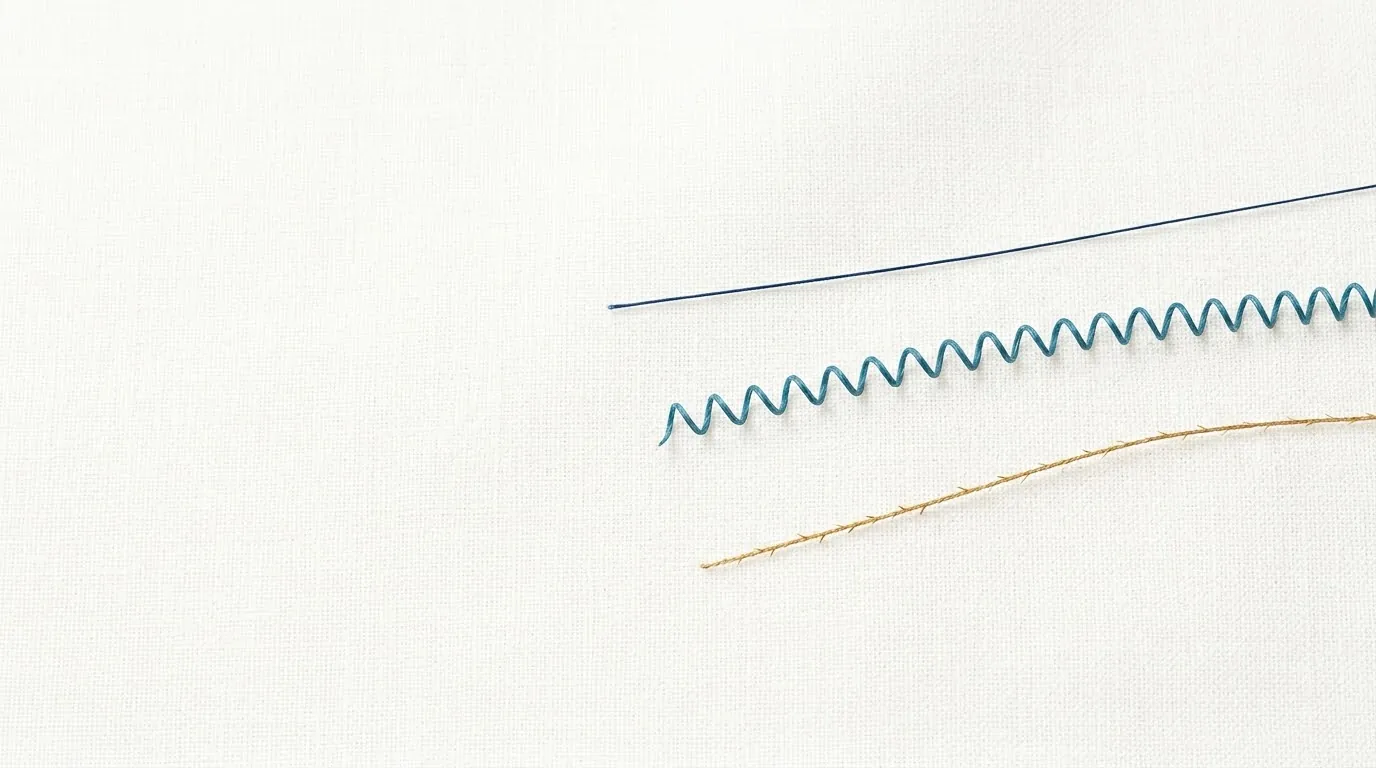 Smooth, Barbed and Spiral PDO Threads: DifferencesTypes of PDO threads: smooth, spiral (screw) and barbed, what each is for, how they are made, and the limits and risks of each type.
 Square Face: Masseter, Bone or Fat? How to AssessSquare face in facial harmonization: how to tell masseter, bone, fat and gland apart, what toxin changes and does not change, and when to refer.
 SSRI Antidepressants and Bleeding in Facial HarmonizationSSRIs and the risk of bruising and hematoma in facial harmonization: what the medical history should ask, what not to stop alone and how to advise and record.
 Standardized Clinical Photography in Orofacial HarmonizationPractical guide to lighting, background, distance, lens, height and poses for comparable before and after photos in orofacial harmonization (HOF).
 Sterilizing Reusable Instruments in HOFHow to process reusable instruments in HOF: cleaning, packaging, autoclave, indicators, storage, and traceability by sterilization lot.
 Stiff Smile After Botulinum Toxin: Causes and ManagementA stiff or uneven smile after botulinum toxin usually comes from diffusion to the lip elevators. Causes, assessment, management and what to tell the patient.
 Storing Botulinum Toxin and Maintaining the Cold ChainHow to store botulinum toxin in the clinic: refrigerator, label range, reconstituted vial, transport, cold chain failures and record keeping.
 Supplements and Bruise Risk in Facial InjectablesOmega-3, vitamin E, garlic and ginkgo in the HOF medical history: what to ask, why they may affect bleeding, and how to advise without promising no bruising.
 Supraorbital and supratrochlear block: anatomy and risksSupraorbital and supratrochlear nerve block in HOF: anatomy, anesthetized area, relation to high-risk vessels and risks, without a step-by-step technique.
 Suspected Stroke in the Clinic: Recognize and ActHow to recognize stroke signs in the HOF clinic, tell them apart from fainting and toxin-related ptosis, act in time and organize the team's protocol.
 Syncope or Anaphylaxis? How to Tell Them Apart in the PracticeSyncope or anaphylaxis in the HOF practice: signs compared, skin, pulse and breathing clues, what to do when unsure and how to train the team.
 Syringes and Needles in HOF: Luer Lock, Bevel and SafetySyringes and needles in HOF: luer lock vs luer slip, bevel, gauge, leak and disconnection risk, safe disposal and how to choose your supplies.
 Systemic corticosteroids and wound healing in HOFHow long-term corticosteroid use affects healing, infection and bruising in HOF procedures: what to ask and when to talk to the treating physician.
 Teens in HOF: When to Decline the ProcedureHow to handle a teen asking for facial harmonization: facial development, mental health, the role of guardians, warning signs and how to decline respectfully.
 Telemedicine and HOF: Scope and LimitsWhat teleconsultation can and cannot do in HOF: triage, follow-up, guidance and documentation, with the limits of remote exams and the rules to check.
 Temporal Region Anatomy for InjectablesLayers of the temporal region, key vessels and nerves, and how anatomy explains the indication, volume loss and the risks of temple filler.
 The defined jawline trend: assessment and limitsThe defined jawline trend: what patients ask for, what shapes the contour, methods described, risks, overcorrection and expectation setting.
 The Face After Pregnancy: What Facial Harmonization AssessesThe postpartum face in facial harmonization: weight, sleep and hormone changes, when to postpone procedures, breastfeeding and setting realistic expectations.
 Thin lips: how to assess before recommending fillerHow to assess thin lips before filler: causes, proportion, lip height, dental support, the role of toxin and how to align expectations.
 Thread extrusion and visibility: causes and managementA PDO thread that shows, can be felt or comes out through the skin or mucosa: anatomical and technique factors, infection risk, management and patient guidance.
 Thread Lifts or Microfocused Ultrasound: How to ChooseTechnical comparison of thread lifts and microfocused ultrasound: mechanism, indication, limits, risks and criteria for choosing one or combining the two.
 Tired-Looking Eyes: Assessing Brow, Dark Circles and TempleTired-looking eyes in orofacial harmonization: how to assess the brow, eyelid, under-eye area, temple and midface before indicating any treatment.
 Topical Anesthetics: Composition, Absorption and RisksComposition of topical anesthetics used in facial harmonization, absorption factors, systemic toxicity risk, safe use over large areas and patient guidance.
 Touch-Ups in Facial Harmonization: Timing After Each ProductWhen to touch up after hyaluronic acid, toxin, biostimulator, threads and skinbooster: maturation, usual waiting ranges and how to avoid reinjecting too early.
 Toxin Stability After ReconstitutionHow long reconstituted botulinum toxin stays stable: the package insert, the literature, contamination risks, record keeping, and a safe vial routine.
 Transient Facial Paralysis After Local Anesthesia in HOFAnesthetic spread, blocked facial nerve branches and the differential diagnosis with toxin and nerve injury: how to recognize it, advise and document.
 Treatment Areas in Orofacial Harmonization: An OverviewMap of the facial areas treated in HOF by facial third, with common concerns, procedures, safety precautions and links to each area.
 Tyndall Effect in the Forehead and Temples: PreventionWhat the Tyndall effect is in the forehead and temples, why thin skin and visible vessels raise the risk, how to prevent it, and management options.
 Tyndall Effect in the Lips: Cause, Prevention, ManagementWhy the Tyndall effect appears in the lips, how superficial gel in the vermilion leaves the mucosa bluish, how to prevent it, and when to use hyaluronidase.
 Under-Eye Hyperpigmentation After a Procedure: CausesDark pigmentation under the eyes after a procedure: hemosiderin, Tyndall effect, and post-inflammatory hyperpigmentation, how to tell them apart and treat them.
 Validated aesthetic assessment scales in HOFGlobal improvement, wrinkle, and volume scales used in HOF: what each measures, what they are for in routine practice, and their limits in the clinic.
 Vascular anatomical variations of the faceWhy the facial arterial map varies between people, which variations matter most for injectables and how this changes clinical caution.
 Vascular Danger Zones of the Face: A Review MapReview map of the vascular danger zones of the face in harmonization: arteries in each region, why they matter, the path to the eye and what to review.
 Vascular occlusion from biostimulators: what is knownVascular occlusion from collagen biostimulators: why particulate material changes management, signs, reports, the limits of reversal and prevention.
 Vascular occlusion in the chin: signs and initial managementVascular occlusion in the chin after filler: submental, mental and inferior labial arteries, signs, differentials and initial management at review level.
 Vascular occlusion in the forehead: signs and initial managementVascular occlusion in the forehead after filler: supratrochlear and supraorbital arteries, the blanching pattern, scalp risk and initial management.
 Vascular occlusion in the glabella: signs and first stepsVascular occlusion and necrosis in the glabella after filler: risk anatomy, link to the ophthalmic artery, signs by phase, visual risk and first steps.
 Vascular occlusion in the infraorbital and cheekbone areaVascular occlusion in the infraorbital and cheekbone area after filler: infraorbital and angular arteries, signs, differentials and initial management.
 Vascular occlusion in the lip: signs and initial managementVascular occlusion in the lip after filler: anatomy of the labial arteries, signs by phase, differential diagnosis and initial management at review level.
 Vascular occlusion in the nasolabial fold: signs and managementVascular occlusion and necrosis in smile lines after filler: course of the facial and angular arteries, signs by phase, visual risk and initial management.
 Vascular occlusion in the nose: signs and initial managementVascular occlusion and necrosis in the nose after hyaluronic acid: risk anatomy, signs by phase, differential diagnosis and initial management at review level.
 Vascular occlusion in the temples: signs and initial managementVascular occlusion in the temples after filler: superficial and middle temporal arteries, particular signs, expanding hematoma and initial management.
 Vascular Occlusion or Anesthesia Blanching? How to TellHow to separate benign blanching from anesthetic, pressure or vasospasm from ischemia due to vascular occlusion: signs, bedside tests and management.
 Vascularization of the lips: variationsPatterns of the superior and inferior labial arteries, variations in course and depth, and what they change in clinical caution for lip filler.
 Vasovagal Syncope in the Practice: Prevention and ResponseVasovagal syncope in the HOF practice: why patients faint, prevention, initial response, warning signs and how it differs from other emergencies.
 Veneers and Smile Planning in Facial HarmonizationHow to integrate veneers and dental lenses into facial harmonization planning: lip support, tooth display, smile line, order of procedures and the team.
 Vermilion Border and Lip Contour: Indication and RisksHow to assess the vermilion border and the white roll, when hyaluronic acid defines the lip edge, and how to avoid irregularity, Tyndall effect and occlusion.
 Vision loss after filler: what to knowBlindness after filler: how occlusion reaches the eye, high-risk areas, warning signs, urgency, and why botulinum toxin does not cause embolism.
 Vitiligo and Skin Trauma in Facial Harmonization ProceduresKoebner isomorphism in vitiligo, how needle punctures and trauma can trigger new lesions, and how to assess, obtain consent and follow up in the clinic.
 When to Call SAMU for an Emergency in the ClinicCriteria for calling SAMU (192) during a facial harmonization procedure, what to say on the call, who does what, and how to prepare your team and address.