
Planning and facial analysis
A method to go from facial analysis to a clear plan: proportions, areas that work together, priorities, stages and honest use of simulation.

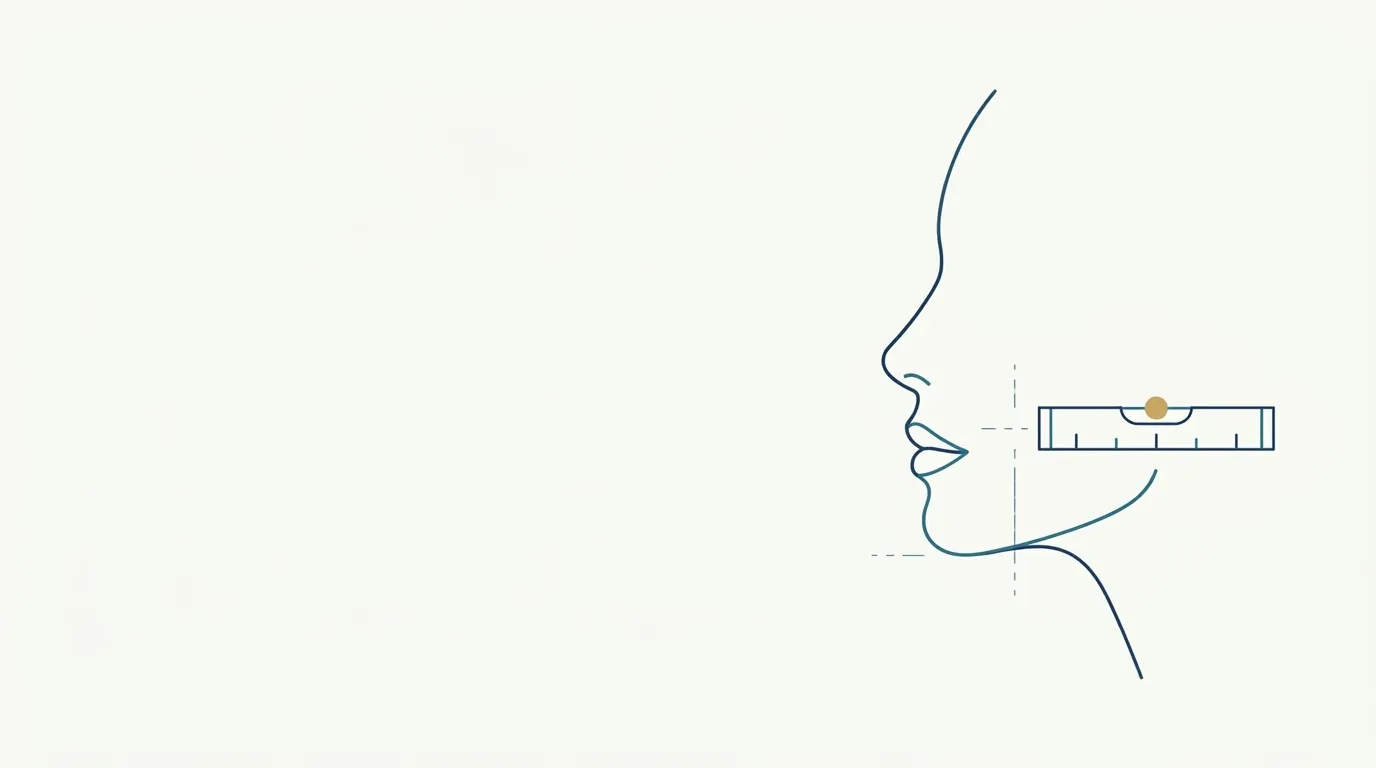 1/3 to 2/3 Proportion in the Lower Third of the FaceThe classic split of the lower third between the upper lip and the lower lip plus chin, how to measure it on a photo and when it guides the plan.
 12-Month Facial Harmonization Plan: Sample TimelineHypothetical annual facial harmonization timeline: stages, follow-ups, toxin and filler maintenance, and how to adjust the calendar to each patient.
 Abbreviations and notation in the HOF plan: a short standardA short notation standard for the facial harmonization plan: area code, side, volume in ml and recorded layer, so the team reads the record without doubt.
 Adjusting the HOF plan based on patient feedbackHow to collect patient feedback with objective questions and use the answers to adjust the HOF plan without falling into the trap of pleasing too much.
 Aesthetic Profile: How Lips, Nose and Chin RelateHow lips, nose and chin make up the aesthetic profile and which needs adjusting first: reference lines, reading order, risks and what the app does not show.
 AI Facial Analysis: What It Measures and What It Does NotWhat AI facial analysis really does in facial harmonization: points detected on the device, where it errs, bias, privacy and the professional's role.
 AI simulation in facial harmonization: what changes, what doesn'tWhat Harmy's AI alters in the photo (only the marked areas) and what it preserves (skin, expression, background, hair): an honest read of the simulated image.
 Annual Maintenance Plan in Facial Harmonization: A CalendarHow to build an annual maintenance calendar in facial harmonization by procedure: usual intervals, reassessment, plan review and talking with the patient.
 Areas That Often Go Together in a Facial Harmonization PlanA map of affinities between Harmy's nine areas: which combinations appear together in a facial harmonization plan, why, and when to split them into stages.
 Assess the facial skeleton before injecting volumeHow to tell a bone deficit from a soft tissue deficit in a HOF treatment plan, what to look for in the facial skeleton, and when volume is not the answer.
 Average Beauty and Facial Attractiveness in PlanningWhat the average face is, why attractiveness is neither sameness nor a single standard, and how to use proportions as a guide without making the plan a formula.
 Beauty Ideals Change Over Time: Effect on PlanningHow beauty standards shift across eras and cultures, why that matters in the HOF plan and how to avoid dated-looking faces by prioritizing balance and identity.
 Biostimulator and Filler: How to Divide Treatment AreasWhich areas usually get stimulation and which get immediate volume in a harmonization plan, how to sequence a biostimulator and hyaluronic acid, and explain it.
 Buccal Corridor and Smile: How to Assess Them in PlanningHow to assess the buccal corridor, the dark lateral space of the smile, and its link to the mouth corners and cheekbone to decide what goes into the HOF plan.
 Cheekbone and jaw: balancing the V-shaped contour in the planHow to plan cheekbone and jaw together in facial harmonization: width relationship, order of decisions, ml limits, and what to show in the simulation.
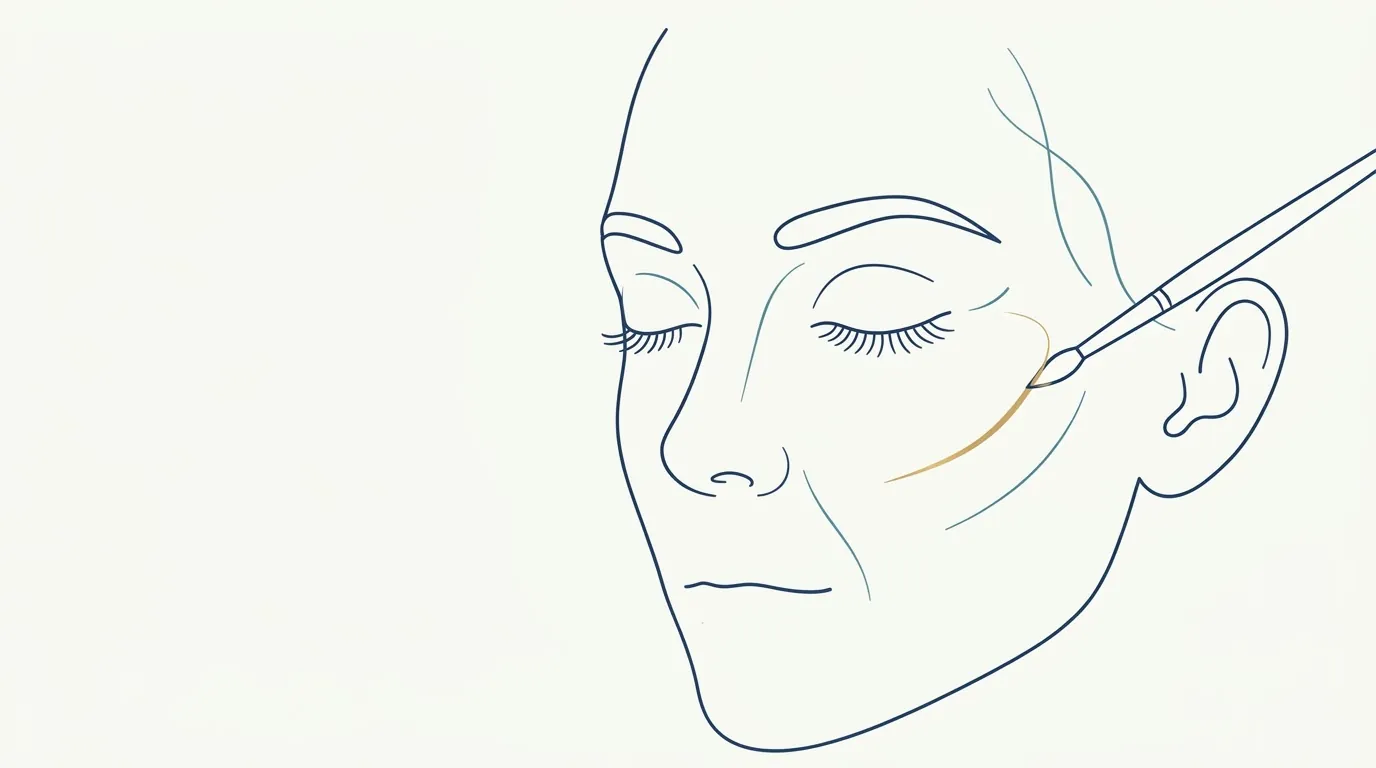 Cheekbone and under-eye area: why combine them in the planHow the cheekbone supports the tear trough and when to plan cheekbone and under-eye area together, with decision order, risk care, and Harmy simulation.
 Chin and double chin: when the plan needs bothChin projection changes the angle between chin and neck. See how to assess the chin and double chin together in HOF, and what the app does not simulate.
 Chin and jaw: why combine them in the HOF planThe contour is one continuous line from chin to jaw angle. See how to plan both areas together, in what order to decide and how to simulate without promises.
 Comparing Subtle, Moderate and Pronounced Intensity in SimulationHow Subtle, Moderate or Pronounced intensity changes the Harmy projection, when to use each and how to show the comparison without creating false expectations.
 Complete lower third: which areas go together in the planHow to organize lips, mouth corners, chin and jawline into a single lower third plan, with order, risks, reference volumes and simulation in Harmy.
 Complete midface: which areas go together in the planHow to order tear trough, cheekbone, nasolabial fold and nose in a midface plan, with vascular risks, stages and simulation in Harmy.
 Complete upper face: which areas go together in the planGlabella, forehead, temples and brow in a single plan: decision order, toxin and filler, vascular risks and how to simulate the glabella in Harmy.
 Conservative volume in the first HOF session: why it mattersReasons to start with low volume in the first HOF session, how to explain it to a patient who wants more, what to reassess at follow-up and how to simulate it.
 Conservative vs. full plan: options A, B and CHow to present three facial harmonization plan scenarios (A, B and C) with different volumes, costs and stages, without pushing toward the priciest one.
 Contingency plan in facial harmonization: unexpected resultsHow to build a contingency plan in facial harmonization: what to prepare, steps for an unexpected result or complication, documentation and communication.
 Cumulative volume over the years in HOF: how to add up sessionsHow to add up the volume from several HOF sessions over the years, why excess can go unnoticed, what to record and when to reassess before adding more.
 Digital Rulers and Photo Scale: Common Mistakes in HOFWhy measuring in millimeters on a photo needs a scale reference: distance, lens and tilt errors, and how to use photographic measurements honestly.
 Digital Visual Planning in Facial Harmonization: What It IsWhat digital visual planning in facial harmonization is, its workflow steps, what it solves and what stays outside it, with clear limits for the professional.
 Disclaimer text for an illustrative harmonization simulationShort disclaimer templates for the simulation image and PDF in facial harmonization: where to place them, what to say and what to avoid, per your board ethics.
 Distance and Lens in the Facial Assessment PhotoHow device distance and lens distort facial proportions in the assessment photo, and how to standardize capture so you can plan with confidence.
 Dynamic Facial Analysis: Assessing the Face in MotionHow to do dynamic facial analysis in facial harmonization: smile, speech, frown and raised brows, what to record on video and how it shapes the choice of areas.
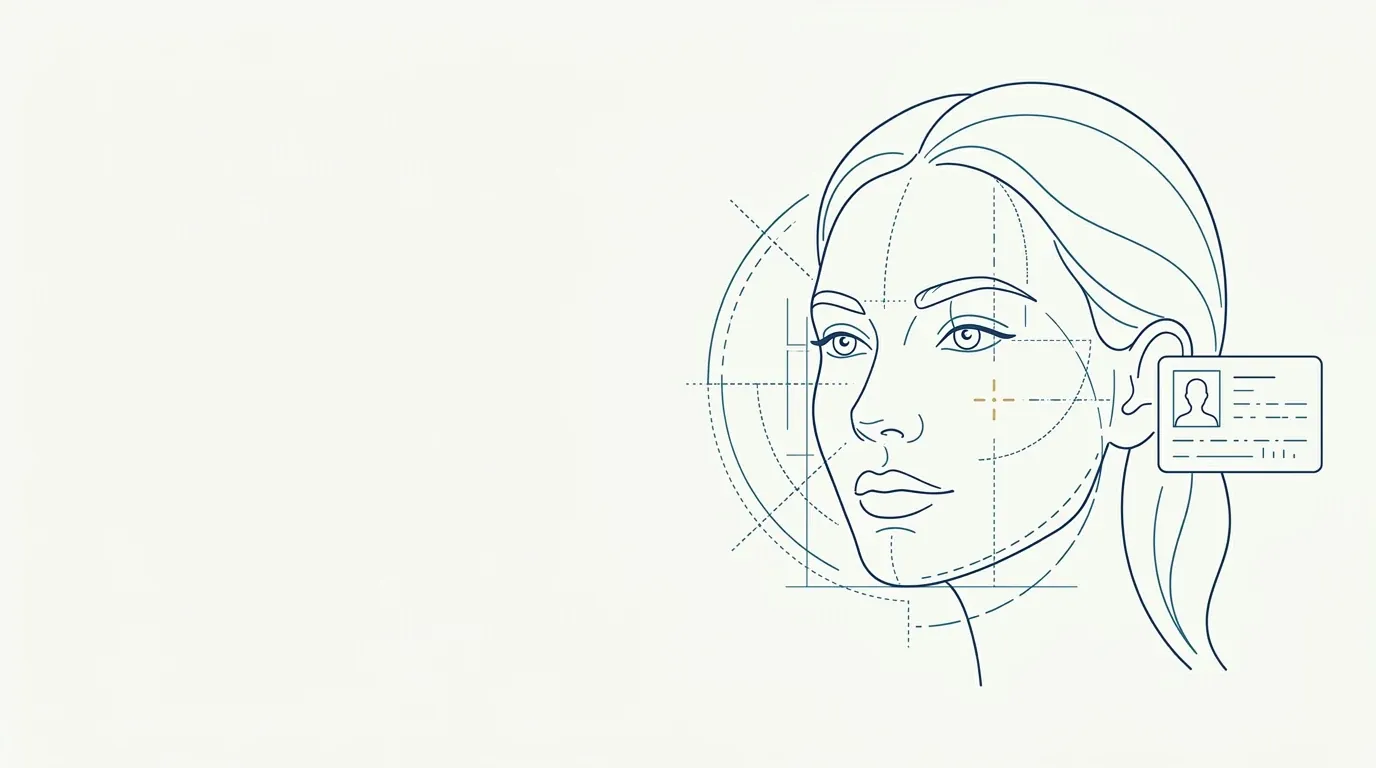 Ethics of result simulation in facial harmonizationEthical limits for showing a simulation to the patient in HOF: honesty, consent, privacy, advertising and when it is better not to show it.
 Exit Plan: Stopping Facial Harmonization SafelyHow to plan an exit from harmonization: scaling down gradually, what happens without maintenance, when to use hyaluronidase and how to record the decision.
 Expressionless face: how the plan avoids the effectBalancing toxin and volume to preserve expression: how to plan facial harmonization without freezing the face, with criteria, warning signs and tips.
 Face at rest vs in motion: what changes in the planStatic and dynamic findings change the indication: how to assess the face at rest and in motion and when to choose volume, toxin or both.
 Facial aesthetic assessment scales in a HOF treatment planWhat validated volume, wrinkle and lip scales are for in facial harmonization, how to standardize your plan with them, and how to stop a score becoming a goal.
 Facial Analysis After 60: Realistic Goals in the PlanHow to analyze the face after 60 in facial harmonization: expectations, limits of volume, areas with the most visual return, and when to do less or refer.
 Facial analysis at 20: what to assess and prioritizeFacial analysis for a patient in their 20s in HOF: what to assess in proportion and contour, what not to treat, and how to align expectations and ethics.
 Facial analysis at 30: early signs and preventionFacial analysis at 30 in HOF: subtle volume loss, dynamic lines that turn static, and how to prioritize the plan without overdoing prevention.
 Facial analysis at 40: volume, folds and contourFacial analysis at 40 in HOF: the start of fat compartment descent, folds and contour, and the order of priority for planning without an artificial look.
 Facial Analysis at 50: Support and Skin QualityHow to analyze the face at 50 in facial harmonization: when volume is not enough, what calls for support, collagen stimulation and skin quality, and plan order.
 Facial Analysis in Facial Harmonization: Step by StepSequence of facial analysis steps in facial harmonization, from medical history and photos to the plan, what to record at each step and where Harmy fits.
 Facial Bone Resorption and Its Effect on Treatment PlanningWhy facial bone loses volume with age, where it shows first, and how resorption changes the facial harmonization plan and how you forecast its evolution.
 Facial contour definition planHow to plan facial contour definition: sequence between chin, jawline and cheekbone, usual volumes, what to avoid and how to check it in the simulation.
 Facial harmonization plan after age 60: prioritiesHow to plan facial harmonization for patients over 60: priorities of support, skin quality and safety, restrained volumes and realistic expectations.
 Facial harmonization plan and mental health: signs to watchSigns of compulsive pursuit of change and distress about appearance that a harmonization professional should watch for, when to pause the plan and how to refer.
 Facial harmonization plan during and after orthodonticsHow orthodontics changes the profile and what it means for a facial harmonization plan: when to wait, what to reassess and how to work with the orthodontist.
 Facial Harmonization Plan for a Tired Face: Support FirstPlan for a tired or sagging face: why to restore support before filling folds, which areas to sequence and how to avoid a heavy-looking result.
 Facial harmonization plan for an event with a set dateBackward timeline in weeks for facial harmonization before an event: when to treat, what to avoid in the final week and how not to promise results for the date.
 Facial harmonization plan for brides: timeline and cautionsHarmonization plan for brides: timeline in months, a trial treatment, swelling time, the photo shoot and the rule of nothing new in the final week.
 Facial Harmonization Plan for Patients From Another City or StateHow to organize a facial harmonization plan for patients far from the clinic: concentrating sessions, remote follow-up, and who handles a complication.
 Facial harmonization plan for patients planning a pregnancyHow to organize facial harmonization stages before a planned pregnancy: what to bring forward, what to pause, communication care and the obstetrician's role.
 Facial Harmonization Plan for Patients With Low Facial FatHow to plan facial harmonization in a face with little fat: what filler can do, where it falls short, volume limits, and the role of a biostimulator.
 Facial harmonization plan for people on camera or videoHow to plan facial harmonization for people who work on camera: reading in motion, lighting and angles, what the lens exaggerates and natural-looking care.
 Facial Harmonization Plan for Trans Men: Areas and StagesHow to plan facial harmonization for trans men focused on facial masculinization: contour, chin, jaw, respectful listening, and stages.
 Facial Harmonization Plan for Trans Women: Areas and StagesHow to build a facial harmonization plan for trans women: decision order, expectations, hormone therapy timing, and the areas most often discussed.
 Facial Harmonization Plan in Menopause: What ChangesWhat changes in the face during menopause and how to adapt the facial harmonization plan: volume loss, skin quality, priorities, and pacing.
 Facial harmonization plan with dental lenses and veneersHow to plan harmonization for dental contact lenses or veneers: order between teeth and lips, smile adjustment, lip support and coordination with the dentist.
 Facial Identity: How to Preserve the Face in the PlanWhich elements define a face's identity, how to identify them at assessment and how to protect those features when planning volumes and areas in HOF.
 Facial map of the HOF plan: how to draw and label itA convention for drawing the facial map of the harmonization plan: areas, ml, legend, and colors, so that any professional in the clinic reads the same plan.
 Facial Midline Deviation: How It Fits a Facial Harmony PlanWhen midline deviation comes from the skeleton, the teeth or the photo, and how it changes the treatment plan, the simulation and the talk with the patient.
 Facial Planning and Ancestry Without StereotypesWhy there is no single measure of beauty, and how to plan facial harmonization that respects the patient's ancestry, using their own face as the reference.
 Facial Proportions Vary Between PopulationsNose, lips, cheekbones and profile vary between populations. How to avoid a single standard in the facial harmonization plan and respect identity and ancestry.
 Facial Rejuvenation Plan in Harmonization: Areas and OrderHow to structure a facial rejuvenation plan by layers: skin, support, volume, contour and expression, with a decision order and precautions.
 Facial treatment plan form: essential fieldsEssential fields of a facial treatment plan form in HOF, with a fictional filled-in example, to record the goal, areas, volumes and follow-up.
 Female vs. Male Face Differences in Treatment PlanningTraits that set the female face apart from the male one and how to respect them in a facial harmonization plan, without losing identity or imposing a standard.
 Filter face: how to handle unrealistic referencesHow to separate what facial harmonization can deliver from what only a social media filter shows: questions, sample conversations and honest use of simulation.
 Findings the patient did not ask about: how they enter the planWhat to do when you see something on the face the patient did not ask about: criteria for adding it to the plan or only recording it, and how to raise it.
 Forehead and hairline in the facial analysis for the planHow to assess forehead height and hairline in the upper third, and what limits or changes the facial harmonization plan in this area before you plan.
 Frontal Facial Analysis: Checklist of What to ObserveFrontal facial analysis checklist for facial harmonization: thirds, fifths, midline, gaze, mouth and contour in reading order, with common photo mistakes.
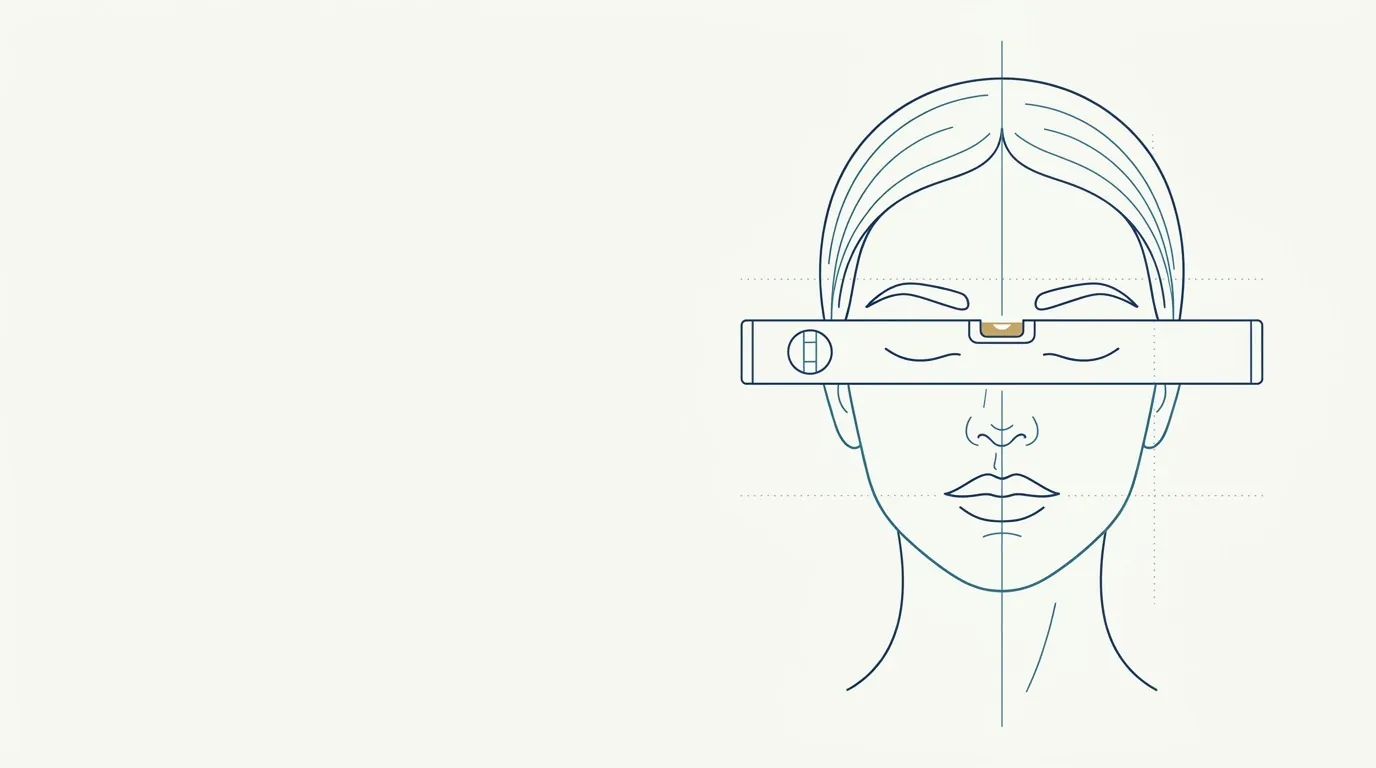 Gaze Tilt and the Lateral Canthus in Treatment PlanningCanthal axis, lateral canthal tilt and what injectables can and cannot change when planning the eyes in HOF, with limits and precautions.
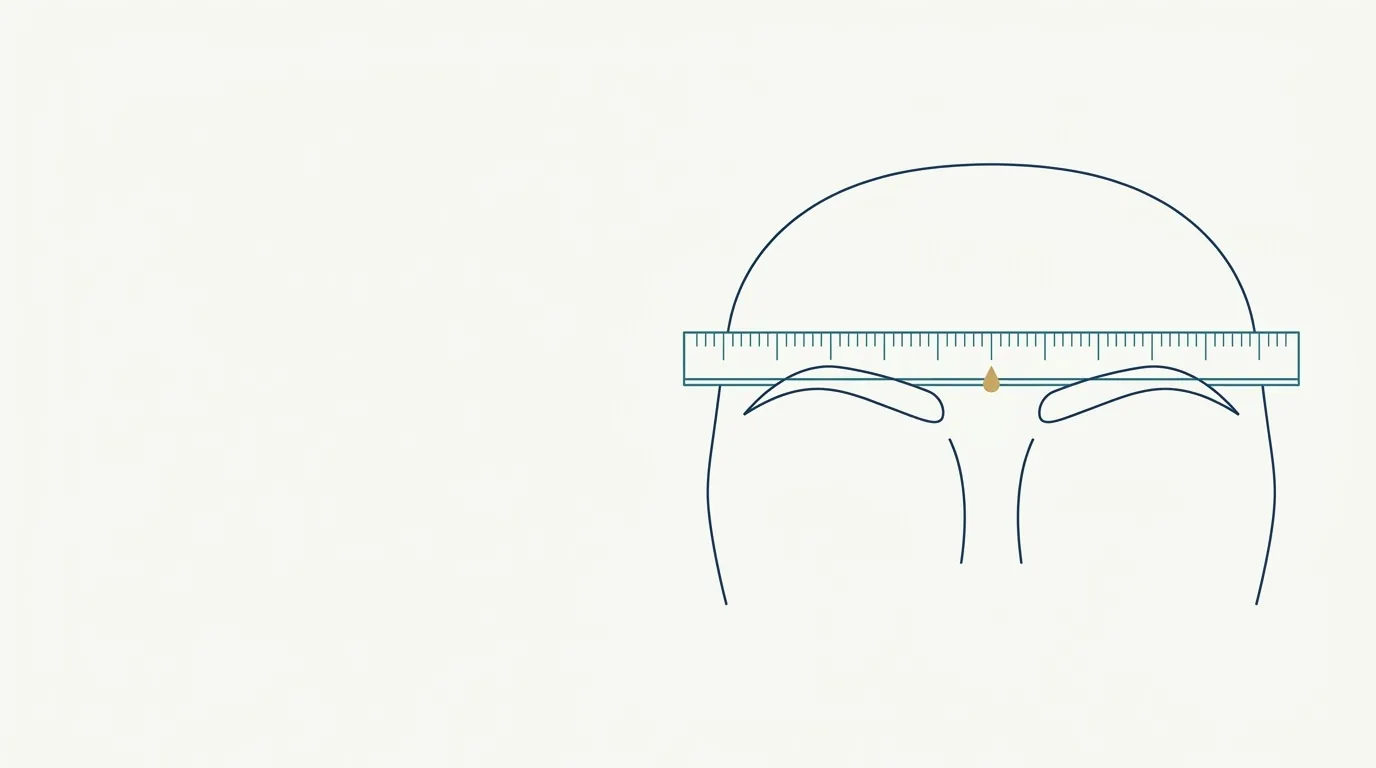 Glabella and Forehead: Combining in the Upper Third PlanWhy the glabella and forehead should be planned together in the upper third: antagonist muscles, brow position and the balance of how the eyes read.
 Gradually Reducing Volume in the Facial Harmonization PlanWhen and how to progressively reduce ml in the facial harmonization plan: spacing out touch-ups, letting product metabolize and explaining it to the patient.
 Habits That Change the HOF Plan: Sun, Smoking and SleepHow sun, smoking, sleep, alcohol and diet affect skin, healing and durability, and how to adjust the goals and the facial harmonization plan to those habits.
 Hair, Earrings and Glasses in the Assessment PhotoHow hair, earrings and glasses distort the reading of forehead, temple and jawline in the harmonization assessment photo, and what to adjust before shooting.
 Handing Off a Plan Between Professionals in the Same ClinicThe minimum information another professional needs to continue a harmonization plan: history, photos, decisions, volumes, risks and what the patient knows.
 Harmonization plan for an anxious or needle-fearing patientHow to plan facial harmonization for an anxious patient or one afraid of needles: split into stages, order from least to most uncomfortable, respect their pace.
 Hinderer's lines in malar assessmentOrigin, practical use, and limits of Hinderer's lines for locating malar projection, as a reading guide in a harmonization plan and not as a rule.
 How Facial Harmonization Results Age Over TimeHow the result of a facial harmonization procedure changes over time, what affects durability and how to align expectations and maintenance with the patient.
 How many areas to treat per day in the facial harmonization planSession length, patient tolerance, swelling and safety as the limits on the number of areas per session in an orofacial harmonization plan.
 How to Compare the Projection and the Actual Result in HOFObjective criteria for comparing the Harmy projection with the photo of the actual result: alignment, timing, swelling, light and what the difference means.
 How to explain that a simulation is not a guaranteeReady-made phrases, conversation order and disclaimer materials to explain to HOF patients that a simulation is an illustration and not a promise of results.
 How to Measure Facial Symmetry on the Patient's PhotoAn axis and point-pair method to assess facial symmetry on the frontal photo, with the image's margin of error and what to do with each finding in the plan.
 How to Organize Projections by Patient in HarmyNaming, dating and archiving simulations by patient: how to keep your history organized, avoid mix-ups between versions and protect the photos.
 Ideal Chin Projection by Sex in Treatment PlanningPogonion projection references by sex, profile assessment lines and the individual variations that chin planning must respect.
 Ideal eyebrow position and the facial harmonization planEyebrow shape, height and arch by sex, how position changes the look, and when it enters orofacial harmonization planning.
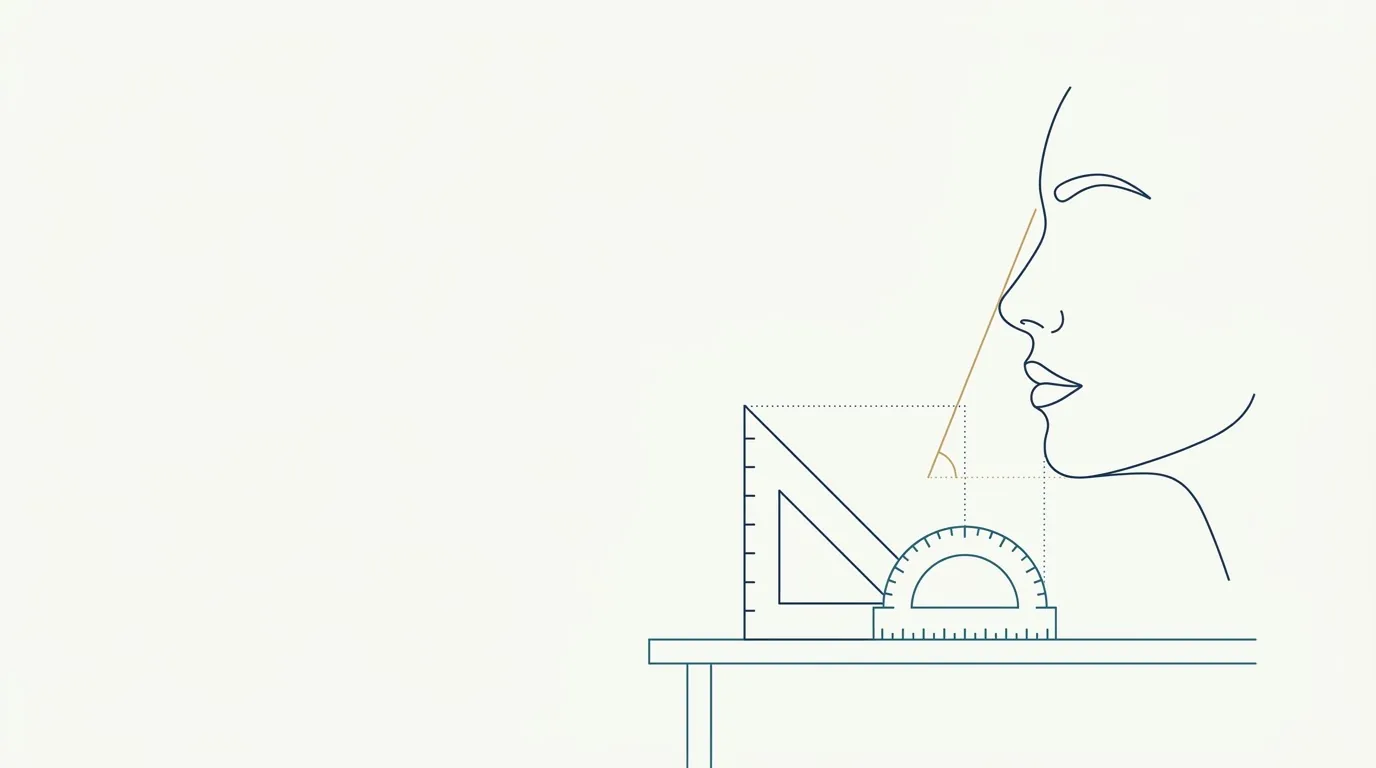 Ideal Jaw Angle by Sex in Treatment PlanningHow to read the jaw angle in women and men in a facial harmonization plan: reference ranges, the limits of measurements and what changes in the contour.
 Ideal Malar Projection: How to Set the Goal in the PlanReference points for deciding how much and where to project the cheekbone: Hinderer lines, vectors, face type and the limits of volume in facial harmonization.
 Intercanthal Distance and Eye Width in Facial AnalysisHow to read the central fifth of the face, intercanthal distance and eye width, and when that reading affects the tear trough, glabella and the HOF plan.
 Interval Between Sessions in the HOF PlanReassessment windows between HOF sessions by procedure type, what changes the wait and how to set the interval in the plan, without an application protocol.
 Is There a Single Ideal of Facial Beauty?Cultural variation, the golden ratio, average faces and individual preference: what is known about a facial ideal and how it changes the HOF plan.
 Jaw and masseter: filling and relaxing in the same planOpposite contours on one face: how to decide between defining the jaw and reducing the masseter, in what order and within what limits, with no promised results.
 Lighting for the Facial Planning PhotoHow light position and quality distort volumes, folds and shadows in the HOF planning photo, and how to set up standardized, repeatable lighting.
 Limits of 2D Simulation in Facial HarmonizationWhat a 2D image does not represent in HOF: depth, profile, movement, texture, time and individual response, and how to explain it to the patient honestly.
 Linking the Plan and the Quote in HOFHow each area of the HOF plan becomes a quote line, with ml, price per ml, discount and validity, without losing clinical coherence or transparency.
 Lips and Chin: Balancing the Lower ProfileHow the relative projection of the lower lip and chin shapes the profile, and why planning lips and chin together avoids lower third imbalance in HOF.
 Lips and Mouth Corners: Why to Combine Them in the PlanHow a downturned mouth corner changes the way the lip looks, why lips and corners should be planned together in HOF and what to watch for in the perioral area.
 Lower third larger than the middle third: how to planWhat to do when the lower third looks larger than the middle: how to confirm it, which areas weigh on the reading and when harmonization is not the answer.
 Maintenance after five years of HOF: a global reassessmentPatient with five or more years of harmonization: how to reassess the whole face, review what has accumulated, decide what to keep or stop, and record the plan.
 Maintenance of toxin, filler, and biostimulator through the yearHow to align three facial harmonization cycles in one annual calendar: what lasts longer or shorter, what order to reassess in, and how to avoid extra sessions.
 Makeup and beards in the facial planning photoHow makeup, foundation, beards and facial hair hide folds, under-eye hollows and contour in the planning photo, and what to ask the patient before shooting.
 Maxillary Projection and the Midface in Profile: AssessmentHow to read the maxilla as the base of the midface, nose and upper lip in profile, and when maxillary projection changes the facial harmonization plan.
 Midface Disproportion From Excess Volume in the PlanHow to recognize excess volume in the midface, tell it apart from swelling and bone disproportion, and reassess the plan before adding more product.
 Midface Fat Compartments in the Facial Harmonization PlanHow reading the superficial and deep fat compartments of the midface helps you choose the area and avoid treating the symptom instead of the cause.
 Minimum noticeable volume in the face: what shows by areaThe smallest volume patients usually notice in each facial area, why it varies and how to use the perception threshold to plan ml in HOF.
 Minimum Viable Plan in Facial Harmonization: 1 or 2 Areas?When a single area solves the concern in facial harmonization, how to justify a minimum plan to the patient, choose the area and record the decision.
 Mirror, selfie and photo: why patients see themselves differentlyMirror reversal and lens distortion explain why a patient sees themselves differently in each image, and how to use that in the HOF consultation and plan.
 ml per area: ranges used in visual planningHarmy's 0.5 to 5 ml per area range in visual planning: how to choose, why ml is not a prescription and when to reduce it to avoid overdoing it.
 Mouth Corners, Marionette Lines and Chin in the HOF PlanHow to read the vertical chain of lower-third folds (mouth corners, marionette lines and chin) and decide what to treat, in what order and with how much volume.
 Nasolabial fold and cheekbone: treat together or separatelyWhen lifting the cheekbone already improves the nasolabial fold and when the fold needs its own treatment, with decision criteria, risks and simulation use.
 Natural-effect plan: how to define the goalHow to turn a request for a natural look into objective goals in a harmonization plan: observable criteria, restrained volumes, Subtle simulation, conversation.
 Neck and Chest in the Facial Plan: When to Include ThemHow to decide when to include the neck and chest in a facial harmonization plan, avoid a youthful face over an aging neck and keep the whole look coherent.
 Neoclassical Facial Canons: What Still Holds in PlanningOrigin, usefulness and limits of the neoclassical facial canons as a planning guide in harmonization, and how to use proportions without a rigid formula.
 Neutral expression in the planning photo: why it mattersHow small contractions change the thirds, lines and reading of areas in the HOF planning photo, and how to standardize a neutral expression.
 New Asymmetry During the Plan: How to InvestigateAsymmetry appeared midway through a harmonization plan? Possible causes, how to compare with the baseline photo, what to investigate and how to proceed.
 Nose and chin: profile balance in HOF planningThe chin can redefine how the nose is perceived in profile. See how to assess both together in HOF, the order of decision and what Harmy simulates.
 Nose and upper lip: the nasolabial angle in the HOF planThe nasolabial angle links the nasal tip and the upper lip. See how to assess both together in HOF, the risks of the area and what Harmy does not simulate.
 Observable goals in the HOF plan without promising resultsHow to write HOF plan goals in observable terms, such as symmetry of the gaze or contour definition, without promising results and with a review criterion.
 Old Patient Photos as a Reference in the HOF PlanHow to use old patient photos to understand what changed in the face, define the identity to preserve and avoid trying to recreate a face that no longer exists.
 Patient Approval of the Treatment Plan: How to Formalize ItHow to record acceptance of a facial harmonization plan: what approval must contain, ways to document it, its link to consent and the quote, and plan changes.
 Patient timeline in HOF: how to organize itHow to organize a facial harmonization patient's events, photos, plans, and follow-ups chronologically to track progress and pick the case back up.
 Percentage Split of Volume Across the Plan's AreasA model for splitting the plan's total volume into a percentage per area, how to use it to think about proportion, and when it stops making sense.
 Perfect symmetry is not the goal of treatment planningNatural asymmetry, tolerance and when correction is worth it: how to use symmetry as a criterion in a facial harmonization plan without chasing an ideal.
 Photo Alignment Errors in Before/After ComparisonsDistance, angle, tilt and expression that skew before/after photo comparisons in facial harmonization, plus a step-by-step method to align them properly.
 Photo Documentation by Stage of the Facial Harmonization PlanA photo standard for each session of a staged facial harmonization plan: when to shoot, which angles to keep and how to name files so you can compare reliably.
 Pillow Face: How Planning Prevents the EffectPillow face is a full, artificial-looking face caused by excess volume. Signs in the midface, how to limit ml per area and prevent the effect in the plan.
 Plan completion rate: a clinic indicatorHow to measure how much of a proposed plan is actually carried out, what the rate reveals about acceptance and trust, and how to use it without pressure.
 Plan for a first time in facial harmonization: few areasHow to plan a first facial harmonization procedure: choose few areas, use low volume, watch the response, explain the risks and arrange the follow-up.
 Plan for a harmonious smile: lips, corners and cheekboneHow to plan a harmonious smile: lips, mouth corners, cheekbone, buccal corridor and teeth, with a decision order and the limits of the simulation.
 Plan for a rested look: tear trough, cheekbone and browHow to plan a more rested look: order between cheekbone, tear trough, temple and brow, the risks of the area and what the simulation does and does not show.
 Plan for a wide face: what changes in the strategyPlanning a wide face: control lateral volume, focus on the center, assess the masseter and skin, and simulate without promising a slimmer face.
 Plan for an asymmetric face: what to correct and what to acceptCriteria to decide which facial asymmetries to treat, which to accept, how to measure and document them, and how to simulate without promising symmetry.
 Plan to balance the profile: nose, lips and chinDecision map to balance the profile: order between nose, lips and chin, reference lines, the limits of injectables and what the simulation does not show.
 Plan to Correct Previous Filler ExcessHow to plan the correction of filler excess done before: reassessment, product identification, use of hyaluronidase, waiting time and a new plan.
 Plan to masculinize the face: areas and proportionsHow to plan facial masculinization: straighter contours, chin, jaw and brow, with proportions, limits and care not to overdo it.
 Plan to project the chin: how much and with whatHow to plan chin projection: assessment criteria, volume ranges, the relationship with lips and nose, risks and what the simulation shows from the front.
 Plan to Slim the Face: What Actually Slims ItWhat slims the face in harmonization: contour, cheekbone and double chin, why volume alone does not slim, the masseter's role and how to talk without myths.
 Planned ml vs ml used: how to record the differenceHow to record the difference between planned ml and ml used in HOF, what it teaches about the plan and how to avoid billing or patient record errors.
 Planning Consultation Checklist for Facial Harmonization (HOF)Chronological list for the HOF planning consultation: from reception to close, with a tickable checklist, a timeline and what to record at each step.
 Planning Facial Harmonization for a Heart-Shaped FaceHow to plan facial harmonization for a heart-shaped face: balancing a wide forehead and a narrow chin, where to act, what to avoid and how to validate the plan.
 Planning Facial Harmonization for a Long Face: Areas and LimitsHow to plan facial harmonization for a long face: what to avoid so as not to lengthen it more, where to balance width and how to use the simulation critically.
 Planning Facial Harmonization for a Round Face: Areas and LimitsHow to plan facial harmonization for a round face: definition and projection, areas to consider, what to avoid to prevent lateral volume, and how to simulate.
 Planning Facial Harmonization for a Triangular Face and Wide JawHow to plan facial harmonization for a triangular face with a wide base: softening the jaw, enhancing the midface, when to consider the masseter, what to avoid.
 Planning Facial Harmonization for an Oval Face: Keep vs AdjustThe oval face is seen as the proportion reference, yet it is the biggest trap for overtreating. See what to keep, when to adjust and how to plan with restraint.
 Planning Facial Harmonization for Rapid Weight LossHow to adjust the facial harmonization plan for patients who lose weight fast or take weight-loss medication: assess, wait for stabilization and avoid excess.
 Planning ml in Multiples of a Sealed SyringeHow to round a facial harmonization plan to sealed syringes without inflating volume: leftovers, waste, quotes, ethics and what to do with unused ml.
 Presenting the Treated Area with the MagnifierWhen enlarging the treated area helps explain the projection and when the magnifier exaggerates the effect. Step by step in Harmy, with ready phrases.
 Prevention Plan Between Ages 25 and 35: When It Makes SenseHow to think about prevention in facial harmonization at ages 25 to 35: when it makes sense, when it does not, what to assess and how to talk without urgency.
 Printed vs. on-screen simulation: which to use in the visitPros and limits of showing a facial harmonization simulation printed or on a phone screen: readability, control, privacy, notice and when each format fits.
 Prioritizing by Anatomical Risk in a Facial Harmony PlanWhich facial areas call for extra caution, how anatomical risk shapes the schedule of a facial harmonization plan, and how to explain that order to the patient.
 Prioritizing by the patient's budget in the planHow to build the essentials within the patient's financial limit without losing the coherence of the plan, with criteria, session order and a per-ml quote.
 Prioritizing by visual impact in the facial harmonization planHow to rank the areas of the plan by perceived gain, separating what changes how the face reads from mere detail, and how to discuss the order with the patient.
 Profile Facial Analysis: What to Assess and MeasureProfile facial analysis checklist for facial harmonization: forehead, nose, lips, chin and jawline, with angles, reference lines and common reading mistakes.
 Ptosis or Volume Loss: Which to Treat First in the PlanHow to tell ptosis from volume loss in the face and decide whether to replace, support or combine strategies in the plan, with clinical signs and limits.
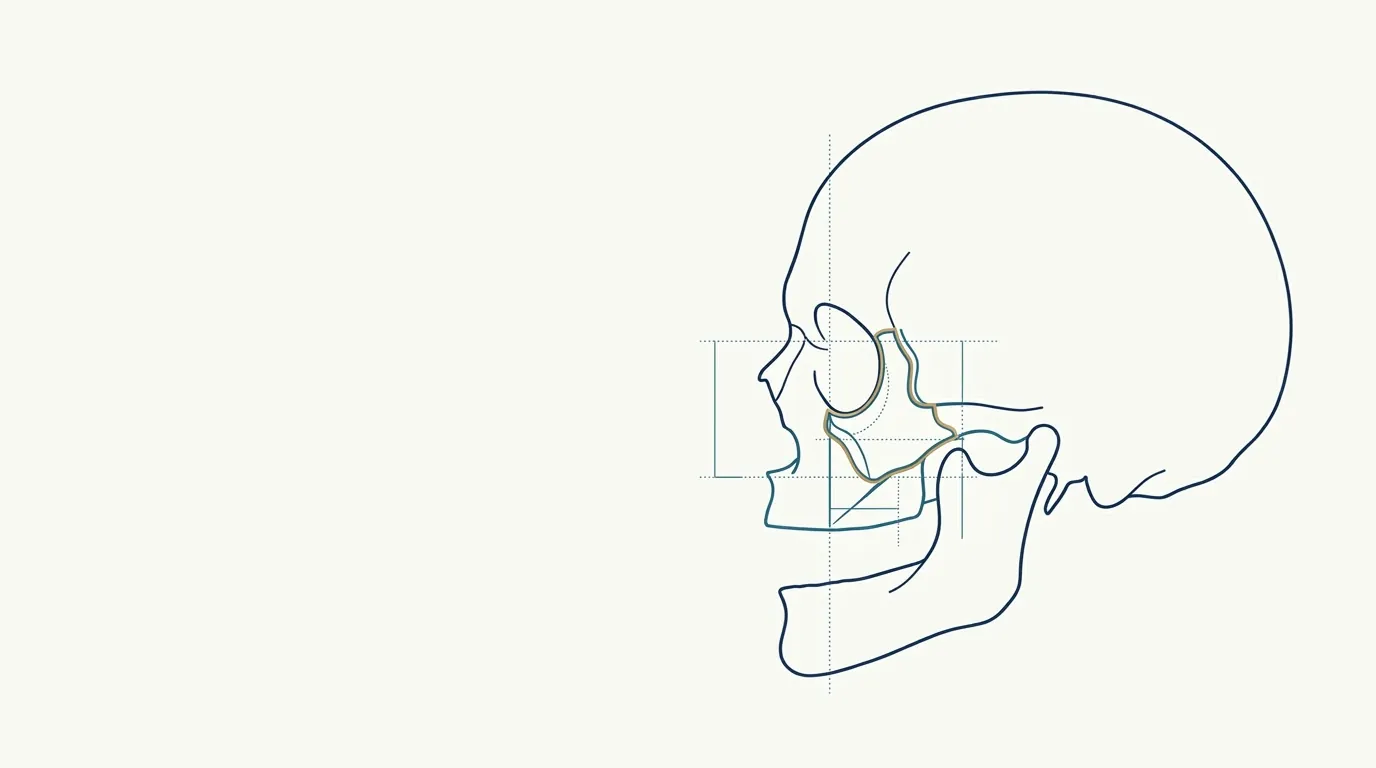 Reassessment at 3, 6 and 12 Months in Facial HarmonizationA reassessment roadmap for the facial harmonization plan at 3, 6 and 12 months: what changed, which photos to take and how to decide on upkeep or adjustment.
 Recording Deviations from the Plan During the SessionHow to note, at the moment of injection, any change from the plan: what to record, how to justify it and how to use it in the reassessment.
 Recording the Simulation in the Patient RecordWhat to attach to the patient record and how to describe a facial harmonization simulation: image, parameters, notice, consent and what not to promise.
 Reference lines on the frontal photo: which to drawWhich horizontal and vertical lines to draw on a harmonization patient's frontal photo, what each one answers, and how to avoid misreading a poor photo.
 Replanning After the First Session: When and HowCriteria for adjusting the facial harmonization plan after the first session: what to reassess, on what timeline, when to add more and when to change course.
 Replanning the face after a complication in harmonizationCriteria for safely resuming a facial harmonization plan after a complication: clinical priority, timing, communication and renewed informed consent.
 Replanning the face after hyaluronidase: what to reassessHow to resume a facial harmonization plan after hyaluronidase: what to reassess, when to rebuild volume and how to talk with the patient.
 Respecting a patient's ancestral traits in a harmonization planHow to preserve the family and cultural identity of the face when planning facial harmonization: questions, limits, references and avoiding a standardized face.
 Reviewing the harmonization plan after weight gainHow weight gain changes volume, contour and how the face reads, and how to review a facial harmonization plan: what to reassess, pause and discuss.
 Risks of a facial harmonization plan that is too longOverlong facial harmonization plans cause goal drift, volume build-up and patient fatigue. Learn to spot the signs and shorten the plan safely.
 Saving Simulation Versions at Each Follow-UpHow to organize simulation versions by date and by plan at each HOF follow-up, so you can compare, justify changes and keep the patient history in order.
 Second Opinion on a HOF Plan: How to Compare Two PlansCriteria for comparing two HOF plans for the same face: concerns, areas, order, volume, risks and cost, without discrediting the colleague or the patient.
 Session Progress Log in Facial Harmonization Planning: TemplateA template for session-by-session progress notes in facial harmonization, with comparable fields: concern, ml per area, photos, complications and next steps.
 Short or long upper third of the face: how to planHow forehead height and hairline define the upper third, what facial harmonization can and cannot do in these cases, and how to talk with the patient.
 Showing the simulation to the patient on a phone or tabletScreen size, brightness and zoom change how the patient perceives the simulation. See how to show Before and After honestly, on a phone or a larger screen.
 Simulation and informed consent: what to includeClauses on using the simulated image in a facial harmonization consent form: purpose, limits, data, publication and what not to promise.
 Simulation in a patient with marked asymmetryReading and expectation cautions when simulating facial harmonization on a face with marked asymmetry: what the image shows, hides and how to lead the talk.
 Simulation on dark skin: lighting and reading the photoLighting, exposure and volume-reading cautions for high phototypes when photographing and simulating facial harmonization: errors, checklist and patient talk.
 Simulation to calibrate expectations, not to sellConsultative use of simulation in facial harmonization: how the image helps patients grasp limits and choose realistically, without becoming a pressure tool.
 Simulation with more than one scenario in the same visitHow to build and compare two or three volume options in a facial harmonization consultation with Harmy: criteria, option limit, presentation and record keeping.
 Skincare in the facial harmonization plan: what helps and hurtsHow to fit sunscreen, retinoid, acids and moisturizer into a harmonization plan: what supports the result, what gets in the way and when to advise the patient.
 Smile analysis in HOF: what to assess before planningSmile features that change the harmonization plan: tooth display, smile arc, buccal corridor, mouth corners and lips, and what to record before lips and toxin.
 Smile Arc and the Curve of the Lower LipHow to assess the parallelism between the incisal edge and the lower lip, what lip filler can influence and what depends on the teeth, in a harmonization plan.
 Smiling or Neutral Photo in Facial PlanningWhen to photograph the patient smiling and when not, what each photo measures in HOF and how to use both in the plan for lips, mouth corners, folds and midface.
 Structure before detail: the layered logic of a HOF planA layered plan: support, volume, fine lines and surface. How to order treatment so you address causes before symptoms and use less product.
 Swelling Gets in the Way of Comparing Results: What to DoHow swelling changes measurements and volume readings after a facial harmonization procedure, when to take photos and how to explain a result still evolving.
 Tear Trough and Nasolabial Fold: Treat Together or Not?The tear trough and nasolabial fold form a transition line between eye and mouth. When to plan them together, the vascular risks and how to simulate in Harmy.
 Temples and cheekbone: continuity of the lateral face in the planHow to plan temples and cheekbone together, from the temporal fossa to the zygomatic arch, the C contour, vascular risks and simulating the transition in Harmy.
 Temples and eyebrow: effect on the gaze in the planHow a concave temple pulls on the lateral third of the eyebrow, what that changes in the plan, the role of toxin and the safety precautions in the area.
 The Domino Effect Between Facial Areas in Treatment PlanningHow treating one area changes how neighboring areas read, and how to use the domino effect to plan in stages, reassess and avoid adding unneeded volume.
 The Plan in the PDF Quote: What to Show the PatientWhat goes into the patient version of the plan in the PDF quote and what stays only in the patient record: areas, ml, validity, risks, images and notices.
 The simulation does not show movement: how to compensateThe 2D simulation shows a still face. See the questions, authorized short videos and expressions that make up for this limit and align expectations.
 Thin face vs full face: differences in planningHow the amount of facial fat flips volume and contour priorities in a facial harmonization plan: what to assess in a thin face and in a full face.
 Thin or thick skin: how it changes the HOF treatment planHow skin thickness affects translucency, area choice, volume and intensity in a HOF treatment plan, and how to assess the skin before deciding.
 Threads and Filler: Sequencing in the Treatment PlanLift before filling? How the order of PDO threads and filler changes how results read and how much volume the facial harmonization plan needs.
 Three-Quarter Facial Analysis: What the View RevealsWhat the three-quarter view shows in facial analysis: cheekbone projection, ogee curve, contour transition and folds, and how to photograph and read it.
 Three-Session Facial Harmonization Plan: How to Split ItHow to structure a facial harmonization plan in three sessions with foundation, refinement, and maintenance: what goes in each, intervals, and reassessments.
 Three-Year Facial Harmonization Plan: A Long-Term ViewHow to think through a three-year facial harmonization plan: split investment and stages, plan maintenance, and revise without promising results.
 Total volume in full face: reference ranges by planHow to think about the approximate distribution of ml across areas in full face plans, why the total is not a target and when to split into stages.
 Total volume per HOF session: reference rangesHow to think about the total volume of an HOF session in conversation ranges, with no protocol, respecting the exam, the risk and reassessment between stages.
 Toxin or filler first: which order to follow in the planArguments for starting with toxin or with filler depending on the cause of the concern, with a decision table, risks, intervals and use of the Harmy simulation.
 Treat the nasolabial fold or its cause in the planNasolabial folds and marionette lines are often a result of lost support. Learn how to tell the cause, decide what to treat and avoid overfilling in the plan.
 Treating top to bottom or bottom to top in facial harmonizationArguments for each direction of treatment in facial harmonization, when each makes sense and how the patient and risk factor into the order of the plan.
 Treatment plan validity: expiry and re-evaluationWhy a facial harmonization plan needs an expiry date, what changes over time, when to re-evaluate and how to handle the price on an expired quote.
 Treatment plan versions: how to control changesHow to version the HOF plan with a date and reason, what to record at each change, how to avoid version mix-ups and how to store simulations by version.
 Two-Session Facial Harmonization Plan: How to Split ItHow to split a facial harmonization plan into two sessions: criteria for separating what to do now and later, interval, reassessment, and quote.
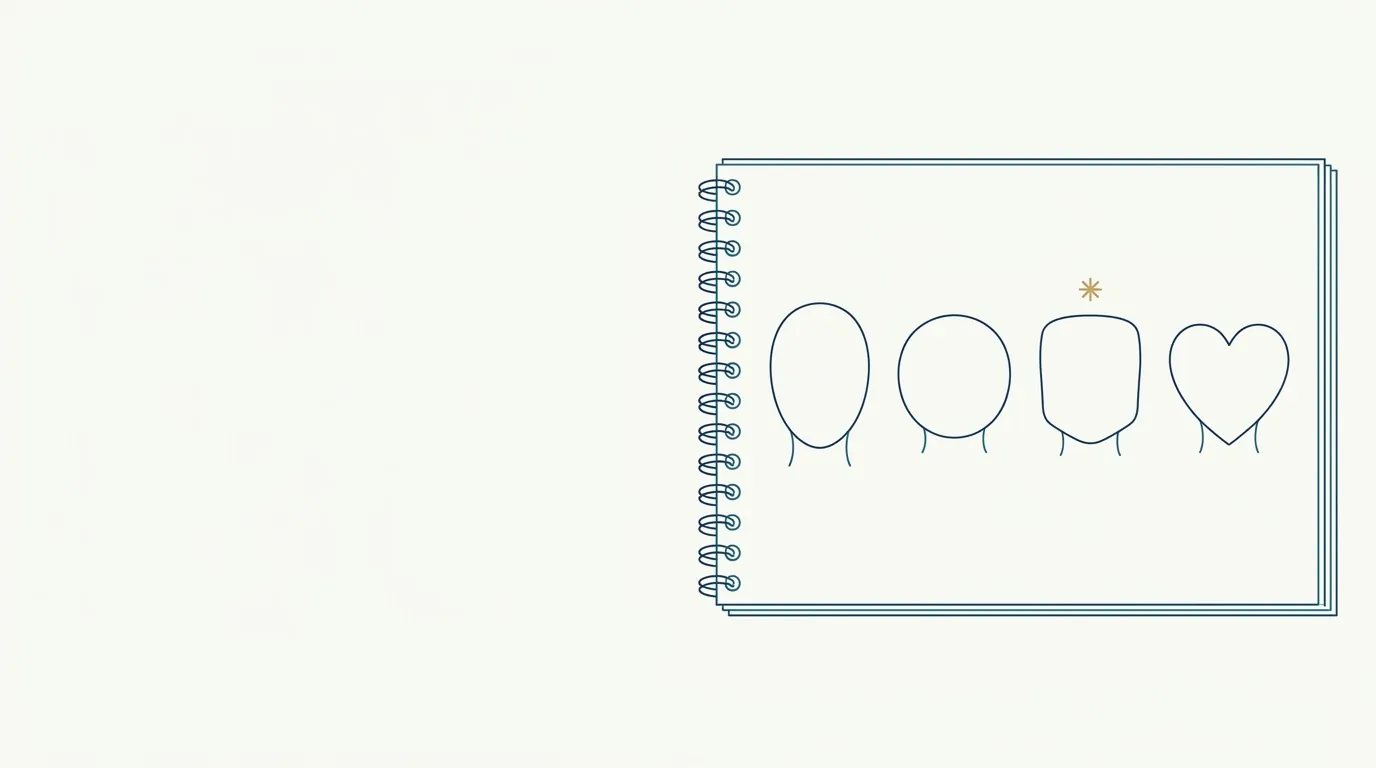 Volume by facial type in HOF planningHow facial type (lean, full, bony or mixed) changes the ml ranges in the HOF plan and why you should not copy another patient's volume.
 Volume by sex in HOF planningHow typical differences between female and male faces change the areas and ml in the HOF plan, without stereotypes and while respecting the patient's goal.
 What to Include in a Written Facial Harmonization Treatment PlanStructure of the written treatment plan given to the patient: concern, areas, ml, risks, alternatives and costs, without promising results.
 What to Reassess at the Follow-Up of a Harmonization PlanWhat to reassess at the plan follow-up: tissue response time, standardized photos, concern, symmetry, risks and the choice to add on, wait or stop.
 What to Treat First in Facial Harmonization: Priority CriteriaInstead of a fixed list of areas, criteria to decide what to treat first: concern, structure, risk, impact on the whole face and reversibility.
 When Simulation Helps in a Facial Harmonization PlanThe situations in which a simulation image truly improves decisions: communicating, comparing scenarios, aligning expectations and documenting choices.
 When the facial harmonization plan must change: review triggersWeight change, age, pregnancy, complications, medication and patient preference: the triggers that call for revising the facial harmonization plan, and how.
 When the plan's total volume becomes excess: objective signsObjective signs that a facial harmonization plan has gone too far: loss of proportion, a puffy look, a stiff expression and how to catch excess early.
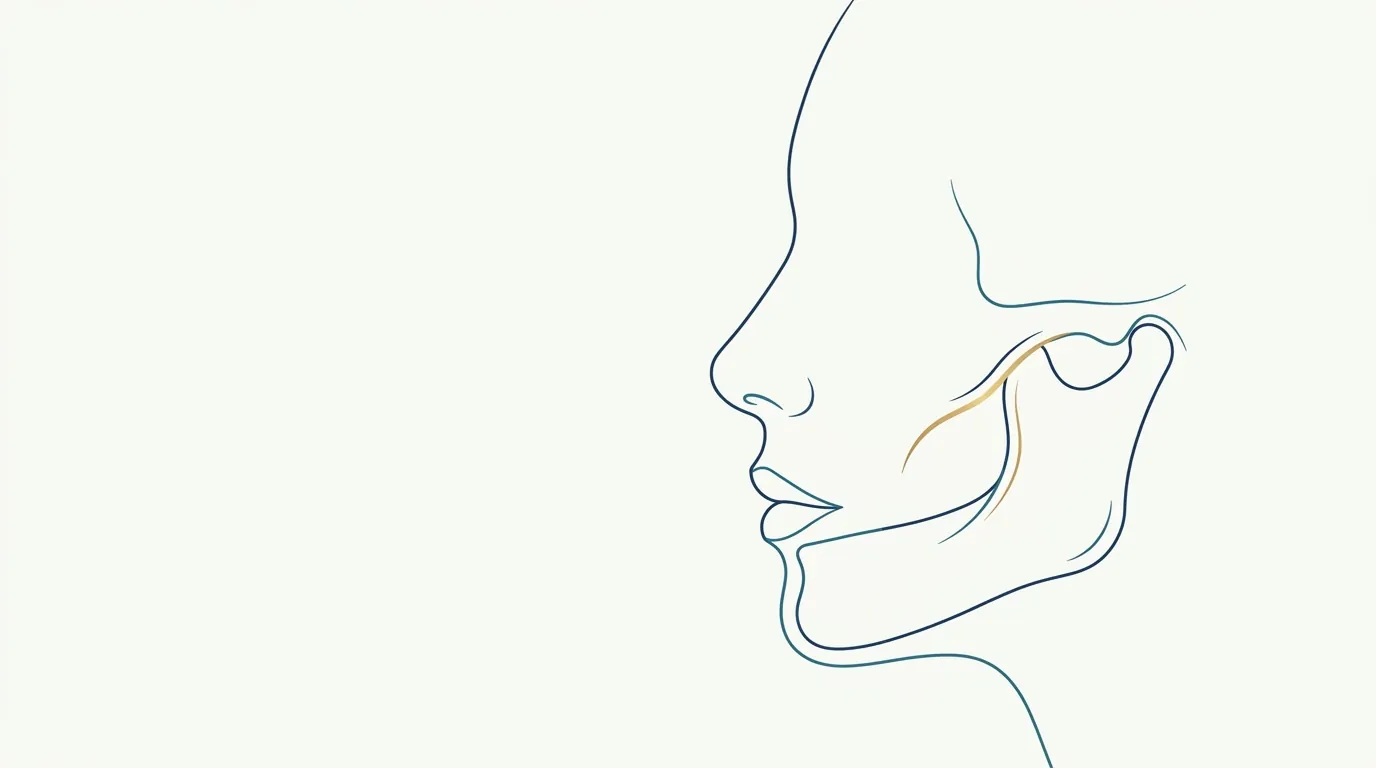 When the problem is the bone, not the volumeLimits of filler in the face of bone deficits, signs that the skeleton is the cause and when to refer the patient instead of adding more volume.
 When the simulation hurts the facial harmonization planHow a simulation can backfire in the plan: inflated expectations, dysmorphia, pressure to decide and false security. When not to show the image.
 When to photograph the result after the procedureSwelling window by procedure and the best time for the result photo, with a capture standard and how to record it to compare with the projection.
 When to say no to the aesthetic plan: indication criteriaClinical and ethical criteria to postpone, limit or decline a facial harmonization plan: contraindications, unrealistic expectations, dysmorphia, pressure.
 When to split the total volume into more than one sessionTissue, safety and outcome criteria for splitting a facial harmonization plan's total volume into sessions, and how to explain the split to the patient.
 Why a facial harmonization simulation should be subtleAnchoring, expectation and honesty: why a facial harmonization simulation should show discreet changes, and how to lead that conversation.
 Why the actual result differs from the simulationSwelling, tissue, product, technique and time: why the actual result differs from the simulation, and how to explain it to the patient.
 Zygomatic and lateral malar: the ogee curve in your HOF planHow to read the zygomatic and lateral malar areas in three-quarter view, the ogee curve and the smooth transition between points, with risks, stages and Harmy.