
When the facial harmonization plan must change: review triggers

Quick facts
- Principle
- The plan is a living document: events in the patient and the tissue call for review, not just the calendar
- Triggers
- Weight, age and menopause, pregnancy, complications, medications, a change in concern, a result different from expected
- Method
- Reassess, record the trigger, adjust areas and volumes and tell the patient in writing
- Caution
- Changing the plan is a clinical decision; the consent must follow the change
A harmonization plan written at one consultation describes the patient of that day. But patients change: they gain or lose weight, get pregnant, enter menopause, go through a complication, start a new medication, change their mind about what they want. A plan that does not keep up with these changes becomes a document faithful to a face that no longer exists.
This page lists the most common review triggers and a method for reviewing without improvising. It is planning, at a review level, and clinical decisions belong to the qualified professional.
Why does the plan need a formal review?
Because the plan's decisions depend on assumptions, and assumptions change. When weight changes, the volume assumption changes. When there is a pregnancy, the safety assumption changes. When there is a complication, the tolerance assumption changes. Reviewing the plan means checking whether the assumptions still hold.
Without a formal review, the plan turns into routine: the professional applies what was written, without noticing that the face is different. Good practice is to define, in the plan itself, which events trigger a review, as in versions of the treatment plan and validity of the treatment plan.
What are the most common triggers?
Weight change
Facial fat follows body weight. Significant losses hollow the face and deepen folds; gains can round the contour and change the need for volume. With rapid loss, the face changes at a pace the plan cannot keep up with. See plan revision after weight gain and planning facial harmonization for people who lose weight quickly.
Age and menopause
Tissue changes over time. Menopause brings changes in skin and support, and the plan should account for that, as in facial harmonization plan in menopause. At age milestones, review is natural: facial harmonization plan over 60 and aging of the facial harmonization result.
Pregnancy and breastfeeding
When there is a pregnancy or one is planned, the plan changes in nature: procedures are postponed and the conversation comes to include resuming afterward. See facial harmonization plan and planned pregnancy. The approach in each case is the professional's, per the applicable rules.
Complication
After persistent swelling, significant bruising, new asymmetry or any adverse event, the plan needs rethinking. Clinical management belongs to the qualified professional, and replanning appears in replanning after a complication and replanning after hyaluronidase.
Medications and health
Anticoagulants, cancer treatments, autoimmune diseases or changes in health alter risk and indication. The medical history should be updated at every follow-up, not only at the first consultation.
Outside procedures
Surgeries, orthodontics, dental veneers or other procedures change the anatomy. See facial harmonization plan after orthodontics and facial harmonization plan with veneers.
Change in concern or preference
The patient changes their mind. That is legitimate, and the plan should follow. See adjusting the plan based on patient feedback.
Result different from expected
When the result of the first stage differs from the plan, the second stage needs rethinking. See replanning after the first session.
| Trigger | What is usually reviewed |
|---|---|
| Weight variation | Volumes, contour and fold areas |
| Menopause and age | Support and stimulation strategy |
| Pregnancy | Pause, schedule and resumption |
| Complication | Areas, intervals and product |
| New medication | Indication, risk and preparation |
| Change in concern | Priorities and order of areas |
How do you review without improvising?
The review has a flow. Following it reduces the risk of impulsive decisions:
For what to reassess at each follow-up, see what to reassess at the plan follow-up and reassessment at 3, 6 and 12 months.
What changes in the quote and in the consent?
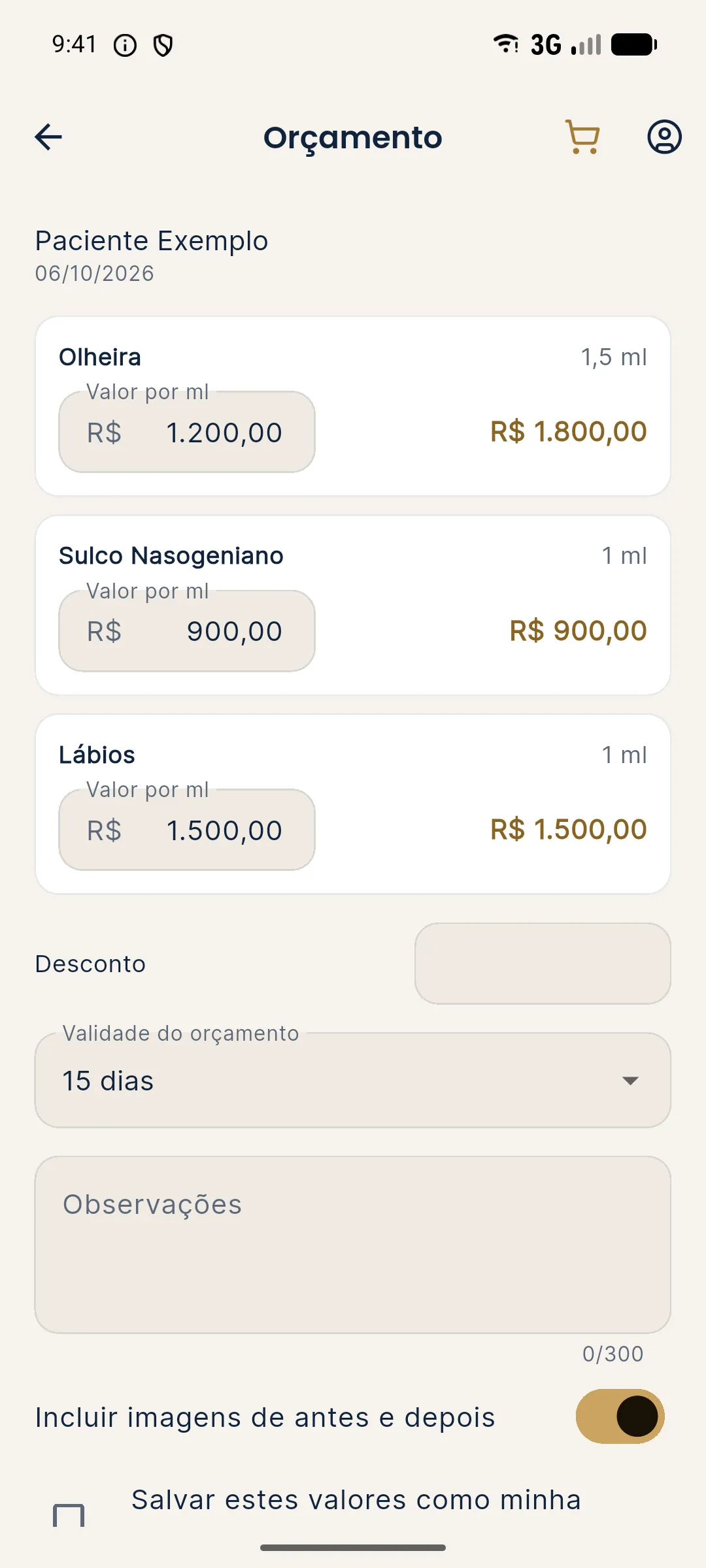
When the plan changes areas, volumes or risks, the quote changes with it, and the patient must be informed beforehand. The consent too: the informed consent covers what was explained, and a relevant change calls for a new explanation. There is no point presenting the new plan as a continuation of the old one if the risks are different.
The Harmy quote can be redone quickly, with a price per ml, discount and validity. The price table saved in My clinic speeds it up. See linking plan and quote in facial harmonization.
How do you explain the change to the patient?
Patients tend to read a plan change as a mistake or as an attempt to sell more. Avoid both readings by explaining the trigger clearly: "your weight changed, and that changes what your face needs." Show the photo comparison and the reason. If the change shrinks the plan, say so without embarrassment.
For cases in which the review leads to less treatment, see reducing volume gradually in the plan and exit plan from harmonization.
Frequently asked questions
When does a facial harmonization plan need to be revised?
When something changes in the patient or the tissue: weight variation, pregnancy, menopause, a complication, new medications, a change in concern or a result different from what was predicted.
Do I need new consent if the plan changes?
When the change alters areas, risks or volumes in a relevant way, it is advisable to update the information and the consent, documenting the conversation per the rules of your board.
Does weight variation change the plan?
It can. Facial fat follows body weight, and significant gains or losses change the contour, the proportion and the need for volume in several areas.
How do I tell the patient the plan has changed?
By explaining the reason, showing what changed and why, updating the quote and documenting it in writing. The patient should understand that the change is care, not improvisation.
Harmy images are illustrative simulations generated by AI from the patient's photo to support the conversation between practitioner and patient. They are not a promise of results. Indication, technique, product and volume are solely the decision of the licensed practitioner. This content is for information only and does not replace a clinical assessment.