
Aesthetic concerns of facial harmonization patients
Patients arrive with a concern, not a procedure. Here each concern becomes clinical reasoning: likely causes, assessment, options, limits and how to show the plan.

 Acne scars on the face: what belongs in a harmonization planHow to classify atrophic acne scars, know when volume helps and when it does not, and align the patient's expectations before any plan.
 Aesthetic profile reference lines in practiceHow to use the Ricketts, Steiner and Holdaway lines on the profile photo to propose a harmonization plan and communicate the limits to the patient.
 Aging face: where it starts and how to plan treatmentFacial aging involves bone, fat, muscle and skin, each at its own pace by area. Learn how to read the face and organize a stepwise plan.
 Aging neck: what facial harmonization can offerLines, texture, laxity and bands: what ages the neck, which approaches HOF considers for each finding and the real limits of each technique.
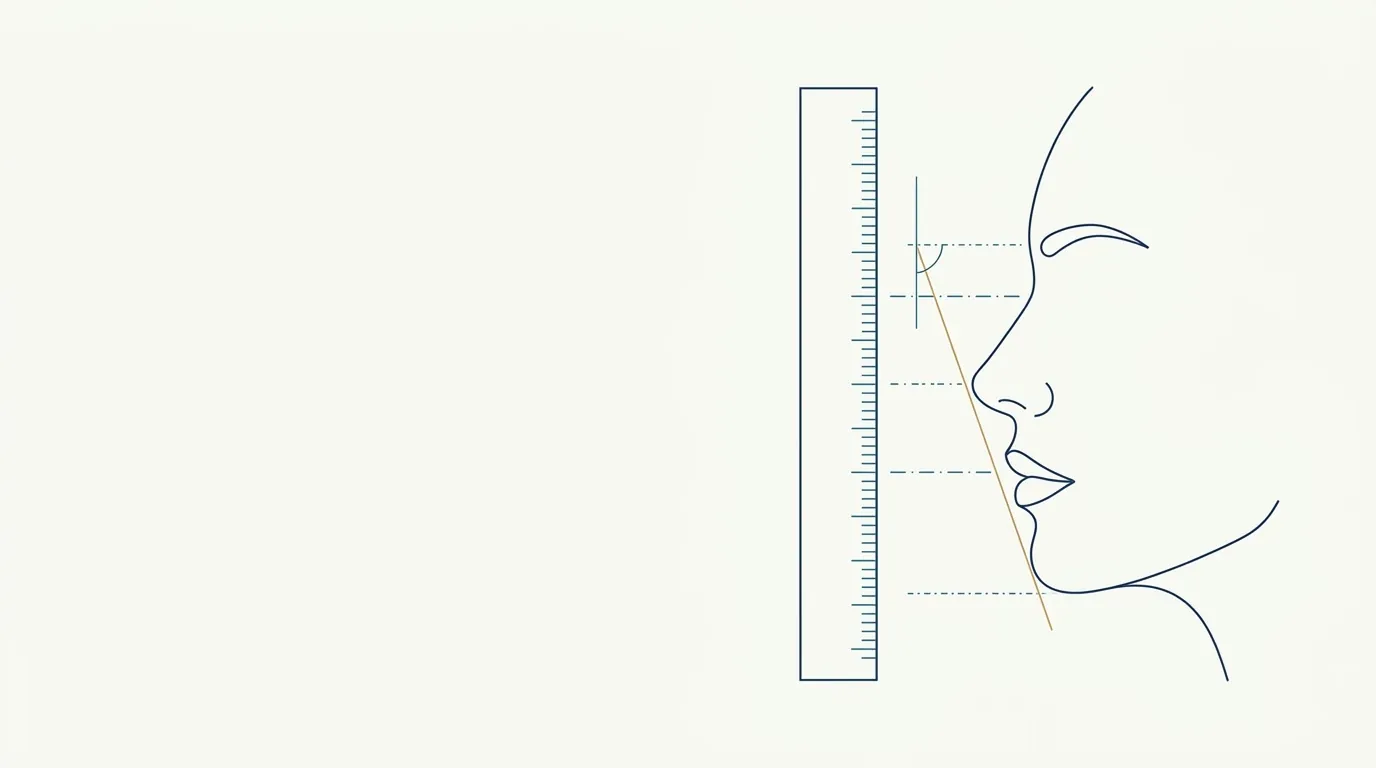 Aging profile: what the frontal view hidesThe profile reveals a receding chin, drooping nose, thinning lip and double chin the frontal photo hides. Learn how to assess and complete the plan.
 Artificial-looking face: why it happensWhy a treated face starts to look artificial: proportion errors, excess volume and loss of identity, and how to assess it before replanning.
 Asymmetric cheeks: layer-by-layer assessment and planHow to tell uneven volume, bone and head posture apart when cheeks are asymmetric, and how to build a plan that respects the patient's anatomy.
 Asymmetric chin: how to assess chin deviationHow to separate bone deviation, muscle asymmetry, and bite changes in an asymmetric chin using the front photo, and what HOF can or cannot balance.
 Asymmetric eyebrows: how to assess and communicateHow to tell eyebrow asymmetry of bony, muscular or expression-habit origin, what HOF can adjust, and how to explain the limit to the patient.
 Asymmetric face in selfies: camera distortionWhy the face looks more asymmetric in a selfie, how lens, distance and angle distort proportions, and how to tell that apart from real asymmetry.
 Asymmetric face: what is normal and what to treatHow much facial asymmetry is expected, how to measure it in the photo and in the consultation, and when the difference between sides deserves a plan.
 Asymmetric jawline: what harmonization can compensateHow to assess a jaw that differs from one side to the other, what compensation with volume and toxin can achieve, and where the limit of a different bone lies.
 Asymmetric Nostrils: What to Assess Before Proposing AnythingAsymmetric nostrils may come from the nose, the septum or the face's position in the photo. What to check before blaming the nostril and what HOF can do.
 Asymmetric smile: how to assess it in photo and videoUse the dynamic smile to find where the asymmetry comes from, whether muscle, bone, teeth or soft tissue, before planning any procedure.
 Asymmetrical eyes: how to assess the differenceAsymmetrical eyes can come from the brow, the eyelid, the orbit or the photo. See how to separate the causes, measure the difference and decide what to treat.
 Asymmetry from chewing on one side: assessment and approachHow one-sided chewing can cause masseter hypertrophy and facial asymmetry, how to assess it, and when to treat with toxin or refer to dentistry.
 Baby-faced look: adding structure without aging the faceA childlike look from lack of jawline and chin definition: how to assess it, add structure with caution and avoid the risk of overdoing it.
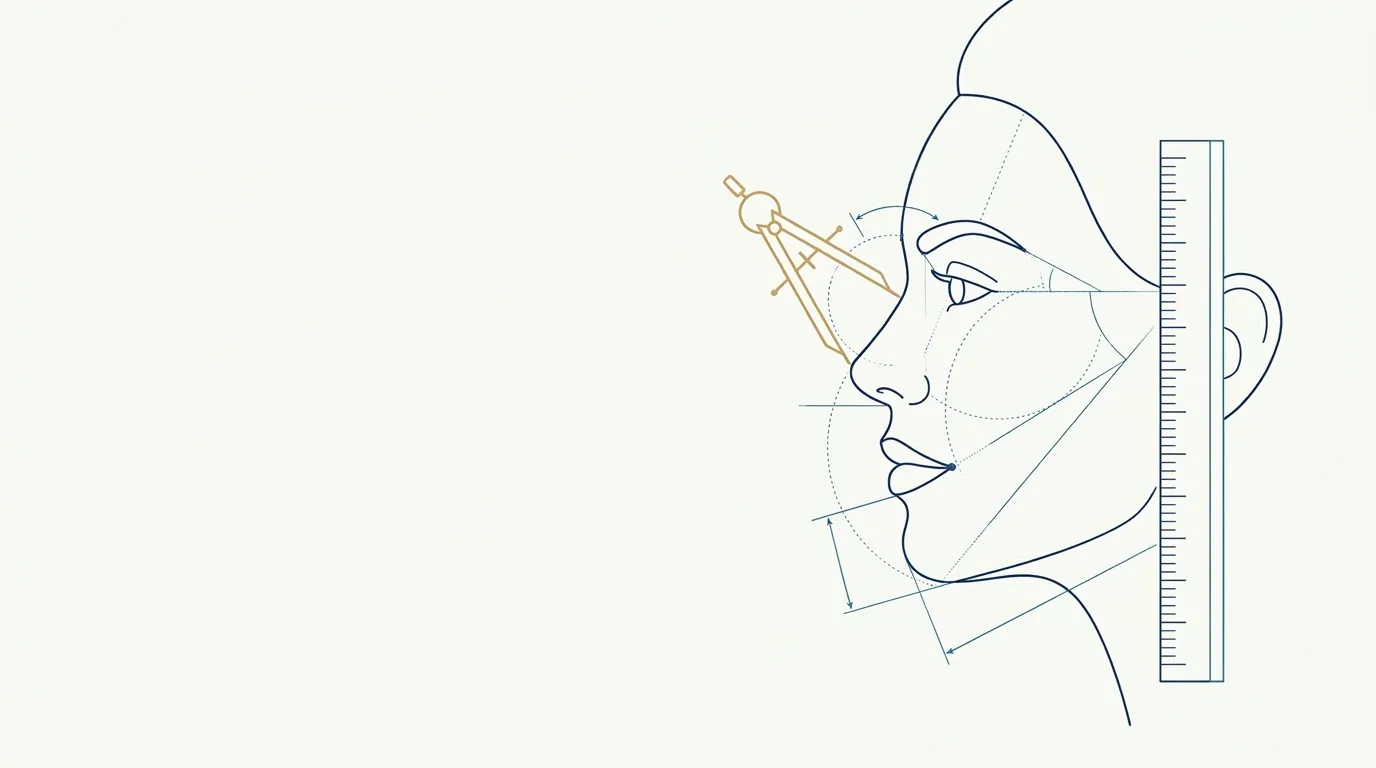 Beautiful face without harmony: what is missingBeautiful features that don't fit together: how to assess proportion, transitions between areas and balance of the thirds before choosing any plan.
 Bulbous nose tip: what HOF does not fixA bulbous nose tip comes from cartilage and skin, not from lack of volume. Why filling around it does not slim the tip and when to refer the patient.
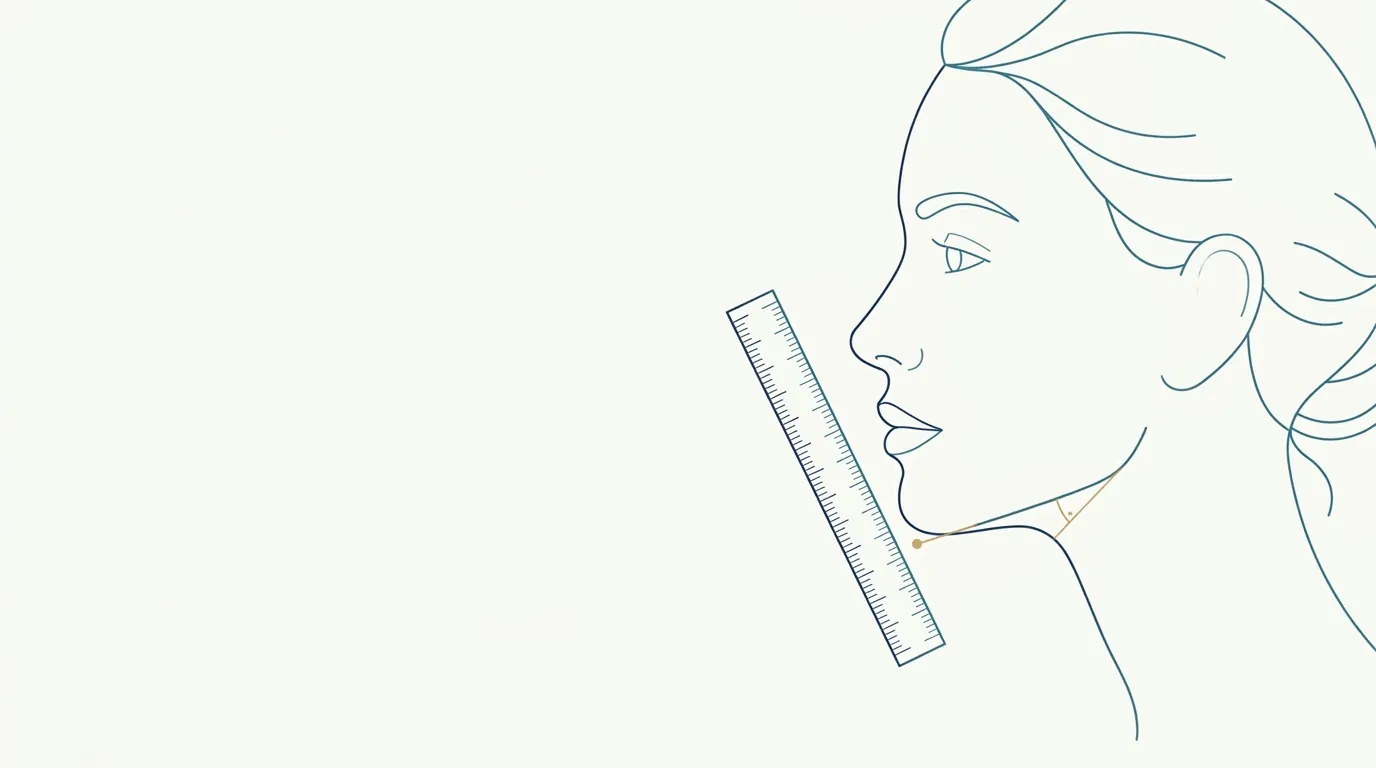 Cheek Sagging Over the Jaw: What Blurs the ContourUnderstand the fat descent that erases the jawline, the role of jowl and ligaments, and what facial harmonization can offer for the contour.
 Cheek Without Volume When Smiling: Dynamic Cheekbone AssessmentHow the cheek behaves at rest and when smiling, why dynamic assessment changes the cheekbone plan and when the volume needs support.
 Cheeks too big: buccal fat, bone or muscle?How to tell buccal fat, wide cheekbones and a bulky masseter apart when the concern is big cheeks, and why the cause determines the approach.
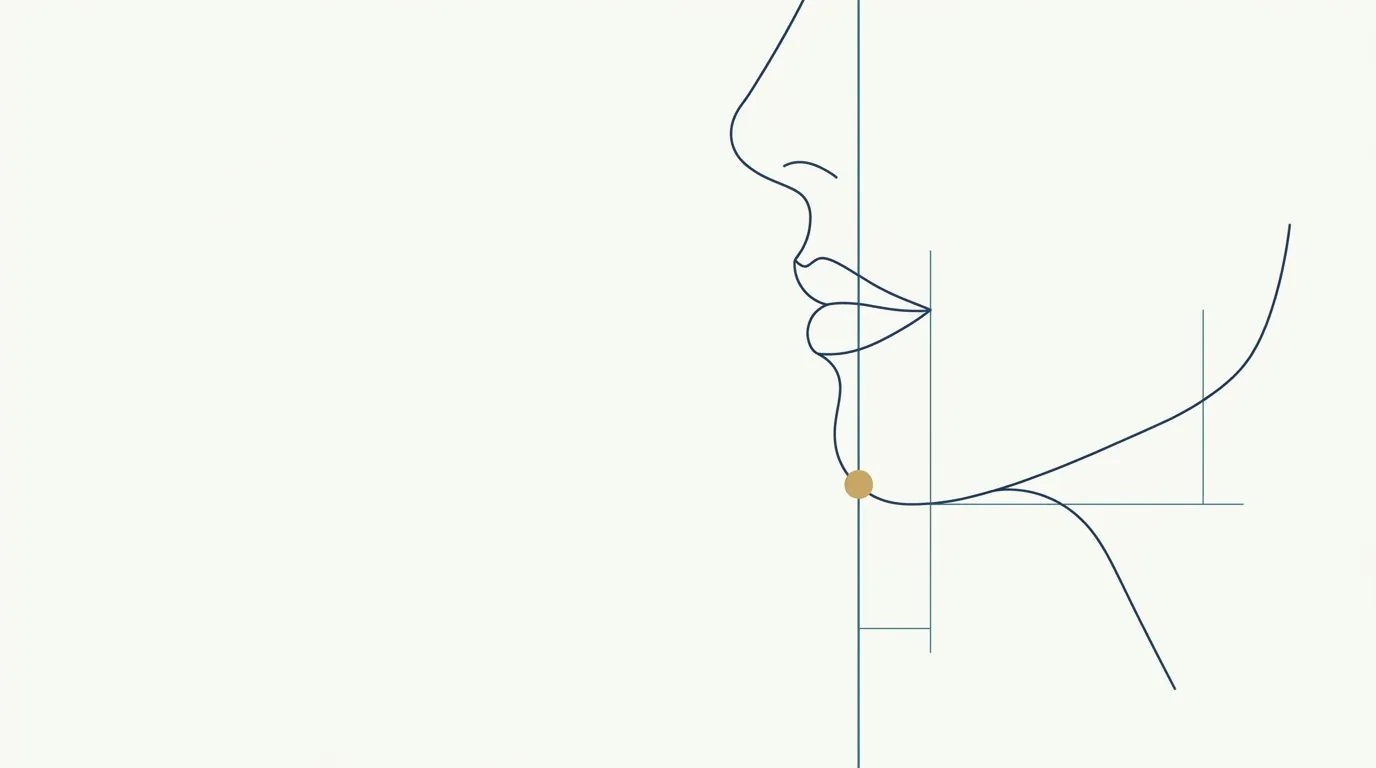 Chin Off the Midline: Assessment and GuidanceHow to measure chin deviation from the midline, tell bony, dental and muscular causes apart, and understand the limit of HOF when the deviation is skeletal.
 Concave profile: assessing the midface and the chinA concave profile is a midface set back from the forehead and chin. See how to assess the maxilla, cheekbone and chin and project without overdoing it.
 Concern spanning several areas: how to prioritizeHow to order areas when the patient's concern crosses the face: impact, cause before sign, risk, and budget, with a simple method.
 Concerns facial harmonization does not solve, and how to referList of concerns outside the scope of harmonization, how to recognize each one, what to tell the patient, and whom to refer to without losing trust.
 Convex profile: what HOF can balanceA convex profile shows a recessed chin and a forward lip or nose. See how to assess convexity, when to project the chin and when the cause is skeletal.
 Crooked nose: how to assess the deviation and when HOF helpsA crooked nose can be bony or cartilaginous deviation or an illusion from facial asymmetry. See how to assess it and how little facial harmonization can do.
 Crossbite and Facial Asymmetry: Limits of HOFHow a crossbite relates to chin deviation and facial asymmetry, where HOF can help compensate, and how to work together with orthodontics.
 Dark spots on the face: what harmonization does not treatWhere harmonization ends and dermatology begins: how to tell spots, melasma and pigmentation apart from volume and contour, and how to guide the patient.
 Deep Bite and Recessed Chin: AssessmentHow a deep bite relates to a recessed chin and the labiomental fold, what chin projection can achieve, and when to coordinate with orthodontics.
 Deep crow's feet: assessment beyond toxinDeep crow's feet are not always just a toxin matter: see how to assess skin, lateral volume and expression, and when other approaches join the plan.
 Deep facial fat loss: signs and assessmentHow to recognize deep facial fat loss, tell it apart from the superficial compartments and plan volume replacement safely.
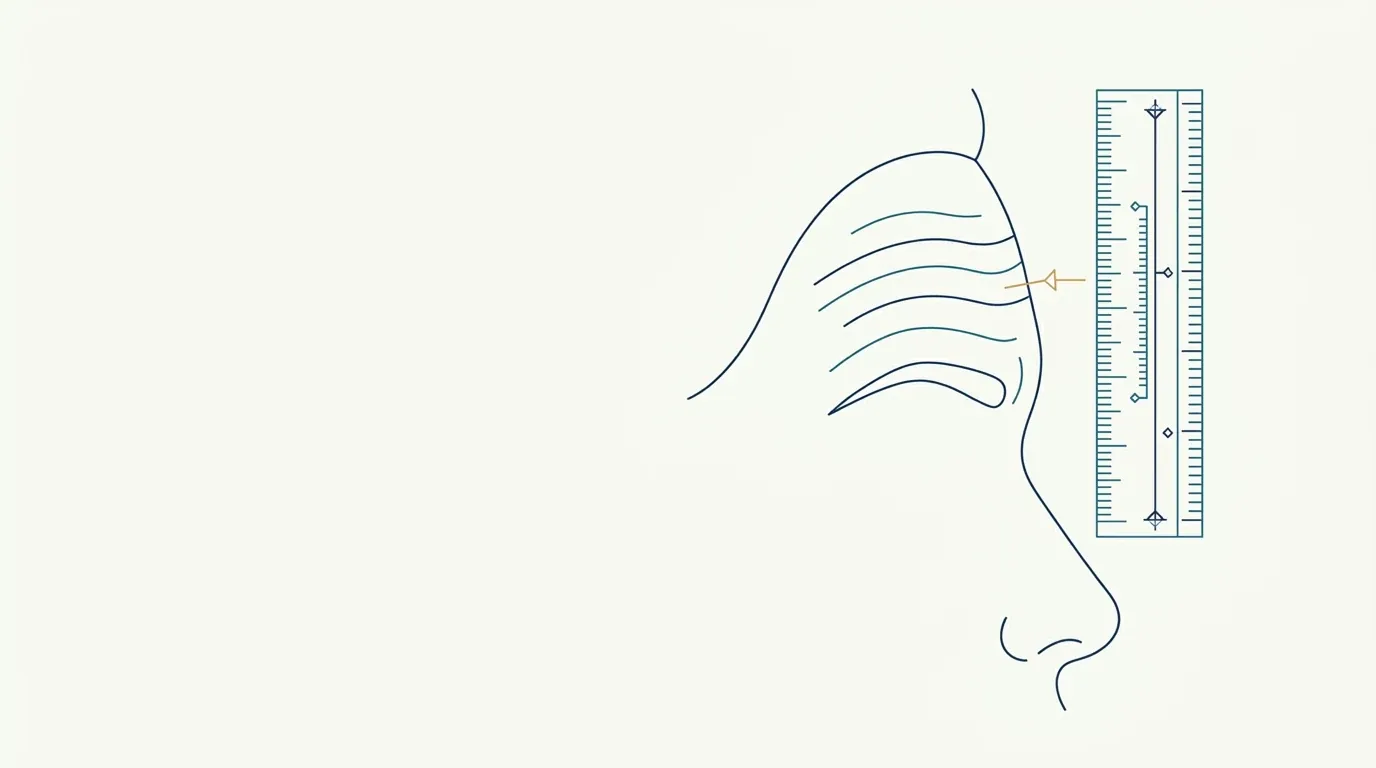 Deep forehead lines: assessment beyond toxinHow to tell dynamic from static forehead lines, gauge brow weight, and decide when toxin alone is not enough and other options come into play.
 Deep marionette lines: causes and planWhy marionette lines deepen, how they relate to the mouth corner, jawline and depressor muscle, and how to plan with caution.
 Deep mouth corner crease and fold beside the mouth: assessmentHow to assess the oral commissure fold as a concern of its own, tell it apart from marionette lines and the nasolabial fold, and decide what fits, with caution.
 Deep Nasolabial Fold: Causes by LayerA deep nasolabial fold is often a symptom of lost support elsewhere in the face. See the layers, what to assess first and how to sequence treatment.
 Deep tear trough: assessing the hollow under-eyeA marked tear trough: how to measure it, tell trough, bag and thin skin apart, and choose between volume, biostimulator or referral without overdoing it.
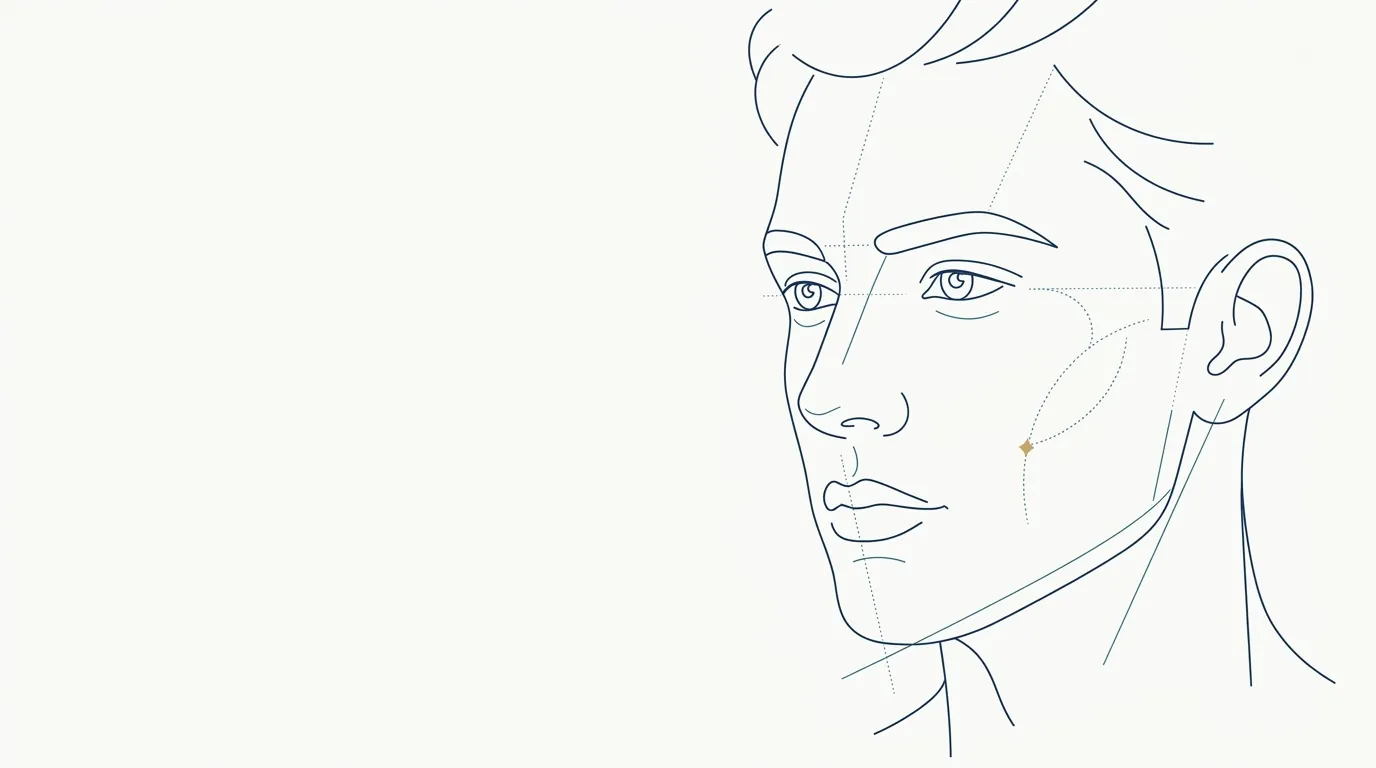 Delicate face in men: structure and definitionA man with soft features and little definition: how to assess the chin, jaw and cheekbone and build a discreet plan that preserves a masculine identity.
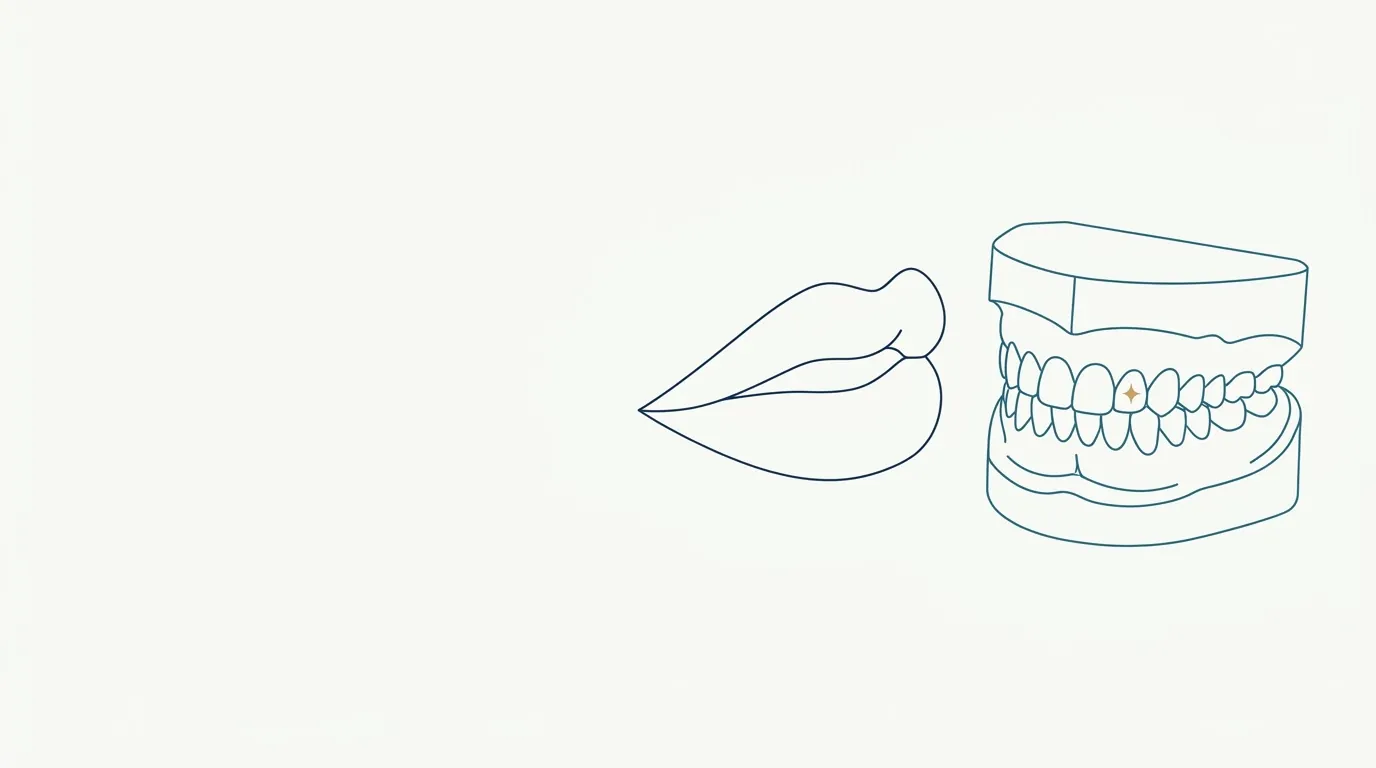 Dentures and lip support: what to assessA well or poorly sized denture changes lip support and vertical dimension. Here is what to assess before any lip filler.
 Deviated facial midline: how to assess itHow to use the midline on the photo to separate deviation from posture, soft tissue and bone, and what harmonization can compensate for with caution.
 Disproportionate face: how to assess thirds and proportionsUse thirds and fifths to find the real imbalance in the face, separate proportion from perception and decide what to treat or preserve.
 Disproportionate Lower Third: AssessmentA lower third that looks large, heavy or out of proportion: how to measure it and separate the weight of the lip, chin and jaw before any plan.
 Disproportionate Midface: AssessmentA midface that looks large, short, flat or out of step with the rest of the face: how to measure it and separate the roles of nose, cheekbone and maxilla.
 Double chin after weight loss: fat, skin or muscleA double chin after weight loss can be leftover fat, loose skin or a visible platysma. Learn how to tell them apart and why the plan changes in each case.
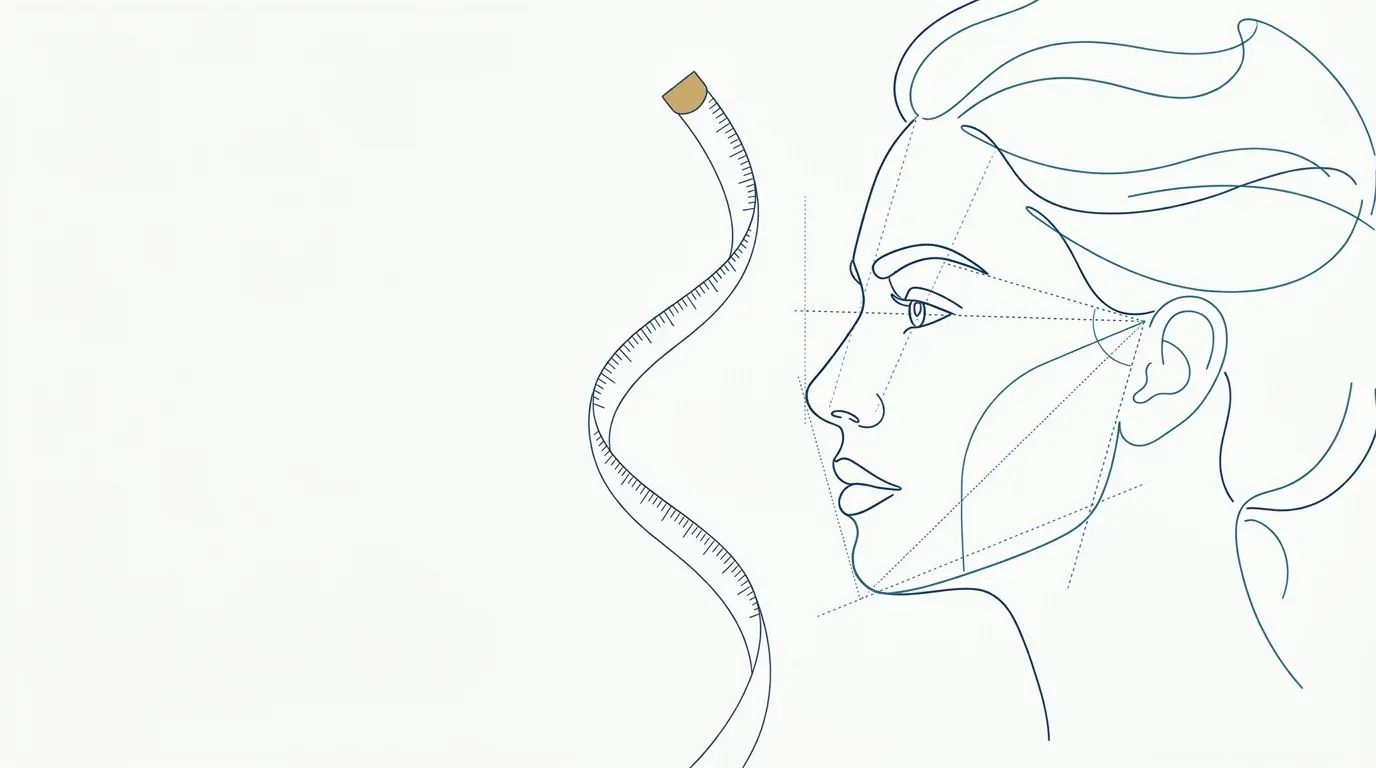 Double chin even when thin: why it happensWhy a thin patient has a double chin: cervicomental angle, recessed chin, hyoid bone, skin and platysma, and what facial harmonization can or cannot change.
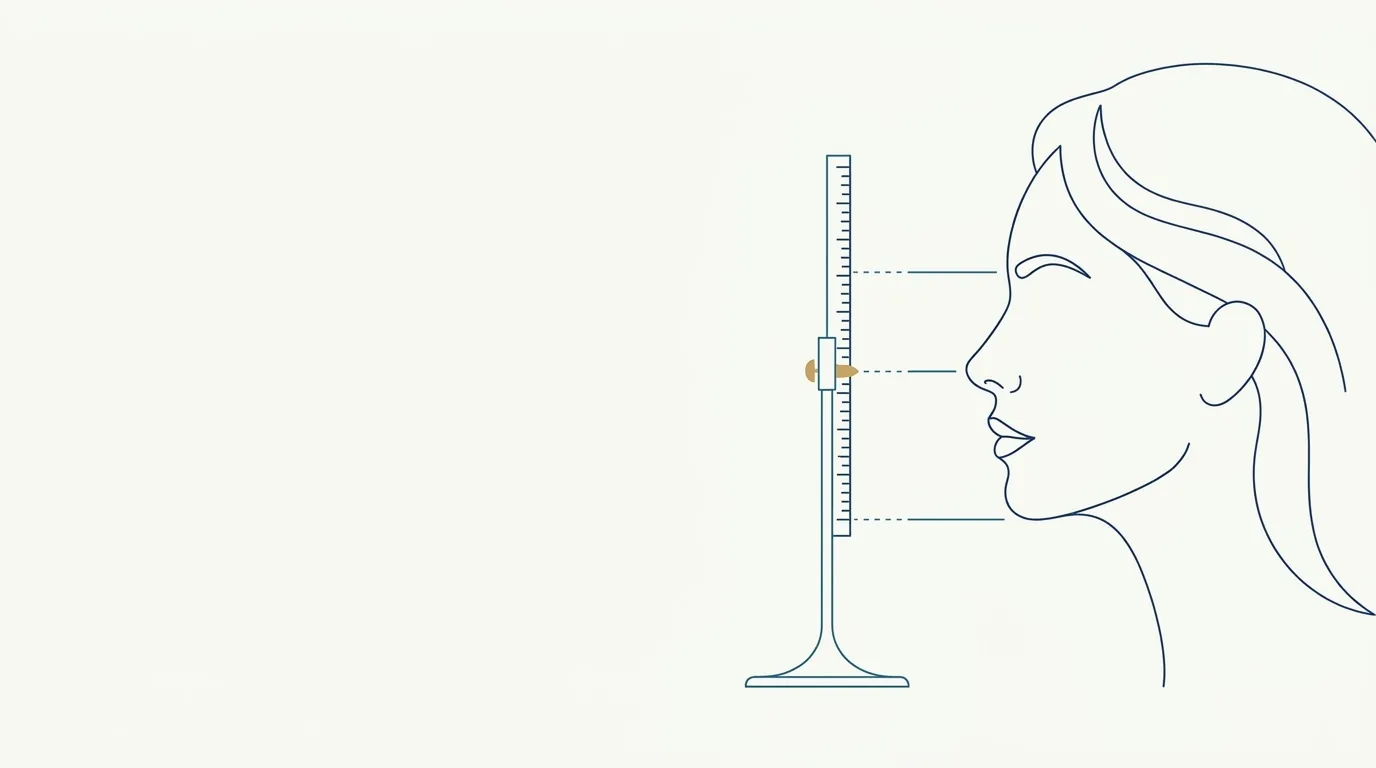 Double Chin in Profile: Fat, Skin or Recessed ChinA double chin is not always fat: learn to separate submental fat, loose skin and a recessed chin in the profile photo before choosing the approach.
 Double chin that only shows when looking downA double chin that appears only when the patient looks down or in selfie angles: the role of posture, neck flexion and photography in the assessment.
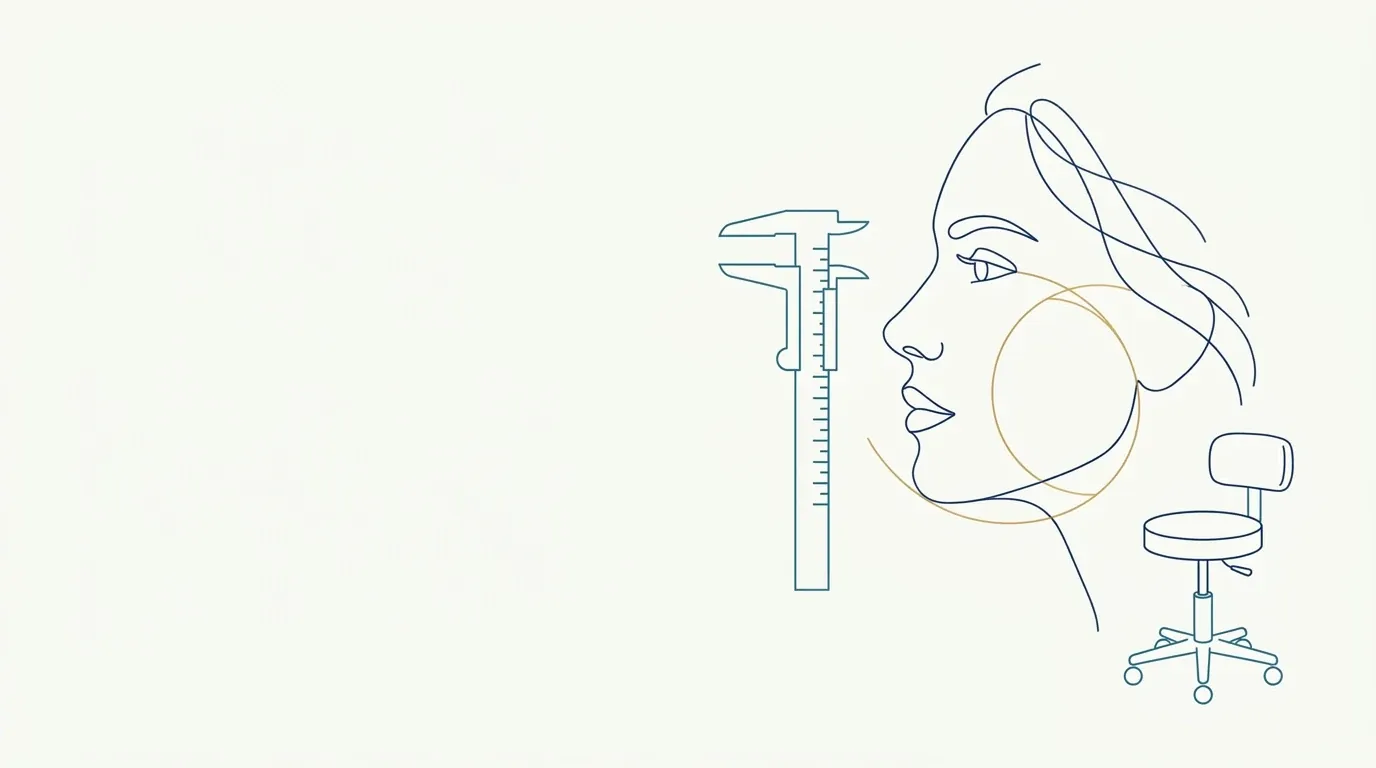 Double chin with a small chin: what to treat firstWhen a double chin comes with a small chin, chin projection often comes before submental fat. See the logic, the limits and how to plan in stages.
 Downturned mouth corners: reading at rest and when smilingHow to read the tilt of the mouth corners at rest and when smiling, separate muscle, volume and skin causes, and set an approach with clear limits.
 Downturned outer eye corner: assessment and optionsHow to measure the tilt of the eye corner, relate a drooping lateral canthus to the cheekbone and local skin, and know what harmonization can offer.
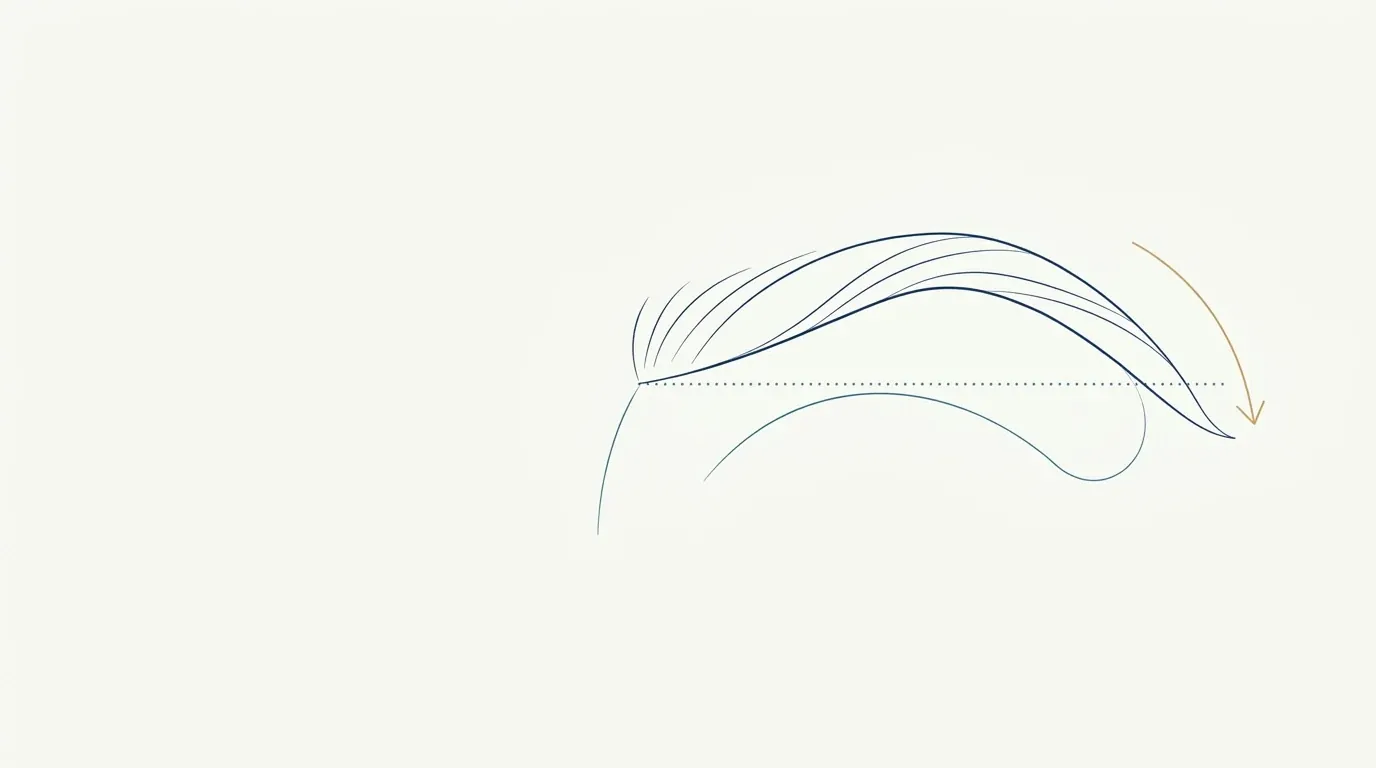 Drooping eyebrow tail: assessing the lateral thirdHow to assess a drooping eyebrow tail, its relation to the temple, orbicularis and frontalis, and what HOF offers for the eye area without weighing it down.
 Drooping lower lip: assessment, depressor and labiomental foldHow to assess a drooping or everted lower lip, its link to the depressor labii inferioris and the labiomental fold, and what fits in the plan.
 Drooping nose tip: causes and options in harmonizationA drooping nose tip can come from age, the depressor septi muscle and a closed nasolabial angle. See the causes, what HOF can offer and its limits.
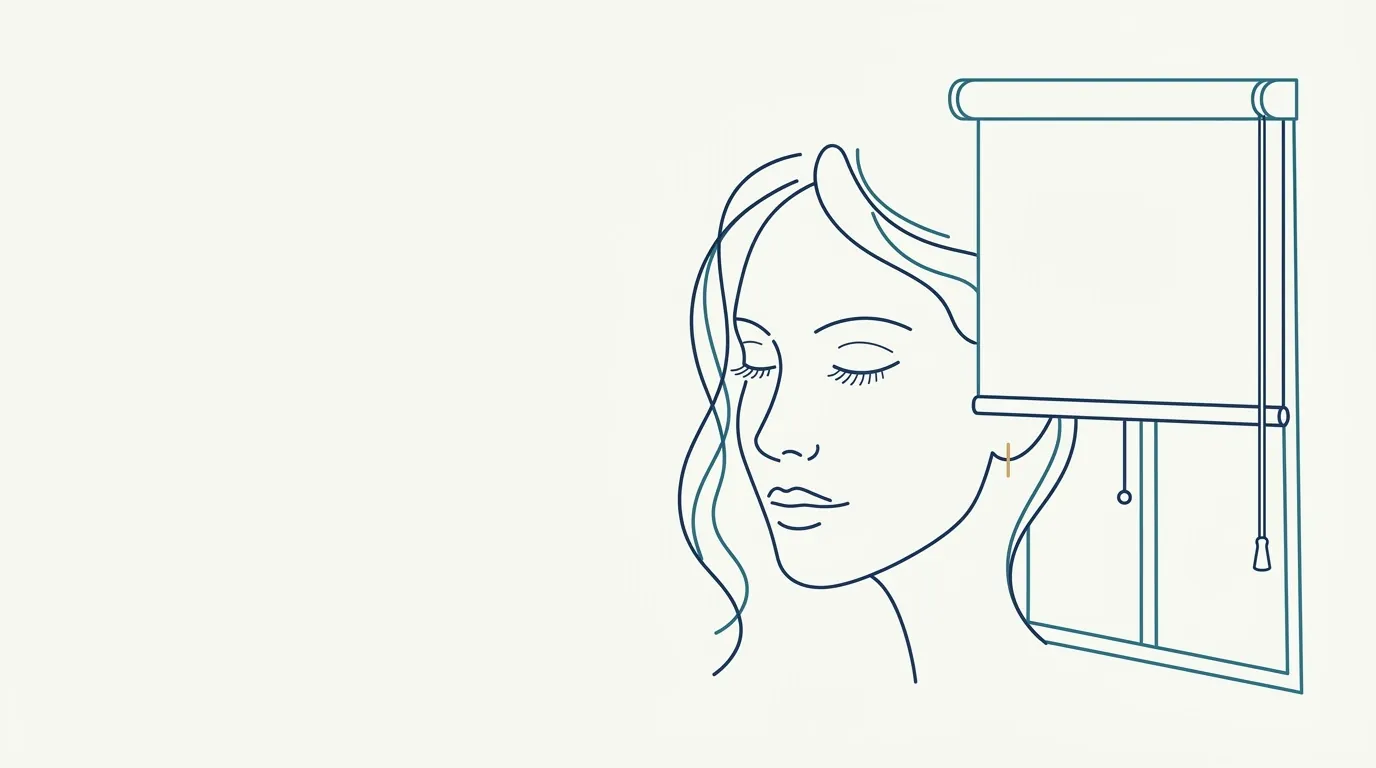 Droopy eyelid: ptosis or excess skinA droopy eyelid can be muscle ptosis, excess skin or a low brow. See how to tell the causes apart and why the usual course of action is referral.
 Dry lips: what harmonization treats and what is skinHow to tell dry lips from thin or low-volume lips, what harmonization can and cannot treat, and when to refer the patient to dermatology.
 Dull Face: What Harmonization Treats and What Is SkinHow to separate dullness caused by the skin from dullness caused by volume loss, and what the Harmy projection shows or does not show for this complaint.
 Enlarged pores and texture: the limit of harmonizationEnlarged pores and uneven texture are skin matters. See what skin boosters and other approaches change, what they do not, and when to refer the patient.
 Expression lines that differ from side to side of the faceWhy expression lines mark one side more, how to identify a lateralized muscle habit and how to adjust the plan without creating a new asymmetry.
 Expressionless Face: Too Much Toxin or an Underlying TraitHow to investigate a frozen face: toxin effect, naturally reserved features or expression asymmetry, and how to adjust the plan to restore expressiveness.
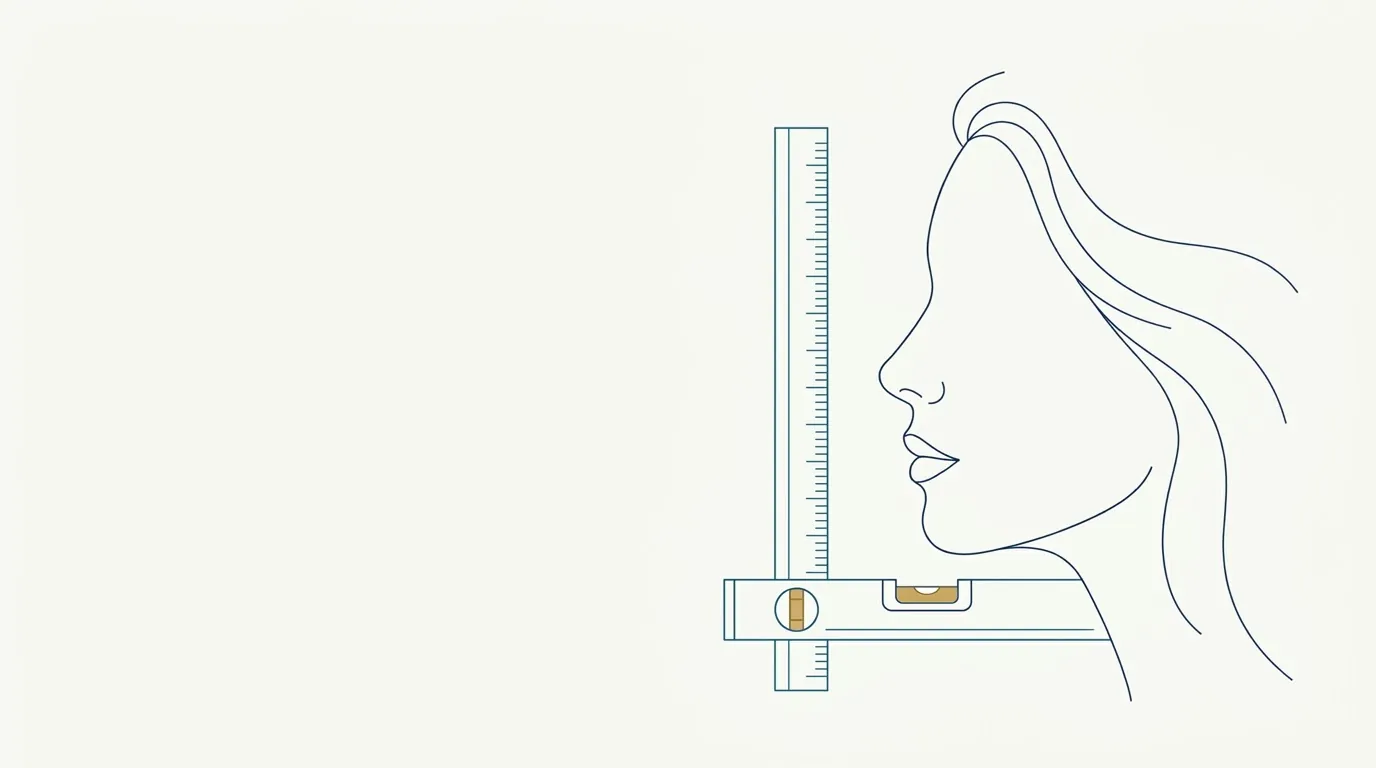 Eyes at different heights: how to assessEyes at different heights call for the bipupillary line, brows and a standardized photo first. See what to measure, what misleads and what HOF does.
 Face after bariatric surgery: assessmentHow to assess the face after large, rapid weight loss from bariatric surgery: volume, skin, nutrition and the right time to plan facial harmonization.
 Face after pregnancy: what changed and what to assessHormonal, weight and sleep changes mark the face postpartum. Learn to separate what is temporary from what is structural and when to plan facial harmonization.
 Face at 30: real concern or preventionHow to tell what to treat from what to simply observe in the face at 30, with criteria for a real concern, prevention and the care not to create a need.
 Face at 40: first signs and planningThe first signs of volume and support loss at 40, how to set priorities and build a coherent, conservative plan in facial harmonization.
 Face at 60: volume loss and prioritiesWhat to prioritize in the face at 60 when every layer has aged: support, skin quality, expectations and safety in the facial harmonization plan.
 Face at 70 or older: limits and choicesWhat is safe to propose for the face at 70 or older, how to set priorities with the patient and family, and how to align expectations without promising youth.
 Face of heavy trainers: low body fat and volumeAthletes and intense exercisers can lose facial fat and look older or hollow. Learn how to assess the face and plan volume restoration with caution.
 Facial bone loss: signs and what HOF can compensateHow bone resorption in the orbit, maxilla and mandible changes the face, and what HOF can compensate without promising what the bone lost.
 Facial concerns after plastic surgeryWhen harmonization complements an operated face and when it is a limit: scars, volume loss, asymmetry, and what to ask before any injection.
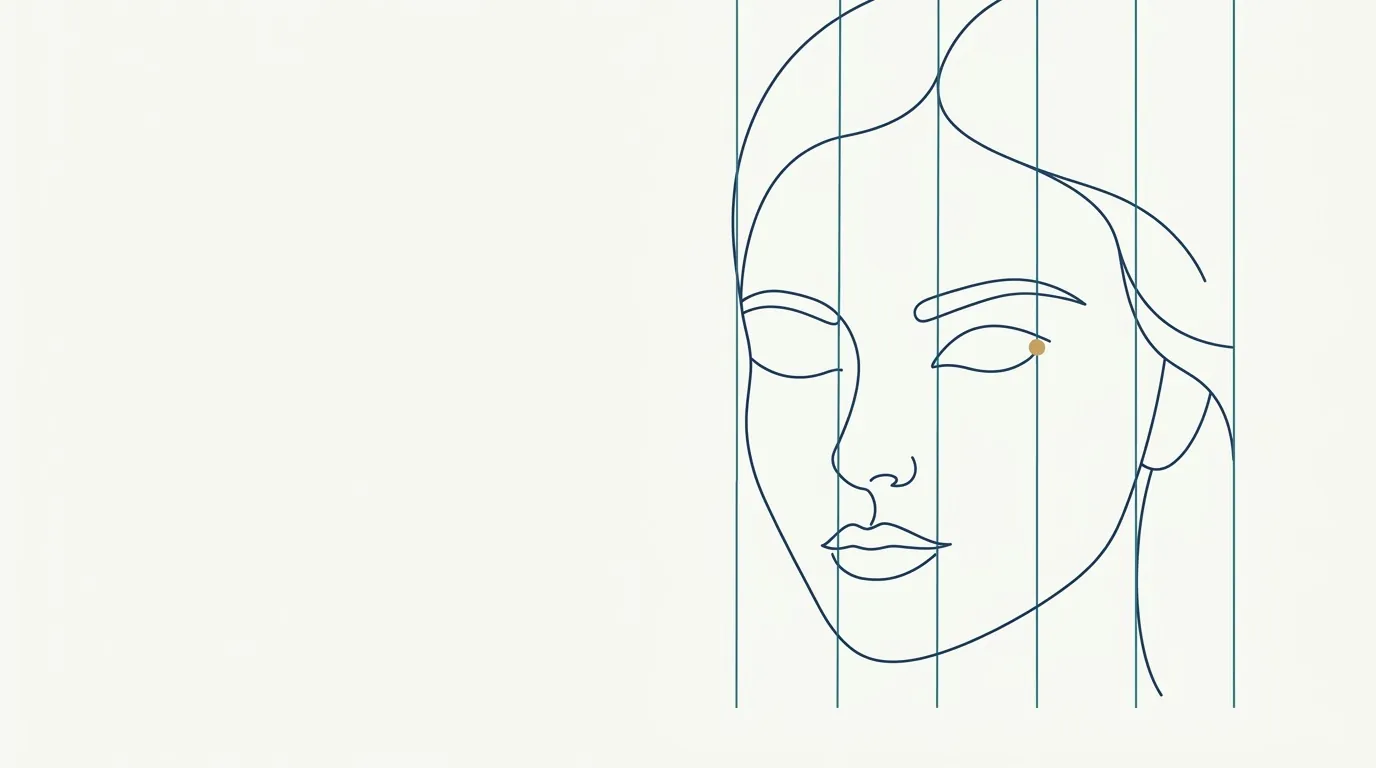 Facial fifths: when the width does not add upHow to apply the rule of fifths on the frontal photo to find a width deviation, what is bone versus soft tissue, and how this feeds into the plan.
 Facial light points: where other people's eyes landFacial light points guide where the gaze lands. See how cheekbone, forehead and nose bridge reflect light and how to use that in planning without overdoing it.
 Facial sagging after 40: where it starts and how to map itHow to map the start of facial sagging after 40, separate volume loss, ptosis and skin quality, and prioritize what comes first in the plan.
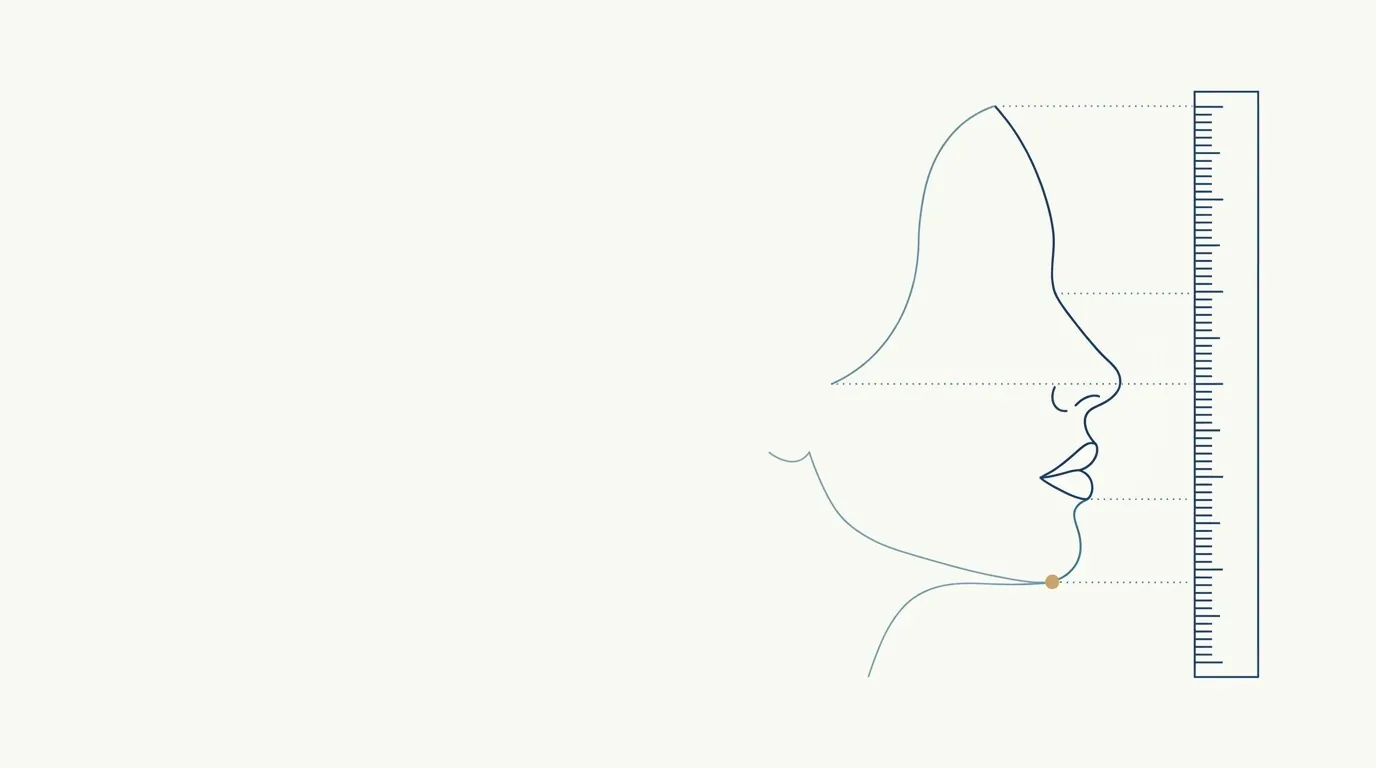 Faded Cupid's bow: assessment and what HOF can doWhy the Cupid's bow loses definition with age, how to assess the upper lip contour, and what facial harmonization can and cannot do.
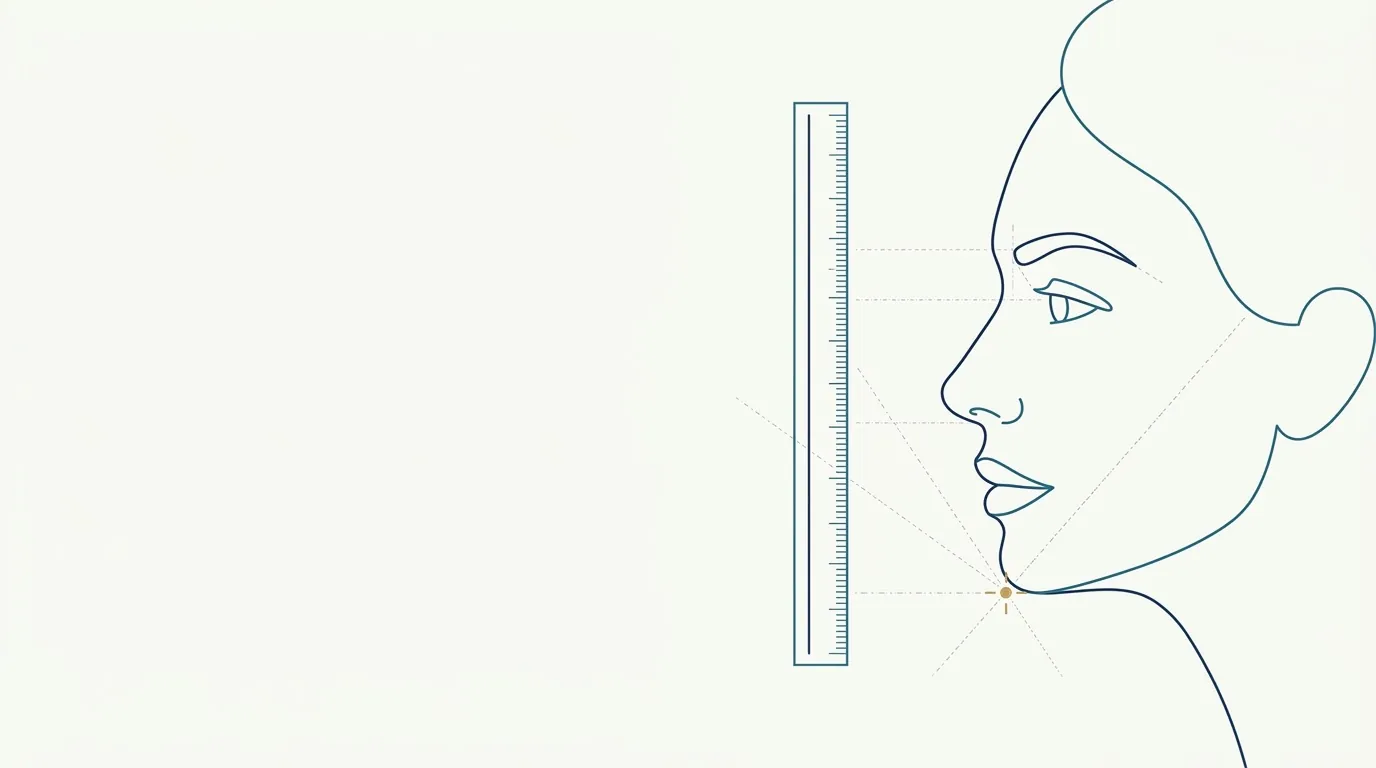 Faded or short philtrum: how to assess the columnsHow to assess a faded or short philtrum, understand the role of the columns in defining the upper lip and choose a conservative, safe approach.
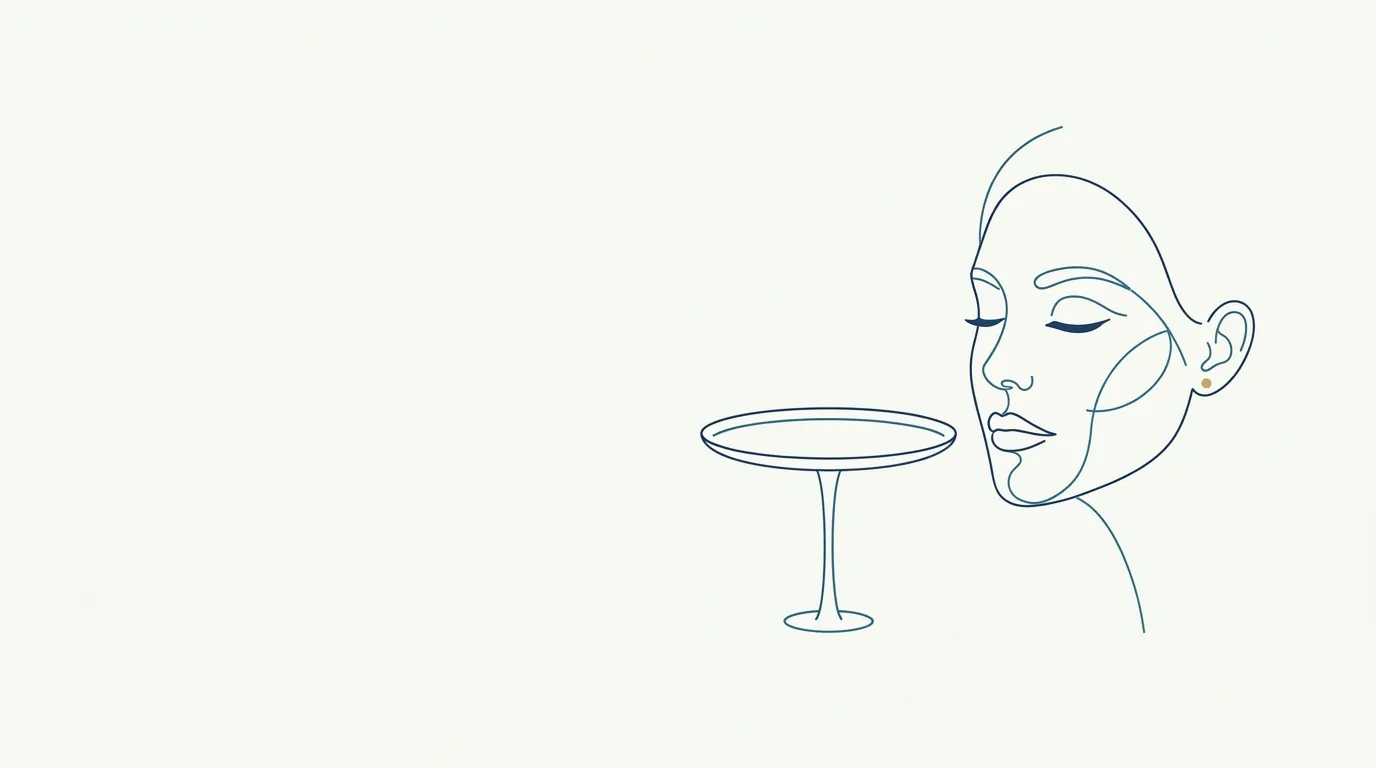 Flat cheekbones: assessing midface projectionHow to assess the zygomatic bone and fat to understand flat cheekbones, plan projection conservatively and avoid a wide or artificial-looking face.
 Flat face seen from the front: lack of projectionWhy the face looks flat in a frontal photo, how a lack of shadows and lateral volume explains the effect, and what harmonization can do for projection.
 Flat forehead: assessing volume and projectionFlat or under-projected forehead in profile: how frontal volume changes the look of the face, when the cause is bone, and what forehead filler can offer.
 Flat Nose at the Base: Assessing the Dorsum and ProjectionA flat nose often involves a low dorsum, nasal bridge and midface projection. How to assess it in profile before deciding on any approach.
 Forehead depression or irregularityA sunken area or irregularity in the forehead: how to tell bone defect, fat loss, and trauma sequelae apart, and when filler is or is not appropriate.
 Full Cheeks and Weak Chin: Balancing the FaceWhy projecting the chin usually comes before reducing the cheek, how to assess the lower third in profile and when buccal fat or fat removal enters the talk.
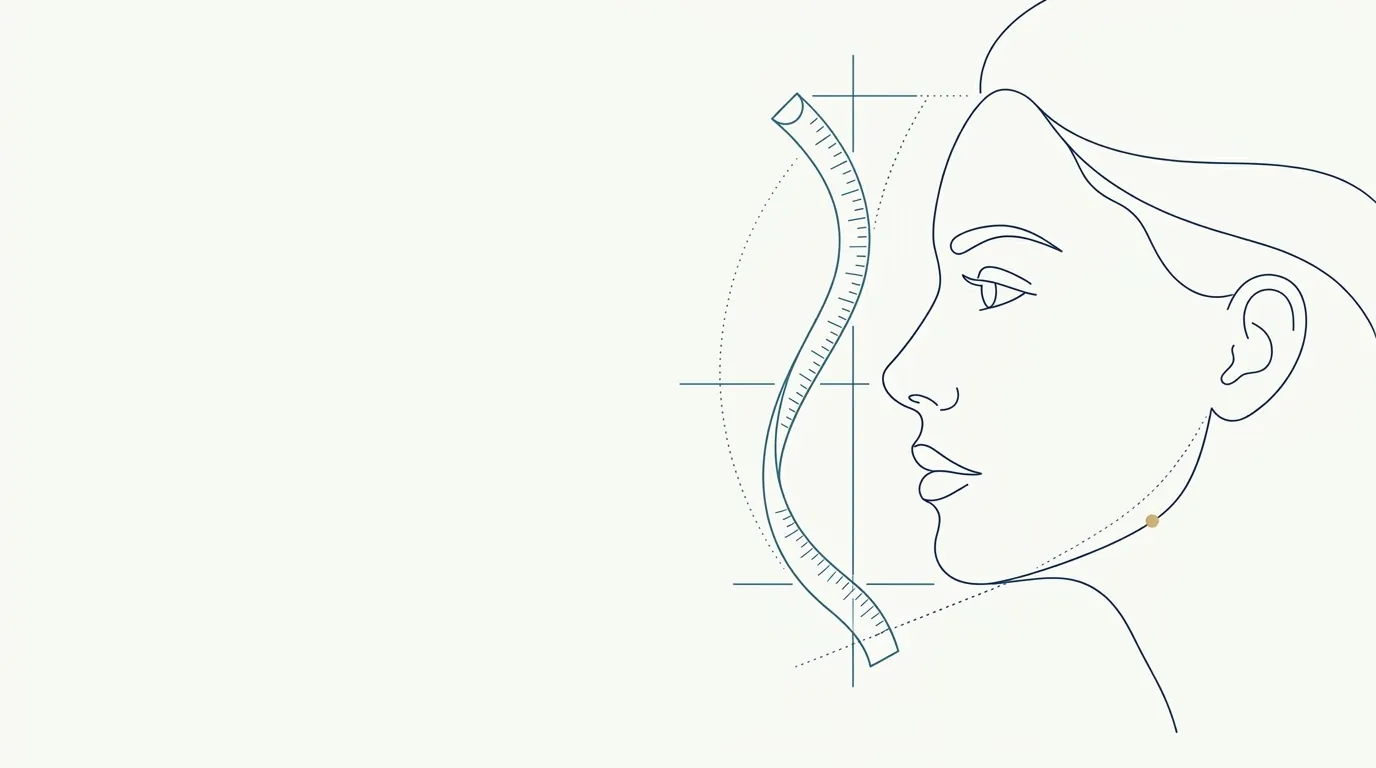 Gaunt face after weight loss: what to doHow to plan layered restoration after major weight loss: waiting for stabilization, plan order, biostimulator and the limits of volume.
 Gaunt face: causes and options for restoring volumeA gaunt face can come from deep fat, bone or thin skin. Learn how to tell the causes apart and plan volume restoration conservatively.
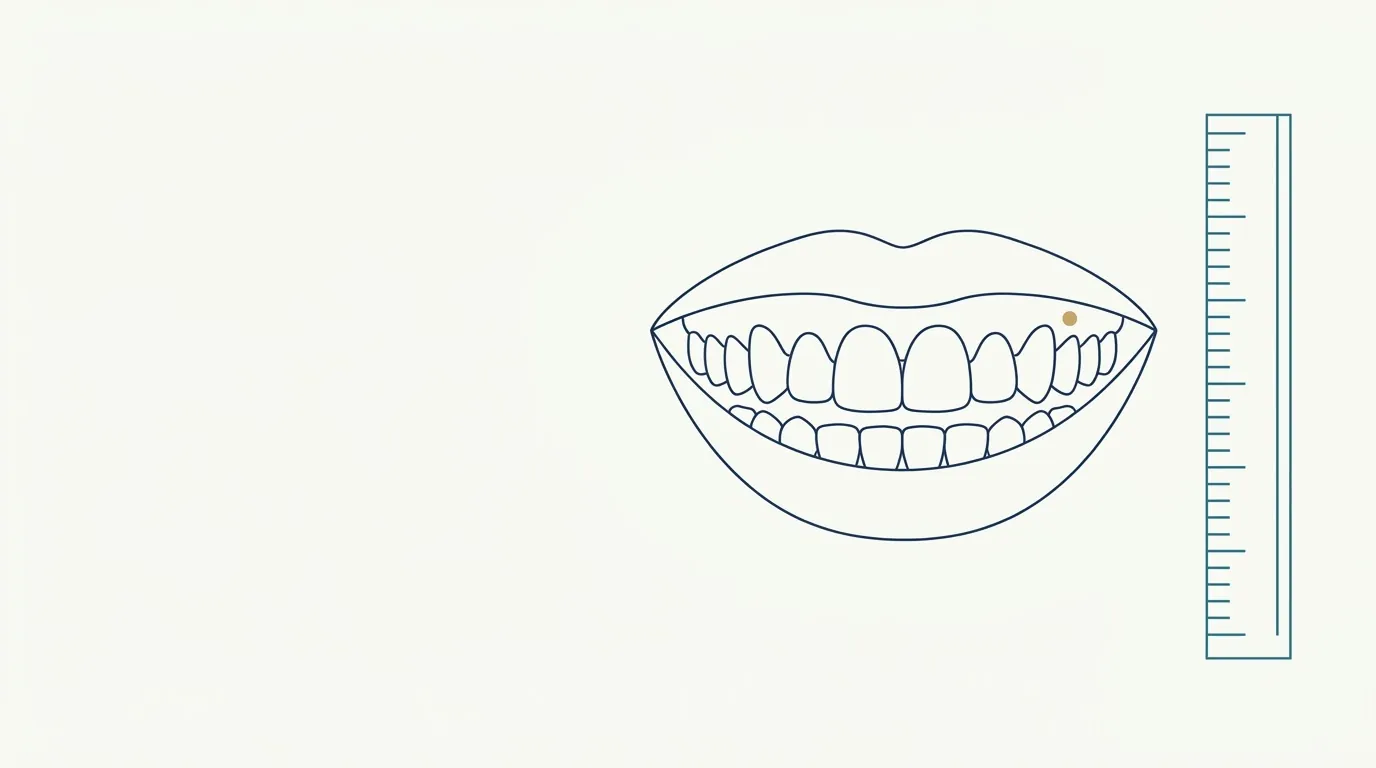 Gummy smile: when to think beyond toxinHow to tell muscular, bony and dental causes of a gummy smile apart, when toxin works and when the case calls for orthodontics, surgery or other options.
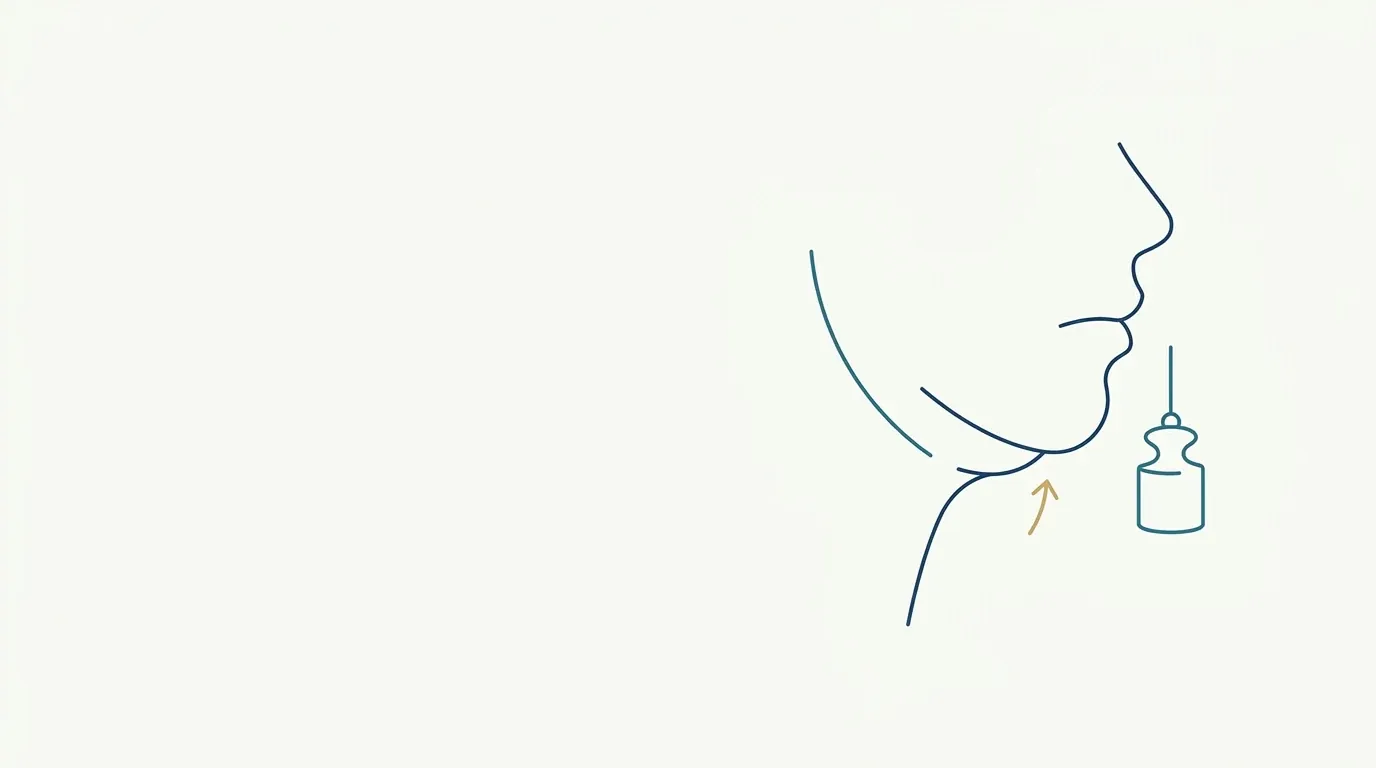 Heavy Face From Old Filler: Assessment and ReversalHow to recognize product buildup from old sessions, assess what is still in the face and plan reduction with hyaluronidase in safe stages.
 Heavy Face: Excess Volume or Lack of SupportHow to tell a full face from an unsupported one, which sound the same in the complaint but call for opposite approaches in orofacial harmonization.
 Heavy-looking eyes: what weighs them down and how to planHeavy-looking eyes can come from the eyelid, the brow or the dark circle. See how to separate each cause, what HOF can offer and what calls for referral.
 High cheekbones and hollow cheeks: assessmentHow to tell prominent cheekbones from hollow cheeks caused by fat loss, what facial harmonization considers and why filler is not always the answer.
 Hollow cheeks: causes and layer-by-layer optionsWhy cheeks become hollow with age and weight loss, how malar and buccal fat relate, and what the order of a layered plan looks like.
 Hollow Face After Buccal Fat Removal: Assessment and PlanHow removing the buccal fat pad can bring on a tired look, what to assess years later and how facial harmonization restores structure in stages.
 Hollow Temples: Causes and Upper Third AssessmentConcave temples and a skull-like look: how temporal fat loss, muscle and bone add up, what to measure and how to approach treatment safely.
 How the Chin Changes the Way a Smile ReadsHow chin projection and position affect the reading of the smile and the lower third, and how to assess chin, lip and teeth as one whole.
 How to Show a Patient's Concern in the Visual ProjectionHow to turn a patient's concern into areas and ml in a Harmy projection, show the before and after honestly, and set the right expectations.
 Inward-turned lip: what changes in facial harmonizationHow to assess vermilion eversion and lip retrusion, what is loss of support and what is habit, and how to plan without overdoing the volume.
 Large Chin: What Facial Harmonization Can SoftenA large chin can be bone, tissue or muscle. See how to assess it, what harmonization can camouflage and when excess bone calls for another route.
 Large forehead: what HOF can and cannot changeLarge forehead from bone, a receding hairline, or fat: how to tell the causes apart, what harmonization can adjust, and what depends on another specialty.
 Large Mouth: What Facial Harmonization Can BalanceHow to measure mouth width, separate width from volume and understand the limits of any procedure before talking about balance with the patient.
 Large nose on the face: proportion or a real concern?A large nose can be real size or a matter of proportion with the chin and forehead. See how to measure before adding volume around it or referring to surgery.
 Larger masseter on one side: assessment and planHow to tell masseter hypertrophy, bruxism and asymmetric bone apart, and what to consider with toxin and contouring when one side is larger.
 Lines between the eyebrows: assessing the frownHow to assess the frowning habit, the relationship of glabellar lines to the gaze, and what to consider before planning toxin or filler.
 Lip that disappears when smiling: dynamics and tooth displayHow to assess an upper lip that disappears when the patient smiles: muscle dynamics, tooth display and what a HOF plan can and cannot do.
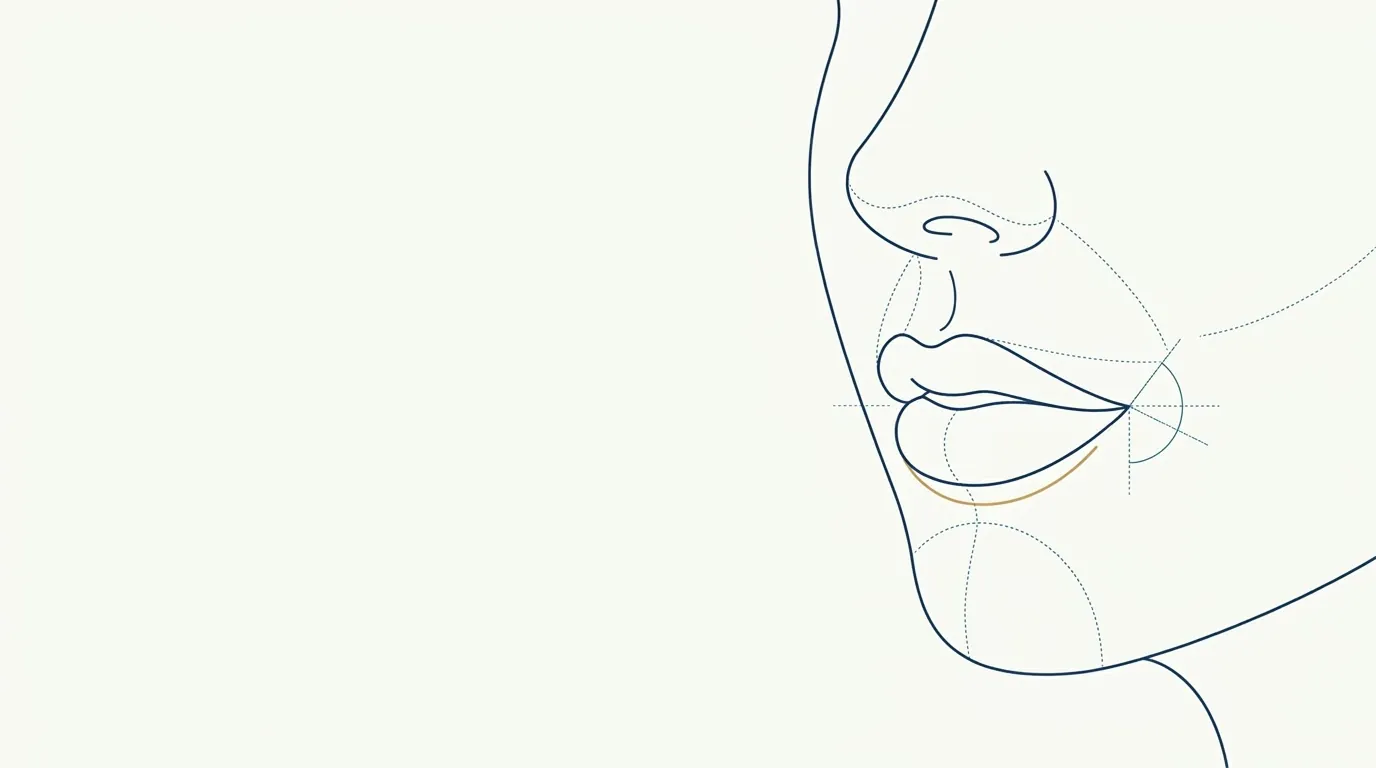 Lip that rolls in when smiling: vermilion and dynamicsWhy the upper lip turns inward and disappears when smiling, how to separate volume, muscle and teeth, and what care goes into the HOF plan.
 Lip with no definition: Cupid's bow and white rollHow to assess a lip with no defined border: Cupid's bow, white roll and vermilion, and how to separate skin, muscle and volume before planning.
 Lips out of proportion with the face: how to assess proportionHow to relate lip size to the nose, chin and lower third before any addition, and when the plan has nothing to do with the mouth.
 Lips that thinned with age: assessment and planHow to assess loss of lip vermilion, projection and contour with aging and build a gradual plan without overdoing it.
 Long face and receding chin: assessing the dolichofacial patternHow to recognize the dolichofacial pattern with a receding chin, read thirds and profile, avoid lengthening the face even more and know when to refer.
 Long face: how harmonization balances the thirdsHow to assess the thirds and width of a long face, what harmonization can do to soften the sense of length, and when bone is the limit.
 Long Lower Third: Assessment and OptionsA vertically elongated lower third: where the height comes from, what injectables can change in appearance, and when the conversation should turn to surgery.
 Long upper lip: assessing the philtrum and the planHow to measure philtrum length, tell a long lip from a retracted lip and plan projection without lengthening the lower third even more.
 Loose skin around the mouth: what facial harmonization achievesLoose skin around the mouth can be volume loss or true laxity. How to tell them apart, what facial harmonization improves and when another approach is needed.
 Low cheekbone apple: assessing the malar pointHow to define the position of the point of greatest cheekbone projection, when the apple has dropped and how this enters the volume and support plan.
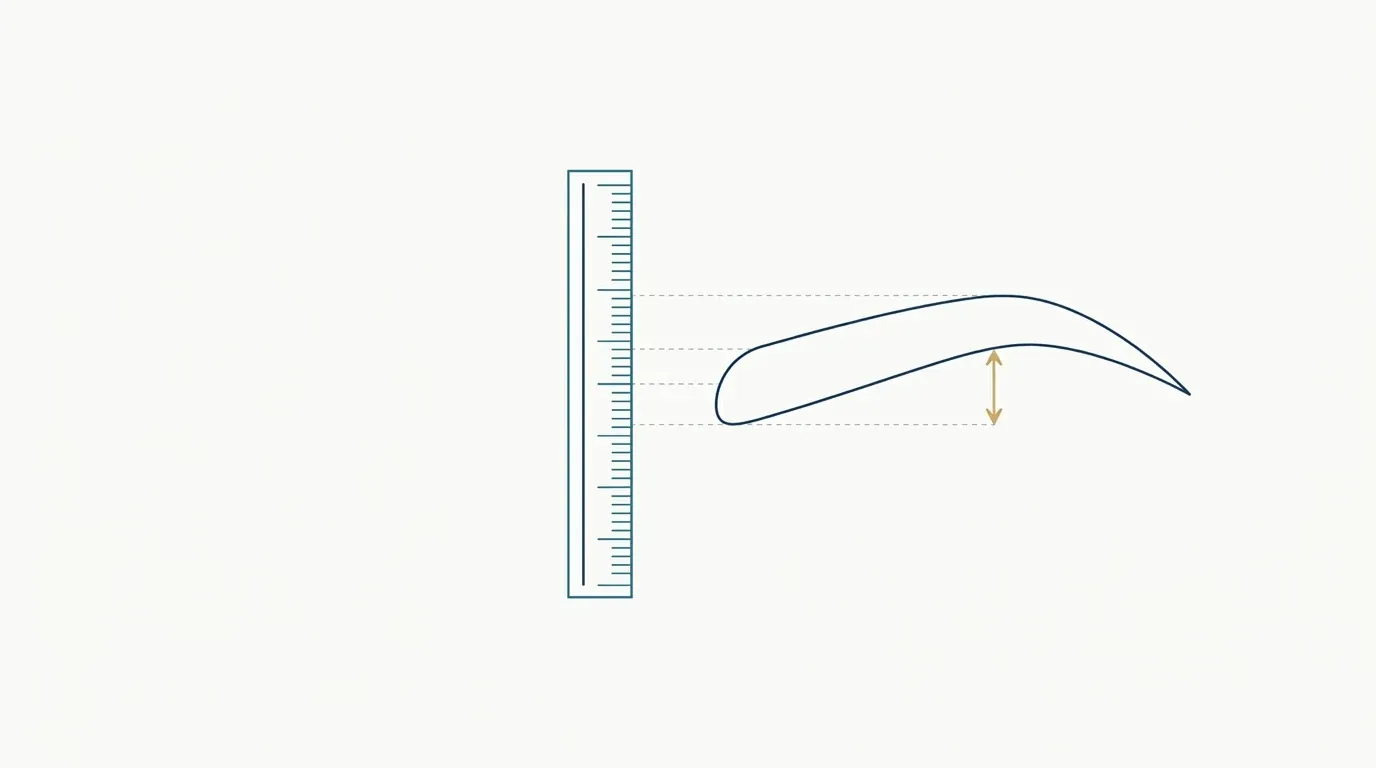 Low eyebrows: causes and how to assess the gazeHow to tell brow ptosis, excess skin and overactive depressors apart when the gaze feels heavy, and how to sequence the plan safely.
 Man with a deep nasolabial fold: assessmentHow to assess the nasolabial fold (smile lines) in men: fat, beard, midface support and the care needed not to erase the fold.
 Man with a double chin: assessment and optionsHow to assess a double chin in men, considering submental fat, thicker skin, the chin and the platysma, and when each option makes sense.
 Man with a tired-looking face: assessment and subtle planHow to assess a tired-looking face in men, why the male plan avoids rounding volumes, and how to build a subtle plan by area and in stages.
 Man with hollow under-eyes: assessment and eye-area careHow to assess hollow under-eyes in men, tell shadow from color, and plan with limits so the eyes don't end up looking feminized or artificial.
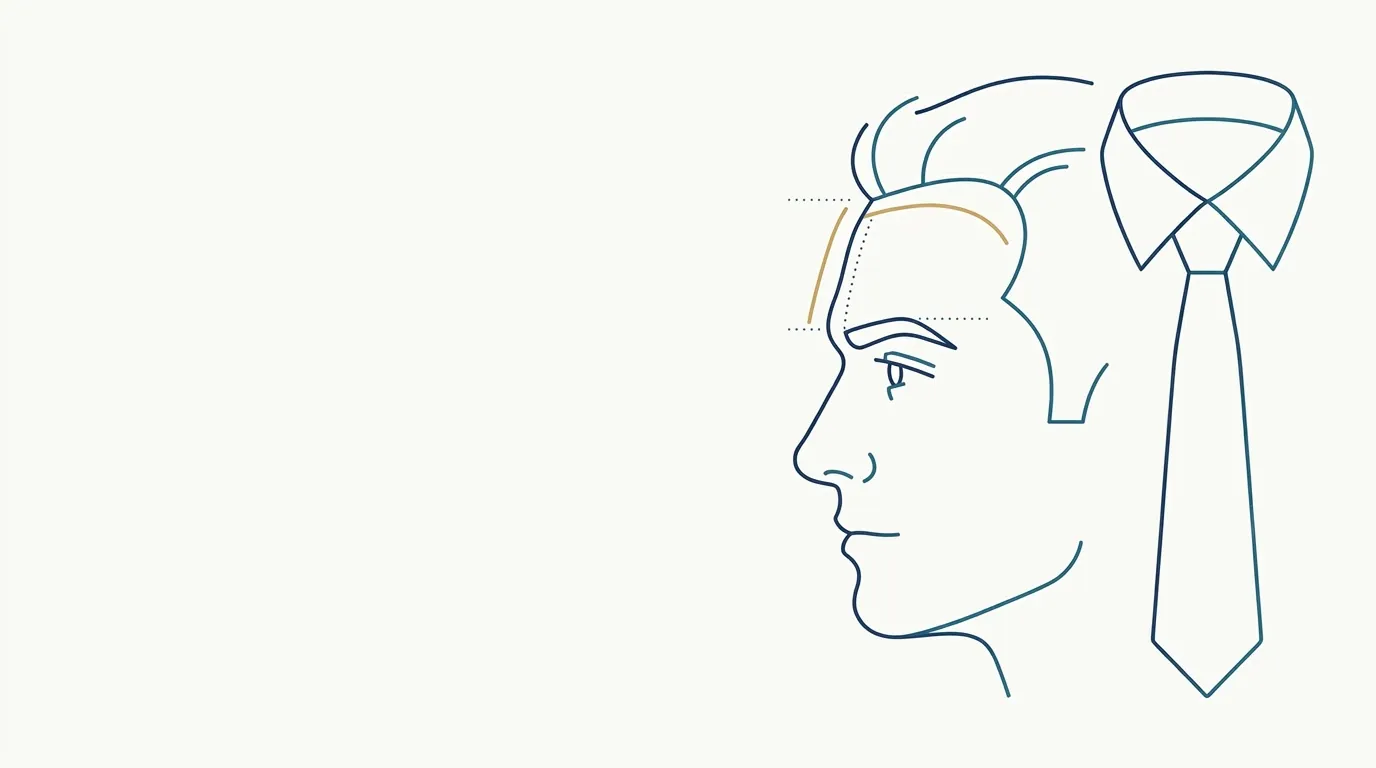 Man with marked forehead and glabella: assessmentWhy a man's glabella and forehead call for a different toxin approach, how to assess muscle, brow and expression, and how to avoid a heavy brow and ptosis.
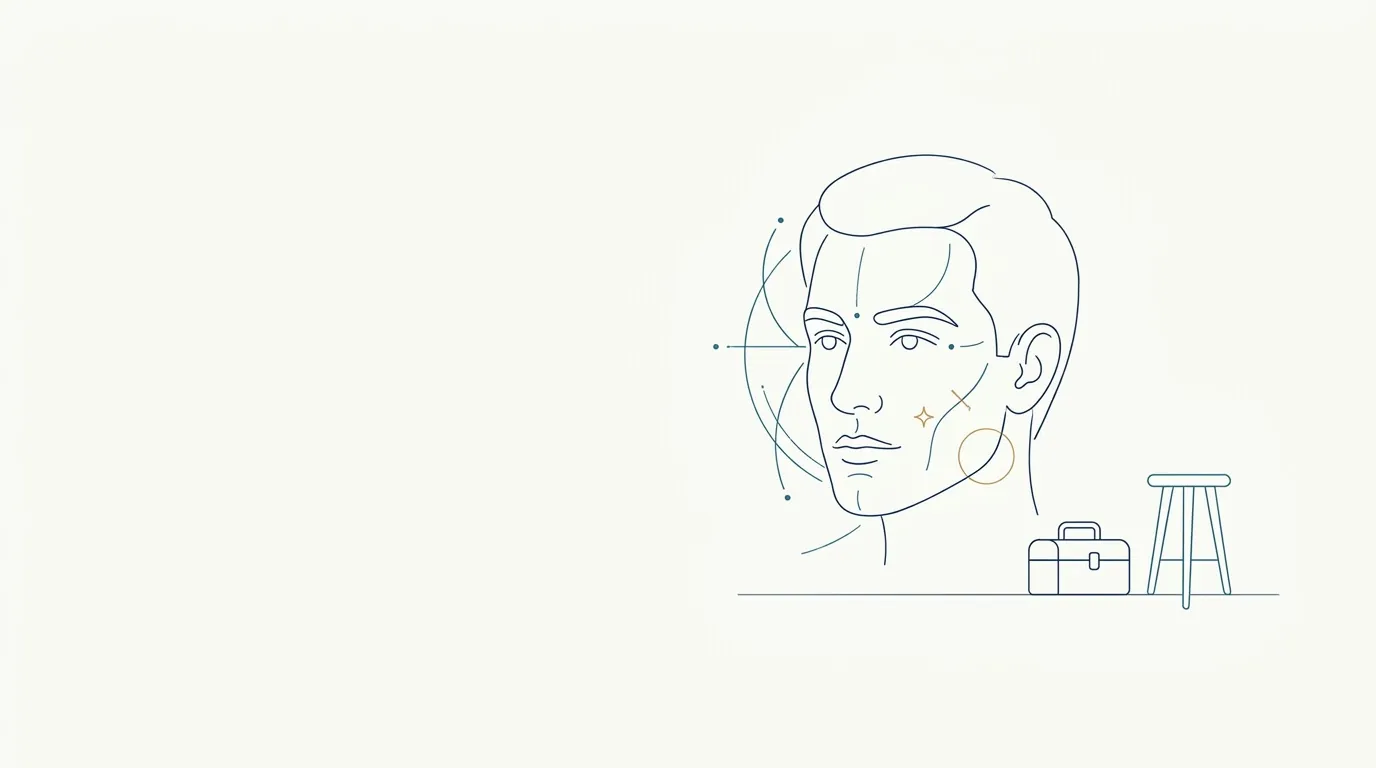 Masculinized face: assessment and softening of featuresWhich forehead, brow, cheekbone, jaw and chin features read as masculine, how to assess each one and what facial harmonization can soften in stages.
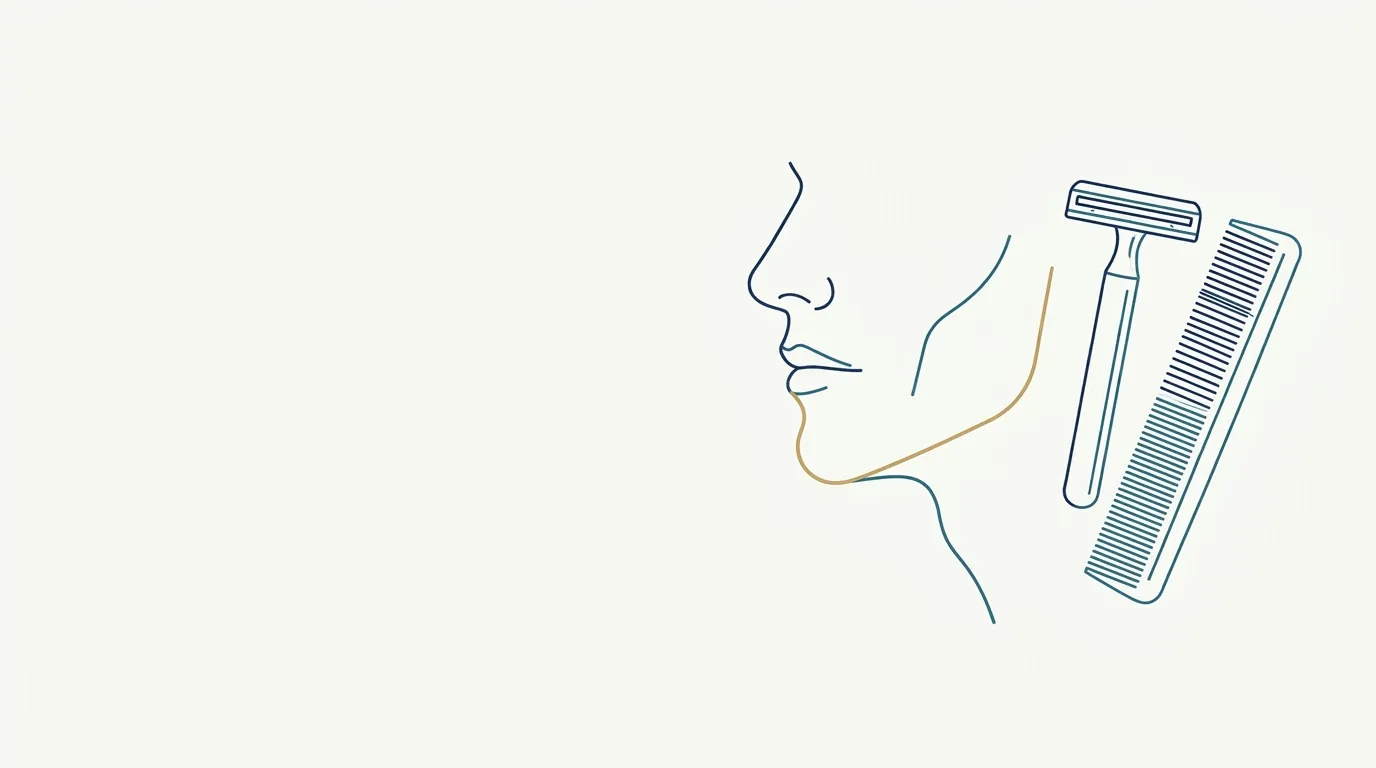 Men with an undefined jawline: assessment and planHow to assess a poorly defined jawline in men, separate bone, fat and skin, and plan the angle and straight line of the contour with limits and naturalness.
 Men with thin lips: what fits in the assessmentHow to assess the concern of thin lips in men, which volume limits to respect and how to keep a natural masculine lip without feminizing the mouth.
 Menopause and the face: what changes in the assessmentHow the drop in hormones relates to loss of collagen, fat and bone in the face, and how to organize the assessment and a plan in stages and with caution.
 Midface descent: how to identify itHow to recognize midface ptosis, tell descent from volume loss, and understand the role of ligaments and fat before defining the plan.
 Midface without projection in profile: how to assessHow to assess a lack of midface projection in profile: cheekbone, maxilla, premaxilla, effects on lips and tear troughs, and projecting without excess.
 Mouth Off the Midline: Evaluating the Smile and FaceHow to tell whether a crooked mouth comes from the teeth, muscle, bone or lip, and what facial harmonization can and cannot adjust before you plan.
 Mouth with a stern or angry look: what to assessHow tension in the mentalis, depressor anguli oris and lines around the lips creates a closed-off expression, and what HOF can and cannot do about it.
 Narrow or too-thin face: how to assess itA narrow face can come from under-projected bone, lateral volume loss or constitution. Learn how to assess it and plan support without widening too much.
 Nasolabial fold different on one side: assessmentOne fold deeper than the other: how to separate asymmetry of skin, bone, teeth and chewing before deciding whether, where and how much to treat on each side.
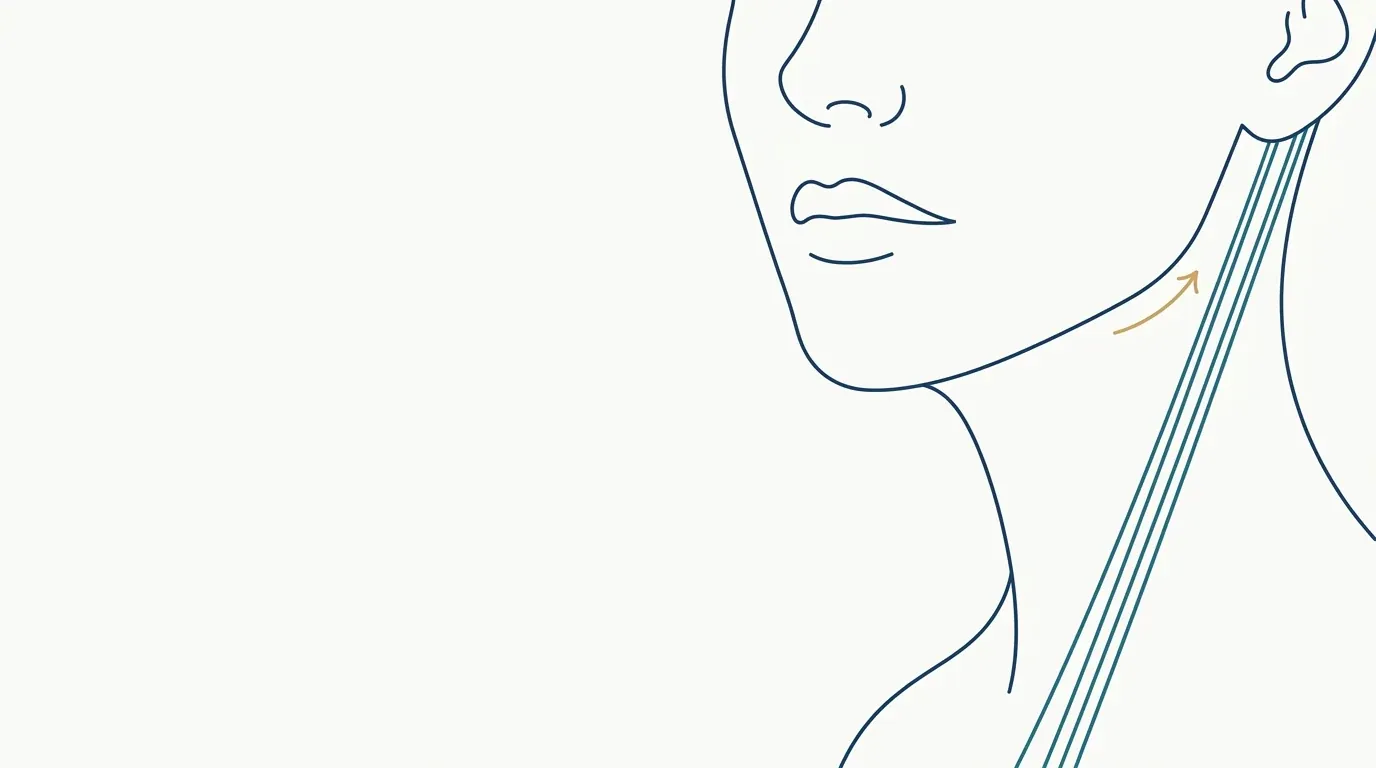 Neck bands: assessing the platysmaNeck bands usually come from the platysma. Learn to tell dynamic bands from skin laxity and fat, and which approaches fit each case.
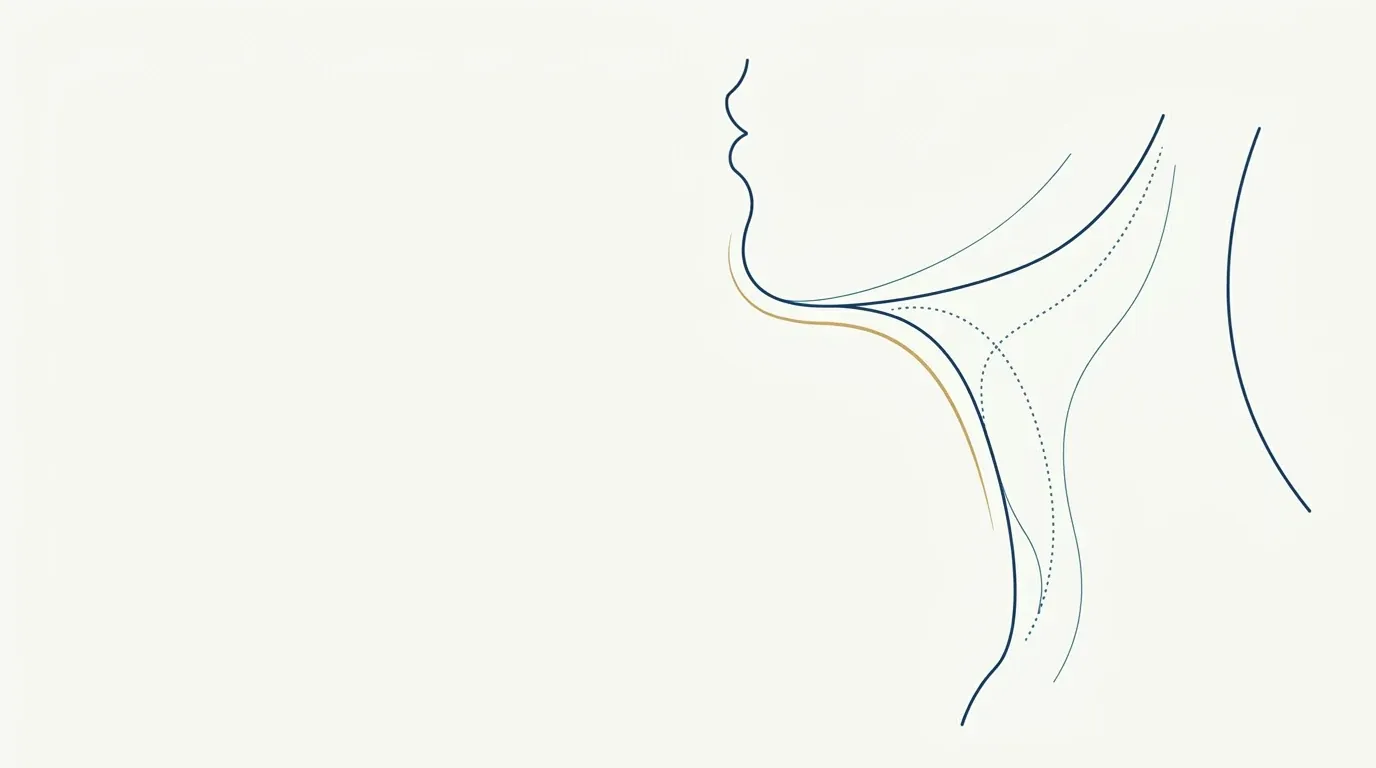 No Separation Between Chin and Neck: AssessmentHow to assess the cervicomental angle when chin and neck blend together, separating fat, bone, skin and posture, and what facial harmonization can define.
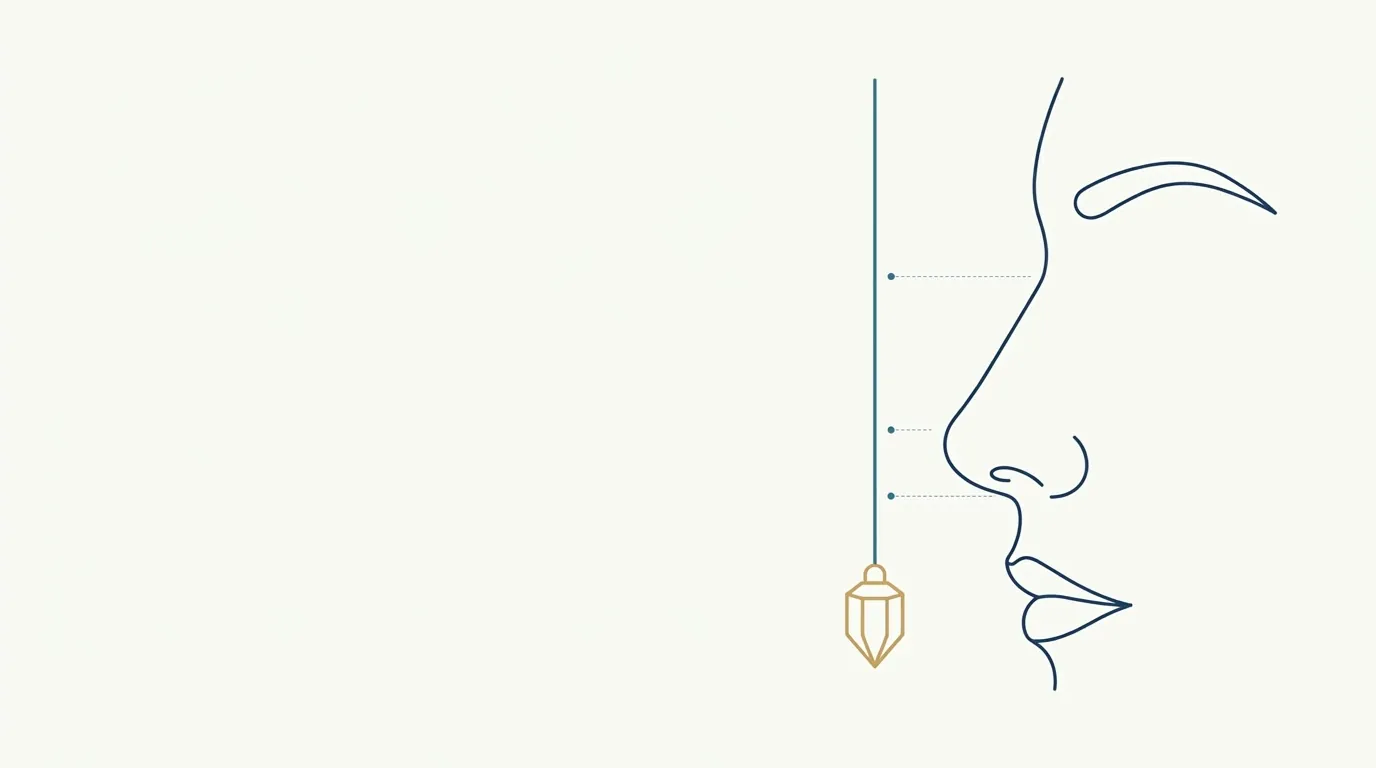 Nose Off the Midline: Real Deviation or IllusionHow to tell a true nasal deviation from an illusion caused by asymmetric eyes, mouth or photo, and what HOF can propose before referring the patient.
 Nose that drops when smiling: depressor septi nasiWhen the tip of the nose drops while smiling, the depressor septi nasi is usually responsible. See how to assess the dynamics and what HOF can discuss.
 Nose With a Hump: What Harmonization Can and Cannot DoA nose with a hump can look smaller with optical camouflage, but HOF does not remove bone. See the limit, the risks and how to talk with the patient.
 Open Bite and Facial Appearance: What to AssessHow an open bite changes the lower third and the lips, what facial harmonization can compensate for, and when the path is orthodontic or surgical.
 Orange-Peel Chin Texture: What to AssessWhy the chin looks like orange peel, the role of the mentalis muscle and the skin, and when toxin, volume or other options belong in the plan.
 Orthodontics and profile change: when to wait for HOFMoving the teeth changes the profile. See why to wait for stabilization before planning HOF, what to reassess and how to align the patient's expectations.
 Overdone face after fillers: how to replanAccumulated filler excess leaves the face out of proportion. Learn how to reassess, what to dissolve, what to keep and how to replan without rushing.
 Overly full face: assessing cheek volumeA face that is too full or round: how to separate fat, muscle, bone and swelling, and why removing or redistributing volume may beat adding more.
 Overprojected lower lip: vermilion and chin positionAssessing a lower lip that looks prominent: vermilion, chin position, profile and teeth, and the limits of what facial harmonization can offer.
 Patient who cannot say what bothers them: guided assessmentA script for the patient who says something bothers them but cannot say what: questions, the photo as support, their own words and a staged plan.
 Patient who only says they want to look better: investigatingQuestions, mirror, and photo to turn a vague concern into a concrete plan, and how to handle a patient who cannot say what bothers them.
 Pillow face: what it is and how to avoid itPillow face is excess volume in the cheekbone and cheek that leaves the face rounded and artificial. Understand the cause, how to read it and how to correct it.
 Pointed chin: how to balance the lower thirdHow to assess chin width against the jaw and understand how a pointed chin shapes the face, with balancing options in facial harmonization.
 Prominent eyes: what harmonization does not solveBulging or prominent eyes can be anatomy, eyelid retraction or a clinical sign. See what to assess, what HOF does not solve and when to refer.
 Prominent forehead: what harmonization can offsetProjected forehead or prominent brow ridge: why HOF balances the surroundings, glabella and gaze, more than it reduces the forehead, and what the limits are.
 Protruding Mouth: Assessment and ReferralHow to assess lip and tooth projection in profile, use the reference lines and decide when harmonization helps and when the case should be referred.
 Puffy face: fluid retention, fat or excess volumeHow to tell swelling, fluid retention, fat and old filler apart in a puffy face, before deciding on any aesthetic or clinical approach.
 Purple or dark under-eye circles: what filler changesPurple or dark under-eye circles can be vascular, pigmentary or structural. See how to tell the type apart before deciding what filler can really change.
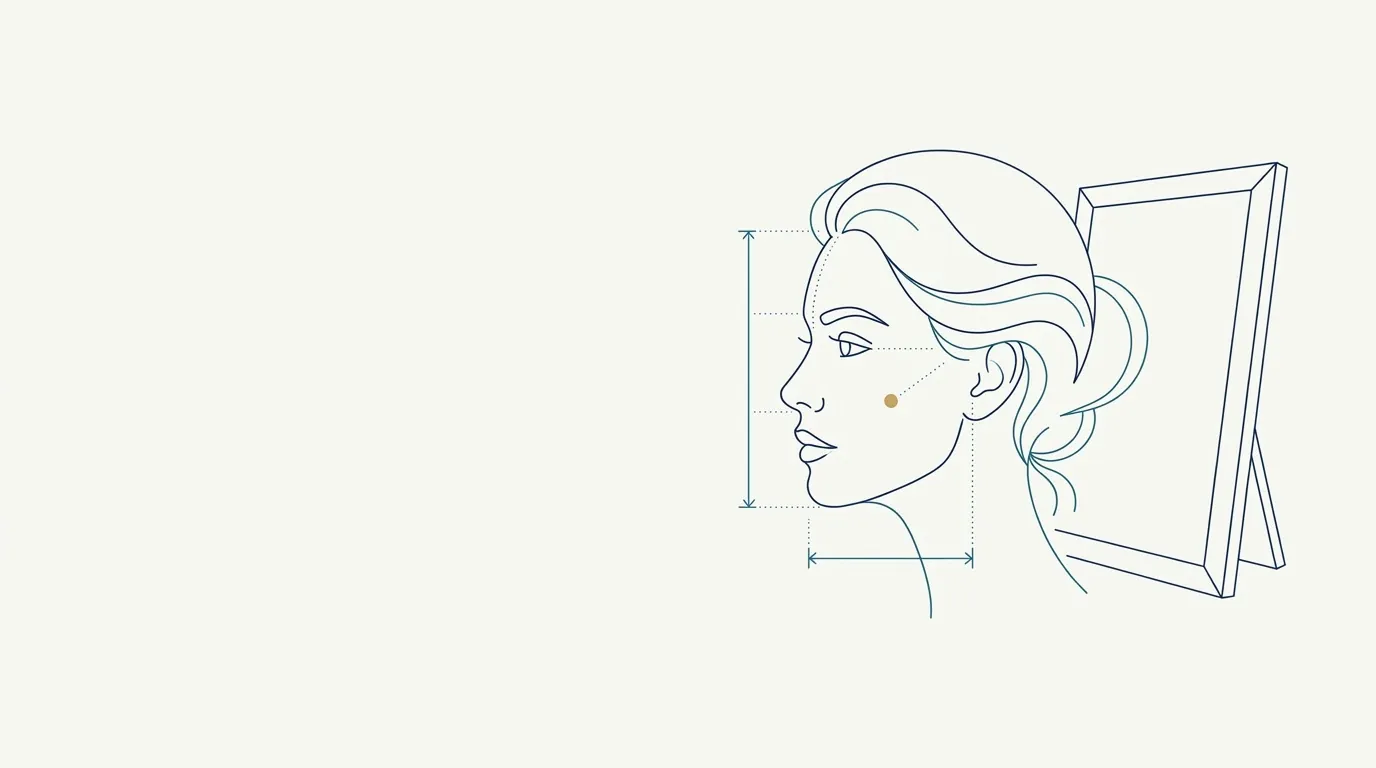 Recessed Chin: Assessment and Options in HarmonizationHow to measure chin retrusion in profile, tell a small chin from a recessed jaw and decide what facial harmonization does in each situation.
 Resting angry face: what to assessWhy some faces look angry or irritated when they are not: the role of the glabella, mouth and gaze, and how to plan conservatively.
 Round Face: Assessment and What Harmonization Can ChangeHow to separate wide bone from cheek volume in a round face, and how chin, jawline and cheekbone create the look of length without promising a new shape.
 Sad Mouth: Drooping Corners and What Harmonization DoesMouth corners turned down by muscle, ptosis and volume loss: how to tell each cause apart, what harmonization offers and where its limits lie.
 Sad or dull smile: what to assessHow to assess a smile that does not reach the face: smile muscles, mouth corners, lower third volume and what facial harmonization can adjust in stages.
 Sad-looking eyes: causes in the eyelid, dark circle and browSad-looking eyes can come from the tilt of the eye corner, under-eye shadows or a drooping brow tail. See how to separate the causes and plan.
 Sad-looking face at rest: how to assess the expressionHow to assess the resting expression when the face looks sad without being sad: mouth corners, brow, tear trough and folds, and how to order the plan.
 Sagging cheeks: how to assess midface descentHow to recognize fat descent and ligament loss in the midface, why the triangle of youth inverts, and what facial harmonization offers in stages.
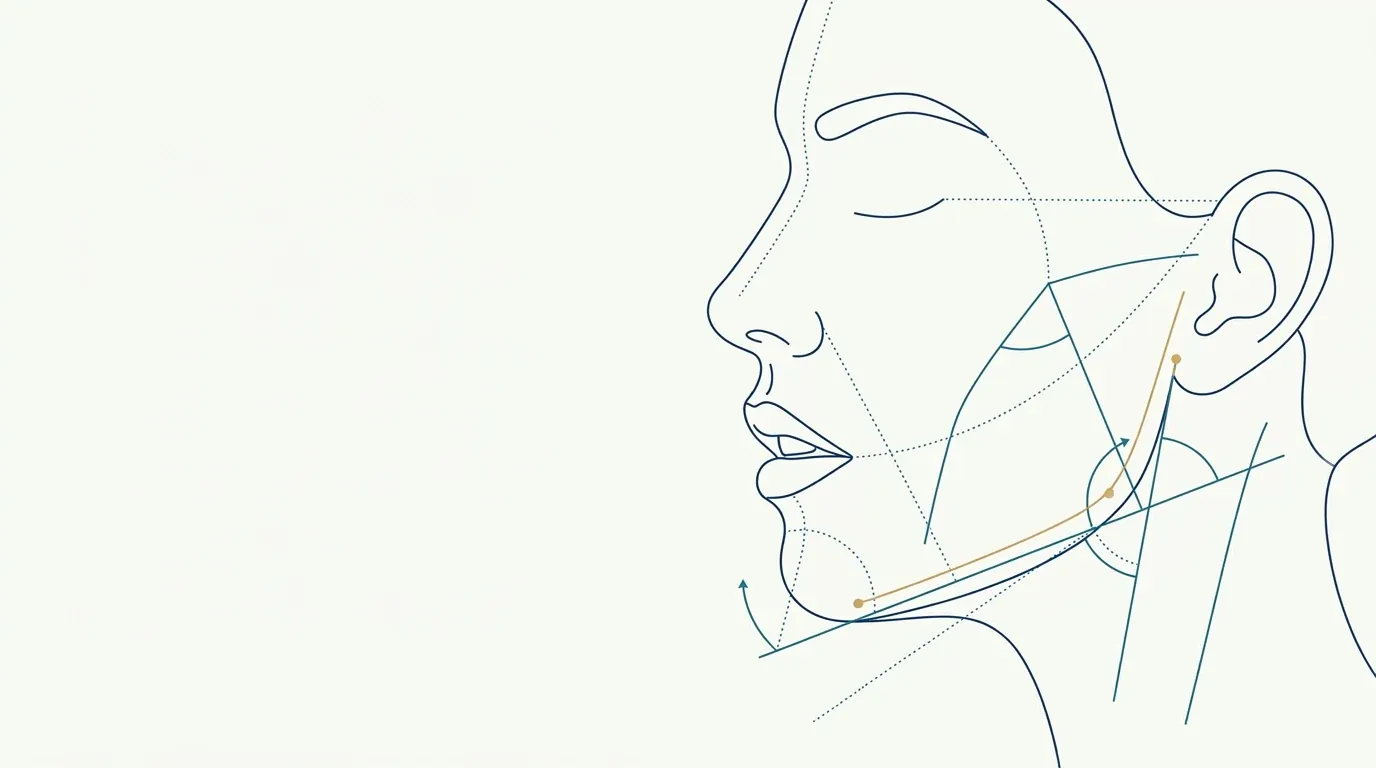 Sagging face in a young person: causesFacial laxity before age 35 calls for investigation: weight, genetics, sun, smoking, collagen and habits. See what to assess and what can be done.
 Sagging face: assessing the layers and optionsHow to separate loss of support, fat ptosis and skin laxity in a sagging face, and what HOF offers in each case, with clear limits.
 Sagging facial contour: loose tissue or fat?How to tell a loose facial contour from one with accumulated fat, choose between support, biostimulation and other routes, and avoid excess volume.
 Sagging facial skin: what is volume and what is skinSagging facial skin can come from volume loss, loose ligaments or thin skin. Learn to separate what a biostimulator improves from what needs another approach.
 Sagging jawline: fat, skin or ligamentWhy the jawline loses definition over time, which layers enter the assessment and what harmonization can and cannot do about it.
 Shadow beside the nose: nasolabial fold and cheekboneWhat causes the shadow beside the nose, how the nasolabial fold and cheekbone shape it, and when midface support should come before filler.
 Shadow under the lower lip: the labiomental foldWhat causes the shadow under the lower lip, how to assess the labiomental fold and chin, and when projecting the chin or treating the fold fits the plan.
 Shadow under the nose: what it is and what to assessWhy a shadow under the nose shows up in photos, how the nasal base, upper lip and light interact, and when HOF has a role in this concern.
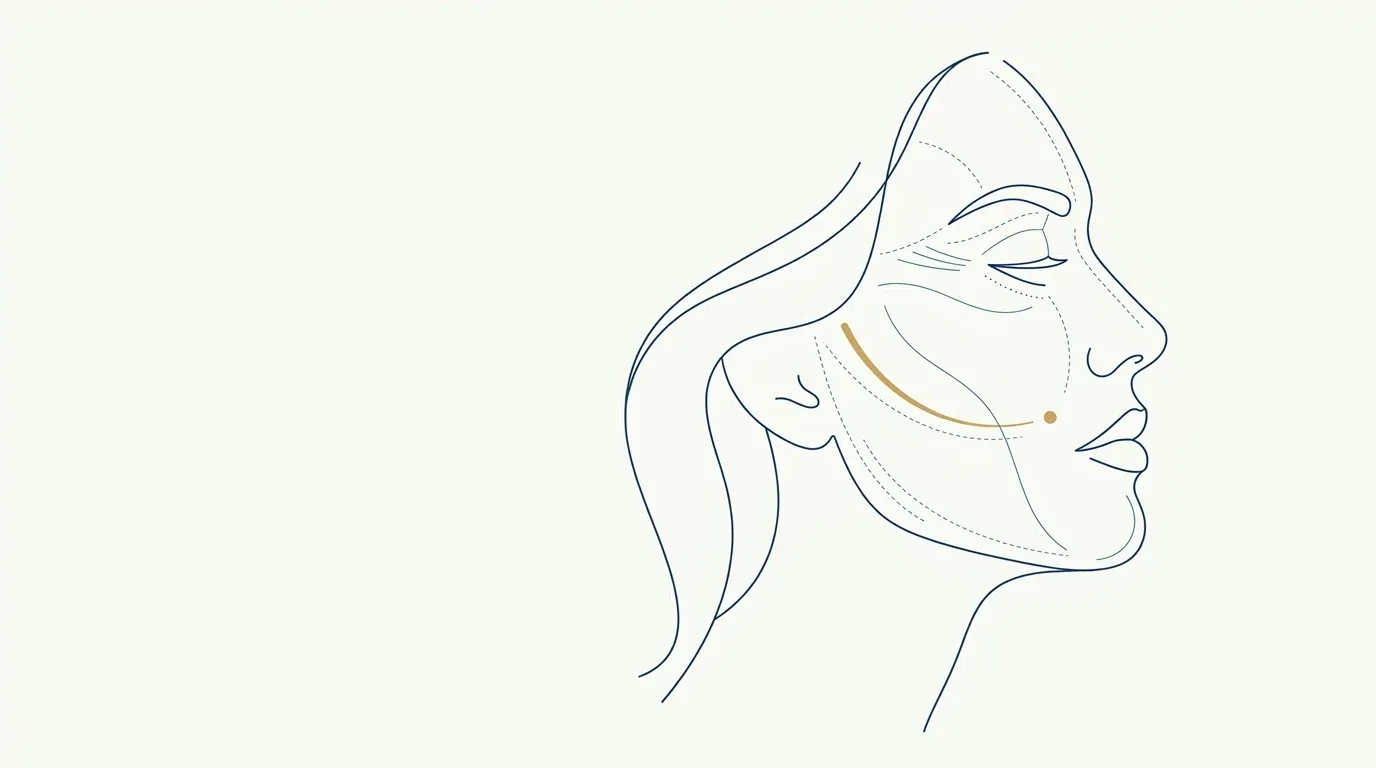 Shadows on the face: what the photo reveals about structureHow to read the shadows in an assessment photo as clues to volume, projection and support, telling light shadows apart from structural shadows.
 Short face and receding chin: assessing the brachyfacial patternHow to recognize the brachyfacial pattern with a receding chin, measure thirds and profile, and understand what volume can and cannot do in this type of face.
 Short Lower Third: Low Chin and What to DoA short lower third of the face: how to measure it, the role of the bite and the chin, and what chin filler can and cannot add in height.
 Short neck: what facial harmonization balancesA short neck is a matter of proportion: jawline, double chin and cervicomental angle change how it reads. What HOF balances and what it does not change.
 Short or low forehead: assessment and proportionShort forehead, low brow, and heavy gaze: how to assess the relationship between the brow and the hairline and what toxin and volume can or cannot change.
 Skeletal-looking face: loss of fat and boneTemple, orbit and cheekbone combined give a skeletal look in very thin faces. Learn how to read each area and plan volume restoration with caution.
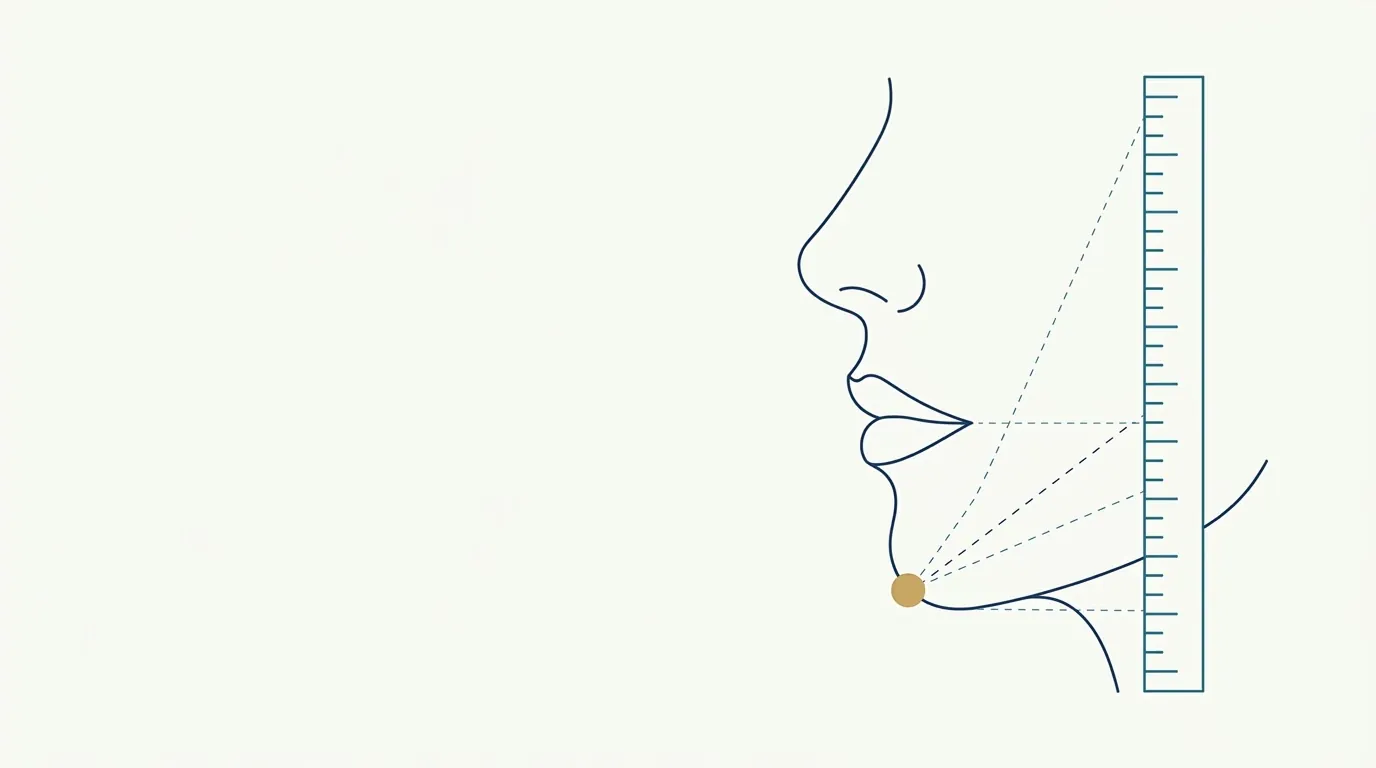 Small Chin: How to Assess It and When to FillHow to compare projection, height and width of the chin before deciding volume for a small chin, and when filler makes sense in the plan.
 Small eyes: how harmonization changes perceptionSmall eyes can look larger with adjustments to the brow, eyelid and under-eye area, but HOF does not change the eye. See what shapes apparent size.
 Small Mouth: Assessing Width and VolumeHow to separate a narrow mouth from thin lips, assess the commissure and proportion, and balance the lower third without creating an artificial mouth.
 Smile that shows little tooth: assessing the upper lipWhen the upper lip covers the teeth while smiling: what to measure at rest and in motion, what volume can and cannot fix, and how to manage the case.
 Smoker's face: skin, lines and volumeDull skin, lip lines and loss of glow in a smoker's face: what facial harmonization can soften, what it cannot change and how to talk to the patient.
 Square chin in women: assessment and softeningHow to assess a square chin in women, measure chin width and the jaw angle, and soften the contour without masculinizing it or losing the patient's identity.
 Square Face From Bruxism: What to AssessHow a masseter enlarged by bruxism changes face shape and causes pain, what to assess at the consultation and when botulinum toxin enters the plan.
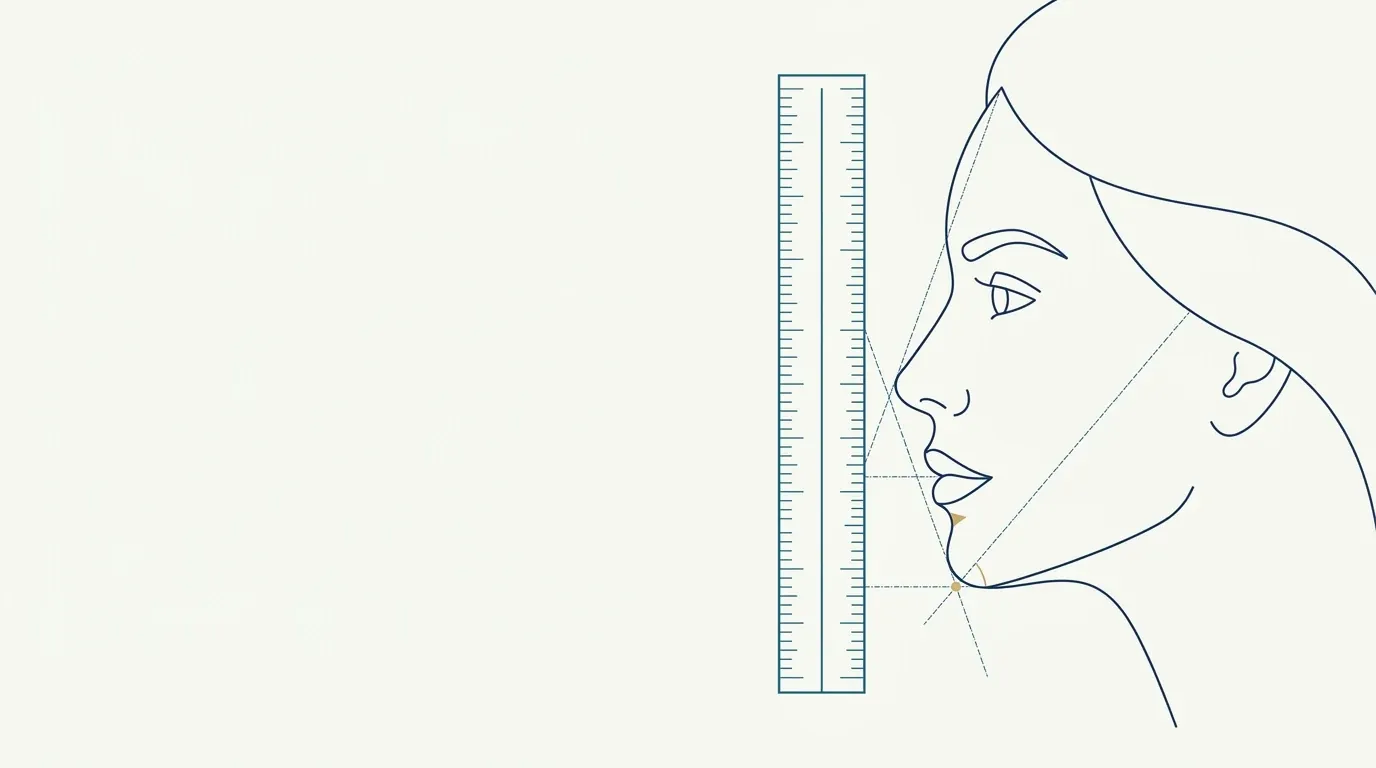 Straight profile: assessment and projection pointsA straight profile is balanced between forehead, nose, lips and chin. See how to assess the lines, where small tweaks matter and when to leave it alone.
 Sunken eyes and low cheekbones: a midface planSunken eyes and low cheekbones often go together. See how the tear trough and midface relate in the projection and what order to plan in.
 Sunken eyes: assessing the orbit and fatSunken eyes can come from bone loss in the orbit or deep fat loss. See how to assess them, what facial harmonization can soften and when to refer.
 Sunken upper eyelid: causes and assessmentA sunken upper eyelid ages the gaze through fat and bone loss. See the causes, what to assess and why volume in this area demands so much caution.
 Tense jaw and its effect on facial harmonyHow jaw tension, bruxism and pain change the shape of the lower face and what to consider before planning toxin or filler.
 Thin lips and a gummy smile: how the plan changesWhy gum exposure when smiling changes the approach for thin lips, what to separate during assessment and which options to discuss with the patient.
 Thin skin at 60: how to plan volume with careThin skin at 60 changes how volume looks and behaves: what to assess, how to dose, which irregularities appear and when to favor skin quality instead.
 Thin skin under the eyes: when HOF and when skincareThin skin under the eyes can be skin, a volume groove or pigmentation. How to tell them apart, what facial harmonization treats and what calls for skin care.
 Thin upper lip and thick lower lip: assessing the proportionHow to assess the ratio between a thin upper lip and a fuller lower lip, what counts as normal variation and how to avoid a plan that unbalances the face.
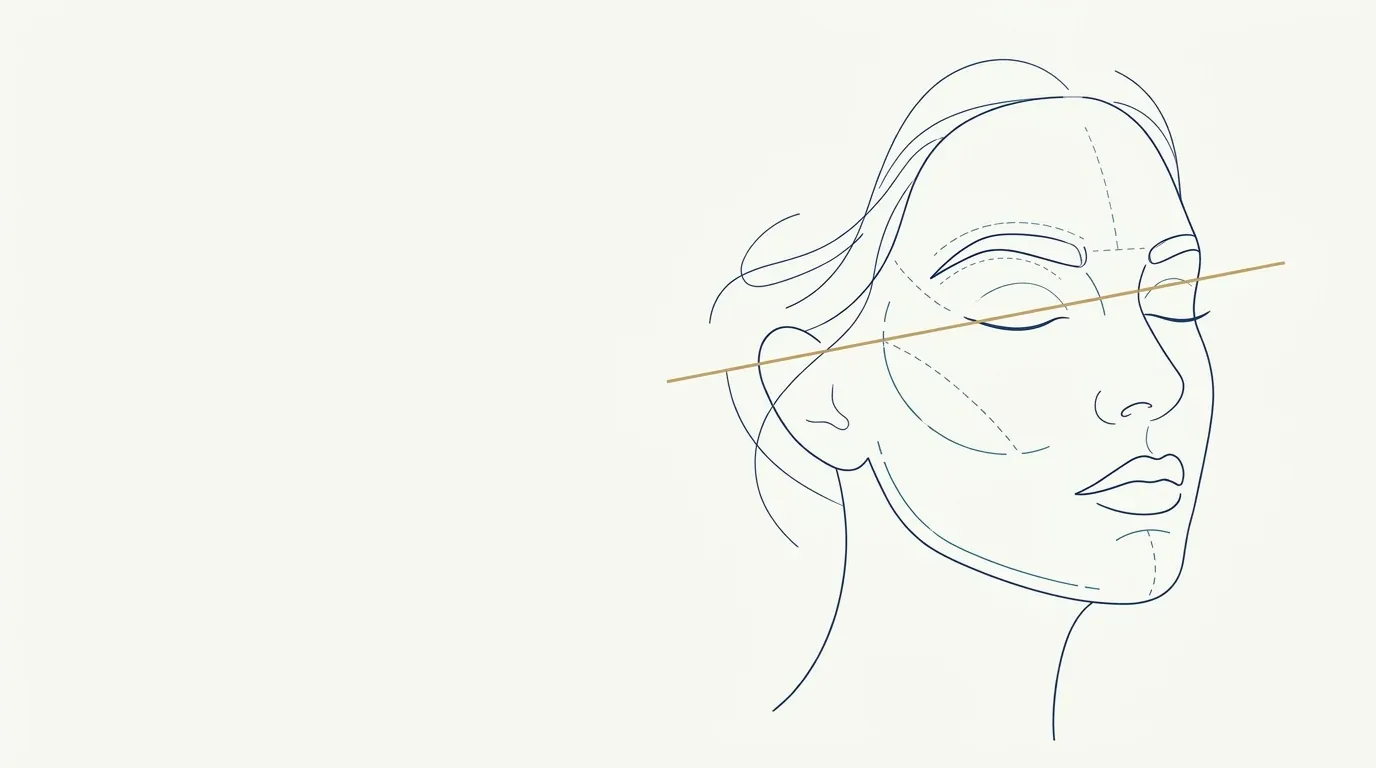 Tilted bipupillary line: what it changes in the planA tilted line between the pupils reveals uneven eye height. Learn to use the bipupillary line as an alignment reference when planning.
 Tired-looking face: causes and how to planUnder-eye shadows, folds, volume loss and skin that create a tired look: how to map each factor and plan conservatively, without promising results.
 Too-smooth or plastic-looking face: how to assess and fixWhy excess toxin and volume leave the face smooth, still and artificial, how to recognize the picture in the consultation and how to replan treatment.
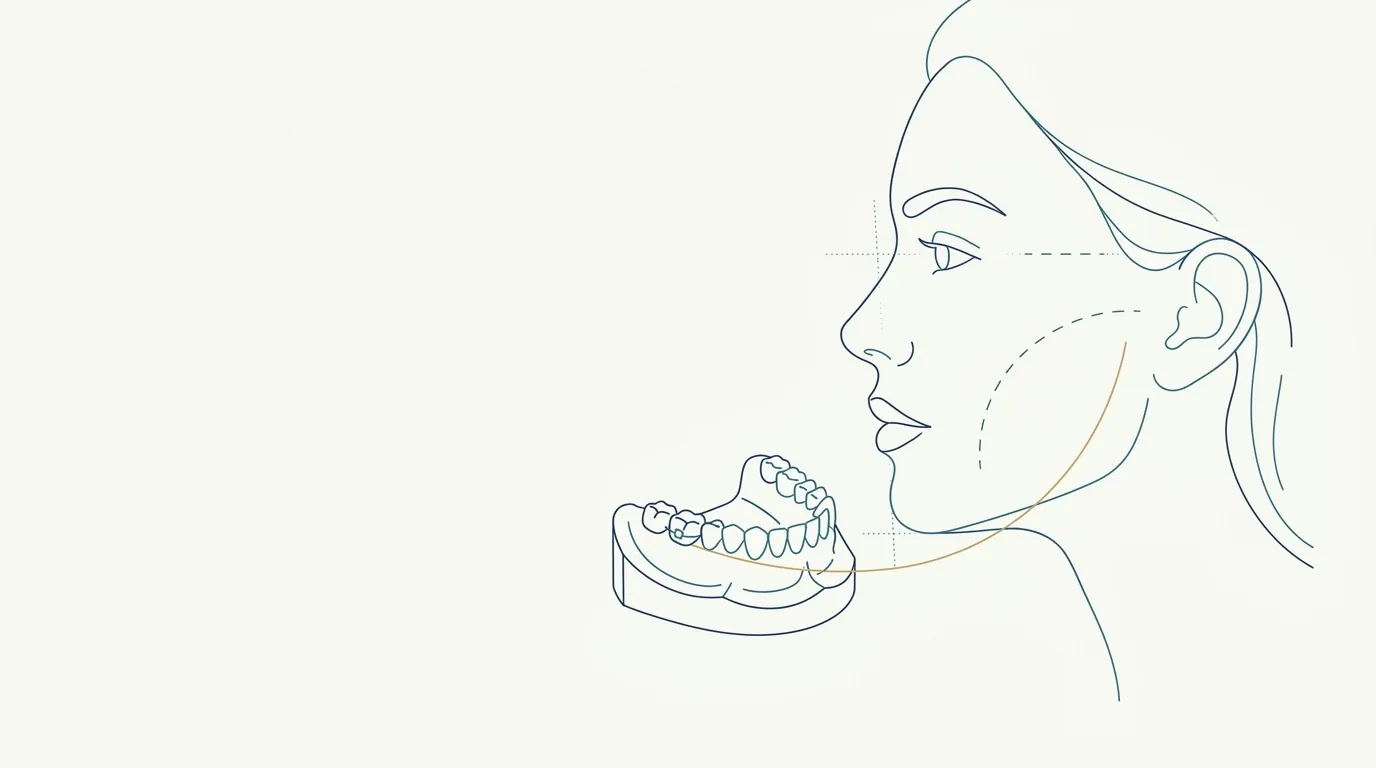 Tooth loss and the face: effects on facial harmonyHow tooth loss collapses the lower third, sinks the lip and reduces vertical dimension, and how to combine HOF with dentistry without skipping steps.
 Triangular face: balancing a narrow forehead and a wide jawHow to measure the relative width of forehead, cheekbone and jaw in a triangular face, and when temples, cheekbones and masseter belong in the balance plan.
 Undefined Face: Where Structure Is MissingHow to assess the cheekbone, jawline and chin as the structure that gives the face definition, and how to prioritize the plan when everything looks flat.
 Under-eye bags: assessment and referralHow to tell fat pads, malar bags and swelling apart, why filling the tear trough can worsen a bag, and when to refer for surgery.
 Uneven face after filler: assessment and planHow to investigate uneven volume between the sides after filler, separate swelling from true asymmetry and replan the correction safely.
 Uneven face after toxin: how to assess itHow to separate the effect of botulinum toxin from asymmetry that was already there, when to wait for peak effect, and how to run the follow-up visit.
 Upper Third Out of Proportion With the Rest of the FaceA forehead and upper third out of scale with the face: how to measure, the effect on harmony and what HOF can adjust without promising to change bone or hair.
 Vertical lip lines (barcode lines): assessmentHow to separate vertical upper lip lines from volume loss and habits like smoking or using straws, and what each approach can and cannot do.
 Weak jaw angle: how to assess itHow to measure the gonial angle in a photo, tell bone from masseter and fat, and discuss jaw definition with the patient without overdoing the volume.
 Weak or undefined jawline: causes and assessmentHow to separate a poorly projected jaw from fat and laxity over the contour, assess the angle and chin, and propose a plan in stages.
 Whole-face concern: how to split it into stagesHow to break a broad concern, like a tired or aged face, into plan phases with entry, reassessment, and exit criteria, without excess volume.
 Wide face: what is bone, muscle or fatHow to tell an enlarged masseter, zygomatic or mandibular bone and buccal fat apart in a wide face, and which approaches make sense in each case.
 Wide forehead and narrow chin: what to balanceHeart-shaped face with a wide forehead and narrow chin: how to measure the width relationship between thirds and what HOF can balance, with caution.
 Wide nose: what it can be and what HOF can doA wide nose can come from bone, the tip or the nostril wings. Understand each origin, what nonsurgical rhinoplasty cannot do and how to guide the conversation.
 Wide nostril wings: causes and what HOF can doHow to tell a truly wide nasal ala from a broad nasal base and the effect of the neighboring fold, and what harmonization can and cannot do for base width.
 Wide zygomatic arch: where HOF reaches its limit in the midfaceHow to separate bone from soft tissue volume in a face with a wide zygomatic arch, what HOF can adjust, and when to explain that bone does not change.
 Witch's Chin: Chin Ptosis and Treatment OptionsHow to recognize witch's chin, chin ptosis and the associated neck laxity, and what facial harmonization can and cannot do in this picture.
 Withered Mouth: Volume Loss Around the LipsWhy the mouth ages across the whole perioral area and not just the lip, how to assess each layer and what harmonization can offer in stages.
 Woman With Masculine Facial Features: A Conservative ApproachHow to assess forehead, jaw and chin in a woman bothered by masculine features, without erasing her identity and without promising a new face.
 Wrinkled chin skin: causesWrinkled or orange-peel chin skin: how to tell lines from an overactive mentalis, volume loss and skin texture, and the approach for each case.