
Face of heavy trainers: low body fat and volume

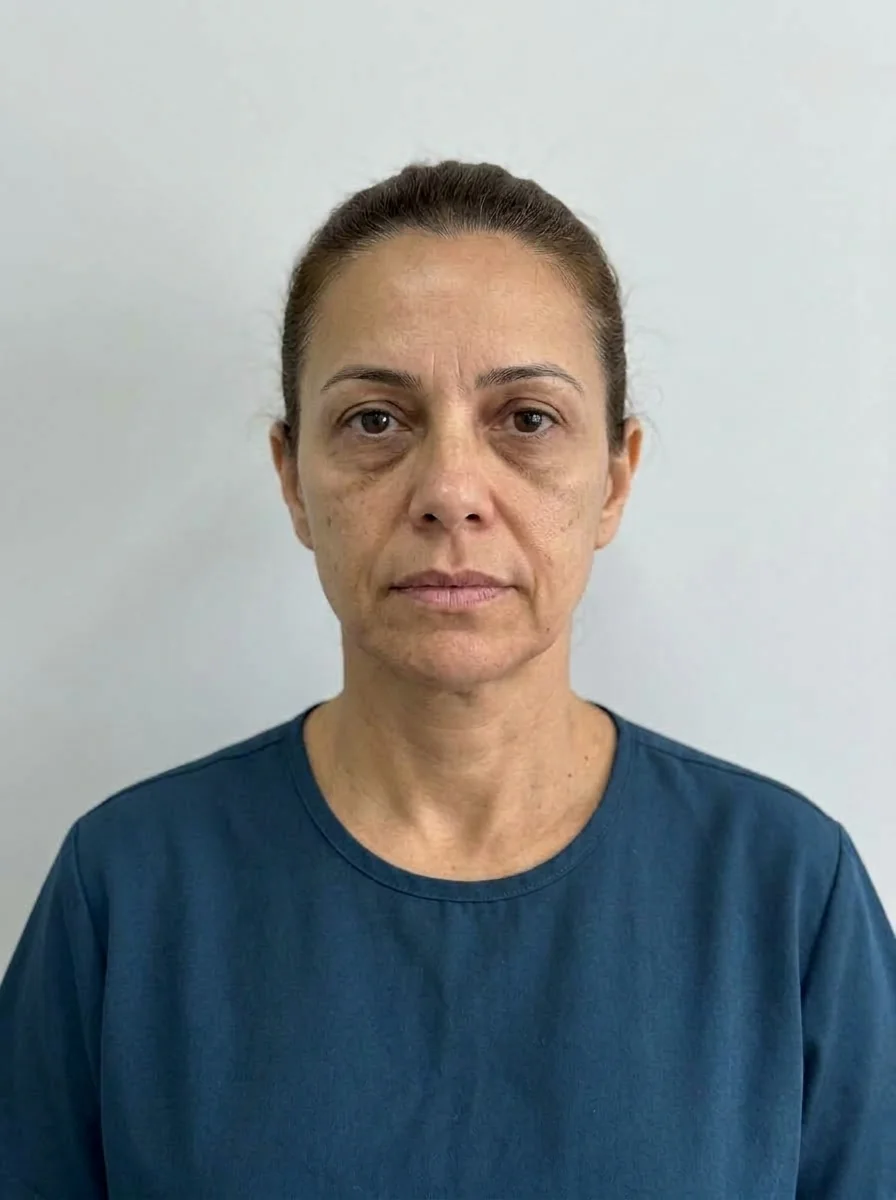 BeforeSimulation
- Highlighted area
Quick facts
- Concern
- A face that has become thin, hollow or "dry" in someone who trains and controls their diet
- Key insight
- Low body fat reduces facial volume, and the plan needs to respect the routine
- Supporting measure
- Photo with light from above, diet and training history, and comparison with a heavier phase
- Limit
- Volume does not follow the athlete's weight cycle, and cutting phases may call for postponing
People who train with discipline often arrive at the clinic with a concern that contrasts with their body: the body is defined and the face looks tired. The patient describes sunken cheeks, hollow temples and deeper tear troughs. Friends and colleagues comment that they "look older than their body," and competition or social media photos confirm the impression.
The most common cause is simple: low body fat and a restrictive diet reduce the fat in the face along with the fat in the rest of the body. This page helps you assess that loss, talk about the weight cycle of someone who trains and plan restoration without creating a disproportionate face. For related cases, see gaunt face, skeletal-looking face and gym after facial harmonization.
Why does the face of someone who trains change?
The face follows the changes in the body. With a reduced body fat percentage, the superficial and deep fat of the cheek and temple decreases. The masseter, on the other hand, may become more prominent in people who clench their teeth during exertion or use supplements that stimulate chewing. The face becomes angular and thin, with shadows that the patient interprets as tiredness or aging.
The phenomenon varies a lot between people. Some keep a full face even with a lean body, while others quickly lose facial volume. Genetic predisposition and fat distribution count as much as diet. The page on facial fat compartments details how each area reacts.
Is the weight cycle a planning factor?
Yes, and perhaps the most important one. Athletes and intense exercisers have bulking and cutting phases. The face changes with them. Restoring volume at the peak of a cut can produce an exaggerated face when the weight comes back. Restoring it at the peak of a bulk may not solve the concern in the lean phase. The conversation needs to include this, and the plan should be conservative in both.
| Phase | Look of the face | Care in the plan |
|---|---|---|
| Cutting or competition | Hollow, angular, evident tear trough | Avoid deciding volume from the leanest face |
| Maintenance | Stable face | Best moment to plan |
| Bulking | Fuller face | Earlier volume may look excessive |
| Rapid transition | Frequent change | Wait for it to stabilize |
For the planning logic with weight swings, see planning HOF for someone losing weight fast and gaunt face after weight loss.
What to assess in the exam?
The exam of someone who trains has its own quirks. Look at the masseter, which may be hypertrophied and change how the lower third reads. Palpate the cheek at rest and with the teeth clenched. Assess skin thickness, which may be thin in someone with very little fat. And ask about the use of supplements, anabolic steroids and other substances, because they affect fluid retention, skin and clotting. The topic is covered in anabolic steroids and aesthetic procedures on the face.
A strong masseter deserves its own attention. In some patients, the plan combines restoration in the cheekbone or temple with a decision about the masseter, always at the discretion of the qualified professional. The relationship between the two is in jaw and masseter combined.
What can facial harmonization offer?
In general, the plan is one of discreet support. The temples and cheekbone are the areas that most change how a thin face reads, and the tear trough comes later, if it still bothers the patient. In athletes, the challenge is keeping the definition the patient values. The goal is usually to soften the shadow and bring back a little support, not to "fill" the face.
Temple filler and cheekbone filler are the most discussed paths, always in conservative volumes. Like any hyaluronic acid injection, they require hyaluronidase to be available and knowledge of vascular anatomy, with special care in the temples. The risks include swelling, bruising, asymmetry, nodules and, rarely, vascular occlusion, and the patient must be informed.
There is also the topic of training after the procedure. Intense exertion, heat and inverting the body increase blood flow to the face and can favor swelling and bruising. Guidance on returning to training should be given in writing, according to the professional's protocol, and gym after facial harmonization is worth checking for the most common questions.
How to build the plan?
Start in the maintenance phase if possible, with a small amount. Reassess after a few weeks, and only then consider a second stage. If the patient enters a cutting phase, let the professional know and postpone. The plan is an ongoing conversation.
How does Harmy show the gain?
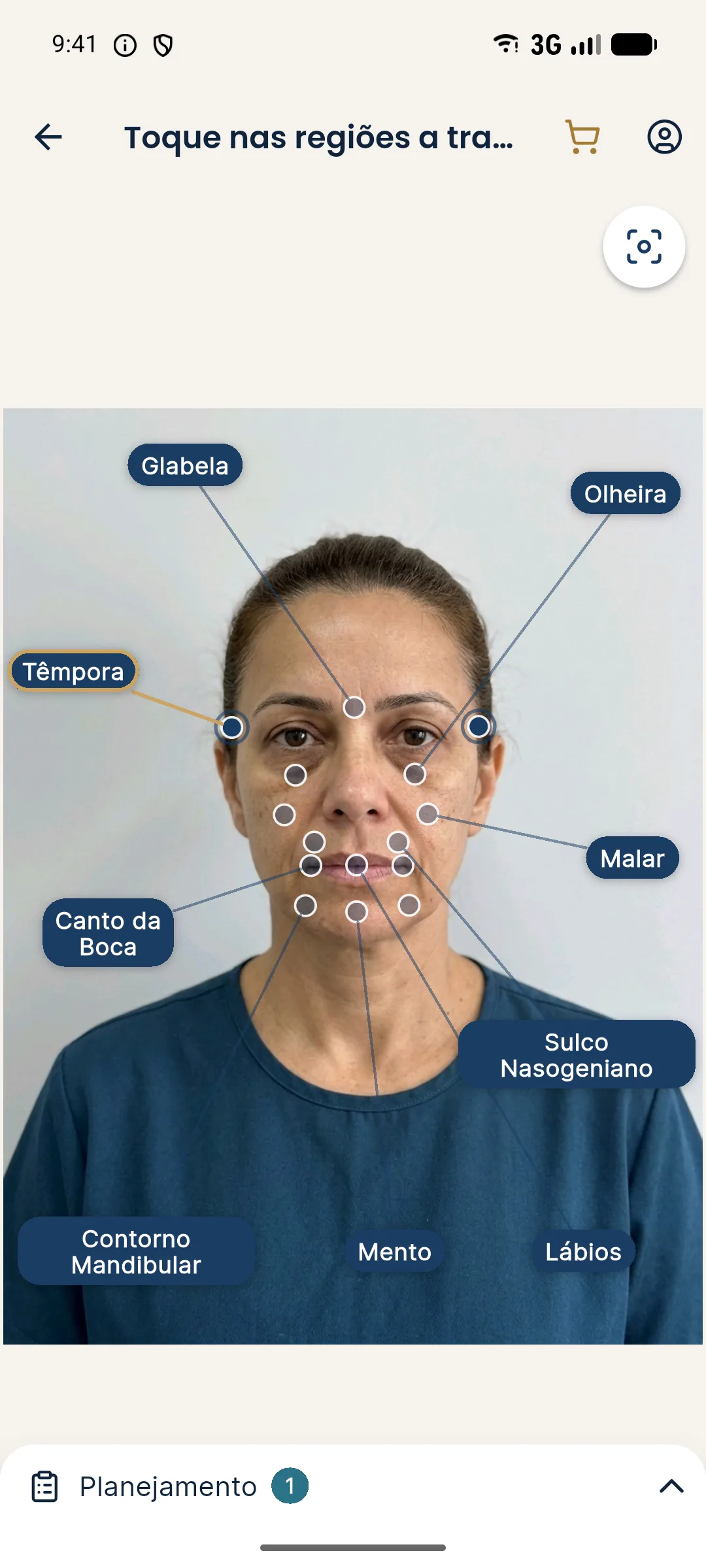
The app marks the Temple point and the Cheekbone point, and the projection illustrates the added support. For the athlete, who values definition, the ideal is to use the Subtle intensity and talk about the discreet effect. The projection starts only from the frontal photo and does not show the face in other phases of the weight cycle.
Frequently asked questions
Does heavy training make the face age?
Training itself does not age the face, but low body fat and a restrictive diet reduce facial volume, which can give a hollow, older look.
Can I restore facial volume during a cutting phase?
It is generally best to avoid planning during phases of large weight swings, because the face changes. The professional decides the timing together with the patient.
Is it safe to train right after filler?
Intense exertion right after injections can increase swelling and the risk of bruising. Follow the professional's guidance on rest time.
Do anabolic steroids interfere with the plan?
They can change fluid retention, skin and the patient's habits. The professional should ask about use, record it and weigh the risks before any procedure.
Harmy images are illustrative simulations generated by AI from the patient's photo to support the conversation between practitioner and patient. They are not a promise of results. Indication, technique, product and volume are solely the decision of the licensed practitioner. This content is for information only and does not replace a clinical assessment.