
Under-eye bags: assessment and referral
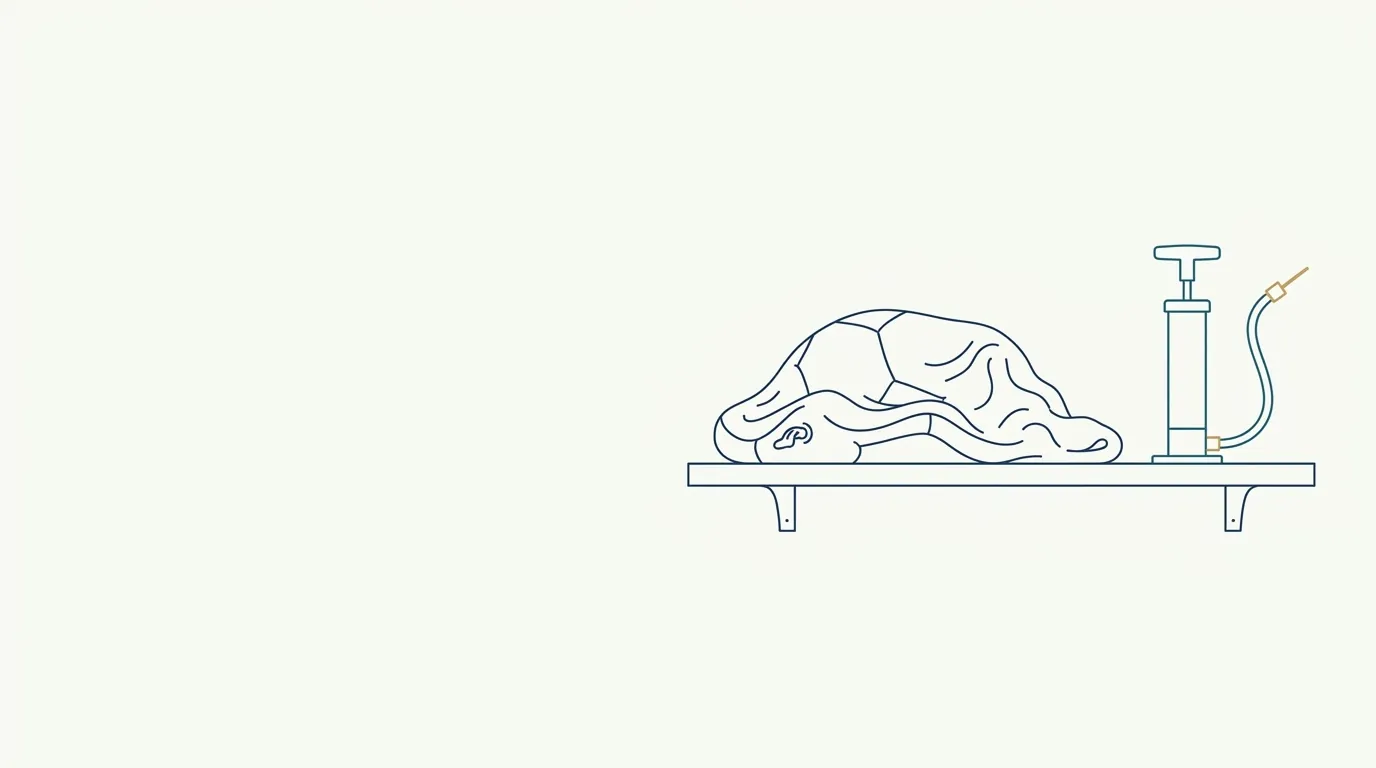
- Highlighted area
Quick facts
- Concern
- Bulge in the lower eyelid, with or without a tear trough beside it
- Types
- Eyelid fat pad, malar bag (festoon) and swelling
- Trap
- Filling the tear trough next to a bag can accentuate the bulge
- Refer
- A clear fat pad bag is usually a case for surgical assessment
"Doctor, I have bags under my eyes." Among periorbital concerns, this is the one that demands the most honesty from the facial harmonization practitioner, because what the patient wants ("get rid of the bag") often does not match what injectables can deliver. And the most common mistake, filling the tear trough without understanding the bag, can leave the eyes looking worse.
This page separates the types of bag, shows how the tear trough and the bag relate, and indicates when to refer. It complements tear troughs: types and assessment, malar bags: assessment and thin skin under the eyes.
Fat pad, malar bag or swelling?
Three different conditions get the same popular name:
| Type | What it is | Where it sits | Clue |
|---|---|---|---|
| Eyelid fat pad | Herniation of the fat pads from a weak orbital septum | Lower eyelid | Bulge that changes little throughout the day |
| Malar bag (festoon) | Accumulation of swelling and laxity over the cheekbone | Below the bag, over the cheekbone | Worse with salt, poor sleep and allergy |
| Lower eyelid swelling | Fluid retention | Lower eyelid | Fluctuates through the day and with sleep |
| Lower dermatochalasis | Excess skin | Lower eyelid | Loose skin, fine wrinkles |
In general, more than one coexist. The relationship with the tear trough groove and the palpebromalar groove matters: a fat pad casts a shadow over the groove below it, and the patient sees "tear trough and bag" together. The orbicular retaining ligament is the anchoring point that marks the transition between the eyelid and the cheek.
How to assess
The assessment needs light, gentle palpation and candor.
A question to the patient also helps: does the bag change through the day? If it is worse in the morning and improves, swelling weighs in. If it is the same all day, herniated fat is likely. Pay attention to systemic causes: thyroid, kidneys, allergy and sinusitis can produce periorbital swelling and warrant referral.
Why can filling the tear trough worsen the bag?
Filling the tear trough groove restores volume under the shadow, leveling the transition between the eyelid and the cheek. When there is a fat pad, the result can be to double the bulge: the product rises toward the bag and makes it more obvious, and the Tyndall effect (the bluish look of superficial product in thin skin) worsens the picture.
That is why, with a clear fat pad bag, tear trough filler has a restricted or null indication, and the practitioner should be honest about it. With a mild bag and a deep groove, filler by an experienced practitioner can soften the transition, with specific consent about the risk of accentuating the bulge. The periorbital region is high risk, and the topic is covered in tear trough filler, lower eyelid smoothing and tear troughs: hyaluronic acid or fat.
What harmonization can and cannot do
It cannot: remove the herniated fat pad. That is surgery (lower blepharoplasty).
It can, in selected cases:
- Soften the transition between the bag and the cheek, by filling the tear trough groove, when the bag is mild.
- Treat the skin quality of the lower eyelid with approaches such as biostimulation or injectable hydration. See skinbooster for tear troughs and biostimulator for tear troughs.
- Give cheekbone support, which can improve the transition indirectly. See cheekbone and tear trough: combining in the plan.
- Treat swelling with guidance and assessment of causes, with approaches such as drainage or other resources.
When the patient wants to eliminate the bag, the honest course is to refer for surgical assessment, with a clear explanation. This protects both the patient and the practitioner.
How Harmy helps
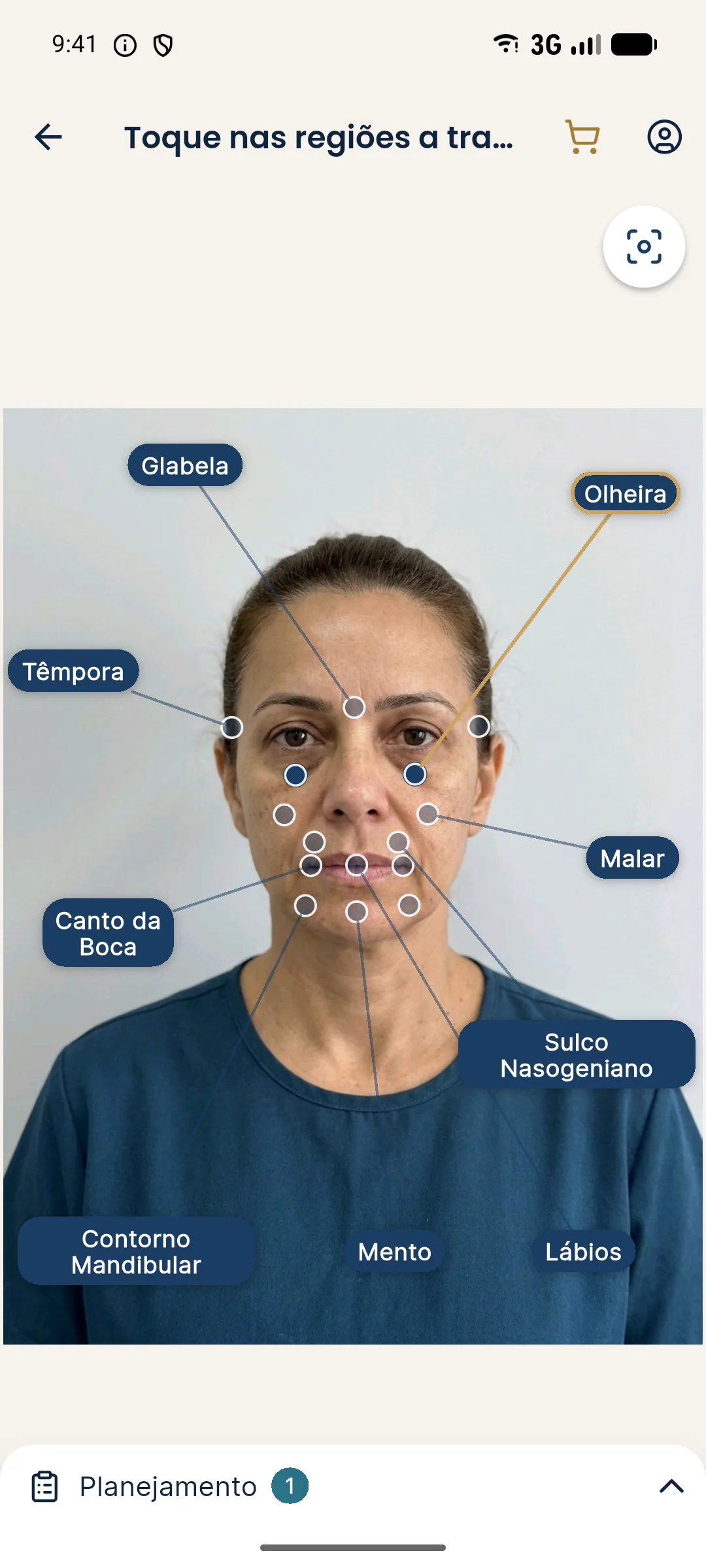
In Harmy, the Tear Trough area simulates the effect of filler on the shadow, on the frontal photo. For this concern, the app has an important limitation: it only adds volume of filler (toxin only in the glabella and the chin) and does not remove a bag. Therefore, in a patient with a clear bag, the projection may show a better result than reality will allow. Use the simulation with great caution and make the limitation clear.
Wrap-up
Record the photos, the type of bag, the limit explained and the approach. For patients with a tired look, see tired look: assessment and deep tear trough groove. Volumes and techniques are at the discretion of the qualified practitioner, according to the rules of their professional board.
Frequently asked questions
Does filler fix under-eye bags?
In some cases, filling the adjacent tear trough groove can soften the transition and the shadow, but it does not remove the bag. With clear fat pad bags, it can make the bulge worse. Assessment is essential.
What is the difference between a bag and a tear trough?
A bag is a bulge, and a tear trough is a shadow or depression. They can coexist and get confused, because the bag casts a shadow over the neighboring groove. Treating one can affect the other.
Is an under-eye bag the same as a malar bag?
No. The fat pad bag is in the lower eyelid and relates to the orbital septum. The malar bag (festoon) sits lower, over the cheekbone, and involves swelling and laxity. The approach is different.
When should I refer for eyelid surgery?
When there is a clear fat pad bag, significant excess skin or associated symptoms. The decision belongs to the practitioner, with a clear explanation to the patient about the limits of injectables.
Harmy images are illustrative simulations generated by AI from the patient's photo to support the conversation between practitioner and patient. They are not a promise of results. Indication, technique, product and volume are solely the decision of the licensed practitioner. This content is for information only and does not replace a clinical assessment.