
Cheeks too big: buccal fat, bone or muscle?
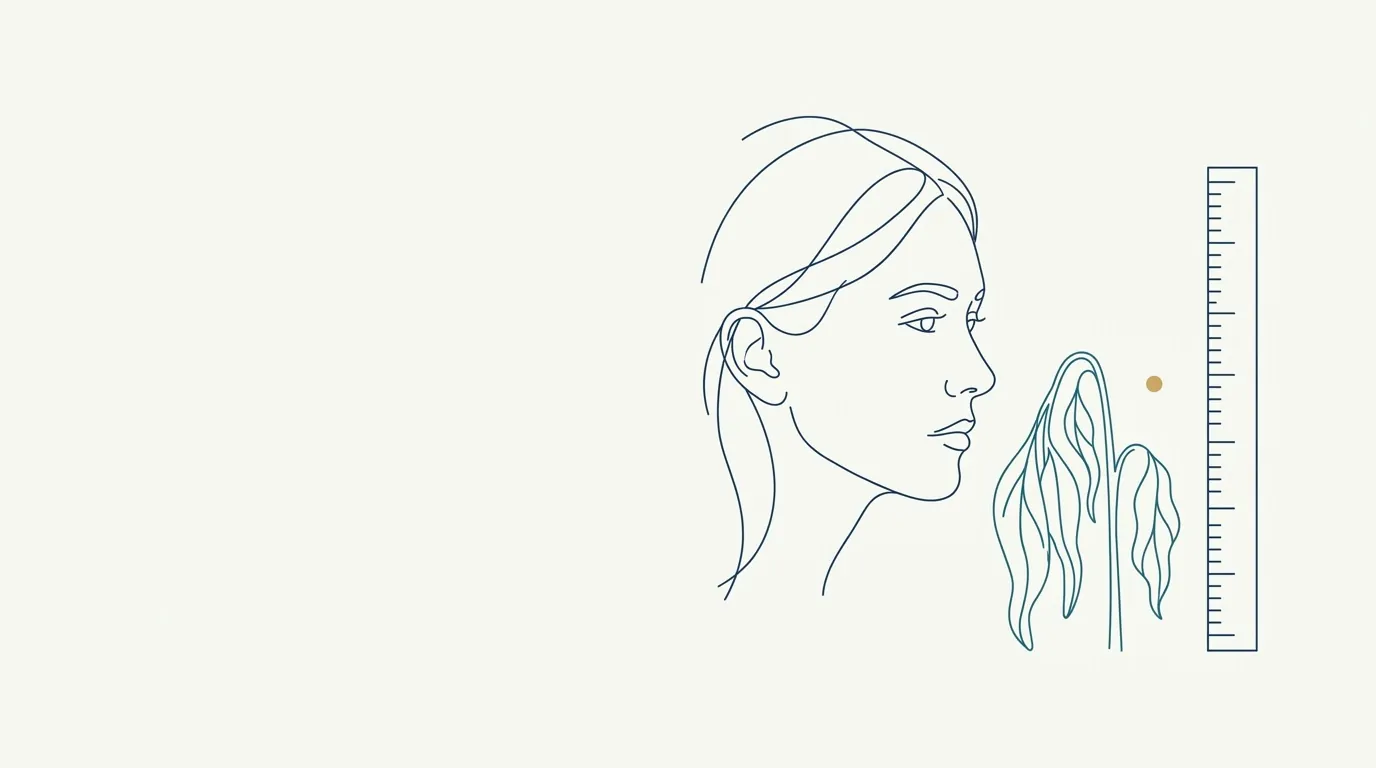
- Highlighted area
Quick facts
- Concern
- Cheeks perceived as bulky, wide or too full
- Three suspects
- Buccal fat, bone structure and the masseter muscle
- Useful test
- Palpation with teeth relaxed and clenched, pinching the cheek
- Caution
- Removing fat is irreversible and can age the face
"Doctor, my cheeks are huge." The concern is common and often poorly defined. For some, it is the round face; for others, it is the fat in the cheek; for others, the back of the face, wider than the rest. Before any approach, the question is: what exactly is big, and why?
This page offers a guide to separating the causes and the options. It links to hollow cheeks (the opposite), face too full and buccal fat removal or harmonization.
The three suspects
| Suspect | What it is | Clinical clue |
|---|---|---|
| Buccal fat (Bichat's fat pad) | Deep fat pad in the cheek | Full, soft cheek that pinches and does not harden when the teeth are clenched |
| Bone and zygomatic arch | Bony width of the midface | Stable width, hard on palpation |
| Masseter muscle | Chewing muscle, in the posterior part of the face | Hardens and grows when the teeth are clenched |
| Superficial fat and skin | Superficial layers of the cheek | Soft consistency, varies with weight |
Bichat's fat pad is a deep-lying fat body, related to chewing and to cheek support in infants. In adults, the volume varies and tends to project more in some facial types. Bone and muscle, on the other hand, determine width and lateral fullness. For the arch, see wide zygomatic arch.
In general, more than one component contributes. The layered reasoning is in deep medial cheek fat and in facial aging by layers.
How to tell them apart in the consultation
The exam is simple and very informative.
In patients with bruxism, a bulky masseter is common. See square face from bruxism and botulinum toxin for bruxism.
What harmonization can do in each case
If it is muscle: toxin in the masseter can reduce activity and, over time, the volume of the lower and posterior part of the face. It does not act on cheek fat, and the practitioner should explain the difference.
If it is buccal fat: the surgical approach (buccal fat removal) exists, but it is an irreversible decision, and removing the fat can bring forward an aged look, especially in people with little facial fat, who will lose weight later, or who are over 30. See does buccal fat removal age the face? and buccal fat removal: when it is indicated. Harmonization can help redistribute proportion: projecting the chin and defining the jawline gives the lower third a structure that reduces the sense of big cheeks.
If it is bone: bony width does not change with harmonization. The conversation is about proportion and expectations.
If it is skin and superficial fat: it depends on facial type and weight, and the clinical assessment defines the path. In some cases, localized fat reduction approaches may be discussed, with their own indications.
Overall proportion: whatever the cause, the plan often involves projecting the chin and defining the jawline, in stages. See full cheeks and weak chin.
Risks
Toxin in the masseter can cause a temporary change in chewing, smile asymmetry from diffusion, and skin laxity when volume is reduced too much. Chin and jawline filler carries the general risks of filler: swelling, bruising, asymmetry, nodules and, less often, vascular complications. Hyaluronidase should be on hand when hyaluronic acid is used.
What Harmy shows
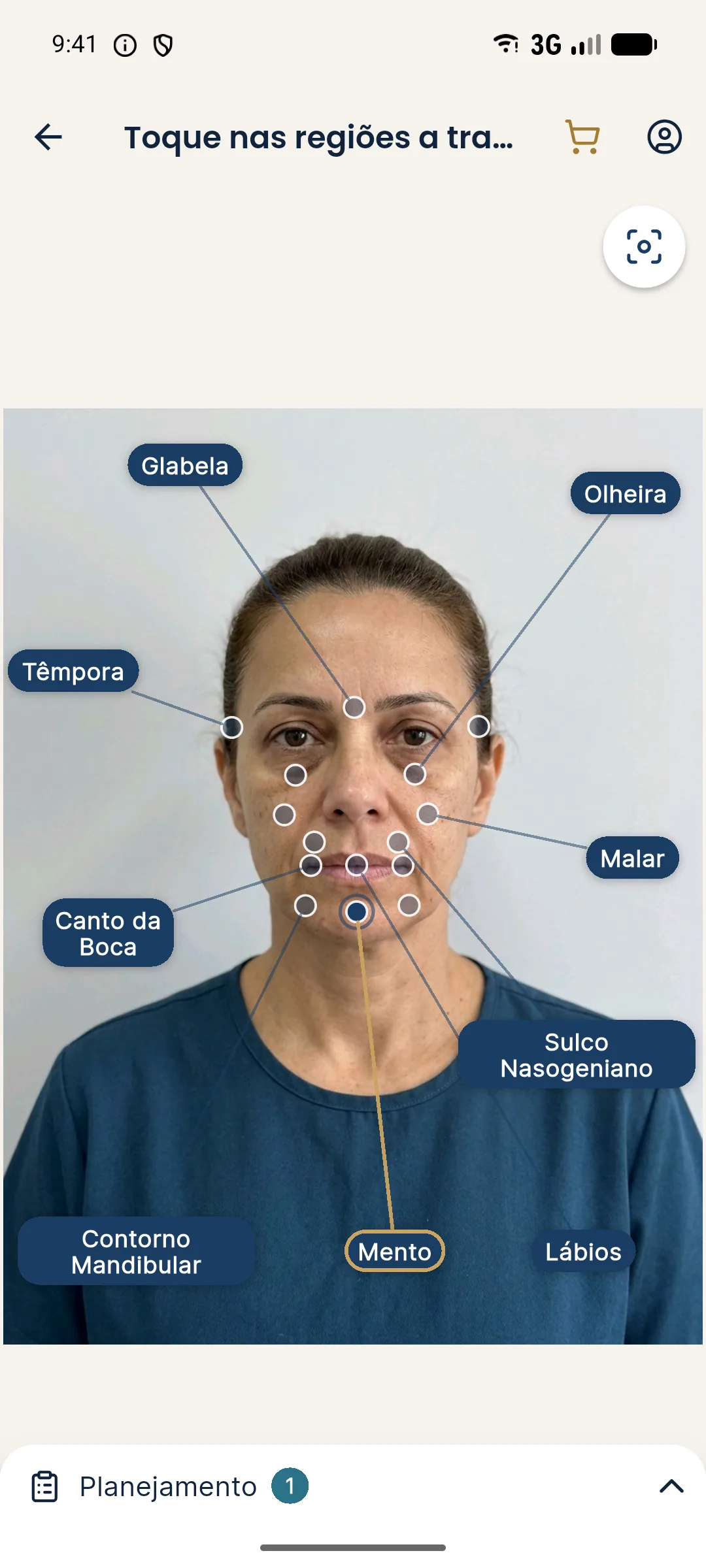
In Harmy, there is no area that reduces the cheek: the app simulates added volume in the marked areas, and does not remove fat or muscle. For this concern, the useful areas are Chin and Jawline, which show how the proportion of the lower third changes how the face reads. The projection uses only the frontal photo and changes only what was marked.
Weight, facial type and volume fluctuation
The cheek varies with weight. In patients whose weight fluctuates, an assessment done at a higher weight can lead to wrong conclusions about buccal fat. Ask about weight history and, if there is a plan to lose weight, leave any irreversible decision for later. Cheek fat behaves differently from body fat, but weight loss reduces facial volume in many patients.
Facial type also matters: round, short faces with little bone definition look as if they have bigger cheeks regardless of the amount of fat. In these faces, structure (chin, jawline) is usually the best investment. Show the patient the difference in proportion in photos and, if possible, with the simulation. Record the weight on the day of the assessment, because it is clinical data, and ask for a new assessment if there is a major change. This prudence avoids regret.
Wrap-up
Record the palpation findings, the photos and the main hypothesis, and document the conversation about the limits and the irreversibility of surgery. For the patient with full cheeks and a round face, also see round face and plan to slim the face. Volumes and techniques are at the discretion of the qualified practitioner, according to the rules of their professional board.
Frequently asked questions
Are big cheeks fat or bone?
It can be either, and it is common to have more than one. Palpation at rest and with teeth clenched, pinching the cheek and photos from several angles help separate fat, muscle and bone.
Does toxin in the masseter shrink the cheek?
If the volume comes from the masseter muscle, toxin can reduce the lower and posterior part of the face. It does not act on fat or bone, and the indication requires assessment.
Is buccal fat removal the solution for big cheeks?
It is a surgery that removes part of the buccal fat and can slim the midface in selected faces, but it is irreversible and can age others. The indication should be cautious.
Can filler help someone with big cheeks?
In some cases, yes, by redistributing proportion, such as projecting the chin or defining the jawline. It does not reduce fat or muscle, and adding volume to the cheek makes the concern worse.
Harmy images are illustrative simulations generated by AI from the patient's photo to support the conversation between practitioner and patient. They are not a promise of results. Indication, technique, product and volume are solely the decision of the licensed practitioner. This content is for information only and does not replace a clinical assessment.