
The Domino Effect Between Facial Areas in Treatment Planning

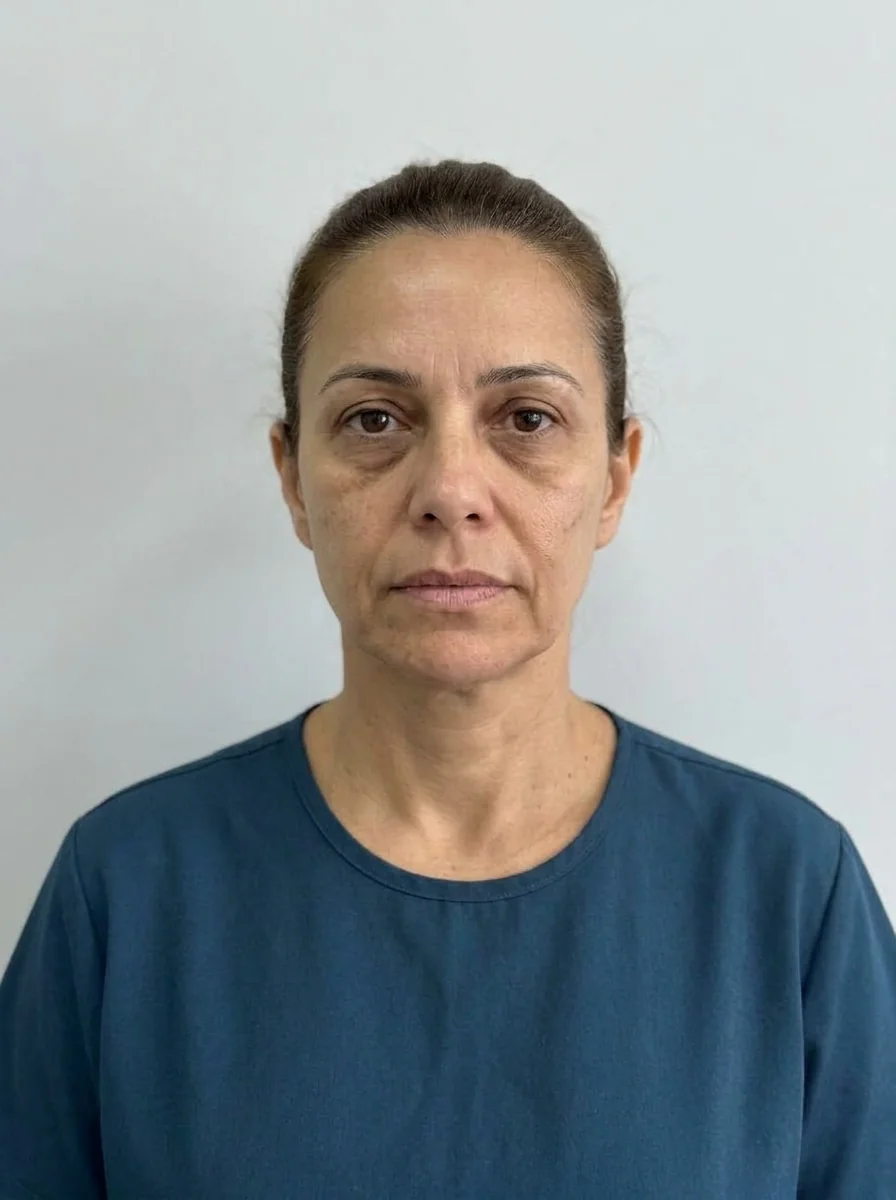 BeforeSimulation
Quick facts
- Topic
- How one area affects its neighbors
- Core idea
- Treating the cause may reduce the need to treat the symptom
- Method
- Short stages with reassessment
- Risk
- Adding volume by reflex
Treating one area is rarely an isolated event. The face works as a support system, and changing one point alters how its neighbors read: a projected cheekbone softens the fold below, a better-supported chin props up the marionette line, a relaxed muscle frees its antagonist. This is the domino effect, which can be an ally of the plan (using less product) or a trap (adding volume by reflex).
What is it, in practice?
Picture a patient whose concern is the nasolabial fold and the under-eye hollow. One approach is to treat both areas. Another is to start with midface support and reassess: if a better-supported cheekbone improves the fold and the hollow, part of the concern may resolve without direct treatment. This second logic reduces total volume, risk and cost. It is not a rule, but it is a way of thinking.
This reasoning ties in with structure before detail, treating the fold or the cause of the fold and midface fat compartments in the plan.
Which chains show up most often?
| Chain | Idea | Planning question |
|---|---|---|
| Cheekbone, nasolabial fold and under-eye hollow | Midface support influences both areas | Do I need to treat the fold and the hollow after the cheekbone? |
| Chin, marionette lines and mouth corner | Chin support influences the lateral line | Is the chin already softening the marionette lines? |
| Jaw, jowls and marionette lines | Contour and lateral support | Does the treated contour change the jowl concern? |
| Temple, brow and cheekbone | Upper and middle thirds connect | Is the temple already easing the look of the eyes? |
| Toxin and filler | Muscle and volume interact | Does the toxin change the need for volume? |
Details on the combinations: cheekbone and under-eye hollow, nasolabial fold and cheekbone, mouth corners, marionette lines and chin, chin and jaw and temples and brow.
How do you plan in stages?
The domino effect can only be used if there is a pause between stages. The minimum format is: a structure stage, reassessment at the agreed time, and a refinement stage only if there is a remaining concern.
The mechanics of splitting into stages are in when to split the volume across sessions, interval between sessions in the plan and replanning after the first session.
When does the domino effect mislead?
Three traps:
- Crediting the stage for what is swelling. The contour changes with swelling and skews the reading.
- Waiting too long. Not every concern resolves in a chain, and the patient may get frustrated.
- Ignoring a bony or dynamic cause. When the problem is the skeleton or a muscle, the domino does not fall. See when the bone is the problem.
What about toxin and muscle?
The chain is not only about volume. Relaxing a muscle can change the position of other structures, for better or worse. The depressor anguli oris, for example, influences the mouth corner and marionette lines. The order of toxin and filler is the subject of toxin or filler first, and the muscle reading is in muscle map for botulinum toxin.
How does Harmy help show the chain?
In Harmy, you can generate a projection with only the cheekbone and another with cheekbone and fold, and show the patient the difference on the slider. The comparison does not predict the real effect, but it illustrates the idea that treating one point changes how the whole reads. Each projection costs R$ 3.99. Plan the generation order so you do not spend credits needlessly: start with the base scenario and add only if the conversation calls for it.
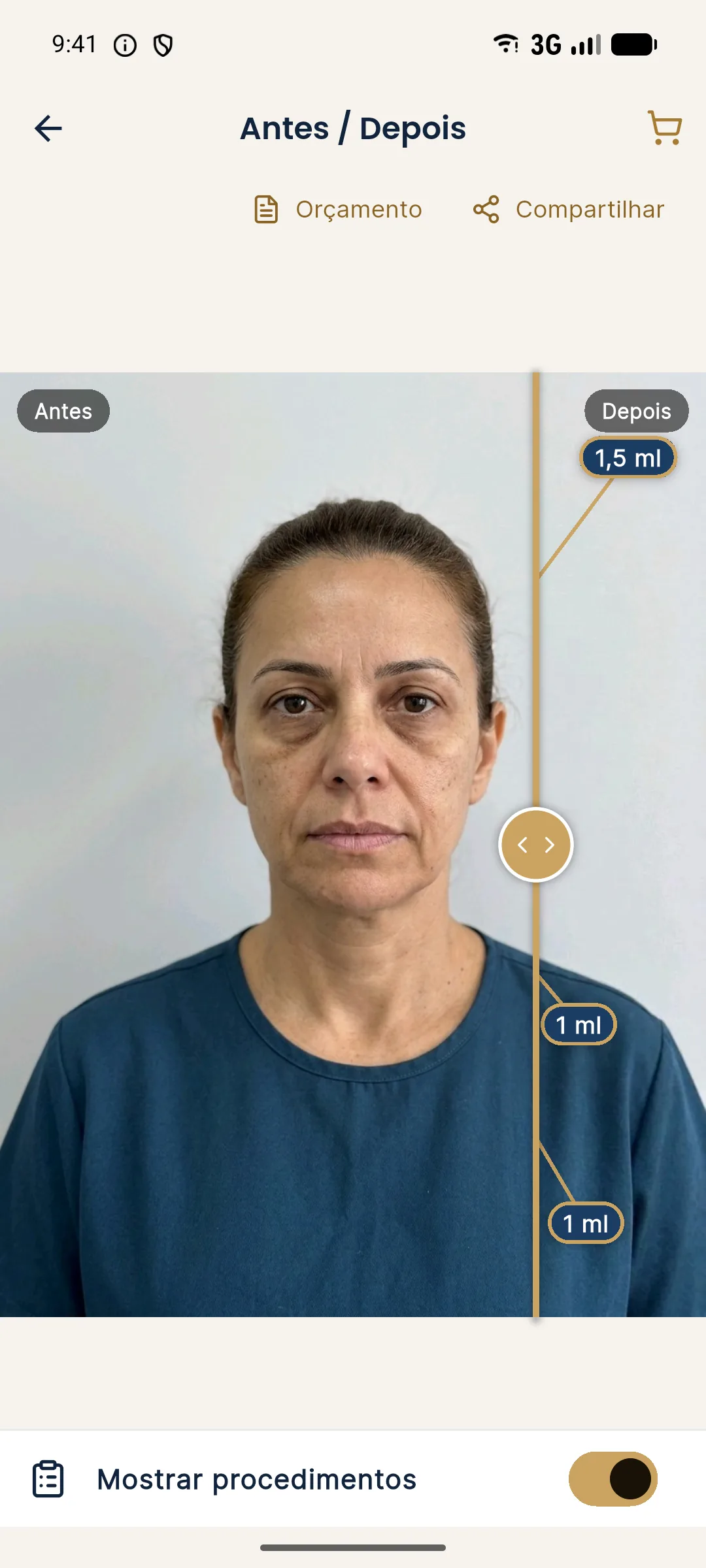
See also combining areas in one projection in Harmy and simulation with more than one scenario.
How do you document the chain hypothesis?
The strength of the method lies in recording what you expect, so you can confirm or discard it later. A simple format fits in three lines of the patient record: concern, hypothesized cause and predicted effect. Hypothetical example: "Concern: under-eye hollow and fold. Hypothesis: loss of support in the cheekbone. Prediction: treat the cheekbone in a conservative stage and reassess hollow and fold before any other area."
At reassessment, fill in the outcome: "hollow improved in part, fold remained; moving on to a stage for the fold, in conservative volume." This kind of record builds a bank of your own clinic's decisions, and over time you learn which profiles the chain works in and which it does not.
It also helps to share the logic with the patient. When they understand that the first stage may reduce what is done afterward, they accept the pause better. Transparency about what is hypothesis and what is certainty is part of consent. The consent form text and the conversation about uncertainty are in simulation and informed consent.
Finally, do not forget the time factor. Some contour changes only settle after swelling resolves, and anticipating the decision can lead to wrong conclusions. Agree on the reassessment date, photograph to the same standard and only then decide the next stage.
Summary
The domino effect turns the plan into a sequence: treat the foundation, wait, reassess, decide. Record hypotheses, do not add volume by reflex and use the simulation to illustrate, not to predict. Management belongs to the qualified professional, after assessment, in line with the rules of their professional board in Brazil.
Frequently asked questions
What is the domino effect in facial planning?
It is the change in how one area looks after another is treated. For example, cheekbone projection can soften the nasolabial fold and the under-eye hollow, without those areas receiving product directly.
Why reassess between stages?
Because the result of the first stage may reduce or remove the concern in neighboring areas. Reassessing avoids adding volume that is no longer needed.
Does the domino effect apply to toxin?
Yes, it can. Changing the activity of one muscle shifts the balance of others, so toxin also belongs in the chain reading.
Does Harmy show the domino effect?
The projection changes the marked areas and can alter how neighboring ones look, but it does not predict the real effect. It is an illustration, and the clinical reading belongs to the practitioner.
Harmy images are illustrative simulations generated by AI from the patient's photo to support the conversation between practitioner and patient. They are not a promise of results. Indication, technique, product and volume are solely the decision of the licensed practitioner. This content is for information only and does not replace a clinical assessment.