
Structure before detail: the layered logic of a HOF plan

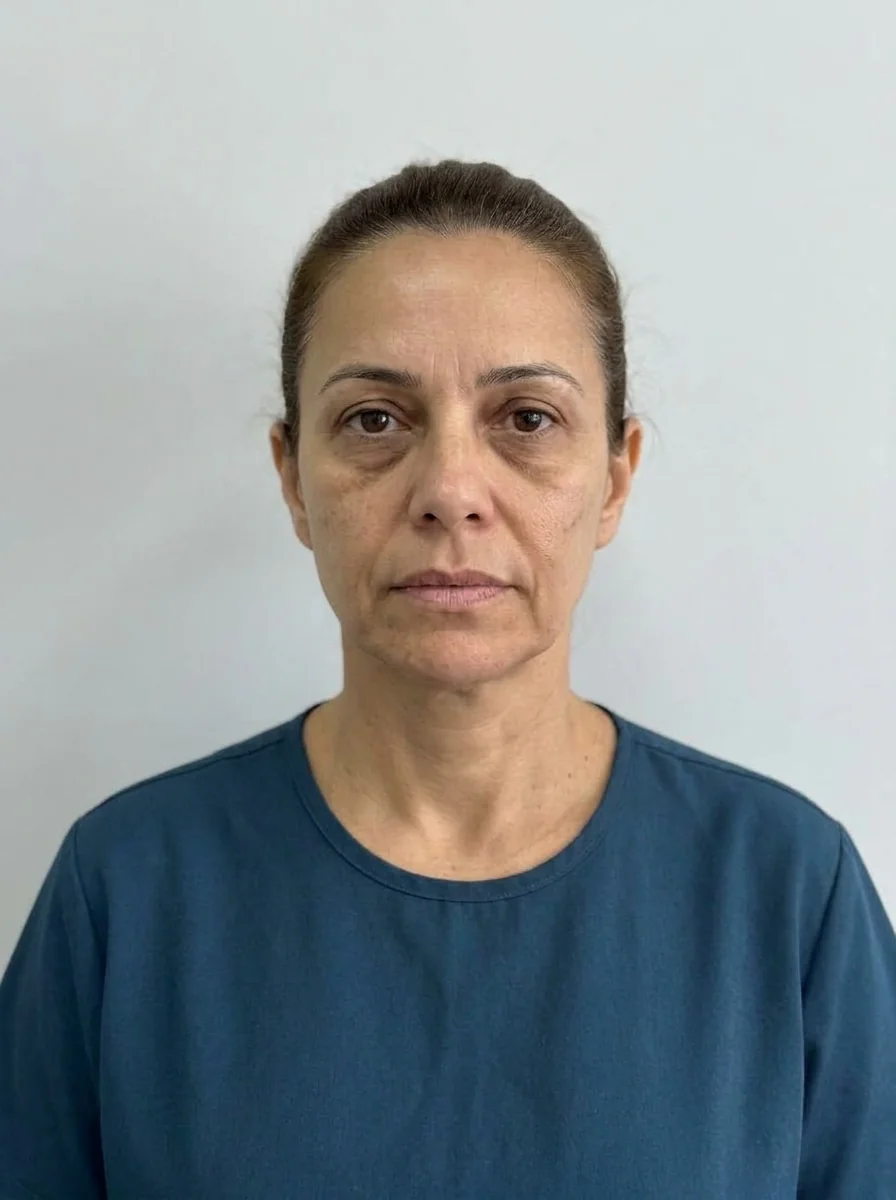 BeforeSimulation
- Nerve
- Highlighted area
Quick facts
- Topic
- Order of a layered plan
- Layers
- Support, volume, fine lines, surface
- Idea
- Treat the base before the finish
- Benefit
- A leaner, more natural plan
There is a tempting mistake in planning: going straight to what the patient points at. They show the line, the fold, the dark circle, and the plan starts there. But what the patient sees is almost always the top layer of a problem that lies below. Planning "from the bottom up", with layered logic, reduces total volume, risk and the chance of an artificial face.
What are the layers of the plan?
A useful way to organize your thinking is to divide the face into four functional layers, from the deepest to the most superficial.
| Layer | What it represents | Example of concern |
|---|---|---|
| Support | Bone and ligaments | Flattening of the midface, lost contour |
| Volume | Fat and soft tissue | Hollow temple, deflated cheekbone, under-eye hollow |
| Fine lines | Folds and creases | Nasolabial fold, marionette line, lip line |
| Surface | Skin quality | Texture, shine, spots, pores |
The division is didactic. In real anatomy, the layers overlap. See layers of the face, SMAS and facial aging by layers.
Why start with the base?
When support improves, the layers above tend to change on their own. A better-supported cheekbone can soften the fold and the under-eye hollow without direct treatment. A temple with more support improves the transition to the brow. This reduces total ml, lowers the number of risk areas and avoids placing volume in fine lines, where excess shows most.
This logic ties in with domino effect between areas of the face, treating the fold or the cause of the fold and treating top-down or bottom-up.
And dynamic lines?
Dynamic lines, such as those of the glabella and forehead, come from muscle action and have their own logic. They can be addressed from the start, in parallel, without waiting for the support layer. The order between toxin and filler appears in toxin or filler first and in glabella and forehead: combining in the plan.
How do you build a layered plan?
Reassessment is what gives the method its value. See reassessment at 3, 6 and 12 months, what to reassess at the plan follow-up and full midface in the plan.
When does layered logic not apply?
There are situations where the patient wants to resolve one specific concern, and the full plan would be excessive. An upcoming event, a budget limit and a preference for few steps are examples. In these cases, the plan can be lean and direct, with the caveat that the result may last less or need more product in the chosen area. See minimum viable plan in HOF, plan for an event with a set date and conservative plan vs full plan.
How do you show this with Harmy?
Harmy has no concept of layers, but it lets you generate separate projections. One way to show the logic to the patient: generate a projection with the cheekbone only and another with the cheekbone and nasolabial fold, and compare them in the slider. This illustrates the idea that treating the base can soften what lies above. The projections are illustrative (an illustrative simulation, not a promise of results), the AI changes only the marked areas and each projection costs R$ 3.99.
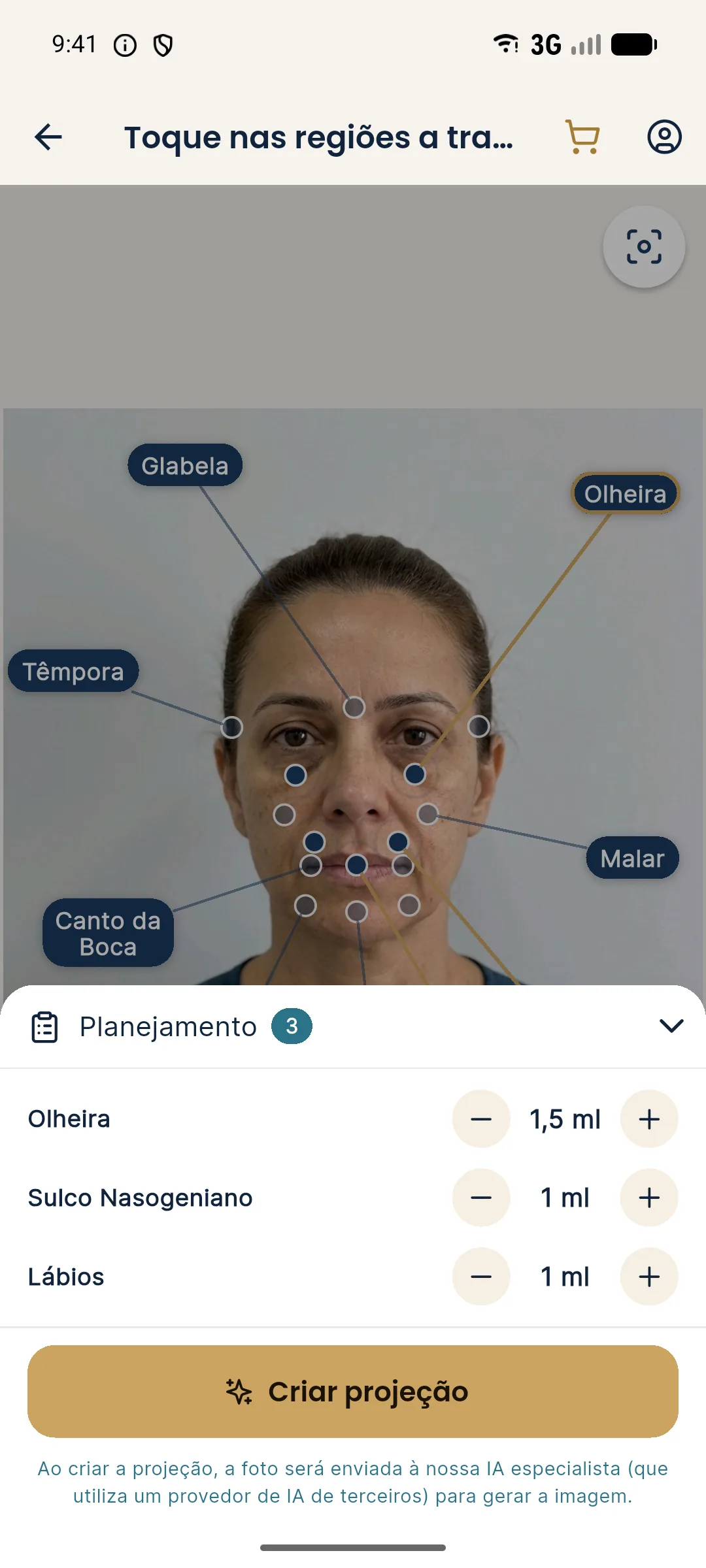
See combining areas in one projection in Harmy and plan in the PDF quote: what to show.
How do you explain the order to the patient and in the quote?
Patients tend to read a quote as a list of areas. When the plan is layered, it is important to show that the order is part of the value. One way is to present the quote in steps: first the base, then reassessment, then whatever is needed. This gives predictability and avoids the impression that the professional is "stacking" charges.
Communication points to keep in mind:
- Make clear that the following steps depend on reassessment and may be smaller, or unnecessary.
- Avoid promising that the first step resolves the concern above it. Say it is a working hypothesis.
- State the planned interval and the reason for the pause.
- Hand over the plan in writing, with the steps and conditions.
In Harmy's PDF quote, the price per ml of each area is saved in My clinic, and the document comes out with discount, validity, notes and the disclaimer. You can build one quote for step 1 and another after reassessment, instead of a single one with everything. See linking plan and quote in HOF and building a quote per ml in Harmy.
Finally, remember that a layered plan also protects the relationship: if, at reassessment, the second step is not needed, the patient sees that you put their interest first, not your revenue. That trust has clinical value and builds loyalty over the years.
Summary
Planning in layers means thinking from the bottom up: support, volume, fine lines, surface, with reassessment at each step. The order reduces volume and risk and increases naturalness, but it does not replace the exam or safety precautions. Every decision belongs to the licensed professional, after assessment, in line with the rules of their professional council.
Frequently asked questions
What does structure before detail mean?
It is the logic of planning in layers: first support (bone and ligaments), then volume, then fine lines and finally the skin surface. Treating the base first may reduce the need to treat the detail.
Does this apply to every concern?
No. Dynamic glabellar lines, for example, can be addressed from the start with a different logic. Layered order is a reasoning guide, not a fixed rule.
How long should you wait between layers?
It depends on the procedure and the patient's response, and reassessment defines the timing. The professional agrees the interval case by case.
Does Harmy simulate the layers?
No. Harmy generates a single projection with the marked areas. To illustrate layers you can generate separate projections, but the app does not represent support, volume and surface.
Harmy images are illustrative simulations generated by AI from the patient's photo to support the conversation between practitioner and patient. They are not a promise of results. Indication, technique, product and volume are solely the decision of the licensed practitioner. This content is for information only and does not replace a clinical assessment.