
Minimum Viable Plan in Facial Harmonization: 1 or 2 Areas?

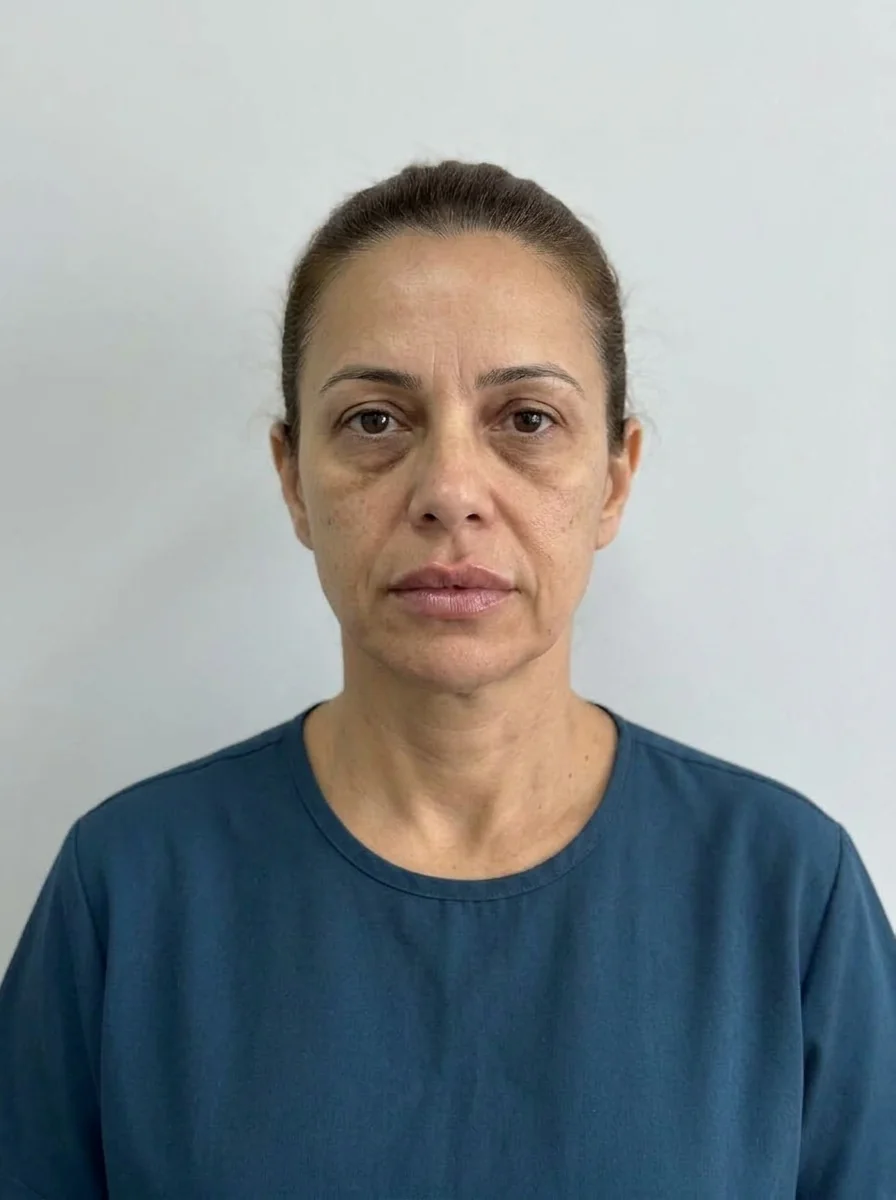 BeforeSimulation
Quick facts
- Topic
- Minimum viable plan in facial harmonization
- Definition
- The smallest intervention that answers the main concern
- When to use it
- First time, a single concern, hesitation or a limited budget
- Advantage
- Lower risk, more control and a clean assessment of the result
- Limit
- Does not work when the concern originates in another area
There is a kind of plan that rarely shows up in marketing material and that usually works well: the minimum viable plan. The idea is simple: treat the smallest number of areas that truly answers the main concern, watch the response and only then decide the next step. This page shows when to adopt it, how to choose the area and how to justify the choice to the patient and to yourself.
What is a minimum viable plan?
It is the plan that answers the concern with the smallest possible intervention. Instead of proposing a "full harmonization", you choose one or two areas, at a conservative volume, and agree on a reassessment. The word "viable" matters: the plan has to truly solve what the patient brought, not just be a small plan. See the same logic in conservative plan vs complete plan and conservative volume in the first session.
When does it make sense?
In five situations. The first is the first time, when the patient does not yet know their own response. The second is a single, clear concern, such as a thin lip or a marked under-eye hollow. The third is the patient's hesitation, when they prefer to go slowly. The fourth is a limited budget, which should not lead to cutting safety. The fifth is delicate skin or tissue, where excess is not very forgiving.
See also plan for first-time facial harmonization patients, the undecided patient and prioritizing by the patient's budget.
How do you choose the area for the minimum plan?
Three criteria, in order. The first is the patient's concern: the area that bothers them most, in their own words. The second is the clinical finding: what the exam confirms and what it contradicts. The third is risk: among the candidate areas, you tend to prefer the one with lower vascular risk and greater predictability, when the concern allows.
| Criterion | Question | Example of use |
|---|---|---|
| Concern | What bothers them most, in their words? | "My lip is too thin" |
| Finding | Does the exam confirm and explain the concern? | Proportion between lips and chin assessed |
| Risk | Is there a lower-risk alternative that answers it? | Compare a low-risk area with one of vascular risk |
| Cause | Is the cause in this area or in another? | A fold that comes from lack of cheekbone support |
See the priority reasoning in what to treat first in facial harmonization, prioritizing by visual impact in the plan and prioritizing by risk in the plan.
How do you justify the minimum plan to the patient?
With three honest arguments. First, safety: fewer areas, less accumulated risk of swelling, bruising and complications. Second, control: with one area at a time, you and the patient can see what each intervention did. Third, freedom: they can stop, continue or change their mind after seeing the result. Avoid justifying the small plan by price alone, as it can sound like a cheap product.
For the quote conversation, read how to explain the quote by area.
How do you simulate the minimum plan?
In Harmy, the minimum plan is a projection with one or two areas marked. The "First time" shortcut already brings a small combination (lips 1 ml at Moderate and tear trough 1 ml at Subtle), but you can change or unmark it. The advantage of simulating the minimum is that the patient sees a subtle change and understands it is realistic, which prevents asking for more on impulse.
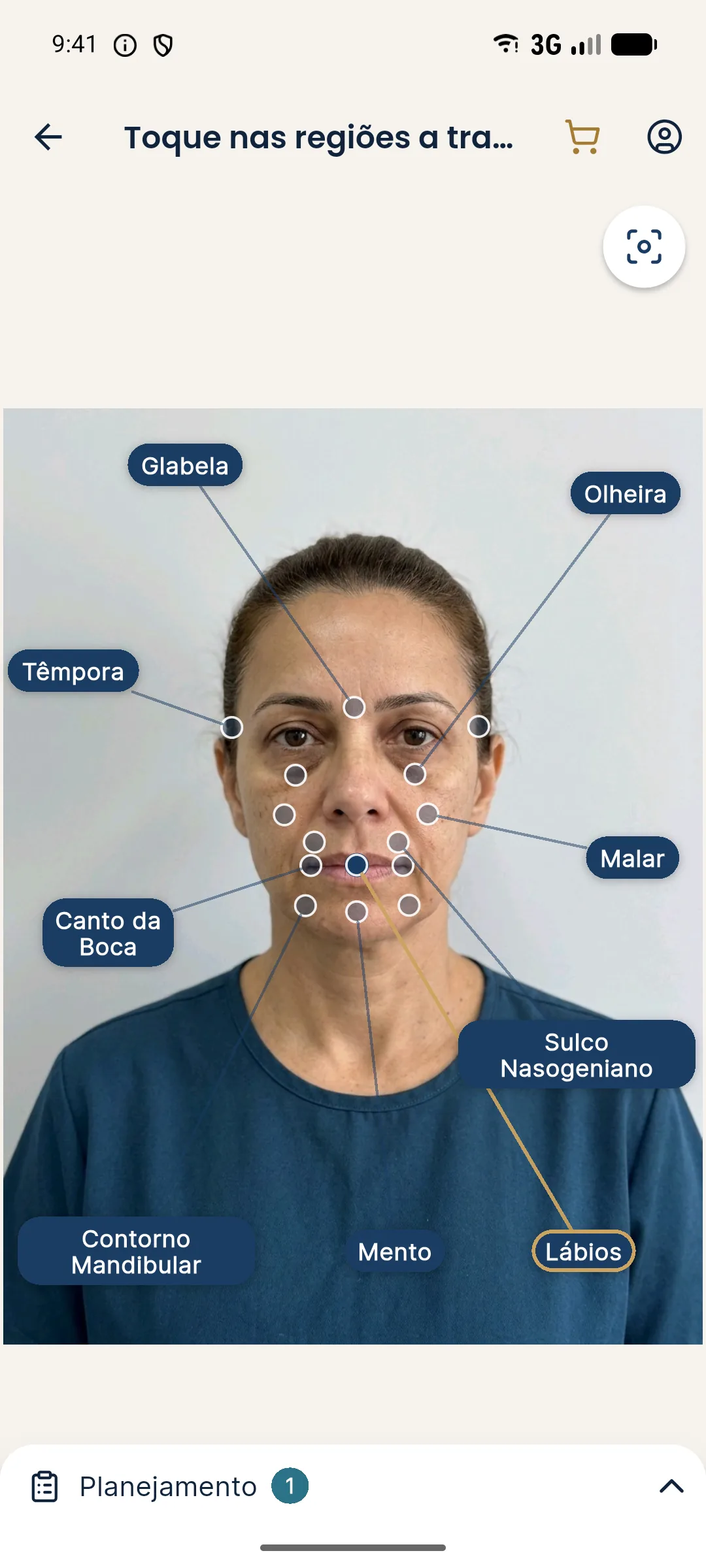
A good practice is to make two projections: the minimum plan and a larger plan, and let the patient compare. Some patients choose the minimum on seeing that the additional visual difference is small compared with the cost and the risk. Also show the intensity: compare Subtle, Moderate and Pronounced in comparing Subtle, Moderate and Pronounced intensities and use simulation with more than one scenario.
When does the minimum plan not work?
In three cases. When the cause is in another area and treating only the symptom disappoints. When the concern is global (the whole face unbalanced) and an isolated piece highlights the imbalance. When the patient has an expectation incompatible with the minimum and needs a longer conversation before any decision. For the last two, see global concern in stages and patient with unrealistic expectations.
There are also situations in which the best decision is no procedure at all. See when to say no to an aesthetic plan.
What is the timeline of a minimum plan?
For the follow-up, see what to reassess at the plan follow-up and re-planning after the first session.
How do you record the decision?
Record in the patient record that the plan was deliberately minimal, with the clinical justification, the areas left out and what the patient decided. That protects you if the patient returns wanting "what was left out" and makes clear the choice was conscious. Also record the quote's validity and the expected reassessment date. See recording the simulation in the patient record and what to include in the written treatment plan.
Reasoning quiz
Summary
The minimum viable plan chooses the smallest intervention that answers the concern, justifies the choice through safety and control, uses the simulation to show a realistic difference and documents everything. It is not a small plan by default, but a precise plan by decision.
Frequently asked questions
What is a minimum viable plan in facial harmonization?
It is the plan with the smallest intervention able to answer the patient's main concern, in general one or two areas, at a conservative volume, with reassessment before adding anything.
Does a single area solve the concern?
Sometimes yes, sometimes no. When the cause is in another area, treating only the symptom can disappoint. Assessment by thirds and by layers helps you decide.
Is the minimum plan less profitable?
It tends to generate less revenue at the first visit, but it lowers risk, builds trust and favors a planned follow-up. The decision should be clinical, not financial.
How do you convince the patient that less is more?
By showing the subtle simulation, explaining that the second stage is more precise than the first, and making clear that the plan can grow if they want.
Harmy images are illustrative simulations generated by AI from the patient's photo to support the conversation between practitioner and patient. They are not a promise of results. Indication, technique, product and volume are solely the decision of the licensed practitioner. This content is for information only and does not replace a clinical assessment.