
Plan for a first time in facial harmonization: few areas

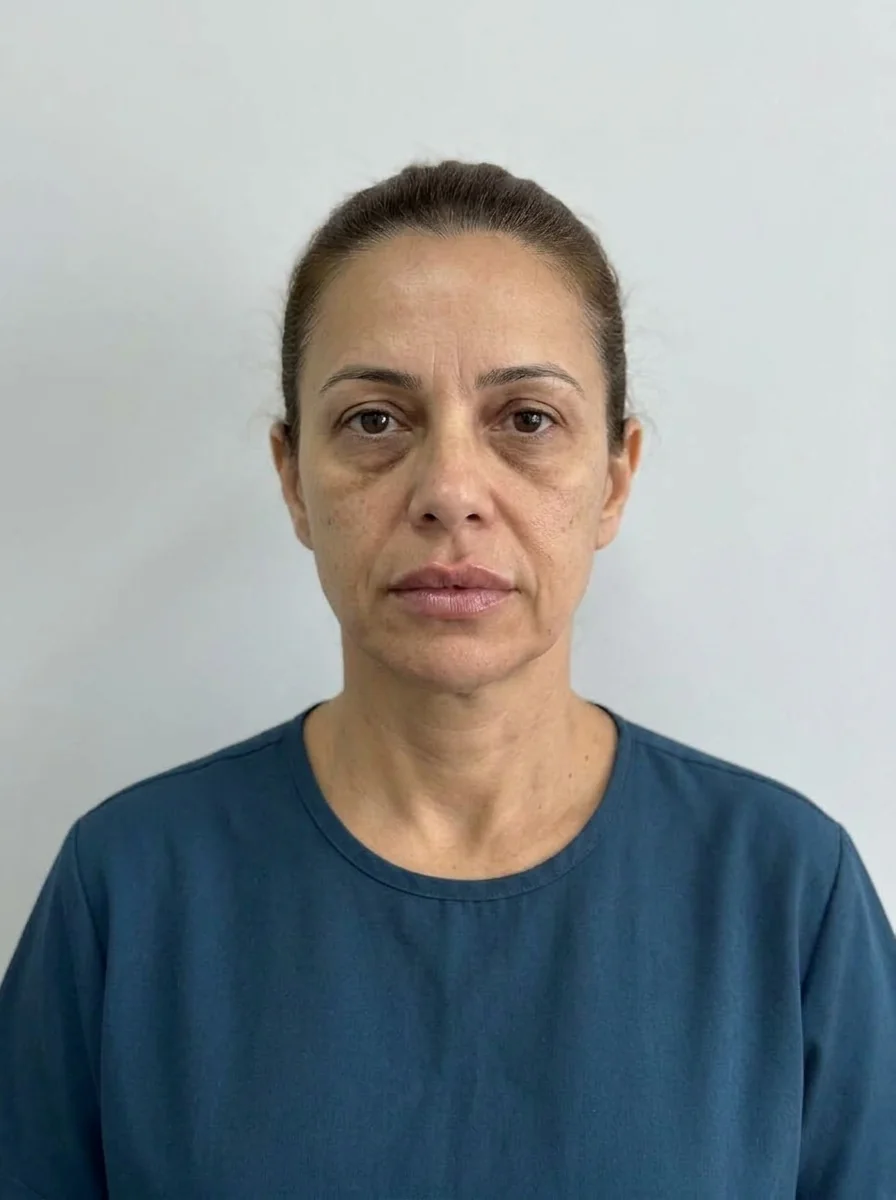 BeforeSimulation
Quick facts
- Topic
- Plan for a first time in facial harmonization
- Principle
- Fewer areas, less volume, more observation
- Goal of the 1st session
- Learn the patient's response, not fix everything
- Follow-up
- Reassessment with photos after the swelling settles
- Typical risk
- Expectations inflated by social media references
A patient's first time in facial harmonization is the most important, because it defines their relationship with the procedure, with the professional and with their own image. A good start is small, well explained and reassessed. A bad start is big, fast and based on unrealistic references. This page guides the plan for the first session: how to choose few areas, how to set low volumes and how to watch the response before adding anything.
What makes the first time different?
Four things. You do not know the patient's response to the product, the volume and the area. The patient does not know their own reaction and may be alarmed by swelling or bruising. Expectations are often fed by social media, with filters and edited results. And anxiety is higher, which can lead to hasty decisions in either direction. The first-time plan needs room for all of this. See first facial harmonization consultation, using Harmy in the first consultation and setting expectations in the first consultation.
How do you choose few areas?
Use three questions in order. What bothers the patient most? (the concern, in their words). What does the exam confirm? (the finding). What is the risk of the area? (safety). The intersection of those three answers defines the area for the first session. If the concern is in a high vascular risk area, consider carefully whether it has to be first, or whether the patient would accept starting with a safer one.
| Question | What it avoids | Example |
|---|---|---|
| What is the concern? | Treating what the professional sees rather than what the patient wants | "My lips are thin" |
| What does the exam confirm? | Treating without an indication | Proportion between lips and chin assessed |
| What is the risk? | Starting with a difficult area | Compare with a lower-risk area |
| Is it minimal and viable? | A plan that is too large | One or two areas |
The reasoning on priority is in what to treat first in facial harmonization, minimum viable plan in facial harmonization and prioritizing by risk in the plan.
How do you set a low volume?
A low volume is one that lets you see the response without compromising the result. In practice, it is a conservative range, set by the professional according to the area, the product and the patient's tissue. The logic is simple: it is easier to add in a second session than to remove from a first. See conservative volume in the first session, ml per area: ranges in planning and minimum noticeable volume on the face.
How does the simulation help the first time?
It helps show that the expected result is discreet, which lowers the risk of inflated expectations. In Harmy, you create the projection in the consultation from 1 frontal photo, mark the areas, set the ml and the intensity, and show the Before/After. The "First time" shortcut already brings a suggestion: lips 1 ml at Moderate and tear trough 1 ml at Subtle. It is a starting point for the conversation, and you can use just one area or change the values.
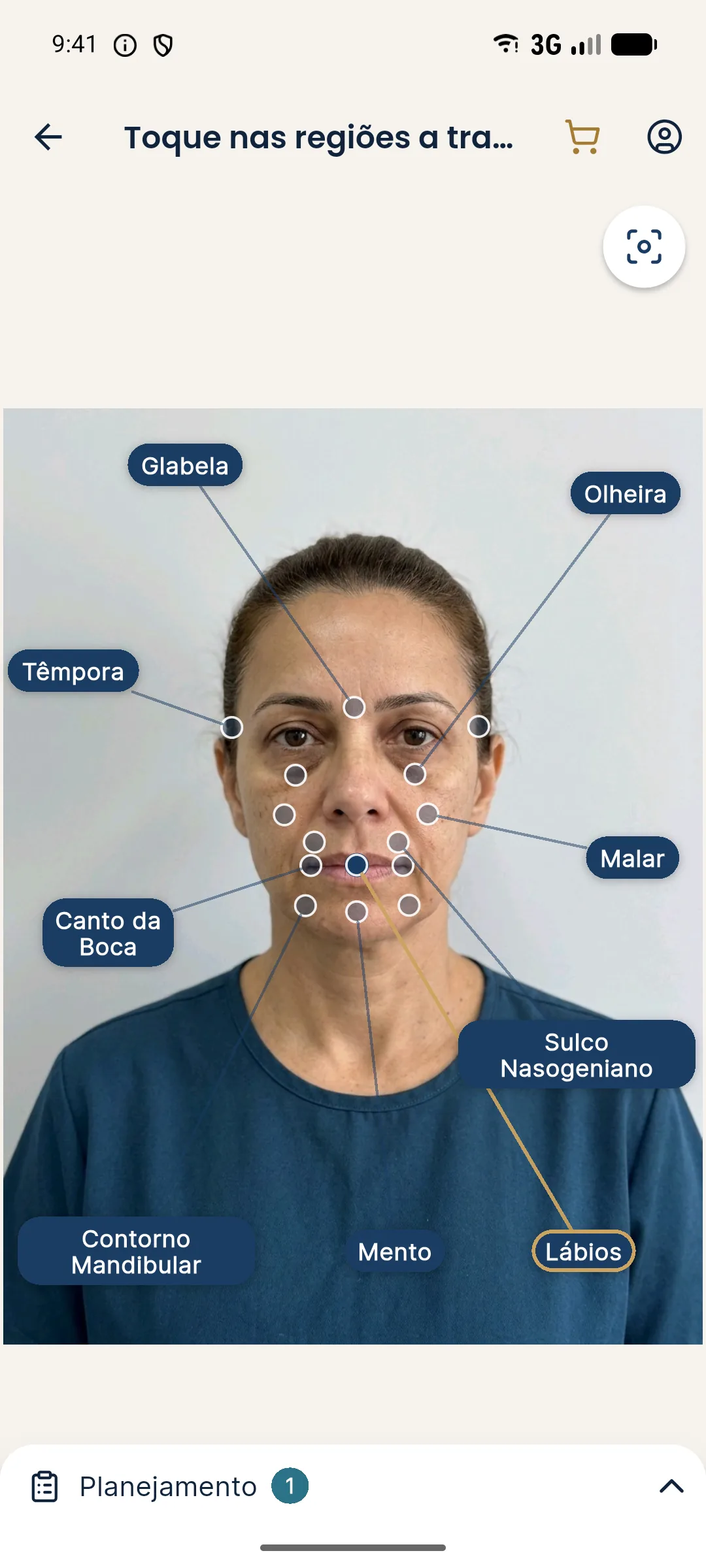
Harmy also has an example patient (a fictional person), useful for trying out the flow before using it with a real patient. See example patient and first projection in 5 minutes.
Always stress that the simulation is illustrative and not a promise. Read explaining that a simulation is not a guarantee.
What should you explain to a first-time patient?
What to expect in the first few days (swelling, bruising, tenderness), when to see the result (after the swelling settles), what is a warning sign (severe pain, a patch or paleness on the skin, visual changes) and how to contact you. Also explain that the result may need adjustment and that a second session is part of the normal process. Stress that there is no "guaranteed result". See setting expectations about swelling and bruising and setting expectations about timing.
How do you organize the follow-up?
The follow-up is part of the plan, not an extra. Set a date after the swelling settles, take photos with the same framing and compare with the initial ones. Ask the patient how they feel, and only then decide the next step: stop, adjust or add. This is when you learn their response. See what to reassess at the plan follow-up and replanning after the first session.
What should you avoid the first time?
Avoid treating many areas, avoid higher-risk areas without need, avoid closing a big package at once, avoid comparing with filtered photos and avoid promises. If the patient arrives with a request you consider excessive, it is valid to decline or propose a smaller version. See declining a request for excessive volume and filter face: handling unrealistic references.
Reasoning quiz
Summary
The first time, start small, choose by concern, finding and risk, use conservative volume, show a subtle simulation, explain the risks and arrange a follow-up. Whoever learns the patient's response calmly builds a better plan in the sessions that follow.
Frequently asked questions
How many areas should you treat the first time?
There is no fixed number. In general, one or two areas, at conservative volume, to observe the patient's response. The decision is the professional's, after assessment.
Which area is usually first?
It depends on the concern. Lips, under-eye area, glabella and cheekbone come up often, but each area has its own risks. The choice should consider the concern, the clinical finding and the risk.
Is it better to start with toxin or filler?
There is no rule. The choice comes from the concern and the finding. Toxin and filler work differently, and some patients start with one or the other depending on the indication.
When should you decide the next steps?
After reassessment with photos, once the swelling has settled. Deciding earlier can lead to more volume than needed.
Harmy images are illustrative simulations generated by AI from the patient's photo to support the conversation between practitioner and patient. They are not a promise of results. Indication, technique, product and volume are solely the decision of the licensed practitioner. This content is for information only and does not replace a clinical assessment.