
How to decline a request for excessive volume

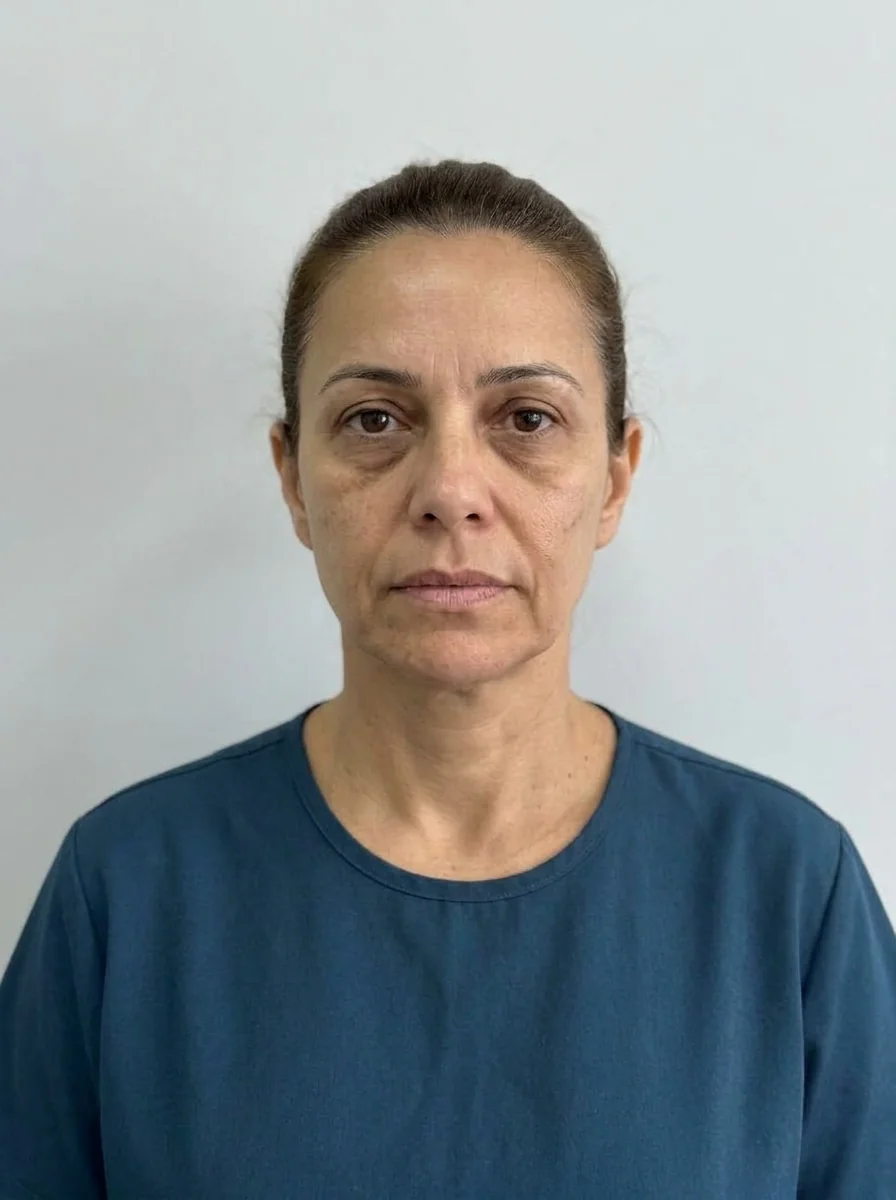 BeforeSimulation
Quick facts
- Situation
- The patient asks for more volume than the professional considers safe or proportional
- Basis for declining
- Safety, proportion, and naturalness
- Alternative
- Stages, lower volume, and reassessment
- Record
- Request, reason, guidance, and alternative
"I want more, put in more." A request for excessive volume often comes loaded with conviction, and the pressure to give in is real. But a signed consent form does not turn a disproportionate request into an indication. This page brings together clinical arguments, ready-made phrases, and alternatives to decline the excess respectfully, without losing the patient and without giving up safety.
Why is excessive volume a problem?
Volume beyond the proportion of the face increases the chance of prolonged swelling, asymmetry, an artificial look, and, depending on the area, complications. It also makes adjustment harder: it is much easier to add than to undo. And there is a quiet but serious consequence: a patient who receives more than the face can carry starts to see themselves differently and often comes back wanting to correct it. See patient who has had too much done and patient who asks for exaggeration.
Which clinical arguments should you use?
- Proportion: the volume that fits is the one that keeps harmony with the rest of the face.
- Safety: the more product, the greater the load on the tissue and the chance of complications.
- Naturalness: the eye notices excess even when it cannot name it.
- Limited reversibility: not every product dissolves easily.
- Stages: treating in parts lets you assess the real effect before continuing.
Use these arguments according to the case. Avoid listing them all at once. Pick the one that best connects with what the patient said.
How do you structure the refusal?
And when the patient insists?
Keep your guidance. Repeat the reason without raising your tone, and offer the staged path. If the patient says "another professional will do it," do not enter the contest. See patient who asks about another professional and how to say no to the patient in HOF.
| Patient's argument | Possible response |
|---|---|
| "I'll sign the consent form" | The signature does not change my clinical assessment |
| "I'll pay extra" | It is not a matter of price, it is a matter of safety |
| "My friend had more done" | Every face can carry something different |
| "I can handle the swelling" | The problem is not only the swelling, it is the proportion and the risk |
| "I want to see the big result" | We can simulate a restrained version and evaluate it together |
How does the simulation help?
A projection comparing volumes helps show that more ml does not lead to what the patient imagines. Generate a restrained version and, if necessary, another slightly larger one, and talk about proportion. The image is an illustration and does not promise results. Do not generate an exaggeration just to "show how absurd it is": the patient may like the image and start demanding it. See comparing intensities in the simulation and patient asks for more in the simulation.
What if you already declined and the patient goes elsewhere?
You do not control that decision. Keep the record, avoid comments about the colleague, and leave the door open. If the patient comes back with a complication or dissatisfaction, receive them with the same calm. See communicating a result below expectations and follow-up consultation, what to say.
What should you record?
Write down the volume requested, the reason for declining in clinical terms, the guidance given, the alternative offered, and the patient's reaction. No adjectives. The informed consent should reflect what was actually agreed, not what was requested.
Declining the excess is an act of care, and the patient usually notices this when the refusal comes with a plan. The no gains strength when it comes with a yes to the safe path.
What if the volume request comes from comparing with social media?
Many requests for excess start with images seen on social media, where angle, light, and editing amplify the effect. The patient compares their own face with an image that not even the person pictured has in real life. In those cases, the most useful conversation is about what the patient sees and why it appeals to them, not about volume.
Ask what attracts the patient in the image, explain that every face has its own proportion, and propose a plan based on their face. If necessary, show the difference between a restrained simulation and what the patient imagines, without promising either. See patient brings a filtered photo.
Frequently asked questions
How do I explain that more volume does not mean a better result?
Show the proportion of the face, explain that excess can look artificial and that treating in stages allows adjustment. A restrained simulation can help visualize it.
Can I inject the volume the patient asked for if they sign the consent form?
The signature does not oblige you to treat. The clinical decision is yours, and you may decline what you consider unsafe or disproportionate.
What should I say when the patient insists on more ml?
Keep your guidance, repeat the reason, and offer a smaller stage with a reassessment. Avoid giving in to insistence.
Can excess hyaluronic acid be undone?
In general, hyaluronidase can be used to dissolve it, at the professional's discretion. Even so, the goal is to avoid the excess from the start.
Harmy images are illustrative simulations generated by AI from the patient's photo to support the conversation between practitioner and patient. They are not a promise of results. Indication, technique, product and volume are solely the decision of the licensed practitioner. This content is for information only and does not replace a clinical assessment.