
Patient Who Asks for Too Much: Handling It Without Losing Trust

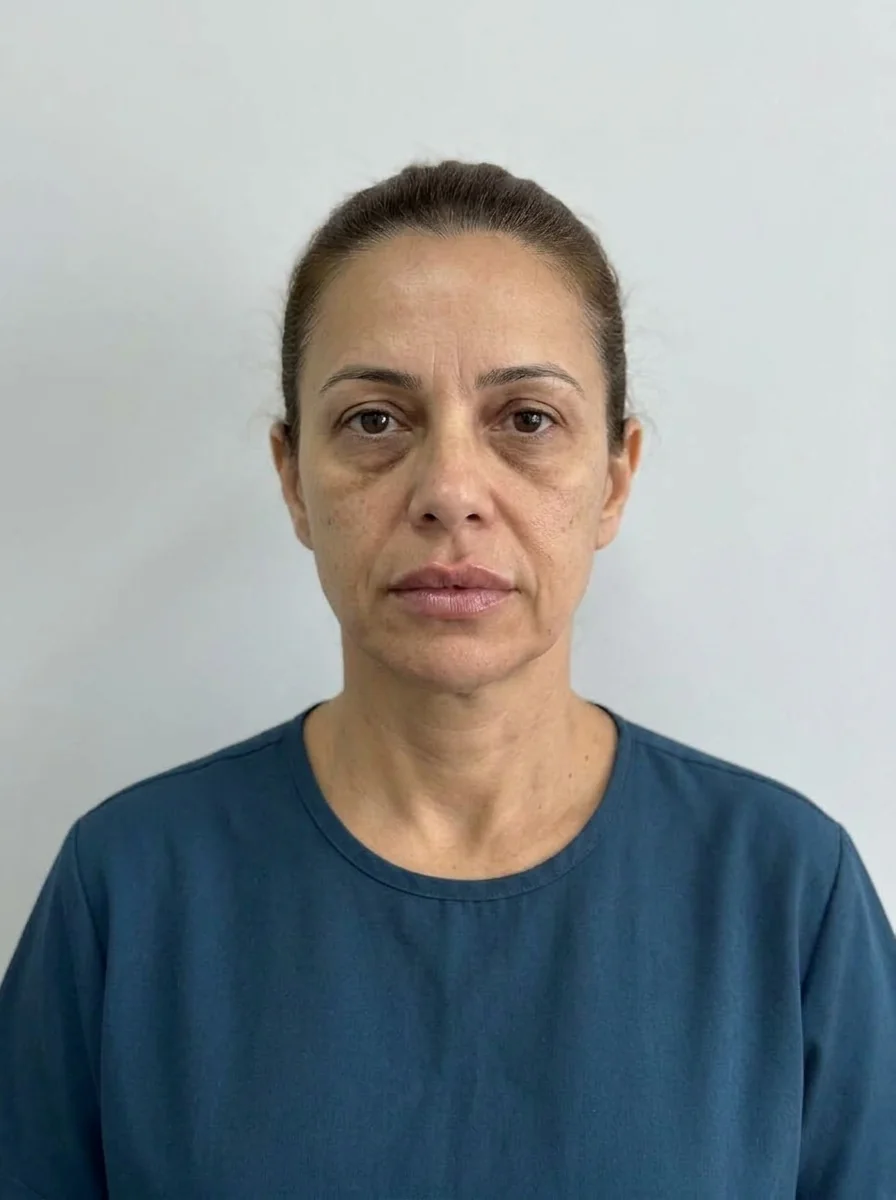 BeforeSimulation
Quick facts
- Situation
- The patient asks for more volume or more change than you consider safe or harmonious
- Principle
- Decline the volume, not the patient
- Alternative
- A gradual plan with reassessment
- Record
- Request, guidance, decision and consent
"I want more. You can put in double." The request for too much is one of the most common in harmonization. The patient wants an obvious effect, sometimes inspired by influencers, sometimes by a long-held wish to change. Declining is part of your job. The challenge is to do it without closing the door, without humiliating and without pushing the patient toward someone who accepts everything.
What lies behind the request?
Understanding the motivation changes the script. A request for "more" is rarely only about volume.
- Fear that it "won't show". They had it done before and found it too subtle.
- Unrealistic reference. Social media faces, filters and editing.
- Wanting to be noticed. They want people to see it.
- Chronic dissatisfaction. Nothing ever seems like enough.
- Influence from others. A partner, friends or comparison.
How do you decline the volume without declining the patient?
The script has four moves: welcome, explain, propose and leave the decision to the patient.
What does the patient tend to hear?
They may hear "you don't know what you are asking for". Take care not to sound paternalistic. Instead of saying "that would look bad", say "that could compromise the proportion of your face". Describe the effect, not the judgment.
How does the simulation help show the limit?
Showing is more effective than explaining. With the projection, you can simulate the patient's request and your proposal, side by side, and talk about the differences. Often the patient themselves sees that the volume requested makes the image look artificial.
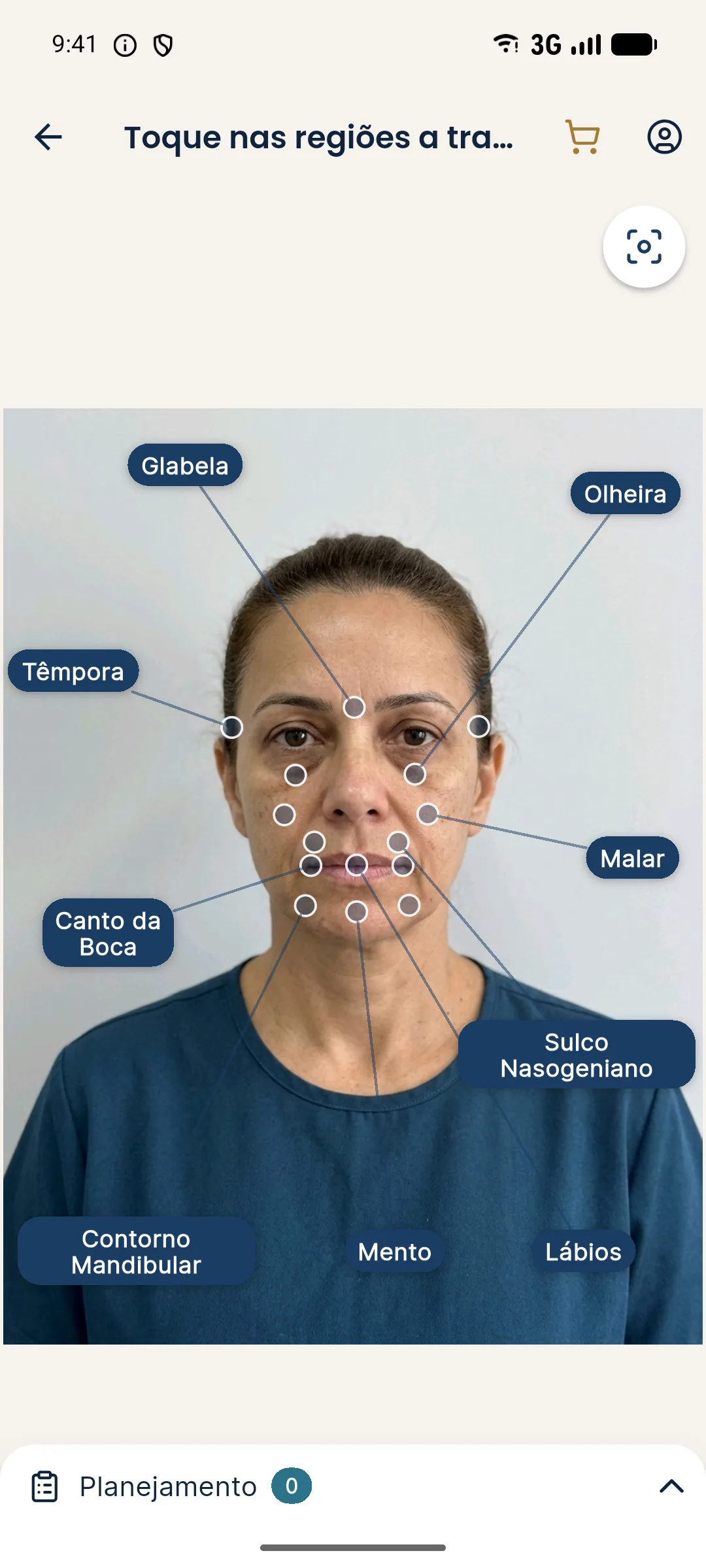
Also read comparing intensities in the simulation and declining a request for excessive volume.
When is the refusal firm?
There are situations where you should not inject the requested volume, even if they insist: clinical risk, obvious disproportion, signs of excessive concern with their image or outside pressure. In those cases, be clear and keep the invitation to dialogue.
| Situation | Approach |
|---|---|
| Request above what the area can take | Propose a gradual plan |
| Repeated request after recent touch-ups | Propose a pause and reassessment |
| Signs of distress about their image | Be welcoming and consider referral |
| Clinical risk | Explain and do not perform |
| Insistence with a threat to go to another professional | Keep the guidance and the respect |
What if the patient insists?
Stay calm, repeat the guidance in other words and offer time. Avoid arguing or giving in just to end it. If, after all this, they choose to seek another professional, respect that. You kept to ethics and safety, and the record shows it. For the patient who always wants more, see the patient who always wants more and, for signs of excessive concern, the patient with suspected dysmorphia.
What should you not say?
Some comments end the conversation for good and hurt the patient's self-esteem.
- "That's too much." Sounds like judgment.
- "Nobody does that." Invalidates the wish.
- "You'll look bad." Triggers defensiveness.
- "I don't do that." Curt, with no alternative.
Prefer to describe the clinical effect and offer a path. Declining a volume must come with a proposal.
How do you keep the relationship after declining?
The relationship holds when the patient leaves with something concrete: a plan, a reassessment date, the certainty that they can come back. Send a short message after the consultation thanking them for the conversation and reinforcing your availability. Don't push, and don't make "offers" to reverse the refusal. If the patient returns, welcome them without commenting on the earlier decision.
How do you record it?
In the patient record, record the patient's request in their own words, the assessment you made, the guidance and the decision. The informed consent must reflect what will be done, not what was asked for and declined. If the patient disagreed, record the disagreement and your approach.
How can you use time in your favor?
Many requests for too much lose strength with time. Offer a conservative first stage and schedule the follow-up a few weeks later, when the swelling has gone down and the result is more stable. At that reassessment, the patient usually sees that the effect already shows and that the original request was more than they needed. If they still want more, you can add gradually and safely. Splitting into stages is an honest way to respect the patient's wish without giving up clinical judgment.
Frequently asked questions
Can I decline the volume the patient asks for?
Yes. The indication, volume and technique are decisions for the qualified professional, after assessment. Declining excess is part of the duty of care, as long as it is explained respectfully.
How do I decline without losing the patient?
Acknowledge the wish, explain the clinical reason in plain language and offer a gradual path. Patients usually accept when they see that declining is care and not rejection.
What if the patient goes to another professional who will inject more?
You don't control that decision. Keep the guidance you gave, avoid commenting on the colleague and leave the door open. Record what was explained.
Does the simulation help show the limit?
It helps, especially when comparing intensities. Showing the effect of more ml on the patient's own image usually makes the limit easier to understand, always as an illustration.
Harmy images are illustrative simulations generated by AI from the patient's photo to support the conversation between practitioner and patient. They are not a promise of results. Indication, technique, product and volume are solely the decision of the licensed practitioner. This content is for information only and does not replace a clinical assessment.