
Patient who always wants more: how to spot it and respond

Quick facts
- Situation
- The patient is never satisfied and always asks for one more procedure
- Signs
- Frequent touch-ups, dissatisfaction with good results, new concerns at every visit
- Strategy
- Recognize the pattern, be supportive and propose a pause
- Attention
- A persistent pattern may indicate distress about their own image
Every professional has seen this patient. They are friendly, regular and always have a new idea: "what if we also did it here?", "there is still a little bit like this". Each procedure ends, and the satisfaction does not last. Recognizing this pattern early avoids excess, protects the patient and preserves your practice.
How do you recognize the pattern?
A single request says nothing. It is the repetition, over visits, that shows the pattern.
- Ever shorter intervals. They come back before the agreed time.
- Concerns that migrate. One area is treated, another appears.
- Dissatisfaction with good results. You and the patient see different things.
- Endless touch-up requests. "Just a little bit more."
- Repetitive focus. The conversation always returns to the same detail.
- Photos and mirror. Constant checking, comparison with filters.
- Associated distress. They talk about their appearance with anguish and shame.
What is behind it?
There is not always a pathology. It may be enthusiasm, habit, a need for care, outside influence or a wish for control. What matters is understanding what the procedure represents for the patient. Open questions help: "What do you feel when a procedure ends?", "What changes after a few days?". Also see perfectionist patient and patient with suspected dysmorphia.
How do you talk about pausing?
A pause is a proposal of care, not a punishment. Start by acknowledging what the patient feels and showing what you observe.
What if they insist?
Keep a calm tone and the same message. Avoid arguments. If needed, repeat: "I understand how you feel, and my advice is still to wait". Do not give in to avoid discomfort, because each concession reinforces the cycle. Document the request and the guidance.
What strategy should you use with the simulation?
With this profile, the simulation calls for care. It can become one more tool for checking and comparing, feeding the cycle. In many cases, the best decision is not to create new projections for a while. If you do use it, show the current face and discuss what already exists, not what is "missing". Read when not to show the simulation and patient asks for more in the simulation.
How does the history help you see the pattern?
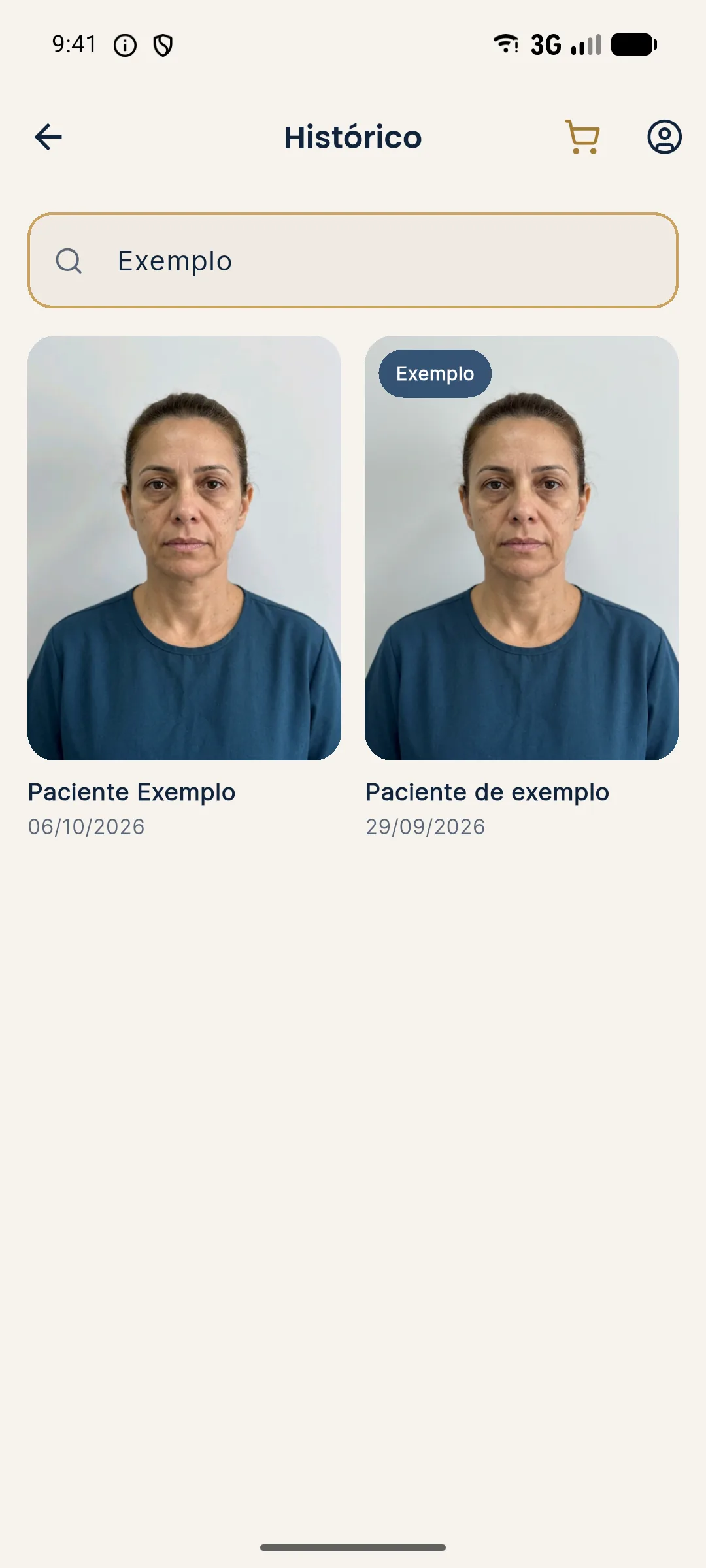
Reviewing the history with the patient, gently, can help. Showing the timeline of procedures and intervals helps them notice the frequency. Use a tone of curiosity, not of reproach: "Looking at our dates, notice that we did quite a lot in the past few months. How have you been feeling about that?".
When should you decline and when should you refer?
| Situation | Approach |
|---|---|
| Recurring request, without intense distress | Pause, reassessment and a maintenance plan |
| Ever shorter intervals | Slow the pace and talk |
| Persistent dissatisfaction with good results | Pause and listen; consider support |
| Intense distress, hopelessness or isolation | Be supportive and refer to mental health support |
| Clinical risk from excess | Do not perform and assess options |
See when to refer to psychology and patient who has already had too much done. To align the follow-up logic, read reminding the patient about maintenance: planned maintenance is different from compulsive repetition.
What should the team do?
Agree with the front desk and the team on a single stance: no last-minute add-on slots for touch-up requests, no remarks like "the doctor always does one more", and a direction to talk to you. The patient who always wants more usually looks for the path of least resistance, and the team can unintentionally make it easier. A clear scheduling flow helps sustain the agreed pause.
How should you document it?
In the patient record, note the sequence of requests and intervals, the assessment, the pause guidance and what was agreed. Avoid adjectives and diagnoses. The informed consent for each stage should reflect the decision of the moment, and the medical history can include questions about wellbeing and satisfaction with their image.
How do you offer a healthy alternative to repetition?
Many patients who always want more need a different goal. Instead of "the next procedure", propose a maintenance plan with fixed intervals, check-ups and a focus on skin, habits and wellbeing. When the patient has a clear follow-up calendar, the anxiety to "do something" tends to ease. Agree that, between the scheduled visits, you only take new requests after a conversation, not as add-ons. Predictability helps the patient feel they are taking care of themselves, not just adding.
To close: with someone who always asks for more, the gain is in agreeing on limits before the next session, in writing and calmly. When both know what was decided, the next request becomes a conversation, not pressure.
Frequently asked questions
How do I know if the patient always wants more?
Watch the pattern over several visits: frequent requests, dissatisfaction with results that look good, new concerns right after treating the previous ones and ever shorter intervals.
Can I refuse more procedures?
Yes. The indication is the qualified professional's, after assessment. Declining respectfully and proposing a pause and reassessment is part of care.
Should I refer to mental health?
When the pattern comes with intense distress or a disproportionate preoccupation with appearance, offering mental health support as part of care is appropriate, without diagnosing.
What if the patient gets angry about the pause?
Stay calm, repeat the guidance in other words, offer an agreed follow-up and document it. Do not give in to avoid conflict.
Harmy images are illustrative simulations generated by AI from the patient's photo to support the conversation between practitioner and patient. They are not a promise of results. Indication, technique, product and volume are solely the decision of the licensed practitioner. This content is for information only and does not replace a clinical assessment.