
Comparing Intensities in the Simulation With the Patient

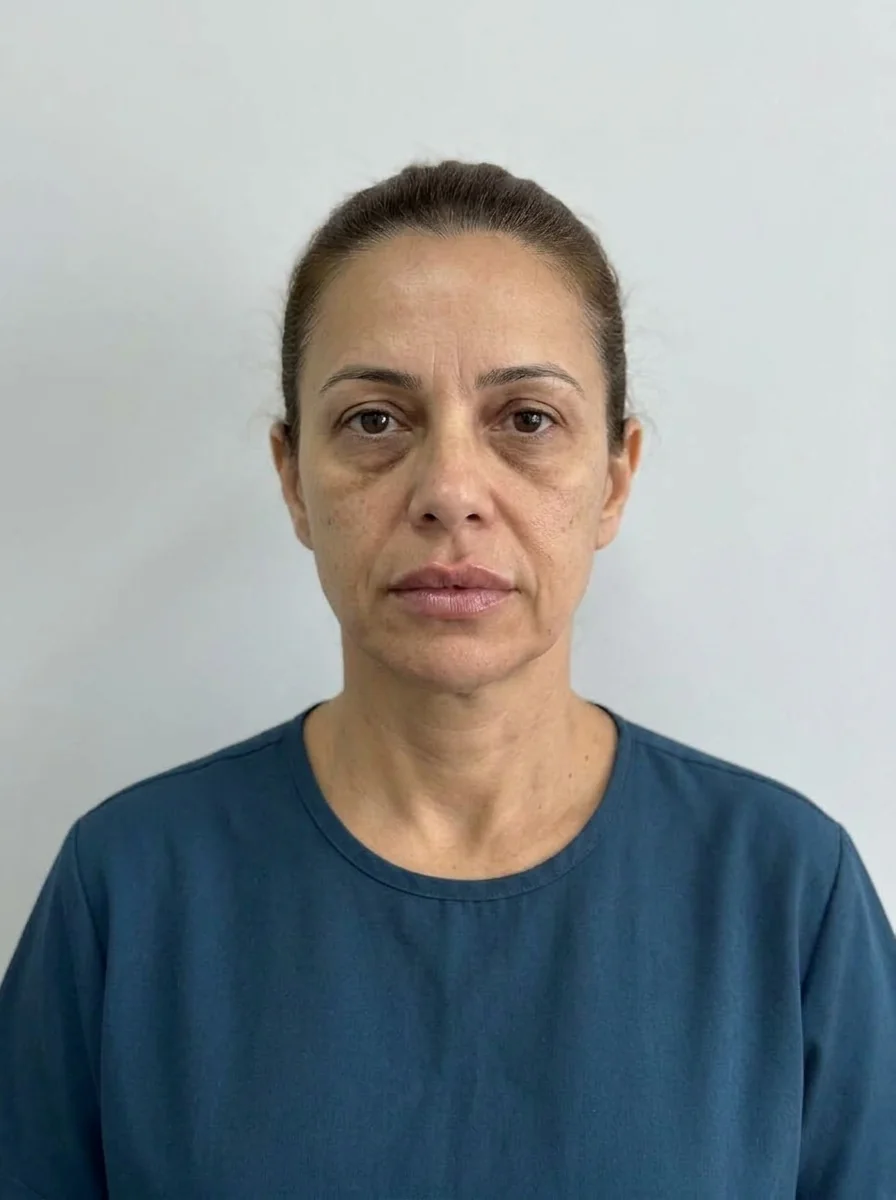 BeforeSimulation
Quick facts
- Intensities in the app
- Subtle, Moderate and Pronounced, per area (default Moderate)
- Goal
- Find the range of naturalness the patient wants
- Rule
- Show at most two versions at a time and ask before interpreting
- Limit
- The image is illustrative, not a promise
In the simulation, intensity is one of the variables that most shapes expectations. The same filler volume, shown at three degrees of effect, can suggest three completely different plans. And the patient, seeing three versions side by side, tends to pick one for its visual impact, not for how well it suits the face.
That is why intensity calls for a conversation, not a menu. This guide shows how to use subtle, moderate and pronounced to find out what the patient wants, instead of offering three options for them to "choose." The idea is simple: the comparison is for understanding, not for selling.
What are the intensities in the simulation?
In Harmy, each marked area receives, besides the volume in ml, an intensity: Subtle, Moderate or Pronounced, with Moderate as the default. The intensity guides how noticeable the change is in the generated image, and the AI follows that instruction along with the volume.
The technical detail of how intensities behave is in explaining subtle, moderate and pronounced intensity. Here the focus is the conversation.
Why is comparing intensities risky?
The comparison has three traps:
- Shop window effect. On seeing the pronounced version, the patient may fall for the impact and forget the concern.
- Anchoring effect. The first image shown sets the reference: if you start with the pronounced one, the subtle one looks "like too little."
- Fixed expectation. The patient keeps the image and starts treating it as a promise.
How do I run the comparison?
Instead of presenting a menu, run it as a conversation in three beats.
- Recall the concern. "You said you want something natural, a slight improvement. Let's look at a discreet version."
- Show one version and listen. "What do you feel when you look at this image?"
- Offer a second one for contrast, if it makes sense. "Would you like to see a slightly more noticeable version, just to compare?"
Avoid questions like "which do you prefer?", which lead to choosing by impact. Prefer "which one looks most like what you had in mind?"
How do I interpret the patient's response?
The reaction to the comparison says more than the choice itself.
Does intensity help when talking about maintenance and stages?
A lot. The subtle version fits well with the idea of a gradual result: start discreet, assess and, if it makes sense, add to it. This lowers the risk of overdoing it and gives the patient control of the pace. See also staged simulation for the patient.
An example in one area
On the lips, for instance, the difference between the intensities is easier to see. Use the simulation on this page as a reference for how the illustrative image looks in Harmy. It shows a fictional person and does not represent a guaranteed result.
For this area, the content in I want bigger lips offers the conversation script for when the wish is for volume.
What should I tell the patient who always wants the maximum?
This is the central principle: the professional protects the patient from excess enthusiasm. For harder cases, see patient who asks for an exaggerated look and declining a request for excessive volume.
What if the patient wants less?
The reverse also happens, especially with those who fear looking artificial. In that case the subtle version serves as an anchor, and the conversation is about naturalness. The text the patient asks for less in the simulation covers this situation.
Checklist
Comparing intensities is useful when it serves to discover what the patient wants. When it serves to push them, it is no longer a consultation.
How do I keep a record of what was discussed?
After comparing, record which version came closest to the patient's wish and the words they used to describe it. That record becomes a reference for the follow-up: if the patient said "this discreet one is already good," it is documented that the goal was discretion, and the later assessment starts from there.
Also note that the image was presented as illustrative and that the intensity chosen in the simulation does not set the final amount of product. The volume and technique follow the professional's assessment at the time of injection, in line with the consent. This care keeps the chosen image from becoming a promise stored in the patient's memory.
Frequently asked questions
Should I show the patient all three intensities?
Not always. Showing two is usually enough to locate their preference. Three versions in a row can confuse the patient or push them to always ask for the largest.
How do I keep the patient from choosing Pronounced just because it stands out more?
Ask what they feel about each version and recall the original concern. The right question is which version is closest to what they want, not which one stands out more.
Does the intensity in the simulation set the volume that will be applied?
No. The simulation illustrates a proposal, and the final volume is the professional's decision, based on their assessment and the injection itself.
What if the patient wants the most pronounced version?
Listen to the reason, recall the limits of what is safe and natural, and explain that a more discreet result can be built in stages.
Harmy images are illustrative simulations generated by AI from the patient's photo to support the conversation between practitioner and patient. They are not a promise of results. Indication, technique, product and volume are solely the decision of the licensed practitioner. This content is for information only and does not replace a clinical assessment.