
How to explain subtle, moderate or pronounced intensity

Quick facts
- Scale
- Subtle, Moderate or Pronounced
- App default
- Moderate
- Purpose
- Shared language between professional and patient
- Caution
- The intensity of the simulation is not a promise of results
The phrase "I want something natural" means different things to each patient. To one, natural means nobody notices. To another, it means looking good without looking overdone. Without a shared language, you and the patient both think you agree, and only discover the difference at the follow-up. The Subtle, Moderate and Pronounced scale works as that shared language: three words both sides understand and can point to in the simulation.
What does each level mean?
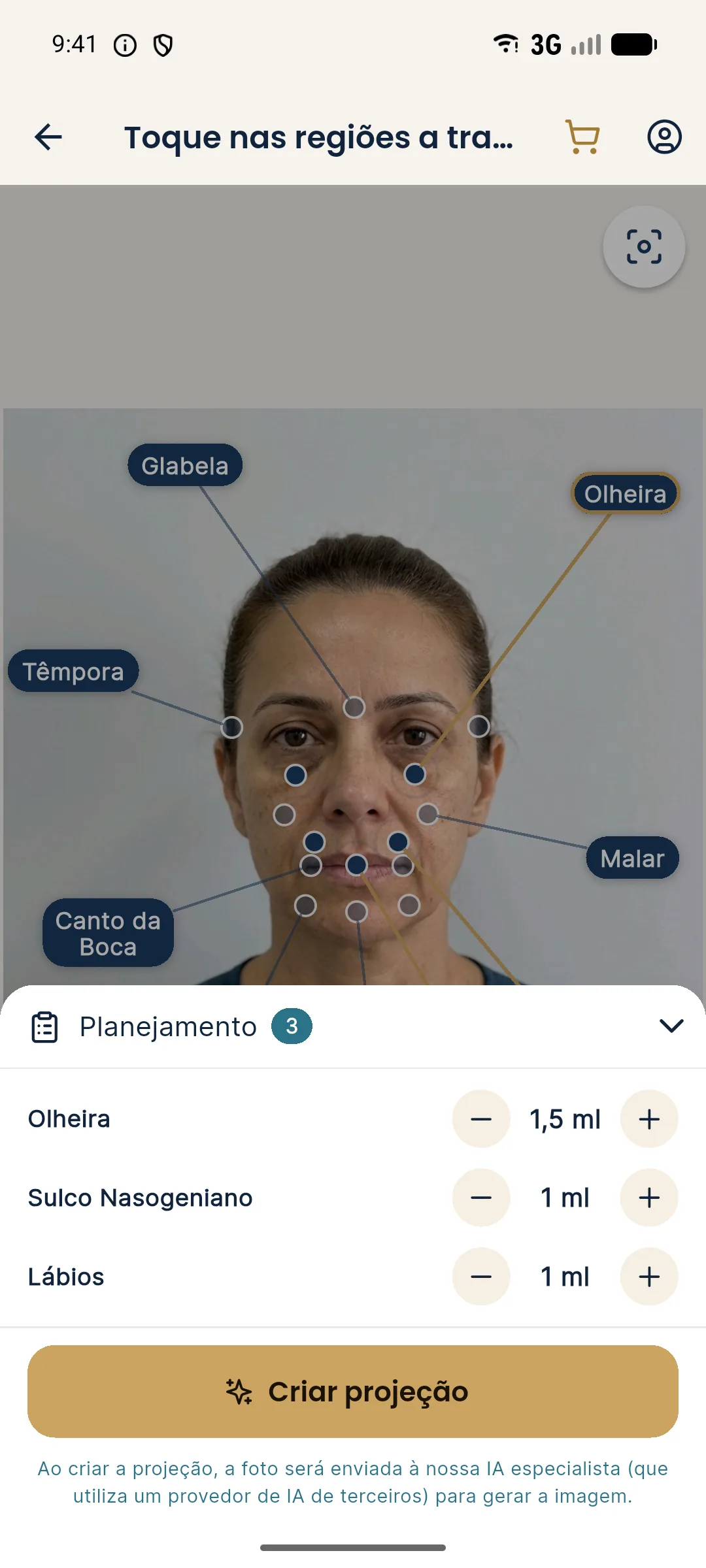
In Harmy, each marked area can receive an intensity. Moderate is the default. In patient language:
| Level | How to explain it | Who it usually suits |
|---|---|---|
| Subtle | A discreet change that hardly anyone notices at first glance | Those who want maximum naturalness or are just starting |
| Moderate | A noticeable change that is still balanced | A common starting point for the conversation |
| Pronounced | A more evident change in the area | Those with a clear concern who already understand the effect |
The scale describes the perception of the change in the simulation. It does not define technique or product, and the clinical decision belongs to the professional.
What is the difference between intensity and ml?
The ml is the volume you plan for the area, in steps of 0.5, from 0.5 to 5 ml. Intensity is how visible that volume looks in the simulation. Think of ml as the "how much" and intensity as the "how evident." Two patients with the same ml can have different perceptions, because of anatomy, skin and expectations.
How do you lead the conversation with the scale?
A suggested script, in four steps:
- Explain the scale in one sentence.
- Show the same area at two levels, side by side, if possible.
- Ask which one fits their idea.
- Record the chosen level and the reason.
That question avoids debating in theory and gives the patient something concrete to react to. See also comparing intensities in the simulation.
How do you keep intensity from becoming a promise?
The simulation is illustrative. The Pronounced intensity shows a bigger change in the image, and that does not mean the procedure will deliver it. The actual result depends on anatomy, product, technique and time. Make this clear before showing the levels.
What if the patient always asks for the highest level?
It is common for someone who sees the Pronounced image to think "more is better." Here the scale is an ally: show all three and ask the patient to describe how they would feel walking out on the street with each one. Also ask whether there is an area where they accept Pronounced and another where they prefer Subtle. The answer often reveals what they really want.
If the choice seems out of proportion for the anatomy, it is your role to say no or to propose a staged approach. See how to say no to the patient in facial harmonization and aligning expectations of naturalness.
And the patient who asks only for Subtle?
Subtle is a legitimate choice, especially the first time. Explain that discreet changes can be harder to notice from one day to the next, which is why a standardized photo at the follow-up is important for comparison. Subtle can also be a first step, with an adjustment later, which fits the idea of a touch-up as part of the plan.
How do you record it?
Note the intensity level discussed for each area, the level the patient chose as a reference, and the illustrative simulation notice. This makes the follow-up easier and clarifies the original agreement if there is any doubt later. For the written record, see aligning expectations in writing.
The scale does not settle the clinical decision, but it gives the patient a way to say what they want, and gives you a way to say what is reasonable.
Frequently asked questions
What do the Subtle, Moderate and Pronounced intensities mean?
They are three levels of how noticeable the change is in the area. Subtle is discreet, Moderate is in between and Pronounced is more evident. In Harmy, intensity is chosen per area, with Moderate as the default.
Is intensity the same thing as ml?
No. The ml is the planned volume for the area, and intensity indicates how noticeable you want the change to look in the simulation. The two work together.
How does the patient choose the intensity?
You show the levels in the simulation, ask which one fits what they imagine, and use the answer as the starting point of the plan. The final clinical decision is yours.
Is the Pronounced intensity the best option?
There is no absolute best. It depends on the area, the anatomy and the expectation. In many cases, the natural result is Subtle or Moderate.
Harmy images are illustrative simulations generated by AI from the patient's photo to support the conversation between practitioner and patient. They are not a promise of results. Indication, technique, product and volume are solely the decision of the licensed practitioner. This content is for information only and does not replace a clinical assessment.