
Aligning Expectations About a Natural Look: What Natural Means

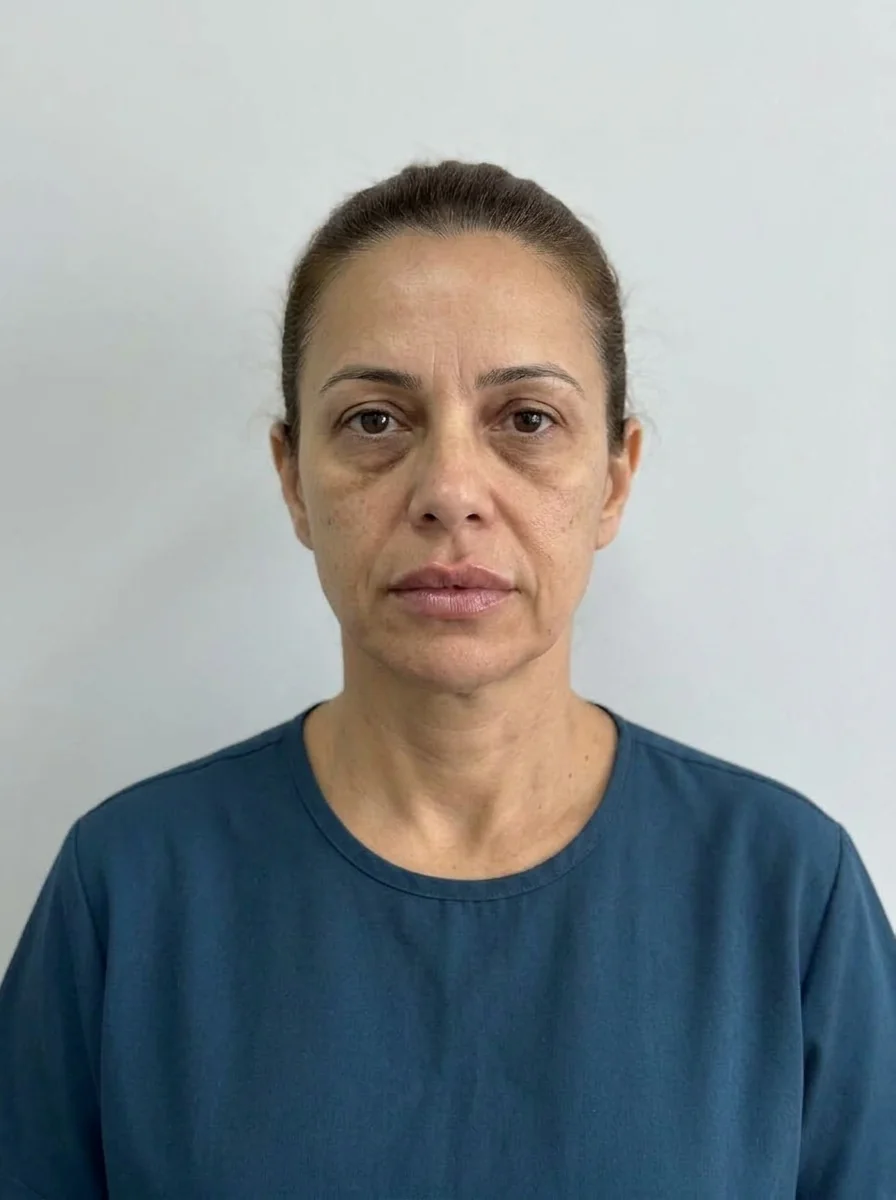 BeforeSimulation
"I want to look natural" is the most common and least precise phrase in any facial harmonization consultation. For one person, natural means nobody notices that anything was done. For another, it means being noticed as "more rested." For a third, it means having visible lips, but not "duck lips." If you do not ask, you fill in the word with your own definition, and the patient discovers the difference later.
This page shows how to turn "natural" into criteria agreed before the plan: words, limits, use of references, support from the simulation and documentation. Technique and doses follow the assessment and decision of the qualified professional.
Why does "natural" need to be defined?
Because each person has a different yardstick. If the patient wants "no one to notice" and you understand "subtle but visible," the conversation ends well in the consultation and badly the following week. The word alone does not support a decision.
Defining it together brings three gains: the patient feels heard, the plan becomes more objective and the assessment of the result has a criterion instead of just an impression.
Four questions that turn "natural" into a criterion
- Who should notice? "Do you want people close to you to notice you look different, or only you?"
- Which difference is welcome? "If someone comments, what would you like them to say?" (for example, "your skin looks great" or "you look rested").
- What would be too much for you? Here the patient describes the limit, and that limit protects the plan.
- How long do you want before deciding on more volume? Naturalness goes with stages and review.
What tends to make a face look artificial?
An artificial look rarely has a single cause. A few factors appear frequently in practice:
- Excessive or concentrated volume. Treating one area to the limit without looking at the whole throws proportions off.
- Disproportion between areas. Very prominent lips with a flat midface, for example.
- Altered expression. Excessive forehead stiffness from toxin, a smile that does not reach the eyes.
- Rushing. Wanting the whole result in one session, without observing the tissue's response.
- Unsuitable references. Wanting someone else's face, or the look of a social media filter.
See also the overall assessment in facial assessment by thirds.
How do you use reference photos without falling into the trap?
A reference is useful for understanding taste, not for setting a goal. Ask the patient to show two or three images and ask what they like in each, in terms of characteristics: "more defined lips," "more rested eyes," "a more defined jawline." Then translate it to their own face.
| Use of the reference | Risk | How to handle it |
|---|---|---|
| Understanding taste | Low | Ask what the patient likes, in words |
| Choosing an area to improve | Medium | Connect the characteristic to their anatomy |
| Asking to "look just like" someone | High | Explain that structure is individual |
| A filter reference | High | Explain that the filter changes what an injectable cannot |
Does the simulation help define what is natural?
It helps as a conversation aid. The projection lets you show, on the patient's own face, how much an area changes with different volumes and intensities. By comparing a subtle change with a more pronounced one, the patient better understands what "natural" means to them.
See the talking script in presenting the projection in the consultation. The notice to the patient is in illustrative simulation notice. Also remember that the projection uses only the front-facing photo, so it does not show the profile or movement.
How do you work in stages?
A safe way to pursue a natural look is to start with a little and reassess. The first stage shows how the tissue responds and how the patient adjusts to their own image. After the follow-up, you decide whether a touch-up or new areas are indicated. This logic also reduces the risk of overdoing it. For the reasoning behind a phased plan, see staged plan.
What should go in the patient record?
- The definition of "natural" in the patient's own words.
- The limits ("I don't want the shape of my face to change").
- References discussed and what was explained about them.
- Whether the simulation was used and how it was presented.
- The staged plan, if there is one.
The patient record and the informed consent should reflect that the patient took part in defining the goal. Model phrases are in aligning expectations in writing.
Frequently asked questions
What does a natural result mean in facial harmonization?
There is no single definition. For one patient, natural means nobody notices; for another, it means looking rested. That is why the professional defines the term together with the patient before planning.
How do I avoid an artificial-looking face in facial harmonization?
By aligning expectations, working in stages and respecting proportions and anatomy. Excess volume and focusing on a single area tend to favor an artificial look.
Can I use reference photos with the patient?
Yes, with care. The photo shows the patient's taste, but faces have different structures. Use the reference to understand characteristics, not as a goal of resemblance.
Does the simulation help define what is natural?
It helps as support. Because it is illustrative and uses only the front-facing photo, it shows a possible direction, and the Subtle, Moderate and Pronounced intensities let you talk about how much change the patient wants.
Harmy images are illustrative simulations generated by AI from the patient's photo to support the conversation between practitioner and patient. They are not a promise of results. Indication, technique, product and volume are solely the decision of the licensed practitioner. This content is for information only and does not replace a clinical assessment.