
Comparing Subtle, Moderate and Pronounced Intensity in Simulation

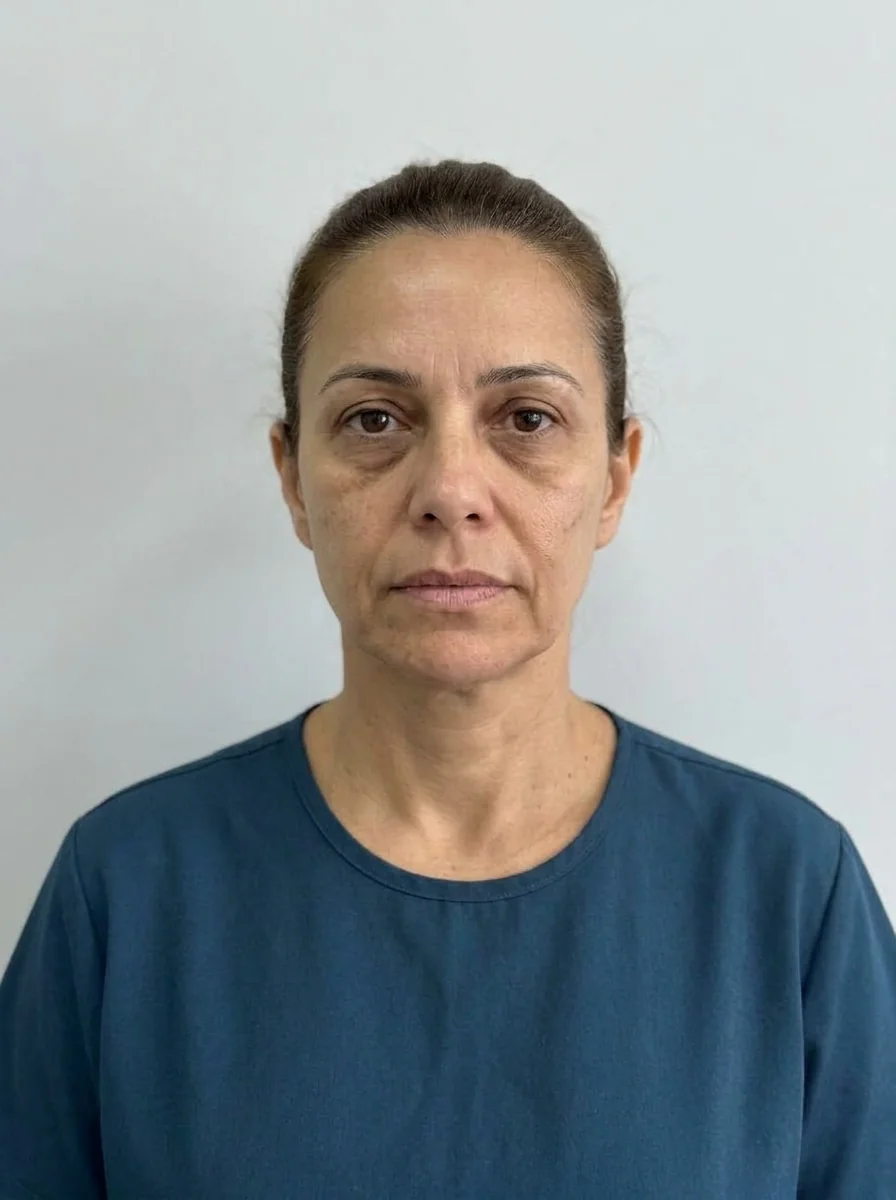 BeforeSimulation
Quick facts
- Topic
- Visual effect of Subtle, Moderate and Pronounced
- App default
- Moderate intensity
- Combines with
- ml entered per area
- Important
- Illustrative simulation, no promise
Intensity is one of the most misunderstood controls in the simulation. Many people think it "increases the volume". It does not: it regulates how much the image emphasizes the planned change. The volume in ml states the plan, and intensity states how the projection shows it. Understanding this difference avoids two opposite failures: a simulation so subtle the patient sees nothing, and one so pronounced they expect more than the plan delivers.
How does intensity work in Harmy?
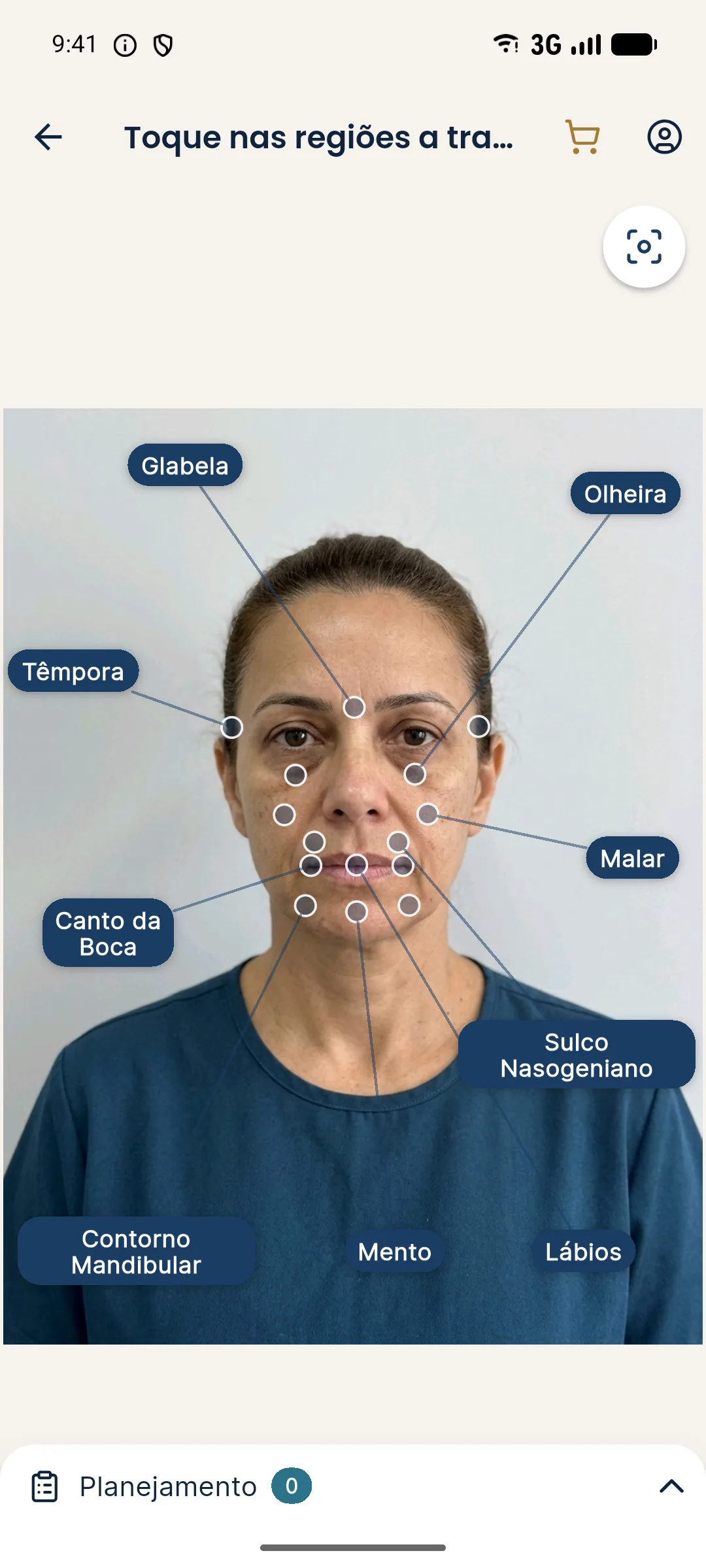
When marking, each area gets an intensity: Subtle, Moderate or Pronounced, with Moderate as the default. The ml is still entered in steps of 0.5 ml, from 0.5 to 5 ml. The AI respects both inputs and changes only the marked areas, with no makeup, skin retouching or change of expression.
The marking shortcuts already bring combinations of ml and intensity for common situations. "First time" uses lips 1 ml at Moderate and tear trough 1 ml at Subtle. "Maintenance" uses lips 0.5 ml at Subtle, nasolabial fold 1 ml at Subtle and cheekbone 1 ml at Subtle. "Full harmonization" uses cheekbone 2 ml, jawline 2 ml, chin 1.5 ml, lips 1 ml and nasolabial fold 1 ml, all at Moderate, with tear trough 1 ml at Subtle.
When should you use each one?
| Intensity | Effect on the image | Typical use in the plan |
|---|---|---|
| Subtle | Discreet change, almost in the background | Maintenance, first time, thinner skin, patient who fears overdoing it |
| Moderate | Visible change without standing out | Default for most planning conversations |
| Pronounced | Evident change in the image | Cases where the patient wants to see the effect on the phone, always with a caveat |
The choice does not depend only on what the patient wants to see. It depends on what the plan can deliver. If the plan is 1 ml of maintenance, a Pronounced projection conveys something the procedure does not do. The relationship with ml is in ml and intensity in Harmy: what is the difference and in explaining Subtle, Moderate and Pronounced intensity.
How do you compare without confusing the patient?
The comparison works well when one variable changes at a time. The script below avoids noise.
- Generate the base projection with the plan's ml and Moderate intensity.
- If the patient fears overdoing it, generate the same projection at Subtle.
- Generate at Pronounced only if the conversation requires it, and label it a "reference scenario".
- Present them in sequence, at the same zoom, on the same area.
- Ask which scenario the patient recognizes as "theirs".
- Save the choice in the history, next to the plan.
Each projection uses 1 credit, at R$ 3.99, with no subscription. Compare with discretion. See also simulation with more than one scenario and saving simulation versions per follow-up.
How does intensity affect the actual plan?
Not at all, directly. The app does not decide volume, product or technique; the professional does. Intensity is a communication tool. Even so, it influences the patient's decision, which is why ethical care is needed. The general concept is in why the simulation should be subtle and in ethics of simulating results.
Intensity and area: what changes from one to another?
Each area responds differently in the image.
- Lips. Small changes in ml already show. Subtle is usually enough for a first conversation.
- Cheekbone. The effect shows in the contour and the shadow. Moderate communicates well.
- Chin. Differences in projection appear mainly in profile, which the app does not simulate. From the front, the effect is more discreet.
- Tear trough. Subtle is usually the choice, because the area is delicate and high in vascular risk.
For the usage pages by area, see marking lips in Harmy, marking the cheekbone and marking the chin.
How do you record it?
Note in the patient record that the simulation was illustrative, which scenario was shown and which one the patient chose. The standard text is in notice text for illustrative simulation and the relationship with the consent form in simulation and informed consent.
What questions do patients usually ask?
When they see three images, patients tend to pick the most evident one. The questions below help guide the decision.
| Patient's question | Possible answer |
|---|---|
| "Can I end up like this?" (pointing at Pronounced) | The image is illustrative. The actual plan depends on anatomy, the product and the assessment. |
| "Why does Subtle barely change anything?" | It is more discreet on purpose, and close to a conservative plan. |
| "Can you see the difference day to day?" | It depends on the area and the volume. Subtle changes are noticed by people who know your face. |
| "Which one is the most realistic?" | None predicts the result. Moderate is usually the starting point of the conversation. |
Record which scenario the patient recognized as "theirs" and use that choice as an expectation reference, not as a contract for results. If they insist on Pronounced, take the chance to ask what they expect to see in the mirror and what that means for the plan.
When the conversation is with a patient who has had procedures before and wants "more", Subtle intensity is especially useful: it shows the incremental gain without projecting a very different face. See patient asks for more in the simulation and patient asks for less in the simulation. For those who arrive with unrealistic expectations, the page patient with unrealistic expectations offers approaches.
Summary
Intensity is a communication adjustment. Combine it with the plan's ml, prefer the discreet option to open the conversation, and never use the most pronounced image as a sales argument. Any volume and technique are at the discretion of the licensed professional, after assessment.
Frequently asked questions
What is the difference between ml and intensity in Harmy?
The ml says how much volume was planned for the area. Intensity sets how strongly the projection emphasizes the change in the image: Subtle, Moderate or Pronounced. The two combine, and Moderate is the default.
Which intensity should I show the patient?
In general, the one closest to the actual plan. Showing Pronounced to excite the patient creates a bigger expectation than the plan can support.
Can I create the same photo in three intensities?
Yes, each projection uses 1 credit (R$ 3.99). Compare with discretion, because every projection generated is charged.
Is Pronounced intensity more faithful to the result?
Not necessarily. It shows a more visible change in the image, but the actual result depends on the product, the technique and the patient.
Harmy images are illustrative simulations generated by AI from the patient's photo to support the conversation between practitioner and patient. They are not a promise of results. Indication, technique, product and volume are solely the decision of the licensed practitioner. This content is for information only and does not replace a clinical assessment.