
Facial harmonization plan for brides: timeline and cautions

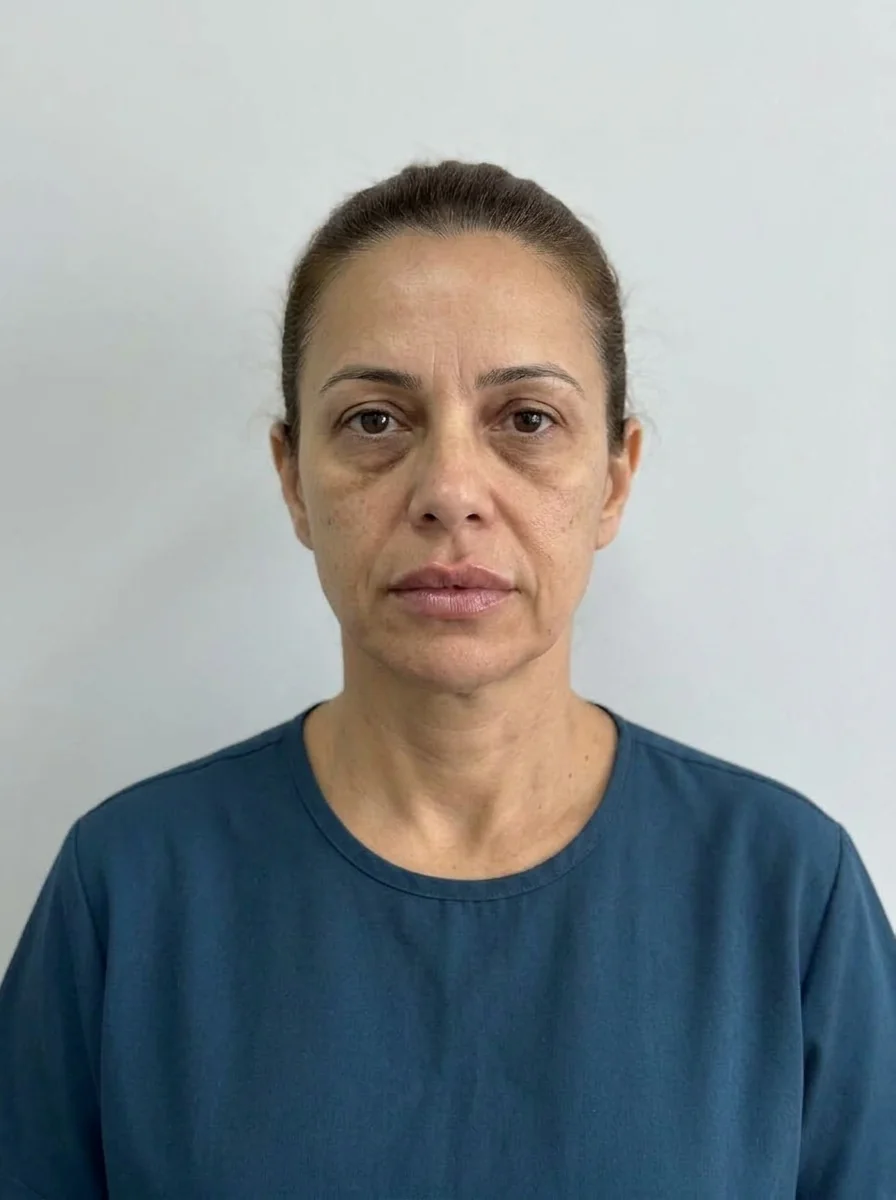 BeforeSimulation
Quick facts
- Topic
- Facial harmonization plan for brides
- Ideal planning window
- Months ahead, with room for adjustments
- Golden rule
- Nothing new in the final week
- Point of attention
- The photo shoot, makeup and photos reveal asymmetries and swelling
- Ethical stance
- Say no when the date does not allow for the procedure
Few patients arrive as motivated, as anxious and in as much of a hurry as brides. The date is fixed, the photos will be looked at for decades and family pressure tends to be high. For the professional, it is a context that calls for early planning, very clear communication and the courage to say "this date does not allow for it". This page lays out the timeline, the trial treatment, the precautions and the photo shoot.
What changes when planning for a bride?
The clock changes and so does the gaze. The clock, because the deadline is rigid and cannot be postponed. The gaze, because the bride will be seen up close, under strong light and flash, for many hours, and any asymmetry, swelling or discoloration will show more. This calls for familiar procedures, conservative volumes and plenty of room. See the general timeline in facial harmonization plan for an event with a set date and the conversation in I have an event coming up.
What is the timeline in months?
The timelines below are illustrative and vary by procedure. The principle is to reserve the early stages for the bigger work and leave the end for what is only maintenance.
How do you organize the trial treatment?
The trial treatment is a procedure done in advance to see how the bride responds. For someone who has never had facial harmonization, this is especially important: everyone's body responds differently, and finding that out close to the wedding is risky. Do the trial in a lower-risk area with low volume, reassess with photos and only then move on to the rest of the plan. See plan for first-time facial harmonization and conservative volume in the first session.
| Stage | Goal | Caution |
|---|---|---|
| Trial (about 6 months before) | Learn the individual response | Low volume and a lower-risk area |
| Main stage | Treat the priorities | Avoid adding many areas |
| Reassessment | Adjust what was left behind | Wait for swelling to settle |
| Final touch-up | Small adjustments | Only in an area already known |
| Final week | Nothing new | Skin care and rest |
What does the photo shoot reveal?
A shoot with studio light and flash shows what ordinary light hides: asymmetries, texture, shine and shadows. It is a chance to see the result under conditions similar to the wedding. If the shoot is already scheduled, plan the procedures with a margin before it, so you can adjust. See lighting for the planning photo and makeup and beard in the planning photo.
Which areas are usually discussed?
Lips, under-eye area, midface and forehead come up often. Each has a timing implication: lips tend to have marked swelling in the first few days, the under-eye area calls for caution because of thin skin and the risk of persistent swelling, and the glabella, being a vascular area when filler is used, needs specific planning. Toxin takes days to work and may need an adjustment. See lip filler, toxin in the glabella and under-eye filler before an event.
How do you use the simulation with the bride?
The simulation helps align expectations and avoid last-minute requests. In Harmy, you make the projection during the consultation and show the Before/After. The discreet difference the AI delivers is usually helpful: the bride understands that the result is subtle and that she will not "turn into someone else". If she wants to review it at home, use the patient link, which opens the slider on her phone with the clinic's logo and contact details.
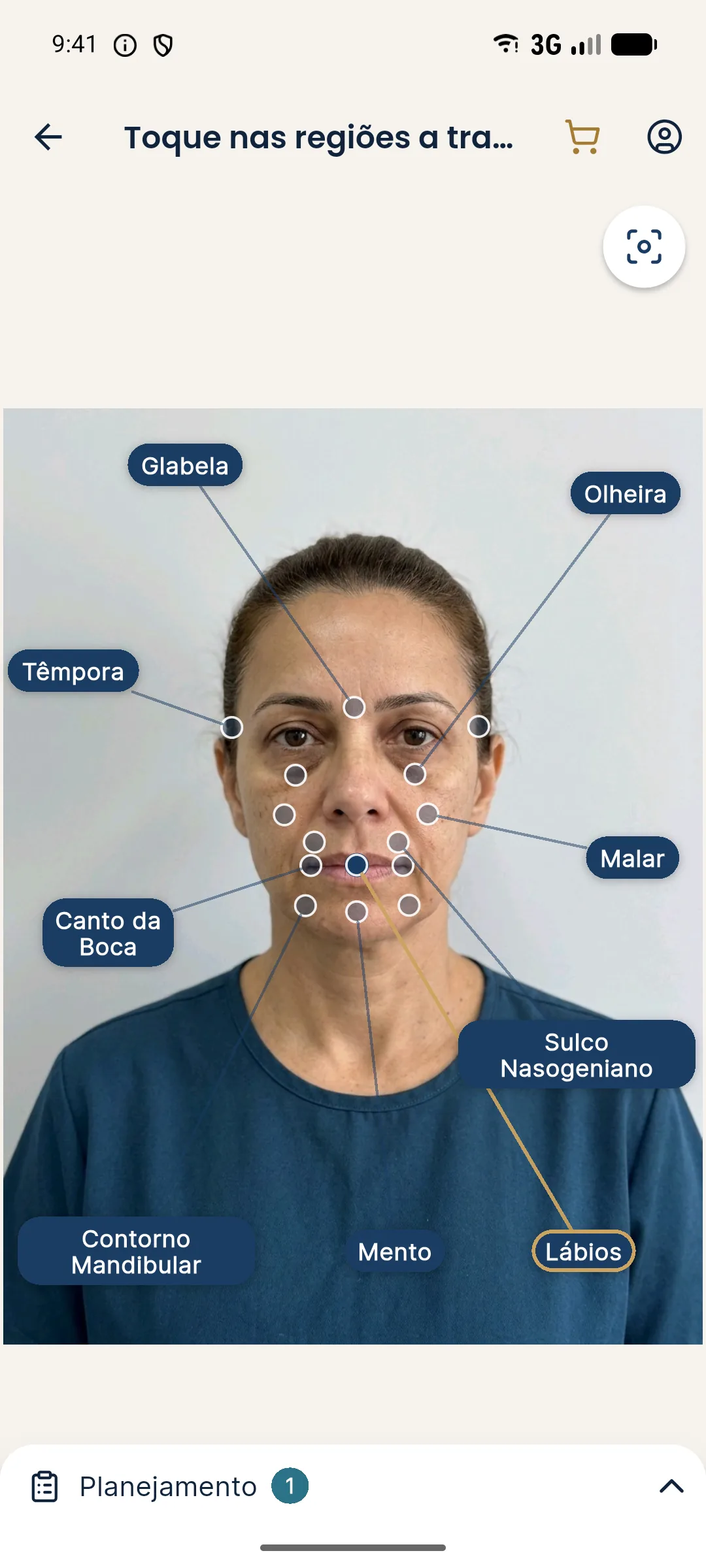
Stay honest: the projection is illustrative, does not account for swelling or individual response, and is not a promise for the day. See explaining that a simulation is not a guarantee and simulation to calibrate expectations.
How do you handle pressure from relatives and reference photos?
Mothers, bridesmaids and friends all have opinions, and social media shows "perfect brides" with filters. Welcome the input, but remember the plan belongs to the bride. Ask what she wants to see when she opens the album twenty years from now. Avoid comparing with filtered photos. See filter face: handling unrealistic references and patient with unrealistic expectations.
What if the bride wants everything at once?
Saying no is part of planning. Show the timeline table, explain the risk of stacking procedures close to the date and propose a version that fits. Record the conversation in the patient record. If she insists on something you consider risky, decline with care. See declining to treat a few days before an event and contingency plan in facial harmonization.
Reasoning quiz
Summary
For brides, plan in months, do the trial in advance, learn the individual response, avoid anything new in the last week and use the simulation to align expectations. An honest refusal and a plan for after the wedding are also part of care.
Frequently asked questions
How long before the wedding should you have facial harmonization?
In general, the earlier the better, to allow time for swelling and any adjustments. Many professionals prefer to finish procedures a few weeks beforehand. The decision is clinical.
Can a bride have toxin and filler in the same week?
It is not usually recommended. Any new procedure in the final week raises the risk of swelling, bruising or asymmetry coinciding with the date.
Should I do a trial before the wedding?
If the procedure is new to the bride, a trial well in advance helps her learn how she responds. In general, it makes more sense than having it done for the first time close to the date.
What should you do if a bruise appears close to the wedding?
Contact the professional right away. Assessment, guidance and, if appropriate, corrective makeup all help. Safety is the priority, not the date.
Harmy images are illustrative simulations generated by AI from the patient's photo to support the conversation between practitioner and patient. They are not a promise of results. Indication, technique, product and volume are solely the decision of the licensed practitioner. This content is for information only and does not replace a clinical assessment.