
Prevention Plan Between Ages 25 and 35: When It Makes Sense

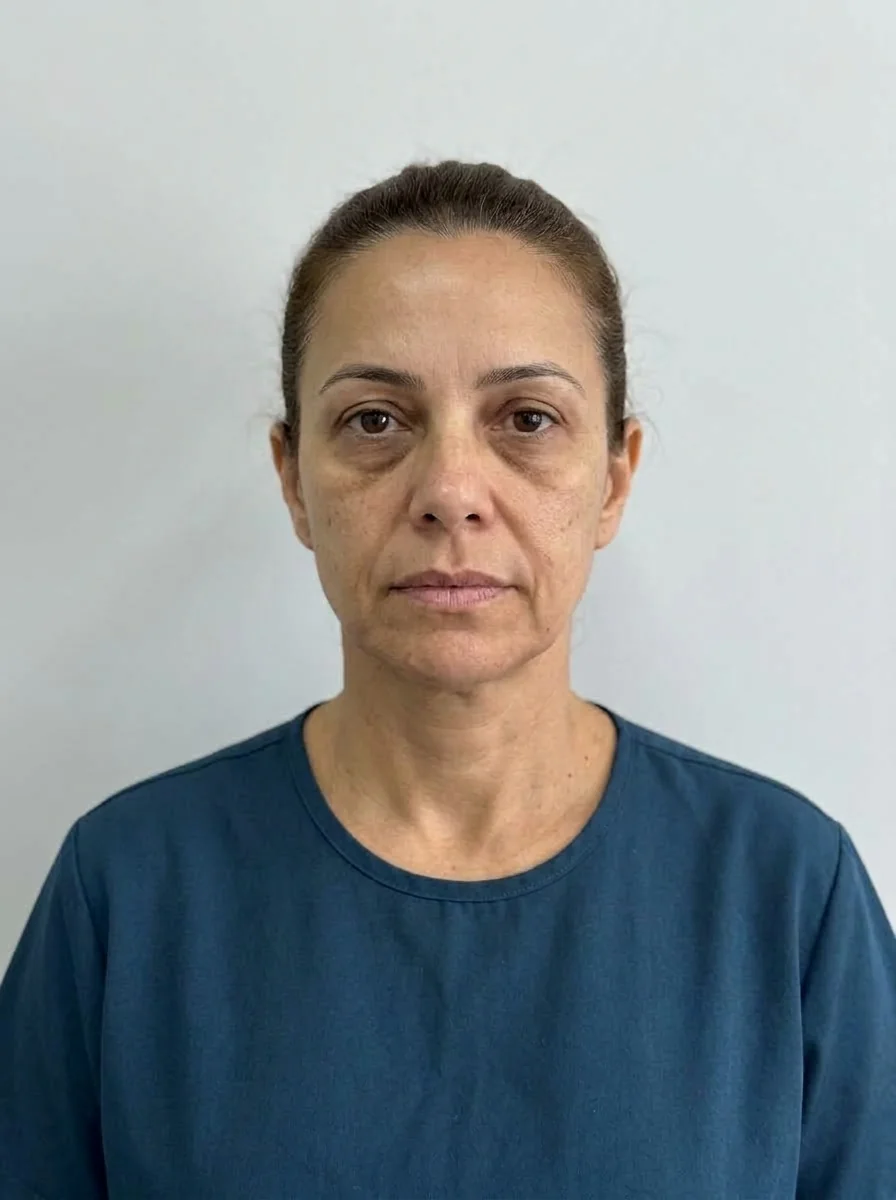 BeforeSimulation
Quick facts
- Topic
- Prevention in facial harmonization between ages 25 and 35
- Key question
- Is there a real sign to prevent, or is it anxiety about age?
- Priority
- Skin, sun and habits before any injectable
- Usual strategy
- Few interventions, low doses and review
- Ethical risk
- Creating a need where none exists
Prevention is a seductive and delicate topic. Seductive, because young patients arrive worried about the future; delicate, because the clinic is where anxiety can turn into an unnecessary procedure. This page helps you decide when prevention in facial harmonization makes sense between ages 25 and 35, what to prioritize, what to avoid and how to talk without creating urgency.
What is meant by prevention in facial harmonization?
In facial harmonization, "preventing" usually means reducing the mark of dynamic lines before they become static, preserving skin quality and, in some cases, replacing an initial loss of volume. The evidence that each measure changes aging in the long term varies, and the professional should be honest about that: part of it is plausible reasoning, part is common practice, and none of it is a promise. For the vocabulary, see rugas dinâmicas and rugas estáticas.
When does it make sense to consider it?
It makes sense to consider it when there is a concrete sign: expression lines that already appear with movement and start to show at rest, an initial loss of volume in a specific spot, or skin with signs of early photoaging. In young people, early loss of volume has specific causes and deserves investigation, as described in early volume loss in young people. For an age-based reading, see facial analysis at age 20 and facial analysis at age 30.
It also makes sense when the patient has very marked expressive habits and prefers to treat early, at a low dose, rather than wait for the line to set. The choice is theirs, informed, and the professional should not push.
When is it unnecessary spending?
When the patient has no signs and what drives them is fear of aging, comparison with social media or pressure from those around them. Also when the offer is a "preventive" package with a predefined volume. In these cases, a conversation about expectations and habits is worth more than a procedure. See filter face: dealing with unrealistic references and harmonization plan and the patient's mental health.
| Situation | Usual approach to consider |
|---|---|
| Marked dynamic line that is starting to set | Discuss low-dose toxin, with reassessment |
| No line and no concern | Advise on skin and habits; follow up |
| Concern about "signs of age" with no clinical finding | Explore expectations and self-image |
| Early, localized loss of volume | Investigate the cause and discuss a conservative plan |
| Request for "prevention" driven by social media | Align expectations and avoid a predefined package |
What to prioritize before injectables?
The foundation is skin and lifestyle. Daily sun protection, avoiding tobacco, sleep and hydration have a broad effect and low risk. Skin care guided by the professional, such as actives and quality procedures, comes before volume. The integration of skin and plan is in skincare integrated into the harmonization plan and habits that change the plan: sun, smoking and sleep.
Baseline documentation is an asset: with standardized photos today, the patient and the professional have a basis for deciding years from now. See standardized clinical photography.
Which areas usually come into play?
The area most cited in prevention is the upper third, because of its link to movement: glabella and forehead. Toxin is the tool most associated with it, at a conservative dose and with reassessment, but the decision always belongs to the professional. See toxina na glabela and the view of complete upper third in the plan. For the lips, the request is often aesthetic rather than preventive, and should be treated as such.
In any glabella treatment, remember that the area has vascular relevance when a dermal filler is used, and that toxin has its own risks, such as asymmetry and ptosis. The informed consent should cover this.
How do you use the simulation with a young patient?
Use it to align expectations, not to sell. In Harmy, the projection uses 1 frontal photo and simulates the effect of the marked volume. For the glabella, it shows an idea of how the area looks, and the conversation should make clear that it does not represent the prevention of future lines. The simulation photo also does not "predict" the face ten years from now.
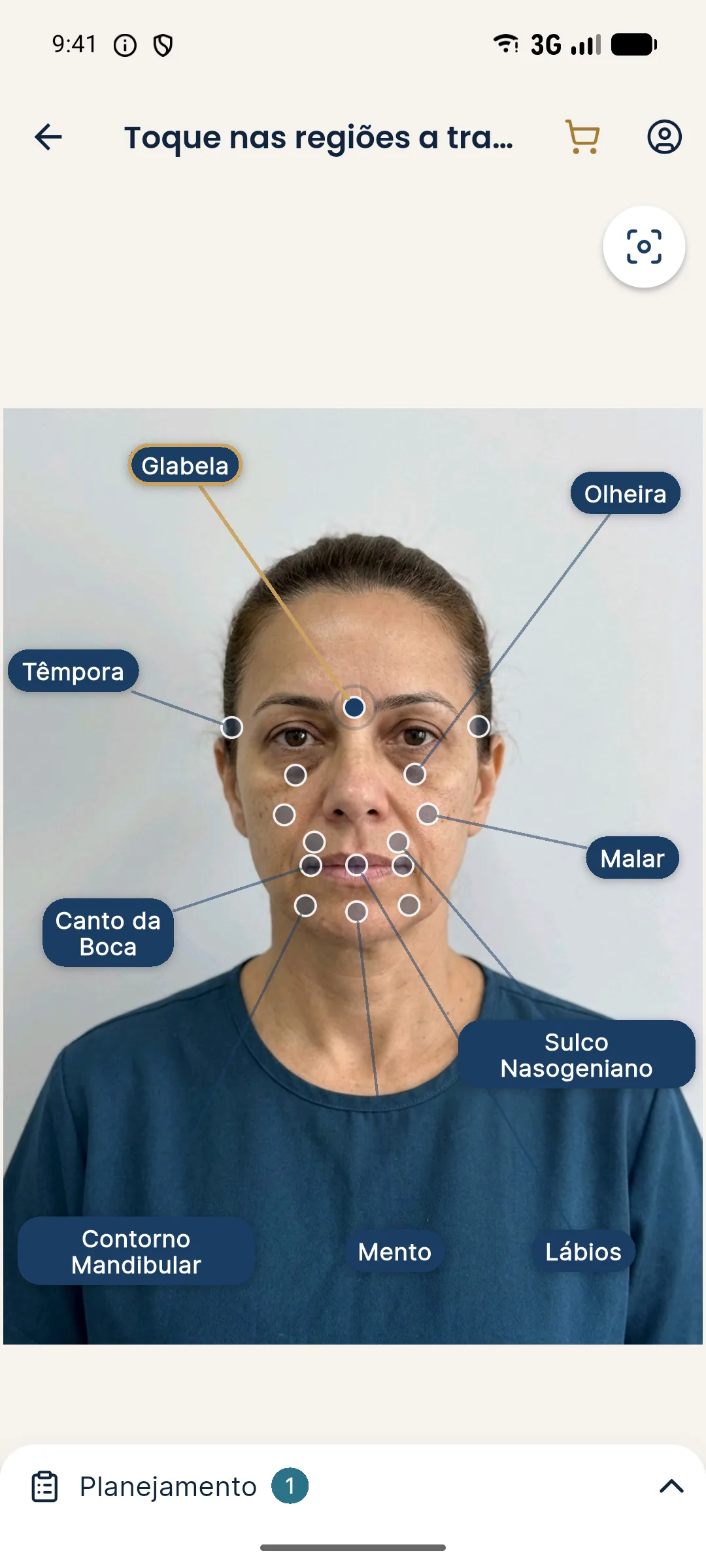
More on the responsible use of the image in why the simulation should be subtle and ethics of result simulation.
How do you talk without creating urgency?
Avoid phrases such as "the sooner the better" or "it will cost more later". Talk about what you see, what you do not see and what can be observed in six months. Offer a minimal plan, the option to wait and follow-up with photos. A patient treated without anxiety tends to stay longer with the clinic out of trust, not fear.
See also minimum viable plan in facial harmonization and plan for first-time facial harmonization patients. For the age limit, see minimum age for facial harmonization, remembering to follow the rules that apply to patients under 18.
What does the plan look like on a timeline?
Reasoning quiz
Summary
Prevention in facial harmonization between ages 25 and 35 only makes sense with a concrete sign, conservative doses and plenty of conversation. Prioritize skin and habits, document with photos and avoid selling fear. Saying "you don't need it yet" is also a good plan.
Frequently asked questions
Does it make sense to prevent with toxin before 30?
It can make sense for someone who already has marked dynamic lines and very expressive habits. For someone with no signs, the indication is debatable. The decision belongs to the professional, after an individual assessment.
Does preventive filler exist?
Filler treats loss of volume or proportion; it does not prevent aging on its own. In someone who has not yet lost volume, the indication tends to be weaker and needs a clear justification.
What is the best prevention for facial aging?
Basic measures such as sun protection, not smoking, sleep and skin care carry a lot of weight. Procedures come in as a complement, when there is an indication.
Does the simulation show prevention?
No. The projection shows the effect of the volume marked today, and prevention is something observed in the future. It serves to align expectations, not to predict the face years from now.
Harmy images are illustrative simulations generated by AI from the patient's photo to support the conversation between practitioner and patient. They are not a promise of results. Indication, technique, product and volume are solely the decision of the licensed practitioner. This content is for information only and does not replace a clinical assessment.