
Facial analysis at 20: what to assess and prioritize

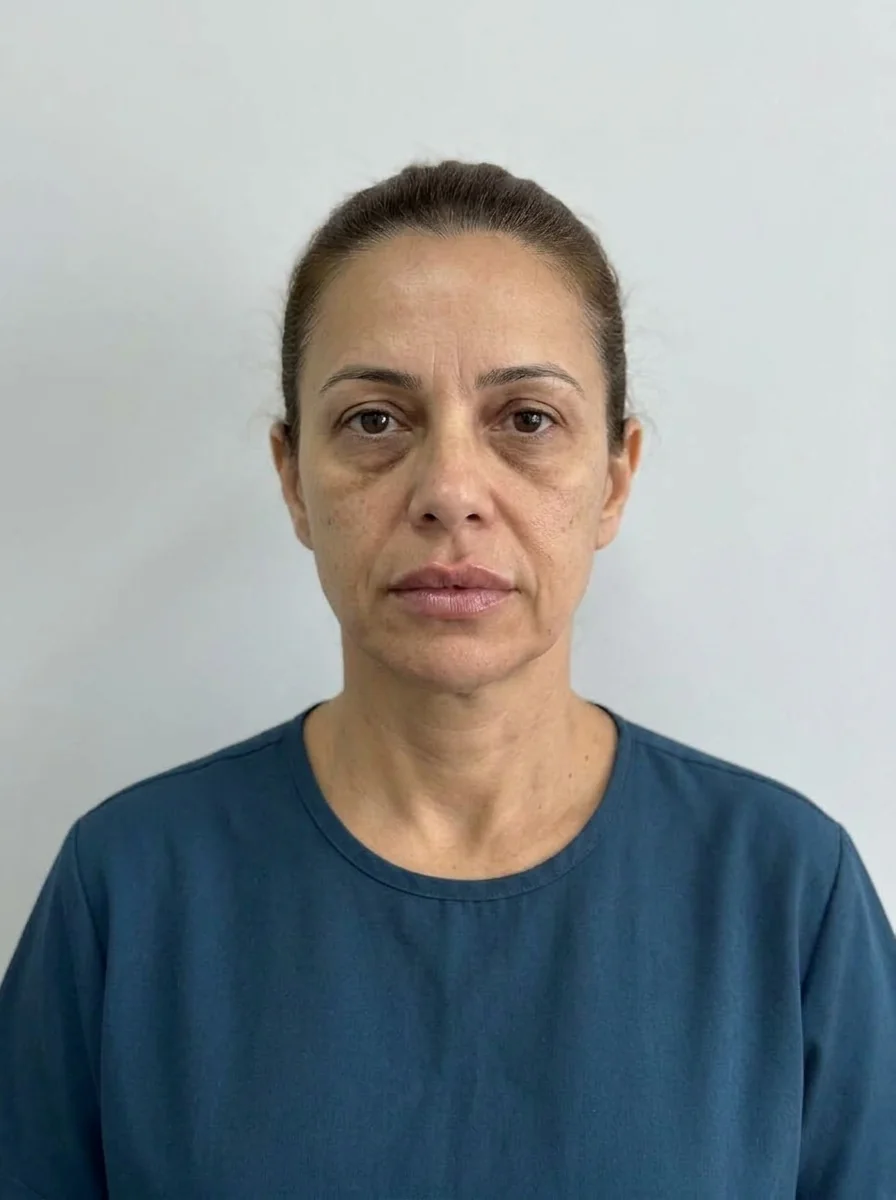 BeforeSimulation
Quick facts
- Goal
- Assess proportion, contour and the real concern at age 20, without treating what is still youth
- Plan focus
- Proportion and contour, with conservative volumes and active listening to the concern
- Do not treat
- Signs of aging that do not exist yet and concerns shaped by social media filters
- Attention
- Minimum age, guardian authorization and professional board rules come before any approach
A patient in their early 20s comes to the HOF (orofacial harmonization) practice for different reasons than someone in their 40s. In general, there is no complaint about sagging or deep folds. There is a wish to enhance the contour, to have more defined lips, to correct a recessed chin, or to look closer to an image seen on social media. Planning at this age has less to do with what time has done and more to do with identity, proportion and expectation.
This page organizes facial analysis for this profile: what to assess, what to prioritize and, above all, what not to treat. It is part of the series by age group, alongside 30s, 40s, 50s and 60 and over.
What changes in facial analysis at 20?
At 20, the face usually has preserved volume, good ligament support and skin with abundant collagen. Therefore:
- Folds and sagging are not the focus; when they appear, they are rarely the reason for the visit.
- Bone structure and the proportion of the thirds account for most of the harmony.
- Small asymmetries, which always exist, are more evident in photos than in person.
- The concern tends to come from comparison with outside references (edited photos, filters, photos of other people).
Which items should you assess first?
Follow the same sequence as any analysis (see facial analysis in HOF: step by step), with emphasis on four points:
| Point | What to look at | Why it matters at 20 |
|---|---|---|
| Proportion of the thirds | Upper, middle and lower | Defines whether there is a structural disproportion or just an impression |
| Profile | Chin, lips, nose and jaw angle | Shows retrogenia (a recessed chin) and projection that the frontal view hides |
| Contour | Jawline, definition of the angle | It is the most common concern in this age group |
| Lips | Volume, upper and lower proportion, arch | The most frequent request, and the one under the most outside aesthetic pressure |
Lip proportion tends to be read with a reference of one third upper lip to two thirds lower lip, but it varies between people and populations. Use it as a question, not a target.
What should you prioritize in the plan?
Prioritize what changes the perceived structure with the smallest possible volume. In young patients, that usually means:
- Profile and chin. A recessed chin unbalances the lips and nose; sometimes adjusting the chin resolves the concern the patient attributed to the lips.
- Jawline. Defining the angle changes how the lower third reads with just a few ml.
- Lips, with caution. Smaller starting volumes allow correction later; starting big makes reversal harder.
- Cheekbone only if there is a concern. In a young face, malar volume is preserved, and overemphasizing it creates an artificial look.
The app's shortcuts follow this logic. "First time" proposes lips at 1 ml and tear trough at 1 ml at Subtle intensity, starting points to adjust. See comparing intensities.
What should you not treat at 20?
The most common mistake at this age is treating what does not exist yet. A few examples:
- "Preventing wrinkles" with volume or toxin without a clinical sign. Toxin in a face without static lines is a decision to weigh carefully, case by case, at the professional's discretion.
- Folds that are still just expression shadows. Many lines at 20 are only dynamic.
- Nearly symmetrical face, treated to become "perfect". Perfection is not a goal, and absolute symmetry looks artificial.
- Filter references. A filter face has no real texture or shadows.
How do you align expectations with someone who uses filters?
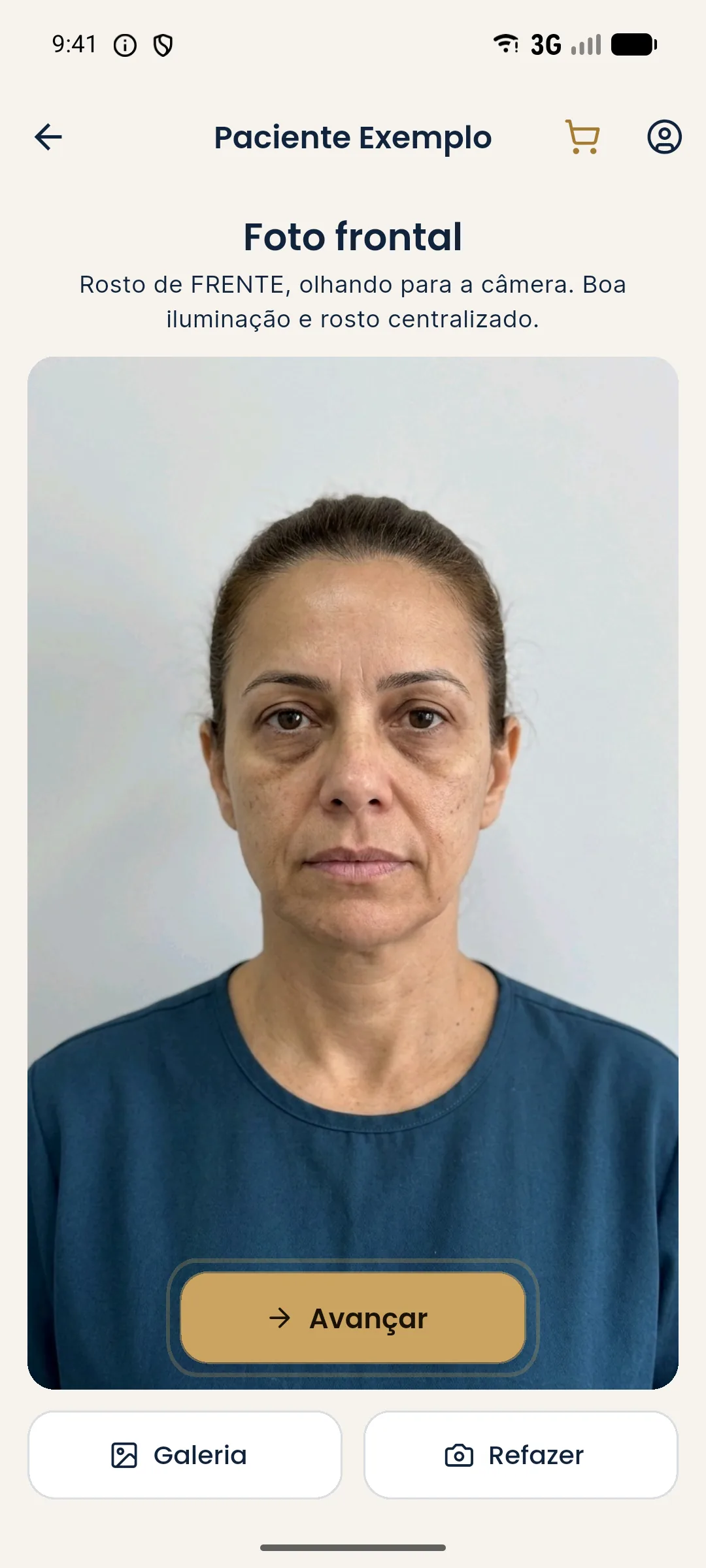
The conversation starts with the real photo, not with their reference photo. Show the face without a filter, the real symmetry, the skin texture and the shadows. Say what the procedure does and what it does not do. The illustrative simulation can help, as long as it is presented as an illustration and not as a promise.
The ethics of simulation are in ethics of result simulation, and the limits of what the app shows, in limits of 2D simulation.
How does spacing out sessions protect a young patient?
For a young patient, a staged plan has a practical advantage: the face responds well to small volumes, and it is easy to add later but harder to remove. Waiting for the follow-up and assessing the standardized photo before any add-on helps you see whether the result is already enough. The logic of intervals is in interval between sessions in the HOF plan.
What about health, medical history and consent?
The medical history remains mandatory: allergies, medications, pregnancy, autoimmune diseases, previous treatments, active orthodontics, tendency to keloids and recurrent cold sores. The informed consent is written in plain language, with risks, limits and the fact that the result depends on individual factors. Hyaluronidase must be available whenever hyaluronic acid is used.
Myth or fact?
Summary
- At 20, the analysis is about proportion and contour, not aging.
- Profile, chin, jawline and lips concentrate the concerns.
- Conservative volumes and a staged plan.
- Do not treat what does not exist yet and do not use a filter as a target.
- Minimum age, authorization and professional board rules come before everything.
Frequently asked questions
Is HOF worth doing at 20?
It can be indicated when there is a real concern about proportion or contour, such as a recessed chin or thin lips that bother the patient. It is not indicated to treat signs of aging that do not exist yet. The decision belongs to the licensed professional, after assessment.
What should be prioritized in facial analysis at 20?
Proportion between the thirds, profile, chin, jawline and lips. At this age the skin and volume are usually preserved, so the focus is structure and harmony.
Is there a risk of overtreating a young patient?
Yes. Accumulated volumes and frequent touch-ups can distort proportions that were natural. Conservative, spaced-out plans reduce this risk.
A 20-year-old patient asks for a filter face. How should I handle it?
Show the real photo, explain the limits of what the procedure does, and consider declining the request if the expectation is incompatible with the face. Declining is also part of planning.
Harmy images are illustrative simulations generated by AI from the patient's photo to support the conversation between practitioner and patient. They are not a promise of results. Indication, technique, product and volume are solely the decision of the licensed practitioner. This content is for information only and does not replace a clinical assessment.