
Female vs. Male Face Differences in Treatment Planning

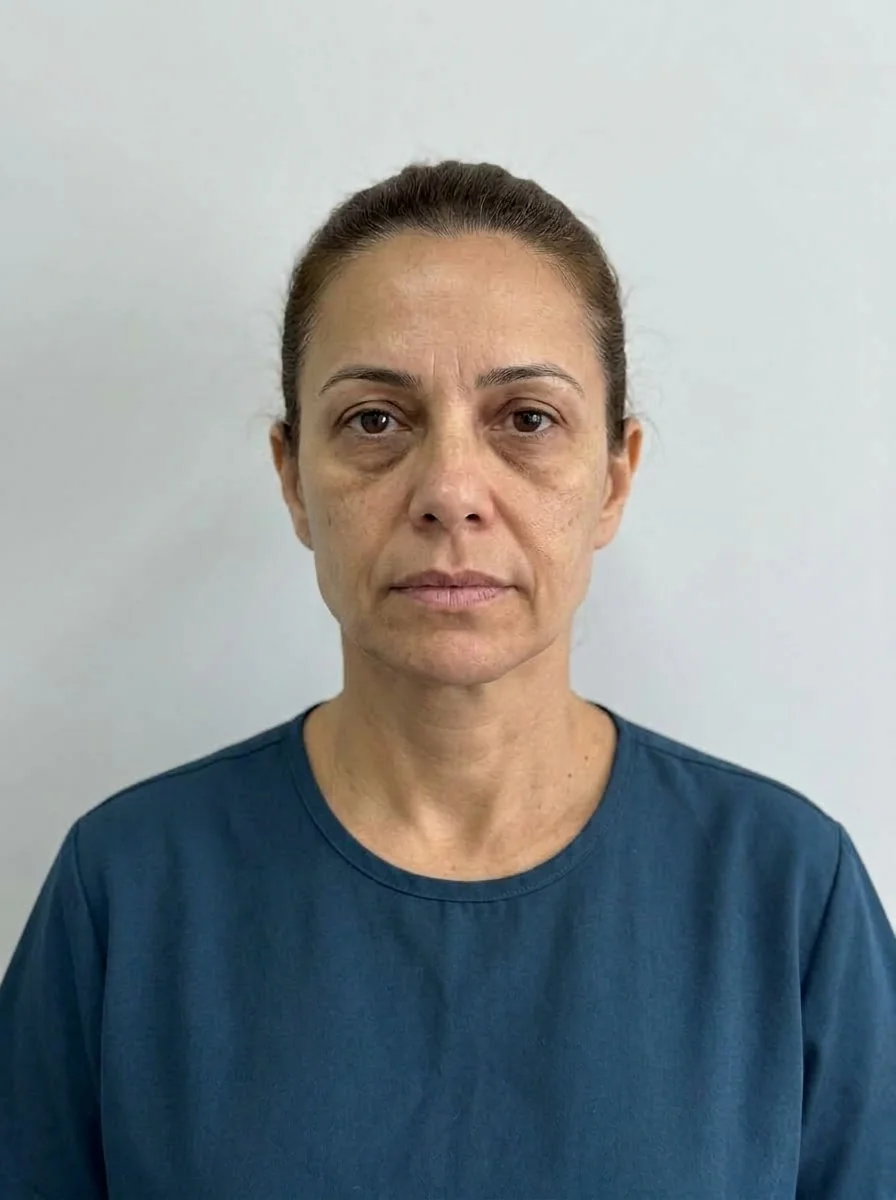 BeforeSimulation
Quick facts
- Topic
- Female and male traits in the plan
- Principle
- Plan around the patient's face, not a stereotype
- Attention
- Trans and nonbinary patients, individual variation
- Risk
- Losing the patient's recognizable features
"I want a more feminine face," "I don't want to end up looking like a woman," "I wanted more definition." These phrases, common in consultations, only make sense when the practitioner understands what sets the female face apart from the male one and, above all, what the patient wants to keep. Planning without this background leads to two opposite mistakes: applying the same plan to everyone, or imposing a standard the patient never asked for.
What differs between faces, on average?
The differences below are population tendencies. Real faces vary a lot, and the plan should never start from gender, only from the person.
| Area | Tendency in the male face | Tendency in the female face |
|---|---|---|
| Forehead and brow ridge | More prominent, lower and straighter brow | Smoother forehead, more arched brow |
| Cheekbone | Less projected, more angular | More projected and rounded |
| Jaw | Wider and more defined, sharper angle | Softer contour, less pronounced angle |
| Chin | Wider and more square | Narrower and more rounded |
| Lips | Less volume, more restrained proportion | More volume and a more visible vermilion |
| Skin and fat | Thicker, with less subcutaneous fat | Thinner, with a different distribution |
To go deeper, see volume by sex in planning, male orofacial harmonization, ideal jaw angle by sex and ideal chin projection by sex.
How does this change the plan?
Three adjustments in reasoning are common in practice:
- Structure first in the male face. Chin, jaw and midline gain weight, and small volumes change perception a lot.
- Soft contour, handled carefully, in the female face. Cheekbone and lips come up as concerns, and the risk is overdoing roundness.
- Lower intensity and ml when the skin is thick and the fat is less visible, with individual assessment, at the practitioner's discretion.
The point applies especially to masculinization and feminization plans: see plan to masculinize the face and facial feminization with injectables. Care for male patients in the consultation is covered in treating male patients in facial harmonization.
Trans and nonbinary patients
Planning should be driven by the patient's goal, not the practitioner's assumption. For trans people, the wish may be to bring the face closer to a feminine or masculine pattern, or just to adjust certain features. Assess the anatomy, the skin and hormonal influence when present, and discuss the limits of facial harmonization. In some cases there is coordination with surgery and other specialties. See facial harmonization plan for trans women, facial harmonization plan for trans men and facial harmonization consultation with a trans patient.
How do you avoid losing the patient's identity?
It happens when the face changes more than the patient expects or wants. Early signs are: "I don't recognize myself," "my face looks like someone else's," "my husband/wife thought it looked strange." Prevention lies in conservative plans and honest conversations. See facial identity: how to preserve it, respecting ancestral features in the plan and natural-effect plan.
What about the simulation in Harmy?
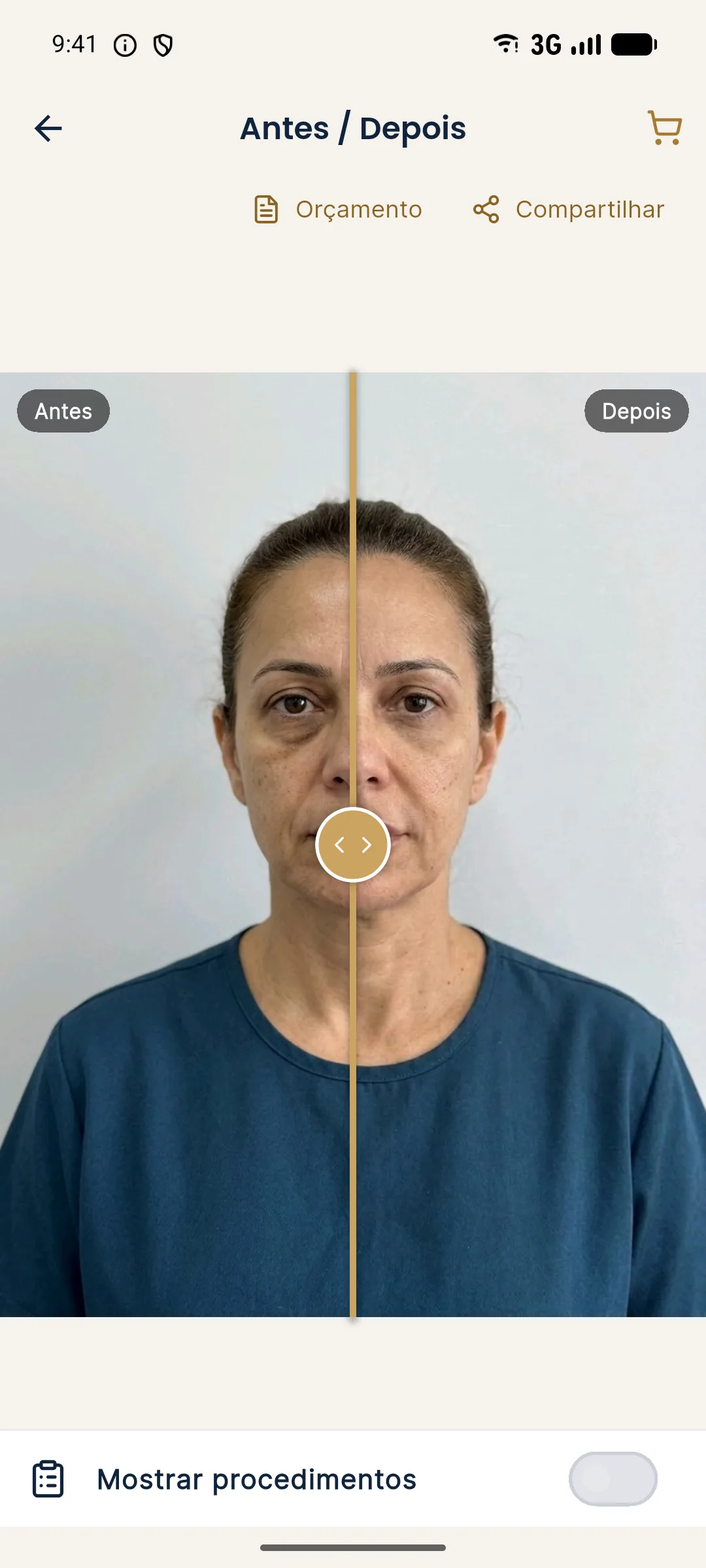
Harmy works with the frontal photo and lets you mark Cheekbone, Jawline and Chin, among other points, with ml and intensity. For male patients, using small volumes and Subtle or Moderate intensity is usually more consistent with what you want to show. The AI changes only the marked areas and does not alter hair, expression or background. The conversation with the patient about naturalness can lean on the Before/After slider, remembering that the image is an illustrative simulation, not a promise of results. Also read projection for a male patient in Harmy.
How do skin and fat differ, and what does that change?
Besides bone structure, skin and fat distribution usually differ between men and women, and that affects the plan. In general, male skin is thicker with more follicles, and facial subcutaneous fat tends to be distributed differently. In practice, small irregularities may be less visible and there may be a greater need to assess the response to volume.
A few points of attention:
- Beard and shadow. A beard changes how the jaw and chin read in the photo. See makeup and beard in the planning photo.
- Brow and glabella. Brow position is different, and toxin in the area requires care so as not to feminize the look unintentionally.
- Lips. Smaller volumes and more restrained proportions are usually more consistent with the male face, but the patient's concern decides.
- Neck. The relationship between jaw, chin and neck weighs on how masculinity reads. See neck and décolleté in the facial plan.
There are also consultation differences: men tend to seek facial harmonization later and to describe the concern as "tiredness" or "appearance" rather than "volume". Listening to the patient's own words avoids imposing a vocabulary. Take the chance to ask what they consider masculine or feminine in their own face, because that perception varies a lot.
Summary
Know the tendencies, but plan around the patient's face and words. Avoid stereotypes, listen to what they want to keep and use conservative volumes. The final decision belongs to the qualified professional, in line with the rules of their professional board in Brazil, and the simulation is always illustrative.
Frequently asked questions
What are the differences between female and male faces in facial harmonization?
On average, the male face has a more pronounced forehead and brow ridge and a wider, more angular jaw and chin, while the female face tends to have a more projected cheekbone, softer contours and fuller lips. These are tendencies, not rules.
Can I use the same plan for men and women?
No. Volume distribution, the choice of areas and intensity usually change, and the starting point must be the patient's individual face.
What should be avoided when planning for men?
Avoid over-softening the contour and rounding the chin or cheekbone to the point of losing the patient's identity. Male naturalness usually calls for smaller volumes and a focus on structure.
What about trans or nonbinary patients?
The plan starts from the patient's goal and anatomy, with individual assessment and, when indicated, coordination with the healthcare team. Never assume the patient's wishes from their gender.
Harmy images are illustrative simulations generated by AI from the patient's photo to support the conversation between practitioner and patient. They are not a promise of results. Indication, technique, product and volume are solely the decision of the licensed practitioner. This content is for information only and does not replace a clinical assessment.