
Natural-effect plan: how to define the goal

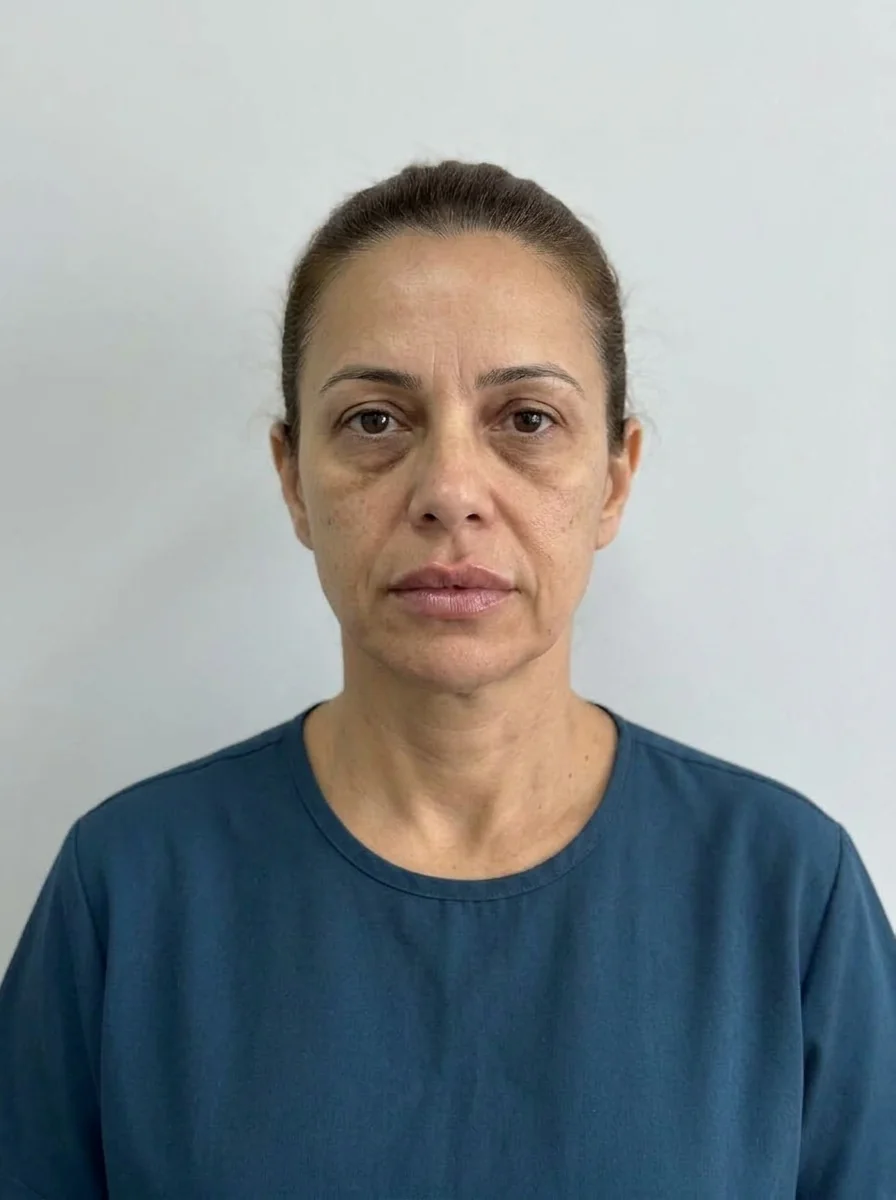 BeforeSimulation
Quick facts
- Problem
- Natural means different things to each patient and each professional
- Solution
- Turn a natural look into observable criteria, agreed before injecting
- Tool
- Subtle intensity, restrained volume, reference photos and simulation
- Risk
- Promising natural and delivering more than the patient imagined
"I want something natural" is probably the phrase heard most often in a harmonization practice. It is also one of the trickiest: what the patient imagines and what the professional understands by natural almost never match. Without a definition, the word becomes an empty promise, and the first unhappy follow-up already begins with a misunderstanding.
The solution is to turn the wish into goals that can be observed. This page shows how.
What does the patient mean by "natural"?
There are at least four meanings, and it is worth finding out which one is at play:
| Meaning | What the patient expects | Useful question |
|---|---|---|
| Discreet | That nobody notices anything was done | Do you want someone to notice, or would you rather nobody did? |
| Recognizable | To keep the same face | What about your face do you not want to lose? |
| Proportional | Nothing out of scale | Is there a proportion reference you admire? |
| Rested | To look good, without looking different | Do you want to look better or just less tired? |
Asking takes two minutes and avoids a lot of conflict. Pair it with aligning expectations about a natural look and how to ask for a natural harmonization.
How do you turn it into observable goals?
Observable goals are statements that you and the patient can check by looking at the face. Instead of "natural", write criteria such as:
- at rest, the face shows no more volume than it had before;
- the expression and smile remain the same;
- people close to the patient notice rest, not a procedure;
- no area becomes more evident than the whole;
- the patient recognizes themselves in the follow-up photo.
These goals work as an expectation contract. See the logic of measuring without promising in plan goal measured by observable results.
Which plan choices favor a natural look?
Naturalness is not only a matter of little product. It is above all a matter of choosing area, proportion and pace.
- Fewer areas, better chosen. Each treated area adds risk of disproportion.
- Restrained volumes in stages. It is easier to add than to remove. See facial harmonization plan in two sessions.
- Respect for expression. Lips, tear troughs and glabella affect expression and emotional reading. See lip filler and toxin in the glabella.
- Reassessment without swelling. The final result only appears after settling; judging on the day leads to unnecessary touch-ups.
How does the simulation help anchor a natural look?
The simulation is the best instrument for calibrating expectations: it shows, before any injection, what a restrained volume does. Show the Subtle version, then the Moderate one, and ask which comes closer to what the patient imagines.
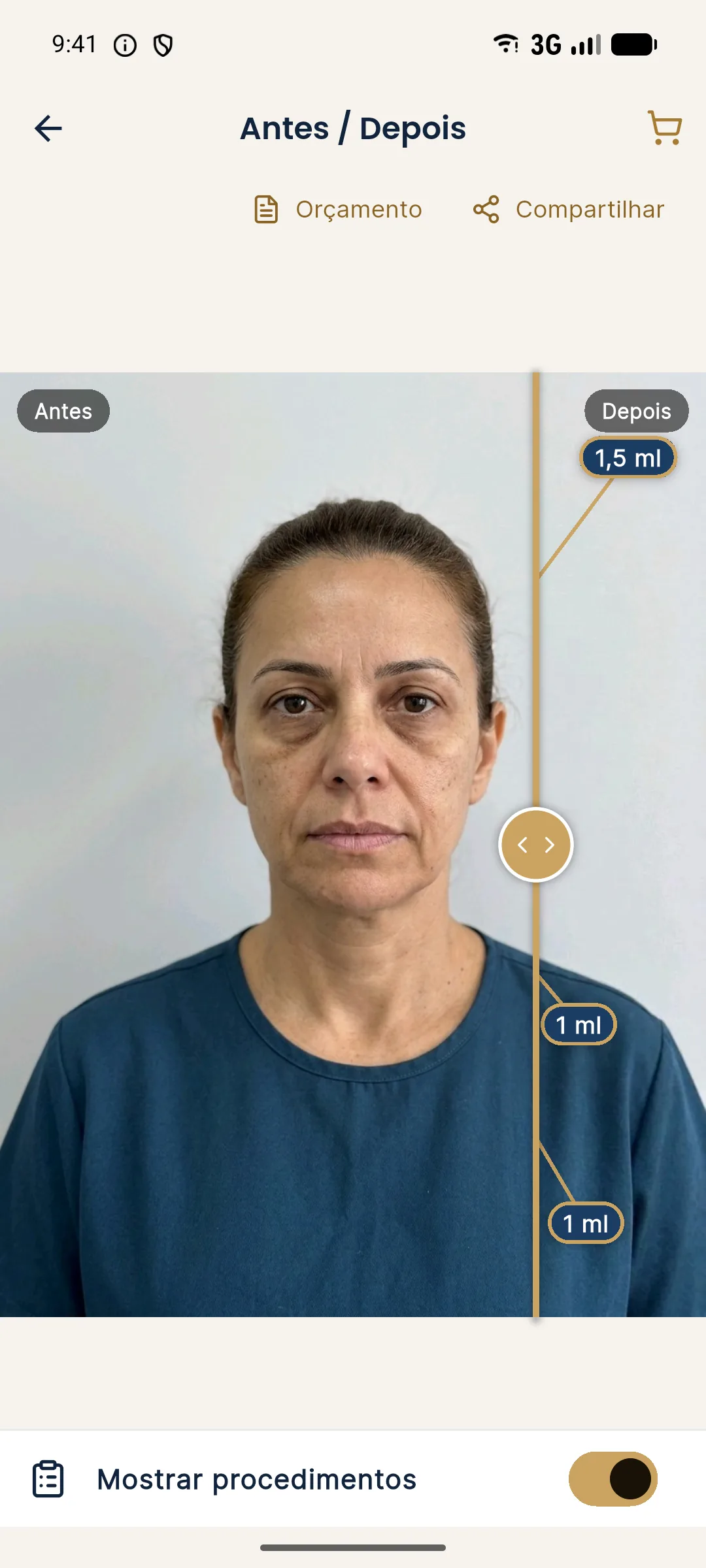
Watch for the opposite: the simulation can be so subtle that the patient finds it insufficient and asks for more. Use that to your advantage for conversation, not to give in. See explaining Subtle, Moderate and Pronounced intensity and comparing intensities.
What if the patient changes their mind?
It happens often: the patient asks for natural and, on seeing the discreet result, wants more. It is legitimate, but it needs method. Go back to the recorded goals, show the starting point and propose an add-on in a stage, with reassessment. Record the change of goal, so the next conversation is about what changed, not about what was promised. See adjusting the plan based on patient feedback.
What should you record?
Note in the patient record: the patient's phrase about what natural is, the observable goals agreed, the staged plan and the reassessment date. If possible, include the reference photo and the simulation. The record gives weight to the dialogue and reduces noise at follow-ups. When in doubt, choose the most restrained version, which is the easiest to expand later.
What language helps agree on a natural look?
Vague words create vague expectations. Replace "natural" with concrete phrases: "I want nobody to notice I did something, just that I look good", "I want my friends to say I look rested". Those phrases become follow-up criteria: what did friends say? Does the patient recognize themselves?
Use visual comparisons too. Two or three reference photos, of faces the patient considers natural, say more than any description. Note: the reference should be used to calibrate style, not to copy a face, as in patient brings a reference photo.
What if the patient's idea of natural differs from yours?
It happens. Your standard of natural may be more discreet than the patient's, or the reverse. If the gap is large and the patient asks for something you consider excessive, the conversation should be frank: explain the limit you adopt and, if needed, decline respectfully, as in declining a request for excessive volume.
What about natural in motion?
A natural face is one that works well in expression: smiling, speaking, frowning. Assess the result in motion too, not only in a still photo. Goals that include expression, such as "smile without stiffness", are more honest than photo goals.
Practical summary
Ask what natural means, convert it into observable criteria, choose few areas, start with restrained volumes, simulate in Subtle and Moderate, assess in motion as well and record the goals. If the patient wants more later, reassess before adding.
How to record what natural means for this patient
Write down, in the patient's own words, what they call natural and which observable criteria you agreed on (for example, a face that still moves and that people around them do not notice was treated). Attach the photos at rest and in expression and the version of the simulation chosen, Subtle or Moderate. At follow-up, compare the result with those criteria, not with each person's memory. The simulation is illustrative, results vary, and the decision belongs to the qualified professional, according to their professional board's rules.
Frequently asked questions
What does a natural effect mean in harmonization?
There is no single definition. In general it means the changes do not draw attention as a procedure, respect the patient's expression and proportions, and keep the face recognizable.
How do you make natural something measurable?
With observable criteria agreed beforehand: the face stays recognizable, the expression does not change, no volume is visible at rest, and people close to the patient notice rest, not a procedure.
Does Subtle intensity in the simulation guarantee a natural result?
It does not guarantee it. It helps visualize a restrained version, but the actual result depends on technique, product and the patient's response.
What should I do when the patient asks for natural and then wants more?
Record the agreed goal and revisit the conversation. If the patient wants more, define it in stages and reassess, without giving in to haste.
Harmy images are illustrative simulations generated by AI from the patient's photo to support the conversation between practitioner and patient. They are not a promise of results. Indication, technique, product and volume are solely the decision of the licensed practitioner. This content is for information only and does not replace a clinical assessment.