
How to ask for natural-looking harmonization, not artificial

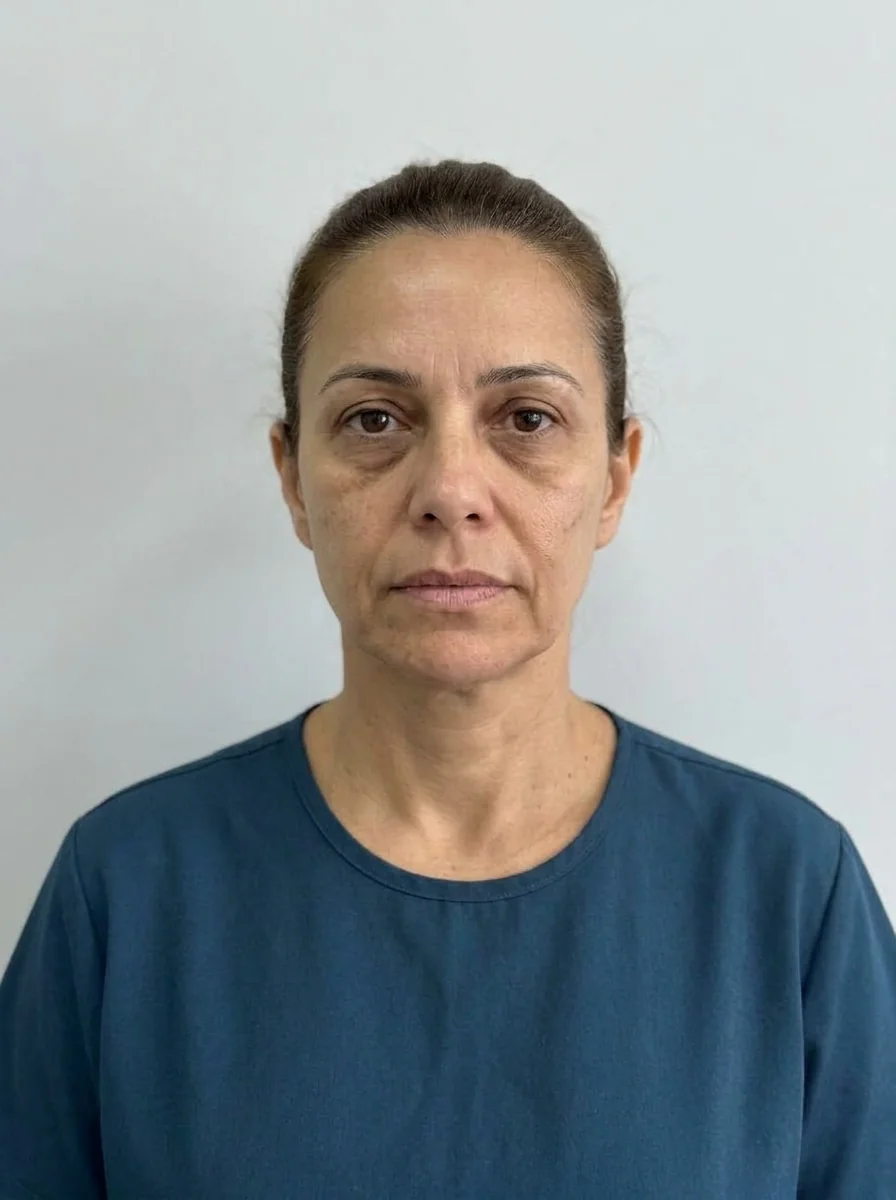 BeforeSimulation
Quick facts
- Problem
- The word natural means different things to each patient.
- Path
- Translate natural into examples, limits and a simulation made together.
- Principle
- Starting small, reassessing and adjusting is usually safer than correcting excess.
- Honesty
- Natural is not a guarantee: the simulation is illustrative and results vary.
"I want something natural." It is the most common sentence in a harmonization consultation, and one of the least precise. For one person, natural means nobody can tell they had anything done. For another, it means looking rested. For a third, it means not ending up with bigger lips than they pictured. If the word is not translated, the risk is that patient and professional are talking about different things.
Why is natural a dangerous word?
It hides expectations. The patient may want little change and expect a clear difference, or want a clear difference and expect no one to notice. Those two things are partly incompatible, and frustration appears when the result fails to deliver one of them. The professional's task is to keep asking questions until the word becomes a decision.
How the patient can prepare to ask
A patient who arrives with clarity makes the work easier. Some guidance you can give before the consultation:
- Think about what truly bothers them, not what they saw on someone else's face.
- Pick out their own photos from when they felt good about their face.
- Avoid arriving with photos of celebrities or filters as the goal.
- List what they do not want to change: lips, chin, nose shape.
- Be open to hearing that some things do not need a procedure.
Reference photos should serve as vocabulary, not as a model to copy. Faces have different bones, fat and muscles, and what looks good on one may not work on another.
How the professional turns natural into a plan
| Professional's question | What it reveals |
|---|---|
| What bothers you most when you look at yourself? | The real concern, which may differ from the request |
| What do you absolutely not want to change? | The patient's limits |
| Have you had something done and disliked it? What? | What they consider excess |
| Who would you like to notice the change? | Whether the wish is discretion or a visible difference |
| How long do you want the effect to last? | Expectations for durability and maintenance |
The answers help decide areas, volumes (always as a usual range) and stages. A staged plan, with reassessment, is the best ally of a natural look, because it lets you stop when it looks right.
The role of the simulation
The simulation helps anchor the conversation. Instead of debating adjectives, you show an image. In Harmy, the projection uses the patient's frontal photo and changes only the marked areas, with volume in ml and an intensity of Subtle, Moderate or Pronounced. The Subtle intensity is usually a good starting point for someone asking for a natural look.
Compare intensities side by side and ask which one looks most like what the patient imagined. In practice, that comparison often reveals what natural means to them.
What the simulation does not do
It does not predict swelling, bruising, post-procedure asymmetry or the individual response of the tissue. The projection also does not retouch skin, makeup, hair or expression: it changes only what was marked. That is why the change is subtle, and this is an advantage in terms of honesty. If the patient expects more than the simulation shows, the expectations conversation needs to happen before injecting.
Myth or fact
Frequently asked questions
How do I ask for natural-looking harmonization?
Describe what bothers you, what you do not want to change and what you consider overdone, preferably with visual examples. Avoid asking only for natural, because the word means different things to different people.
What does natural harmonization mean?
Generally, subtle changes that respect the person's proportions and expression, without obvious excess. There is no single definition, and the conversation with the professional needs to turn it into decisions.
How do I avoid looking artificial?
Conservative volumes, planning the face as a whole, treatment in stages and reassessment tend to help. Aligning expectations before injecting also reduces the risk of overdoing it.
Can I see how I will look beforehand?
Some tools offer an illustrative simulation from a photo. It is a likely representation, not a guarantee of the result.
Harmy images are illustrative simulations generated by AI from the patient's photo to support the conversation between practitioner and patient. They are not a promise of results. Indication, technique, product and volume are solely the decision of the licensed practitioner. This content is for information only and does not replace a clinical assessment.