
Thin face vs full face: differences in planning

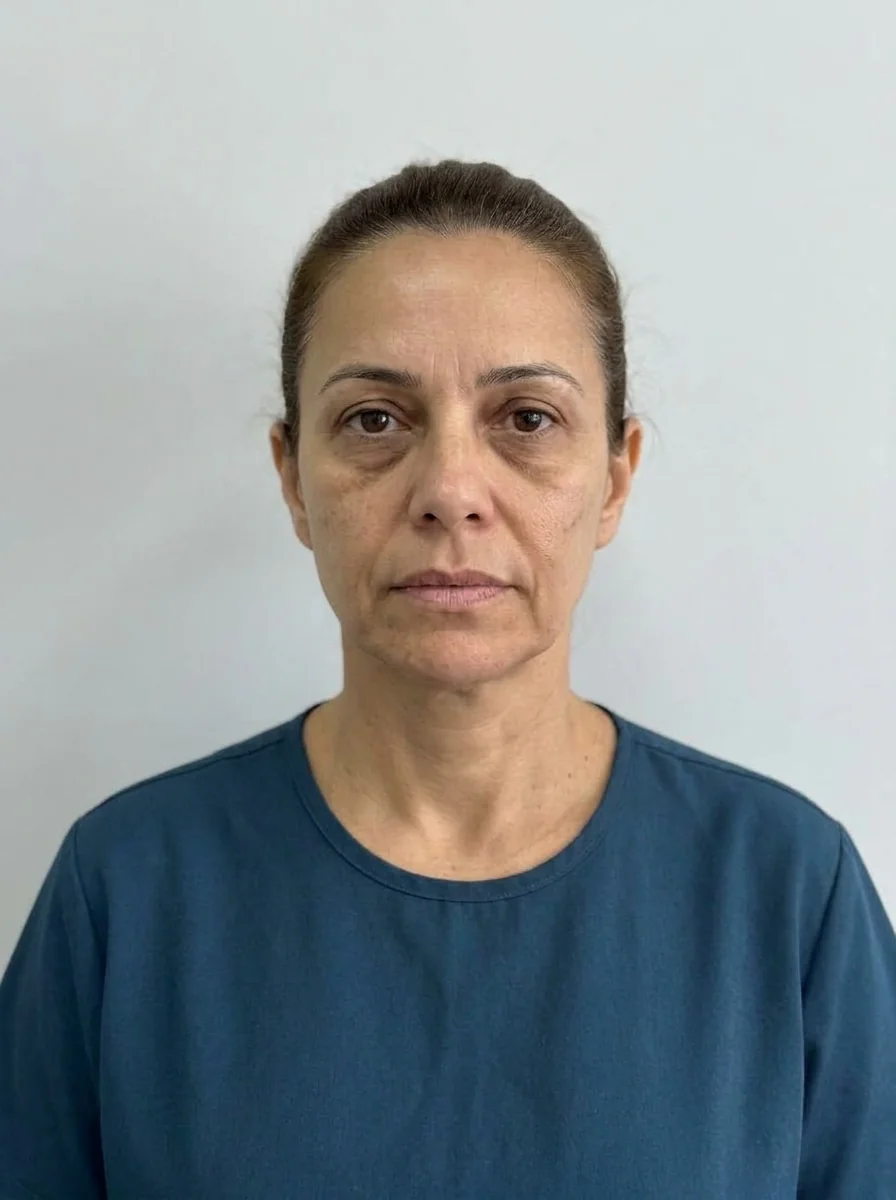 BeforeSimulation
Quick facts
- Topic
- Thin face and full face in facial harmonization planning
- Thin face
- Focus on support, volume loss and the risk of a tired look
- Full face
- Focus on contour, proportion and the risk of adding volume
- Central question
- Does the face need volume, definition or neither?
- Caution
- The same ml weighs differently on each face
Two patients ask for the same thing: "I want a more harmonious face." One has little facial fat, visible bones and shadows under the cheeks. The other has a full face, a soft contour and little definition. The planning answer for each is very different. This page compares the two situations and shows how the amount of facial fat changes volume and contour priorities.
What changes from one face to the other?
Facial fat is one of the main determinants of appearance. In thin faces, bone structure shows more, shadows deepen and the support of the soft tissues is more evident. In full faces, soft tissues hide part of the structure, and the contour is less defined. This changes both what the patient sees as a problem and what the professional sees as an opportunity.
Planning by body type is covered in more depth in volume by body type in planning and facial harmonization plan for a patient with little facial fat. This page makes the side-by-side comparison.
How do the priorities compare?
| Aspect | Thin face | Full face |
|---|---|---|
| Frequent concern | Tired look, under-eye hollows, folds | Lack of definition, round face, double chin |
| Reading of the problem | Loss of support and volume | Excess soft tissue or little visible structure |
| Usual starting area | Midface, tear trough, temples | Contour, chin, proportion between thirds |
| Volume risk | Looking tired if too little, looking heavy if too much | Widening the face even more |
| Value of the ml | Small ml change a lot | The same ml may go almost unnoticed |
| Common strategy | Conservative, gradual replacement | Definition with a few areas and attention to proportion |
The table shows tendencies, not rules. Each face is a particular combination of structure, fat and skin. But it illustrates an important idea: the same request leads to different plans when the starting point is different.
How do you plan for a thin face?
The thin face usually calls for a reading of support. Shadows under the eye, hollows at the temples and deeper folds may reflect volume loss. The risk is twofold: on one side, the temptation to correct everything at once with volume, which can leave the face heavy and artificial; on the other, leaving it untreated and keeping the tired look. The prudent approach is usually in steps, with reassessment.
Points of attention in a thin face:
- Thin skin can make material more visible, which changes the choice of product and depth, at the professional's discretion.
- Loss of deep support changes how the midface reads, as in complete midface in the plan.
- The eyes may always look tired; see plan for a rested look.
- In someone who lost weight quickly, the volume loss is recent and the plan needs patience, as in planning facial harmonization for people who lose weight quickly.
How do you plan for a full face?
The full face calls for a reading of proportion and contour. The desire is for definition, and the instinct may be to add volume at the sides, which tends to widen. Often the plan starts with the chin, which helps lengthen and organize the lower third, and with areas that give structure without adding width. In other cases, the approach is to talk about limits: facial harmonization does not remove fat, and definition depends on what lies under the skin.
Points of attention in a full face:
- Adding volume to the cheekbone without assessing width can worsen the concern; see ideal cheekbone projection.
- The chin can be decisive for the perception of contour; see plan to project the chin.
- The double chin and neck enter the reading of the lower third; see chin and double chin: combining them.
- For those who want a slimmer look, read plan to slim the face and facial contour definition plan.
When does the same ml weigh differently?
The ml is a unit of volume, but the visual effect depends on the face. In a thin face, 1 ml in the cheekbone can produce a visible change, because there is little soft tissue to absorb the volume. In a full face, the same 1 ml may barely be noticed, because the surrounding tissue is abundant. This explains why ml should be treated as a starting point and why reassessment matters. See ml per area: ranges in planning, minimum perceptible volume in the face and volume by body type.
How does the simulation behave in the two scenarios?
In Harmy, the AI respects volume: the more ml, the more noticeable the change, and the intensity (Subtle, Moderate or Pronounced) modulates the effect. The projection starts from the current photo, so a thin face and a full face show differences proportional to what the image allows. But the app does not measure soft tissue thickness or bone structure, and does not predict how the same ml will weigh on each face. So the image should be used as an illustration, and the final decision should rest on your exam.
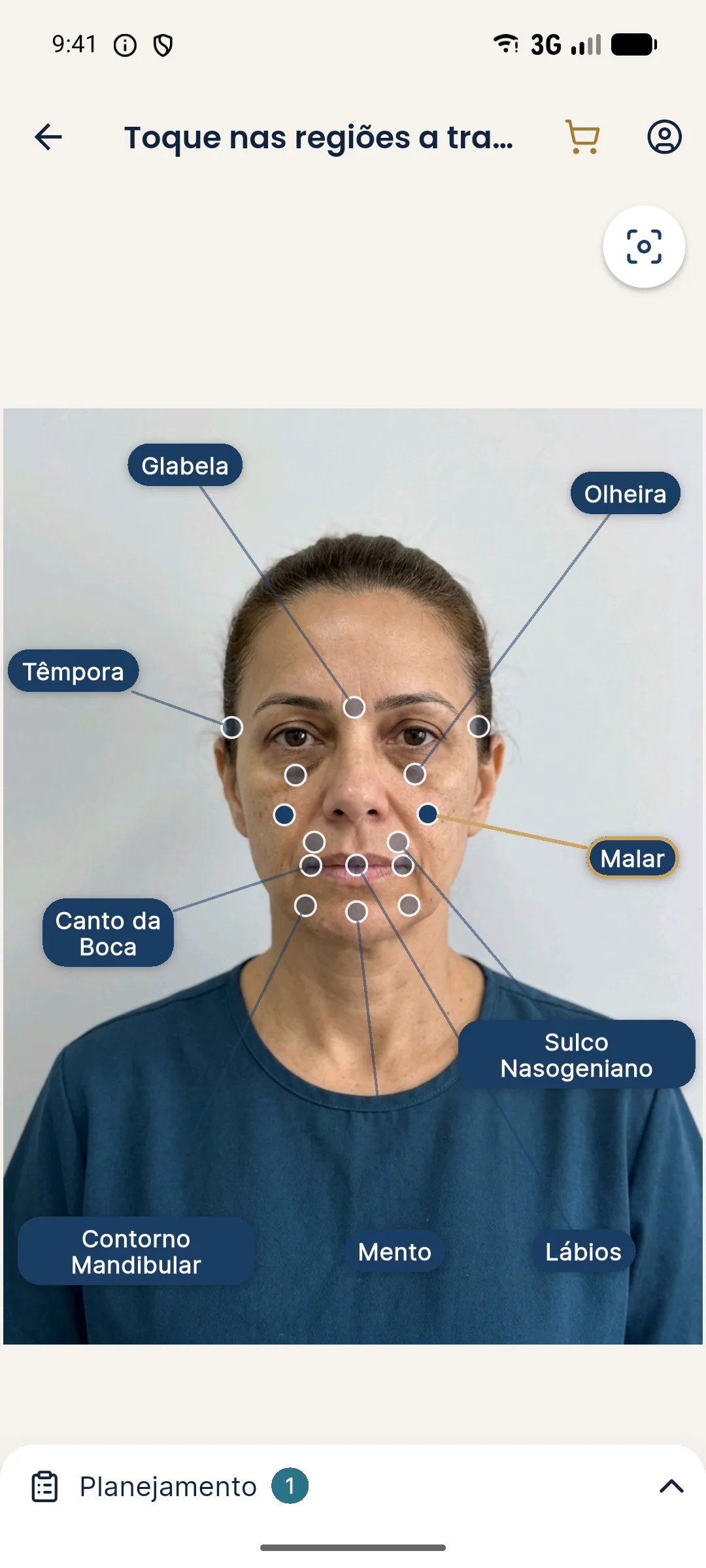
For honest use of the image, see limits of 2D simulation and comparing Subtle, Moderate and Pronounced intensities.
How do you talk with each patient?
With the thin-faced patient, the message is about prudent replacement and gradual response, to avoid the idea that "more is better." With the full-faced patient, the message is about proportion and limits, so they understand that definition is not a synonym for volume. In both, the core message is the same: the plan is made for their face.
What questions should you ask before deciding?
Frequently asked questions
Does a thin face need more filler?
Not necessarily. Faces with little fat tend to show more loss of support and shadows, which may call for volume replacement, but the plan should be conservative and based on the exam, not on thinness itself.
Can a full face receive filler?
It can, but with caution. In full faces, adding volume can widen the face even more. Planning usually focuses on definition and proportion, often in a few strategic areas.
Does the same volume in ml produce the same effect on any face?
No. The visual effect of the same ml depends on soft tissue thickness, bone structure and prior volume. That is why ml is a starting point, and the tissue's response guides adjustments.
Does the Harmy simulation tell a thin face from a full face?
The projection responds to the ml and intensity you mark, not to body type. It is an illustration based on the photo, so the clinical assessment of body type remains yours.
Harmy images are illustrative simulations generated by AI from the patient's photo to support the conversation between practitioner and patient. They are not a promise of results. Indication, technique, product and volume are solely the decision of the licensed practitioner. This content is for information only and does not replace a clinical assessment.