
How to explain microtoxin to the patient

Quick facts
- Core message
- Toxin in very small, superficial doses, aimed at the skin
- Difference from conventional
- Focuses on texture and shine, not on relaxing deep lines
- Caution
- Do not promise a lifting effect or closed pores
- Record
- Risks and expectations in the informed consent
Microtoxin reached the clinic through social media, under varied names and promises. The patient asks for "that skin botox" and expects closed pores, less shine and a firmer face. The professional's task is to translate the technique into what it can reasonably offer, set it apart from conventional botulinum toxin and align what changes in the face.
How do you explain it in one sentence?
The sentence carries the central difference (dose, depth and goal) and the warning that results vary. Avoid adjectives like "miraculous" or terms like "closes pores," which promise more than the technique can guarantee.
What is the difference from conventional toxin?
A table helps the patient understand why these are different techniques.
| Aspect | Conventional toxin | Microtoxin |
|---|---|---|
| Where it acts | On specific muscles | More on the skin, superficially |
| Main goal | Soften dynamic wrinkles | Improve texture, shine and appearance |
| Dose per point | Concentrated in a few points | Very small, in many points |
| Expected effect | Reduced movement of the treated muscle | A discreet change in the skin, without focus on movement |
The difference is one of goal and technique. The choice between them, or a combined use, belongs to the professional after assessment. The dose is measured in toxin units, and the number is not discussed with the patient in protocol language.
What should you say about what changes in the face?
Prefer to talk about skin, not expression. The patient should know that microtoxin:
- may improve the feel of texture and an oily look, to varying degrees;
- does not usually replace conventional toxin for deep expression lines;
- does not promise a lifting effect or "closed" pores;
- has an effect that wears off over time, at an individual pace.
Which risks and effects should you explain?
The patient needs to know that, even in small doses, there is risk. There may be small bruises, local swelling, erythema, discomfort and, in some cases, unwanted effects on expression, such as a "heavy" feeling in the face or temporary asymmetry. The management is the professional's responsibility, and the patient should report anything outside what was expected. The page on complications with botulinum toxin goes deeper into the topic.
It is also worth remembering that history of reactions, use of anticoagulants and pregnancy are points for the medical history. See medical history in facial harmonization.
How do you talk about the timing of the result?
Ranges and careful language:
Timeframes vary. Avoid fixed numbers before the assessment and schedule a follow-up with a standardized photo, using the same light and angle as on the day of the procedure (see standardized clinical photography).
How does Harmy fit into this conversation?
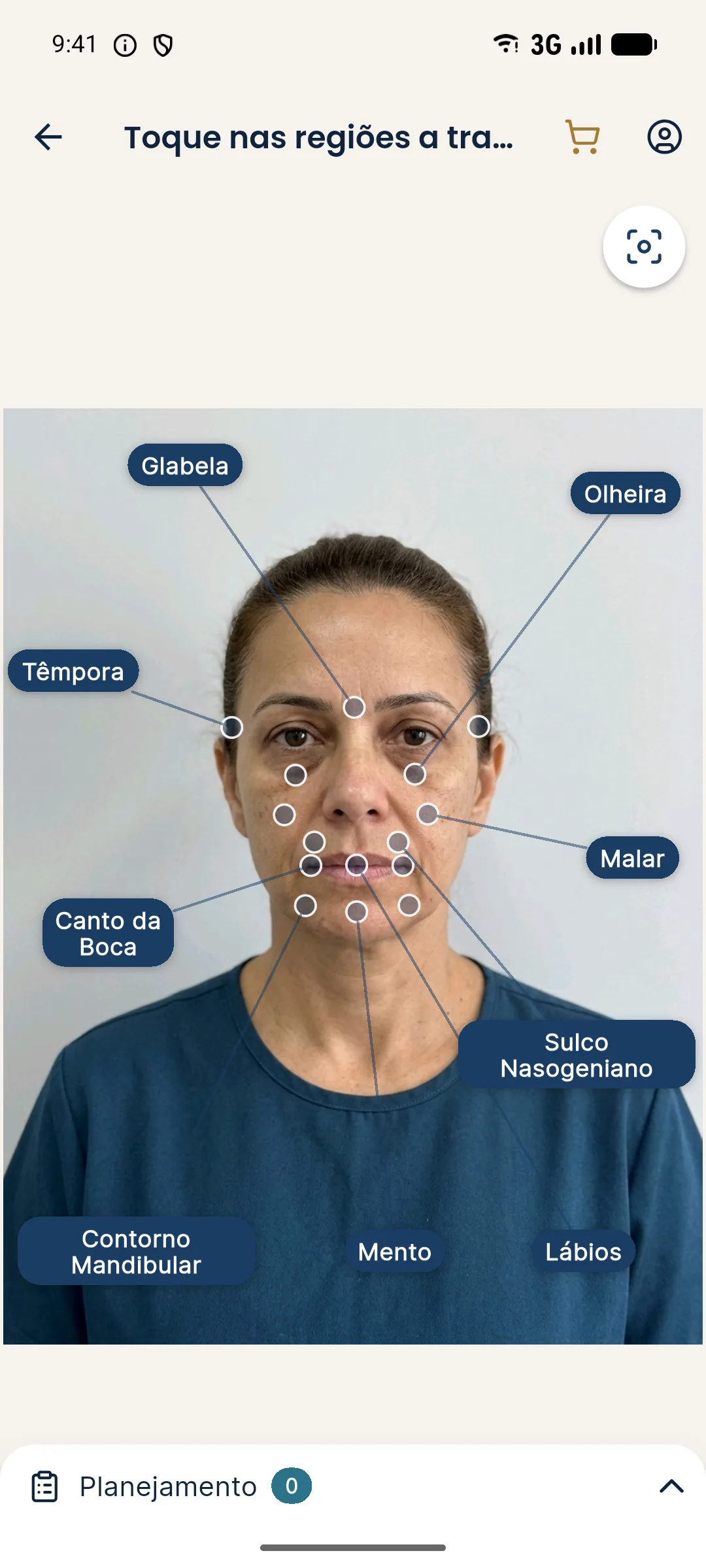
Harmy simulates volume changes in areas of the face, not changes in skin texture. So it does not simulate the effect of microtoxin. If the patient wants to see a projection, it will be about other areas and procedures. Do not use the simulation to suggest improvement in pores or shine.
What if the patient asks for microtoxin to treat deep wrinkles?
Align expectations frankly. Deep static wrinkles usually call for other approaches, such as a biostimulator, dermal filler in specific cases or surface procedures, and microtoxin is not the main tool for them. Explain that the technique acts more on the appearance of the skin and that combining approaches may make more sense. Avoid accepting the request just because the patient knows the name of the procedure: the indication belongs to the professional, at the discretion of the assessment, and the plan should address the real concern.
Which questions should you expect?
What should you record?
In the patient record, note the product, the area, the dilution according to the clinic's routine, and the explanation of expectations. In the informed consent, include the risks and the temporary nature of the effect. Reading the consent form with the patient is covered in how to explain the informed consent.
A good explanation lowers the chance that the patient expects an effect the technique does not deliver, and turns the follow-up into a conversation about what actually changed.
Frequently asked questions
What is microtoxin?
It is botulinum toxin diluted and injected at many very superficial points, with the aim of improving skin texture, shine and oiliness. The technique and indication are defined by the professional.
What is the difference between microtoxin and conventional toxin?
Conventional toxin is injected into specific muscles to soften expression lines. Microtoxin acts more on the skin, in small, superficial doses, aiming at texture and appearance.
Does microtoxin take away facial expression?
The aim is to preserve expression, because the action is superficial. Still, explain to the patient that unwanted effects can occur and that the technique should be performed by a qualified professional.
How long does microtoxin last?
It usually lasts a few months, with wide variation between patients. Use ranges and avoid fixing a timeframe before the assessment.
Harmy images are illustrative simulations generated by AI from the patient's photo to support the conversation between practitioner and patient. They are not a promise of results. Indication, technique, product and volume are solely the decision of the licensed practitioner. This content is for information only and does not replace a clinical assessment.