
Buccal Fat Removal or Masseter Botox: Which Slims More?

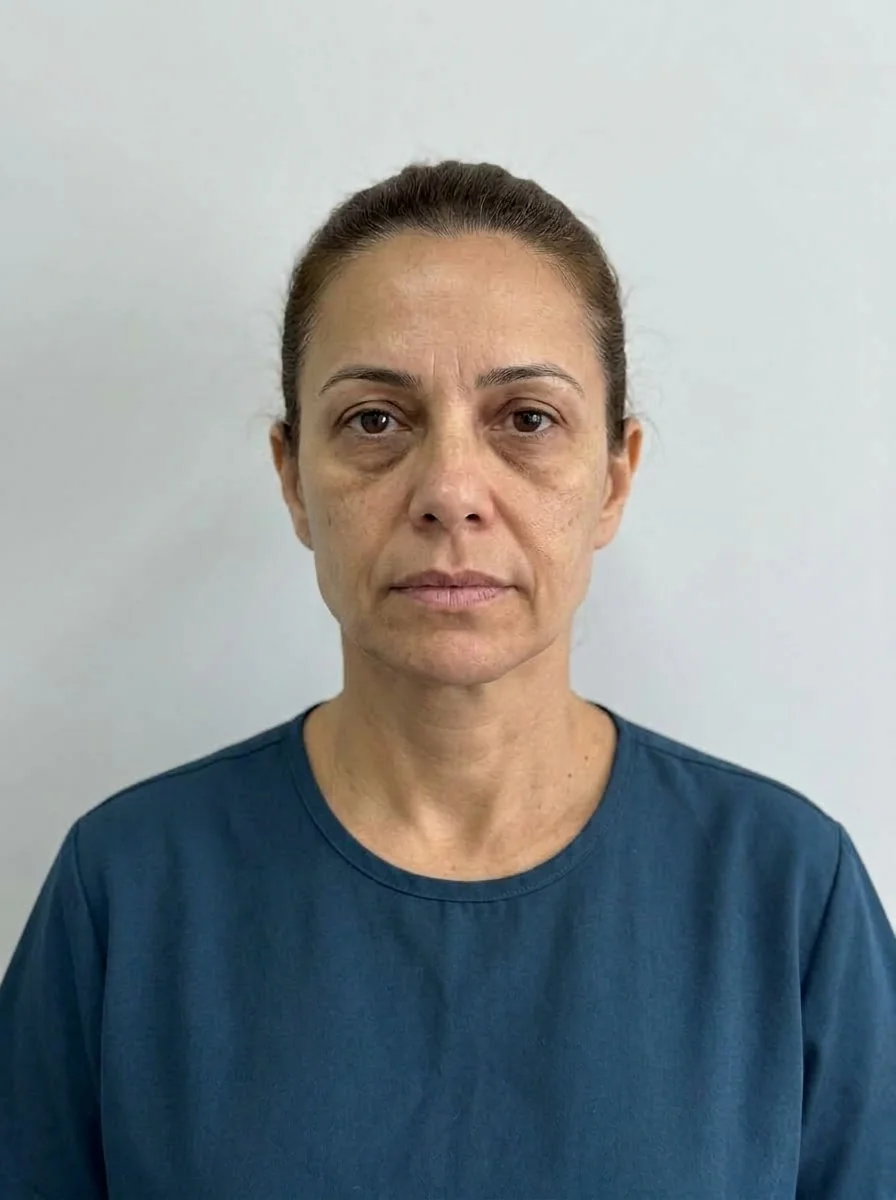 BeforeSimulation
- Muscle
- Highlighted area
Quick facts
- Topic
- Cheek (fat) versus masseter (muscle)
- Key question
- Does the width come from fat, muscle or bone?
- Reversal
- Toxin is temporary; fat removal is not reversed
- Who decides
- A qualified professional, after assessment
"I want to slim my face: should I have buccal fat removal or masseter botox?" This question comes up all the time and mixes two different problems. One treats cheek fat, the other treats the jaw muscle. Answering well requires finding out where the width the patient sees in the mirror comes from. The indication and technique belong to the qualified professional, according to their professional board's rules, after assessment.
What is the difference between fat and muscle?
The buccal fat pad is a fat reserve in the lateral, deep part of the cheek. The masseter, on the other hand, is the strong muscle that closes the jaw when chewing and occupies the region of the mandibular angle. When either is large, the face looks wider at different levels: fat gives volume in the cheek, muscle widens the lower face.
| Buccal fat removal | Masseter toxin | |
|---|---|---|
| Target | Cheek fat | Jaw muscle |
| Nature | Surgical procedure | Injectable |
| Duration | Permanent, the fat does not return | Temporary, the effect fades |
| Reversal | Not reversed by the body | The effect wears off on its own |
| Can also help with | Cheek contour | Bruxism and muscle overload, at the professional's discretion |
| Point of attention | Thin face and aging | Gradual reduction of muscle strength |
How to find out where the width comes from?
Some clues help guide the assessment, but the diagnosis is clinical:
- Ask the patient to clench their teeth. If the muscle bulges clearly at the angle, there is a muscular component.
- History of bruxism, jaw pain or teeth grinding. This raises the chance of masseter hypertrophy.
- Palpation and observation at rest. A soft, full cheek suggests fat; a firm, prominent one suggests muscle.
- Profile and frontal analysis. The width may also come from bone, and neither procedure changes bone.
When the cause is bony, the conversation is different and expectations need adjusting. The overview of the topic is in buccal fat removal or harmonization.
When does each approach usually make sense?
Buccal fat removal enters the discussion when the cheek has excess deep fat, so that the patient has a rounded face and soft tissue. Masseter toxin is usually considered when there is muscle hypertrophy, especially associated with bruxism. If the face is also thin, buccal fat removal calls for extra caution, the subject of buccal fat removal in a thin face.
Can the patient do both?
There are cases where the assessment shows a contribution from both fat and muscle. In those situations, the professional may discuss a combination, in stages and with planning. It is worth explaining to the patient that adding procedures does not mean adding results in a linear way, and that the order matters. To understand joint planning, see buccal fat removal and harmonization in the same period.
And chewing and maintenance?
The toxin needs repeating because the muscle regains strength when the effect wears off. Buccal fat removal has no maintenance, but it also cannot be undone. This difference should be clear at the consultation: a patient who wants to try before deciding has a temporary route in the toxin, and one who wants something permanent needs to understand irreversibility. On the effect on function, see does buccal fat removal change chewing or speech.
How to use the Harmy projection in this conversation?
In Harmy, the projection shows the likely visual effect of volume marked in areas such as the Jawline, from 1 frontal photo. It does not simulate fat removal or muscle reduction. The tool is useful to show the patient what jawline definition can do for how the face reads, rather than just "slimming".
Frequently asked questions
Which slims the face more, buccal fat removal or masseter botox?
It depends on where the width comes from. If it comes from muscle, masseter toxin is usually the route considered; if it comes from cheek fat, buccal fat removal enters the discussion. The decision belongs to the professional after assessment.
Can you do both?
In some cases the assessment shows a contribution from both fat and muscle, and the professional may discuss a combination with planning. Each case is individual.
Is masseter botox permanent?
No. The toxin's effect is temporary and usually needs repeating, at the professional's discretion. Buccal fat removal, by contrast, takes out fat and the body does not reverse it.
How do I know whether my face is wide because of muscle?
Signs such as bruxism, pain when chewing and a prominent jaw angle when clenching the teeth suggest a muscular component. The diagnosis belongs to the professional.
Harmy images are illustrative simulations generated by AI from the patient's photo to support the conversation between practitioner and patient. They are not a promise of results. Indication, technique, product and volume are solely the decision of the licensed practitioner. This content is for information only and does not replace a clinical assessment.