
Weekly HOF Team Meeting: A 20-Minute Agenda

Quick facts
- Topic
- Short, fixed meeting for the clinic team
- Duration
- 20 minutes, same day and time
- Structure
- Numbers, schedule, patients, inventory, safety, decisions
- Record
- One-page minutes with owner and deadline
"Meeting" is one of those words that makes any clinic team sigh. The common experience is a long conversation with no agenda, where three people talk, two look at their phones and nothing leaves with an owner and a deadline. The result is the meeting that "is useless", and the clinic starts living on loose messages in WhatsApp, where important decisions get lost among stickers.
The alternative is a short, fixed meeting with an agenda: 20 minutes, always the same day and time, with the same sequence of topics and one-page minutes. This page proposes that structure for the team of an orofacial harmonization clinic, explains what to look at in each block, offers an agenda and minutes template and shows how to avoid the most common bad habits. For team management in general, see team management at the HOF clinic and delegating tasks at the HOF clinic.
Why 20 minutes and why every week
A monthly meeting piles up too many topics and erases detail. A short weekly meeting handles what is hot and keeps problems from growing. Twenty minutes force objectivity: people who know there are only twenty minutes prepare what they will say better. The weekly frequency creates a rhythm, and the team learns to save the topic for the right day instead of interrupting patient care.
A few principles support the format:
- Same day and time, so it becomes a habit.
- Fixed agenda, so nobody has to guess what will be covered.
- Standing or seated, but with no phone screens, to keep focus.
- The same person coordinates, and the same person takes notes.
- It always ends with decisions, not opinions.
- Matters involving only one person go to a one-on-one conversation.
The 20-minute agenda
Each block has someone responsible for bringing the information. If a block runs over, the coordinator closes it and schedules a separate conversation. This seems rigid, but it is what ensures the 20 minutes are respected.
What to look at in each block
Numbers of the week
Choose three to five metrics and stick to them. For example: number of appointments, no-shows, plans closed, follow-ups done and revenue. The goal is to compare with the previous week and notice the trend, not to discuss the cause in depth. See HOF clinic metrics and the weekly clinic metrics dashboard.
Schedule
Look at the next two weeks to anticipate gaps and peaks. Whoever handles the front desk brings the open slots and pending confirmations. The professional brings the cases that need extra time. This view avoids surprises and guides the invitation to follow-up patients. See the HOF clinic schedule and no-shows at the HOF clinic.
Patients
Cover only what the team needs to know to provide better care: a patient who was unhappy, a pending follow-up, a sensitive case. Detailed clinical data stays in the patient record and is discussed only with those involved in care. See dissatisfied patient: how to handle it and post-consultation follow-up.
Inventory and supplies
Whoever controls inventory reports what is missing, what is expiring and what has already been ordered. In HOF, expiration and batch control matter for safety. See injectable inventory at the HOF clinic and minimum inventory and turnover.
Safety and processes
Everyone brings, without blame, what nearly went wrong and what did go wrong. The concept of a near miss is useful: treating the mistake that did not happen as a lesson. If there was a complication, the conversation is about process, and the clinical record follows the flow in recording a complication in HOF. Routine adjustments go into the clinic's process manual.
One-page minutes
Without a record, what was agreed disappears in two days. The minutes should be short and available to everyone.
Keep the minutes in a shared folder. At the start of the next meeting, the first question is: "what did we agree last week and what is still pending?" That check is what gives decisions weight.
Common bad habits and how to avoid them
The most frequent bad habits: a meeting that turns into venting; one participant who dominates the floor; topics that repeat without a solution; someone frequently absent; late starts; and no follow-through on what was decided. The solution is always structural: short time per block, rotating coordination and reviewing pending items at the start.
Variations by team size
| Clinic size | Adaptation |
|---|---|
| Professional and front desk | 10 to 15 minutes, lean agenda, focus on schedule and patients |
| Small team (3 to 5 people) | Full 20-minute agenda, with a fixed coordinator |
| Larger team with partner professionals | Short general meeting plus smaller meetings by area |
| Care at more than one location | Arrange a short virtual meeting, with shared minutes |
For teams with partner professionals, it is worth agreeing on attendance for the items that affect them (schedule, room, protocols) and excusing them from the rest. See partnerships between professionals in HOF and onboarding a new team member.
Where Harmy fits into the agenda
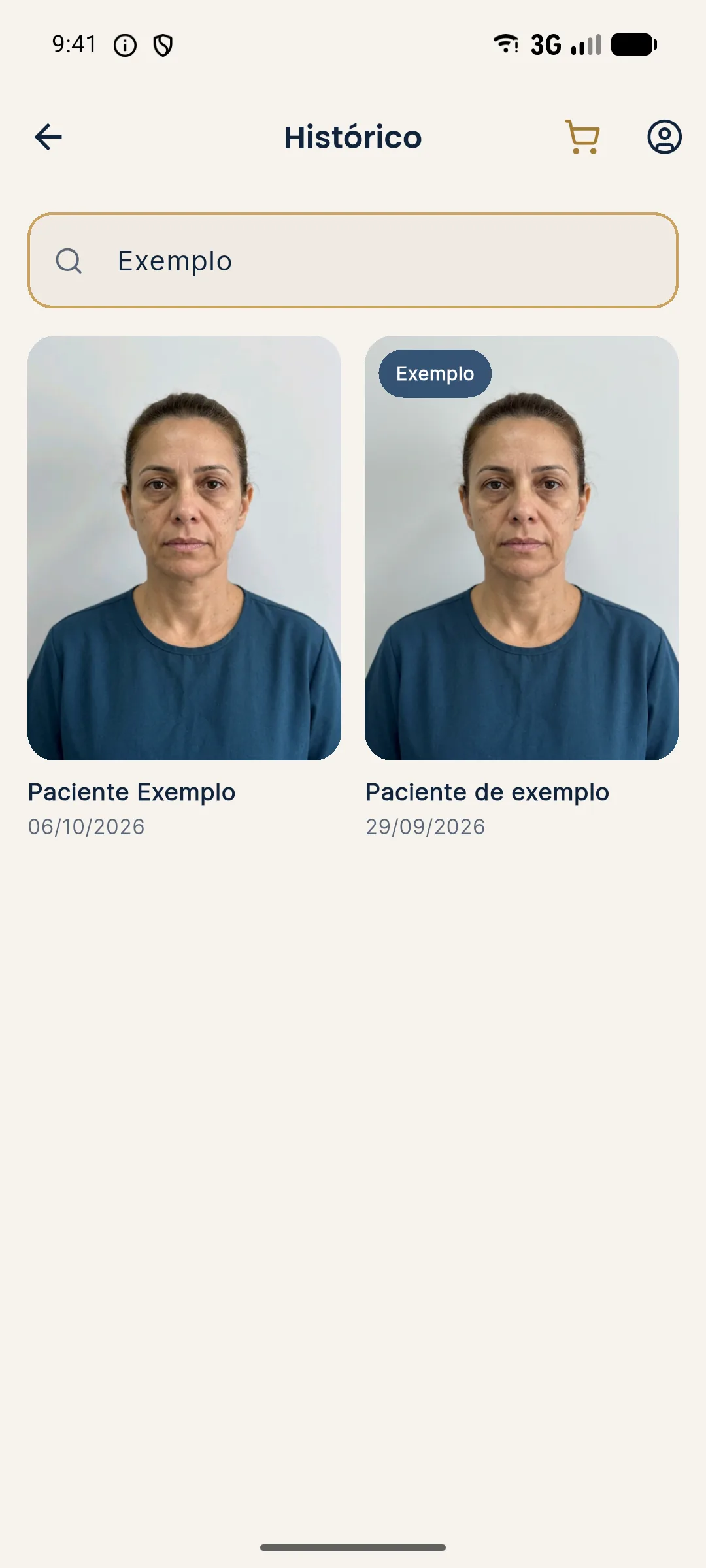
Harmy can be a meeting topic in a very concrete way. The patients block can include: which projections were made, which patients have not yet come back to decide and which have an actual result to record. The app's History lets you search by name and see sessions per patient. The numbers block can include how many projections were made and how many became a plan, which helps you understand the acceptance rate.
To understand plan acceptance, see how to increase plan acceptance and the consultation conversion rate calculator.
A 20-minute meeting, repeated every week, is worth more than a two-hour one held every quarter. What changes the clinic is not the meeting itself, but the disciplined repetition of looking at the same numbers, the same pending items and the same decisions until they become a habit.
Frequently asked questions
Is a weekly team meeting worth it in a small clinic?
It is, as long as it is short, has a fixed agenda and ends with decisions and owners. For a small team, 15 to 20 minutes are usually enough and prevent many communication problems.
What is the best day and time?
The one that interferes least with patient care and that the team can keep up. Many clinics choose the start of the week, before the schedule opens, but what matters is that it is always the same.
What should I do when the meeting turns into complaining?
Separate facts from complaints, limit the time for each item and turn each problem into an action with an owner and a deadline. Individual matters are handled in a separate conversation, not in the meeting.
Do I need to keep a record of the meeting?
Yes, a short one. One-page minutes with decisions, owners and deadlines keep what was agreed from getting lost and let you track what was done.