
Follow-up With a Satisfied Patient: What to Do

Quick facts
- Situation
- The patient returns happy with the result
- Goal
- Assess, record, and review the plan calmly
- Avoid
- Turning satisfaction into an immediate sale
- Opportunity
- Define maintenance and next steps only if clinically sensible
The patient came back happy. The temptation is to use the good mood to suggest another procedure. But a satisfied follow-up is one of the best chances to build trust, and rushing to sell can spoil exactly what went well. This page shows how to use the appointment to assess the result, record it, and review the plan calmly, without pushing anything.
Why does a satisfied follow-up deserve attention?
Because it is when you learn what worked, for whom, and why. It is also when the patient is open to talking about maintenance and priorities, free of anxiety. And it is when your conduct shows whether you treat the relationship as care or as sales. Patients notice the difference. See how to close the consultation without selling and aftercare in facial harmonization that does not feel like a sales pitch.
What is the order of a good follow-up appointment?
How do you compare the result with the original concern?
Go back to the concern you recorded at the first consultation, in the patient's own words. Ask: "Remember when you said...? How is that now?" This question turns generic satisfaction ("I like it") into clinical information. It also helps identify what they truly valued and what may have gone unnoticed. See recording concerns in the patient's own words.
How do you review the plan without pushing?
The plan agreed at the start may have steps that were left for later. Bring it up neutrally: what was done, what is still open, and what you observe now. Show that there is no rush, that the patient decides, and that you respect their pace. If a new wish comes up, treat it as a new request, with a new assessment. See follow-up where the patient wants more.
| Situation at the follow-up | Approach |
|---|---|
| Happy patient, no new request | Record, set up maintenance, and close without an offer |
| Happy patient who mentions another concern | Assess calmly, as a new request |
| You notice something clinically relevant | Mention it once and respect the answer |
| Happy patient with a result still evolving | Reinforce that it may change and schedule a reassessment |
| Patient wants to repeat soon | Assess the right interval. See patient asks when they can repeat |
What about maintenance?
Talk about maintenance as information, not as an offer. Explain that duration varies, that the result changes over time, and that the decision to maintain it is theirs. Set a reassessment at a reasonable time, with no pressure. See explaining facial harmonization maintenance to the patient and reminding the patient about maintenance.
How do you use the simulation and photos at the follow-up?
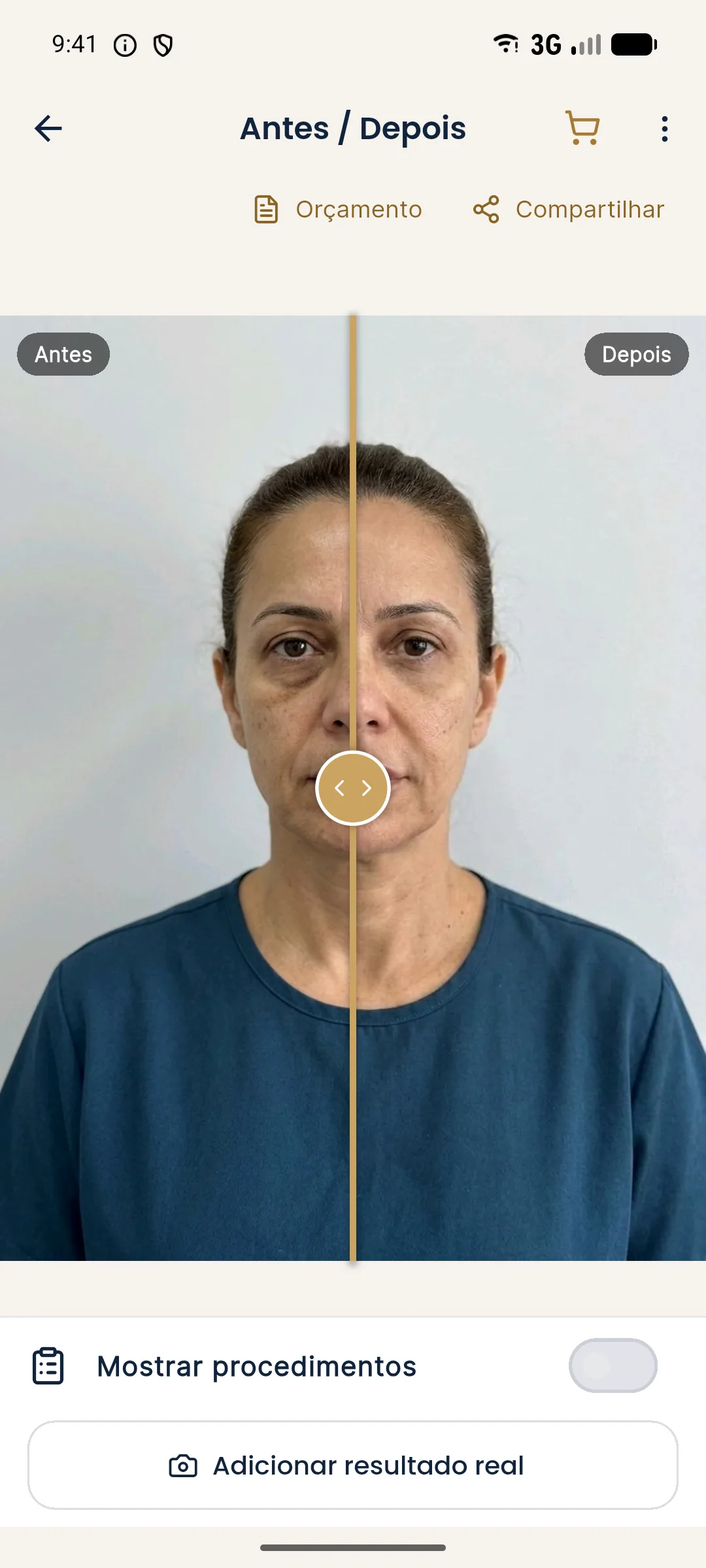
If you photographed the before under the same conditions, the follow-up photo allows an honest comparison. Ask for permission to keep it and for any use beyond the patient record. Do not use the image for promotion without specific permission. If the patient wants to post it, remind them of the privacy they asked for. See asking the patient for image consent and image consent for promotional use.
Which questions should you close with?
Ask whether any doubts remain, whether anything bothers them, and what the best way to reach them is from now on. Say thank you. If the patient wants to refer someone, thank them without turning it into a campaign. Avoid asking for a public review at that same moment: the patient may feel pressured.
The best satisfied follow-up is one where the patient leaves trusting you more than when they arrived, and free to decide the next step in their own time.
What should you ask to improve your care?
A satisfied follow-up is also a source of learning. Ask what helped most in the experience: the explanation, the calm, the simulation, the follow-through. Ask what could have been better, without leading them toward praise. The answers show what to keep and what to adjust in the clinic's workflow.
Avoid questions that ask for a rating or testimonial at that same moment, so it does not feel like pressure. If the patient offers one spontaneously, say thank you. To gather opinions without leading, see asking for feedback without leading the answer.
Frequently asked questions
What should I do at a satisfied patient's follow-up?
Examine, compare with the before record, listen to what they noticed, and review the plan. Suggest something new only if it is indicated and they open the door.
Can I offer a new procedure at the follow-up?
You can share a clinical observation once, without pressure. Satisfaction is not an automatic invitation to sell more.
Should I photograph the result at the follow-up?
Yes, with the patient's permission, under the same conditions as the before photo. It helps with monitoring and with assessing maintenance.
How do I talk about maintenance without sounding like a sales pitch?
Explain that the result lasts a variable amount of time and that the decision to maintain it is theirs. Set a reassessment for later, with no pressure.
Harmy images are illustrative simulations generated by AI from the patient's photo to support the conversation between practitioner and patient. They are not a promise of results. Indication, technique, product and volume are solely the decision of the licensed practitioner. This content is for information only and does not replace a clinical assessment.