
Patient asks when they can repeat the procedure

"Doctor, how soon can I do it again?" It is one of the most frequent post-procedure questions and one of the most treacherous. The patient wants predictability, a date to book. The professional knows that each face responds differently, and that repeating too soon is one of the most common roads to overdoing it. This page shows how to answer clearly, without promising exact dates and without leaving the patient without direction.
Why is there no single date?
Because duration depends on variables that change from person to person:
- Product: hyaluronic acid, botulinum toxin and collagen biostimulator behave differently.
- Area: areas with more movement tend to vary more than areas with less.
- Volume applied: how much was used and how it was distributed.
- Metabolism and lifestyle: physical activity, sun, sleep, smoking, genetics.
- Expectation: what the patient considers "still good" or "already lost."
That is why promising "every six months" is risky. The patient takes the date as a rule, and the complaint arises when the effect does not match. See explaining how long results last without promising and reminding the patient about maintenance.
Is there a usual range?
You can talk about usual ranges, always as a general reference, with the caveat that they vary and depend on the professional's assessment.
| Type of procedure | Usual range of effect duration | Note |
|---|---|---|
| Botulinum toxin | In general, a few months | The effect fades gradually; follow-up depends on assessment |
| Hyaluronic acid filler | In general, from months to over a year | Varies a lot with the area, product and volume |
| Collagen biostimulator | Gradual effect, in sessions and follow-up | The interval between sessions is set by the professional |
| Thread lift | Varies with the technique and the thread | Set by assessment |
These ranges are general guidance for the conversation, not promises. The decision to repeat, and when, belongs to the qualified professional, after assessment, according to their council's rules. No table replaces the examination.
What to tell the patient?
The ideal is to swap the question "when?" for "how do we know?". Instead of a date, give criteria.
The criteria for considering a repeat usually involve:
- Has the original concern returned? Does what led the patient to do it still bother them?
- Has the result been absorbed or lost? This is assessed through examination and photos.
- Is there a clinical indication? The professional confirms.
- Is the patient comfortable with what they see and what they intend?
- Is it safe for a new application (no infection, inflammation or swelling)?
Why is repeating too soon a problem?
The request "can I do more already?" tends to come when the result is still settling, or when the patient has gotten used to the change and wants more. The risks of repeating too early include:
- Product buildup and a face out of proportion.
- Difficulty assessing what is the effect of the first procedure and what is the second's.
- Higher risk of complications in areas already treated.
- An artificial look, the so-called "done face."
- A cycle of dependence on procedures, where the patient cannot go without. See filler is addictive.
How to organize follow-up?
Follow-up has to be planned. Instead of saying "come back in X months," arrange reassessments.
The timing of each milestone is set by the professional, according to the procedure. What matters is that follow-up comes from assessment. Standardized photos allow objective comparison; see standardized clinical photography and explaining harmonization maintenance to the patient.
How can the projection help?
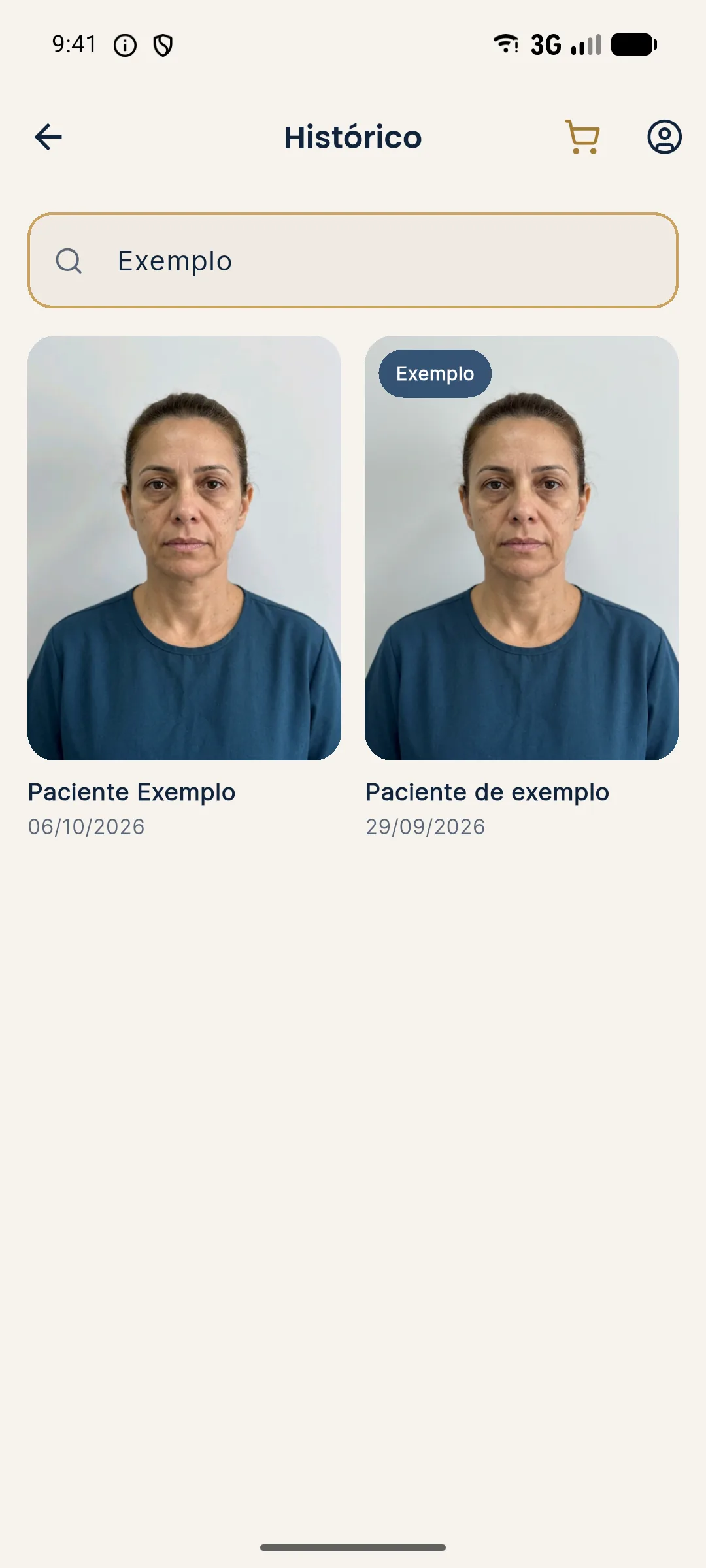
At the reassessment, reviewing the previous session helps recall what was planned and what was done. If the patient wants to repeat, a new, more restrained projection can show the effect of a maintenance session, as opposed to new volume.
What about the price question?
Patients also ask about money: "How much will I spend per year?" Be clear about what depends on assessment, and avoid promising a spending calendar. Show what was done and what may be indicated, without pressure. See how to explain the quote by area and follow-up and loyalty.
Checklist for the question "when can I repeat?"
What to record?
Record the patient's question, what was explained, the ranges cited (as a reference, not a promise), the agreed reassessment and the expected date of contact. If the patient asked to repeat sooner than indicated and you advised waiting, record the reason. This record helps avoid the misunderstanding of "the doctor said it lasts X months," and strengthens the long-term informed consent.
Frequently asked questions
When can I repeat the filler?
It depends on the product, the area and the patient's response. The interval is set at the reassessment, at the professional's discretion. Repeating too soon, without need, raises risks and the artificial look.
Can I give an exact follow-up date?
Avoid promising dates. Talk about usual ranges, explain that they vary and arrange a reassessment. The date to repeat comes from the assessment, not from the calendar.
Is there a risk in repeating the procedure too early?
Yes. Repeating early can build up product, raise the volume beyond what was planned, increase the risk of complications and distort proportions.
How do I explain that the interval changes from person to person?
Say that the body, the area, the product and lifestyle all affect how long it lasts, and that this is why the follow-up is guided by assessment and not by a fixed date.
Harmy images are illustrative simulations generated by AI from the patient's photo to support the conversation between practitioner and patient. They are not a promise of results. Indication, technique, product and volume are solely the decision of the licensed practitioner. This content is for information only and does not replace a clinical assessment.