
Patient Who Arrives With a Ready-Made Request: How to Handle It
Quick facts
- Situation
- The patient arrives with a closed request: I want this procedure
- Risk
- Carrying out the list without assessing the face
- Principle
- The request is the starting point, the plan belongs to the professional
- Tool
- Listening, exam, plan by area and simulation
"I want to fill my lip and do my cheekbones." The patient arrives with the list ready, sometimes copied from a video, a friend or a reference. Accepting without assessing is risky, and refusing outright creates friction. The way forward is in the middle: take the request as a clue and build the plan from the face.
Why is a ready-made request a problem?
Because the patient describes the solution before the diagnosis. The list may be right, but it may also point to a symptom. Someone who wants more lip may actually be bothered by the proportion of the lower third. Someone who asks for filler in the under-eye area may have a problem that another treatment solves better.
- The request comes from a reference. A video, a friend, a filter.
- The patient doesn't know the alternatives. They want what they know.
- Their priority may not be yours. They see one spot, you see the whole.
- Rush to close. They want to leave with the list done.
How do you start the conversation?
Start by listening, before any opinion. Ask the patient to explain what bothers them, not what they want to do.
- Listen to the full request without interrupting.
- Ask what they want to solve with each item.
- Examine the whole face, not just the areas requested.
- Explain what you see and what you think.
- Build the plan, by area and priority.
How do you assess before accepting the list?
Do the full assessment. Facial assessment by thirds helps you see proportion, and the medical history gathers background, contraindications and expectations. Only then compare the request with what you observe.
| Scenario | Approach |
|---|---|
| The request matches your assessment | Proceed, explaining and simulating |
| The request makes sense, but there is another priority | Suggest a different order and justify it |
| The request is not indicated | Explain, offer an alternative or decline |
| The request involves a risk the patient underestimates | Inform clearly and record it |
How does the simulation help?
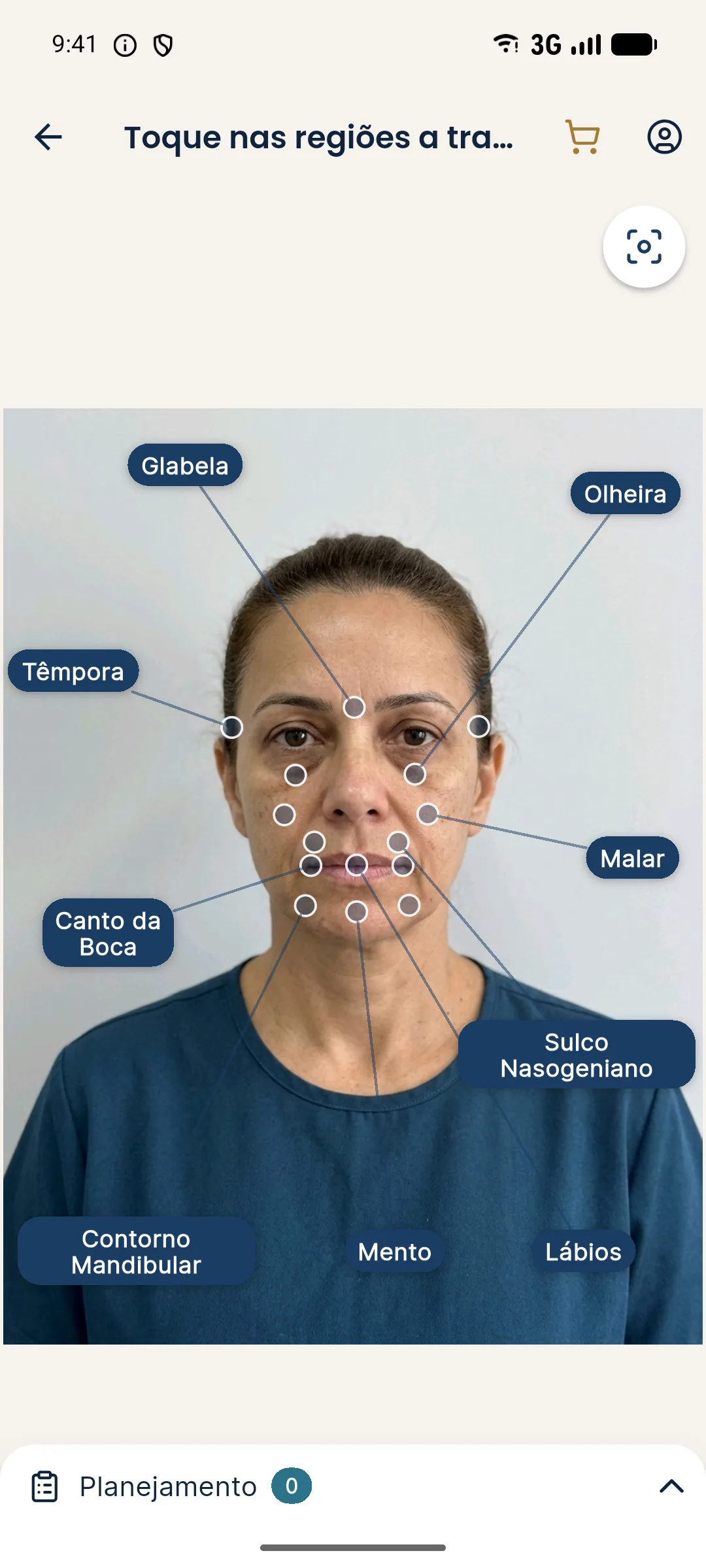
It lets the patient see. You can project their request and, next to it, your suggestion, and talk through the differences. It is more effective than explaining with words alone.
What if they disagree with the plan?
It can happen. Stay calm and go back to the reason: "What do you want to solve with this?". If the disagreement is about priority, offer stages. If it is about something you don't consider indicated, be clear and direct, without blaming anyone and without needing to win. See how to say no to the patient in facial harmonization and the indecisive patient.
What should you say when the request is right?
Say so. Acknowledging that the patient got it right strengthens the relationship: "You noticed well, that's exactly what I see too". But keep explaining risks, progress and follow-up. A correct request doesn't replace consent.
How do you record it?
In the patient record, record the original request in the patient's own words, the assessment you made, what you proposed and what they decided. If the plan diverged from the request, note why. This ties in with informed consent, which must reflect what will actually be done.
In short, a ready-made request is a conversation, not a work order. The patient leaves feeling more secure when they sense they were assessed, and not just served.
How do you handle a request that comes from a reference photo?
Many ready-made requests come with an image: a celebrity, a friend, a filter. The reference is useful for understanding the patient's taste, and dangerous if treated as a target. Use the image to ask what they like about it (the proportion, the softness, the firmness), not to copy it.
Show that their face has its own structure and that the plan starts from it. Read the patient brings a reference photo and the patient brings a filtered photo to guide that moment.
What if the request is just one specific procedure?
When the patient asks for one thing and it makes sense, take it on carefully and record it. If you notice another area that would also deserve attention, mention it without pushing: "I also noticed this here, but it's just so you know; today we're only doing what you asked for". Informing is not selling, and the patient decides what to do with the information.
When is a ready-made request a sign of good information?
Not every ready-made request is a problem. Some patients have studied, understand the anatomy and know exactly what they want. In those cases, the conversation is one of validation: confirm what you observe, explain what the review literature and practice usually consider, and work together. Treating the informed patient as a threat creates needless friction. Treating them as a partner in the decision usually leads to better plans and less regret.
Frequently asked questions
Should I do what the patient asks for?
Only if it is indicated after your assessment. The request is a starting point, and the technical and ethical decision belongs to the qualified professional, according to the rules of their professional board.
How do I disagree with the request without upsetting them?
Start by acknowledging what they want, explain what you see on examination and suggest an alternative or a gradual approach. Respectful disagreement usually increases trust.
What if I agree with everything they asked for?
Great, as long as it comes from your assessment and not from haste. Even so, explain, simulate and record, as with any plan.
Can the patient get angry if I change their plan?
They can. That is why the explanation matters: show on their own face what led to the suggestion, calmly, and make clear that they decide whether to go ahead.
Harmy images are illustrative simulations generated by AI from the patient's photo to support the conversation between practitioner and patient. They are not a promise of results. Indication, technique, product and volume are solely the decision of the licensed practitioner. This content is for information only and does not replace a clinical assessment.