
Sending the Simulation to the Patient by WhatsApp: Precautions

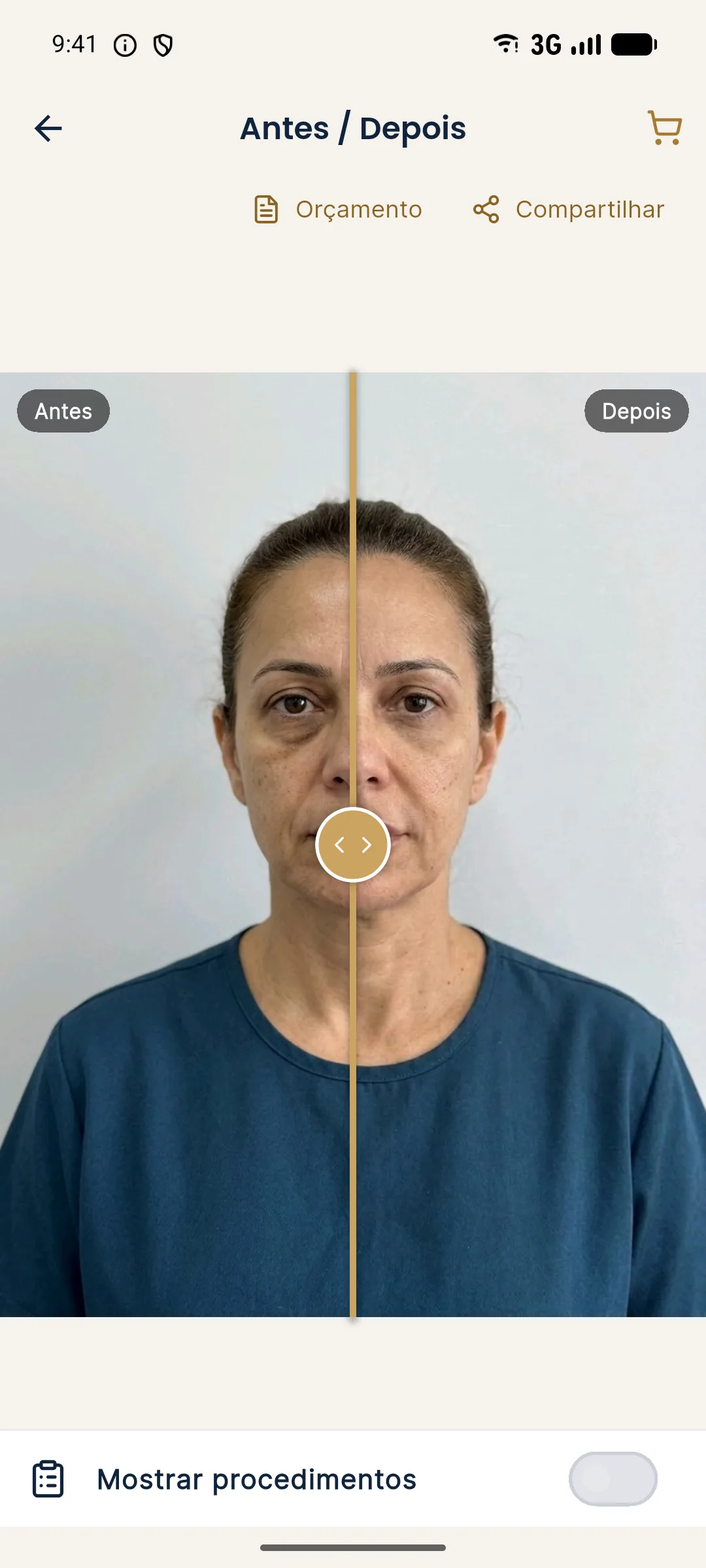
The patient asks: "send me the simulation on WhatsApp". It is a natural request, because they want to show their partner, think about it at home, compare. But an image sent by message leaves the office's control. It can be forwarded, saved, posted and shown without context, and the simulation, which was an illustration, starts circulating as if it were a result.
That does not mean refusing. It means sending it with precautions that keep the context, protect the patient and protect you. This page gathers those precautions in simple steps. See also patient wants a screenshot of the simulation and illustrative simulation notice to the patient.
Why does sending call for care?
Because a facial image is sensitive personal data, covered by the LGPD (Brazil's data protection law), and because the messaging channel is not under your control. There are three risks: sending to the wrong number, circulation without a notice and use of the image as if it were a result, including on social media. Any of them can become an ethical and legal problem.
What should you prepare before sending?
Consent to receive the image can be verbal, but it is better to record it. If your practice uses written informed consent, add a line about sending simulations. Confirm the number out loud, to avoid sending it to the wrong contact, which is the most common and most serious mistake.
What should the message say?
The message is the image's context. When the message disappears, the notice on the image itself keeps protecting. The two together work best.
As for tone, keep it short and friendly. Avoid adjectives like "it looks beautiful" or "look how it will turn out", which sound like a promise.
Image or link?
| Option | Advantage | Caution |
|---|---|---|
| Image | Simple, the patient saves it | Circulates easily and may lose context |
| Patient link | Opens the slider with the clinic's logo and contact | Depends on the connection and the patient may share the link |
| Show during the consultation | Maximum control | The patient takes nothing home |
What if the image gets forwarded?
If you notice the image circulated or was posted as a result, talk to the patient calmly: explain what it is and ask them to remove it. If third parties are using it commercially, seek legal advice. Never post the projection as if it were a result, on any profile, and follow what the page what you may publish (CFO and CONAR) says.
What if the patient also wants the "before" photo?
The photo is theirs. If they ask, you can send it, with the same precautions. What you should not do is send photos of other patients or mix images. The logic of privacy is in saying no to a request to see other patients' photos and in patient who asks for their own photos.
How do you handle a patient who wants to show it to others?
Many patients want the opinion of a spouse, a mother, a friend. Guiding is better than forbidding: explain that the image is an illustration, that third-party opinions can be confusing and that the decision is theirs. If pressure from others is a problem, see patient pressured by others and simulation with a companion in the room.
How should you handle the patient's reply?
After sending, the patient usually replies with questions, with praise or with requests for changes ("can we add more?"). Avoid negotiating the procedure by message: invite them to talk at the consultation or a follow-up, where you examine and explain. Quick replies by message can turn into promises, and the conversation stays recorded in writing. If they send a new photo to "redo the simulation", remind them that the projection depends on a well-taken frontal photo, preferably at the office, and that the clinical assessment must be in person. Keep the conversation as part of the patient record, delete images from the personal device after archiving them somewhere safe, and, whenever possible, use a clinic number instead of a personal phone.
When is it better not to send it?
When the patient is very anxious, tends to compare the image repeatedly, or when there are signs of excessive concern with appearance. In those cases, the image can feed compulsive checking. Prefer to talk during the consultation. For these scenarios, see simulation for the anxious patient and when not to show the simulation.
Sending the simulation to the patient is a gesture of transparency when done with context and control. The difference between transparency and exposure lies in the details of the message, the notice and the record.
Frequently asked questions
Can I send the simulation to the patient by WhatsApp?
Yes, with care: get the patient's consent to receive the image, keep the illustrative simulation notice visible, send it only to the patient and record the sending.
How do I keep the simulation from circulating without context?
Use an image that carries the simulation notice, write a short message explaining that it is an illustration, avoid sending it to groups and ask the patient not to forward it.
Does sending the image by WhatsApp violate the LGPD?
Not necessarily, but the patient's face is sensitive data and sending it requires a legal basis and care, such as the patient's consent and sending it to the correct number.
Is it better to send the image or a link?
The patient link opens the slider on a page, with the clinic's logo and contact, and gives more control over context. The image is simpler, but it circulates more easily.
Harmy images are illustrative simulations generated by AI from the patient's photo to support the conversation between practitioner and patient. They are not a promise of results. Indication, technique, product and volume are solely the decision of the licensed practitioner. This content is for information only and does not replace a clinical assessment.