
Biostimulator after 50: does it still work?

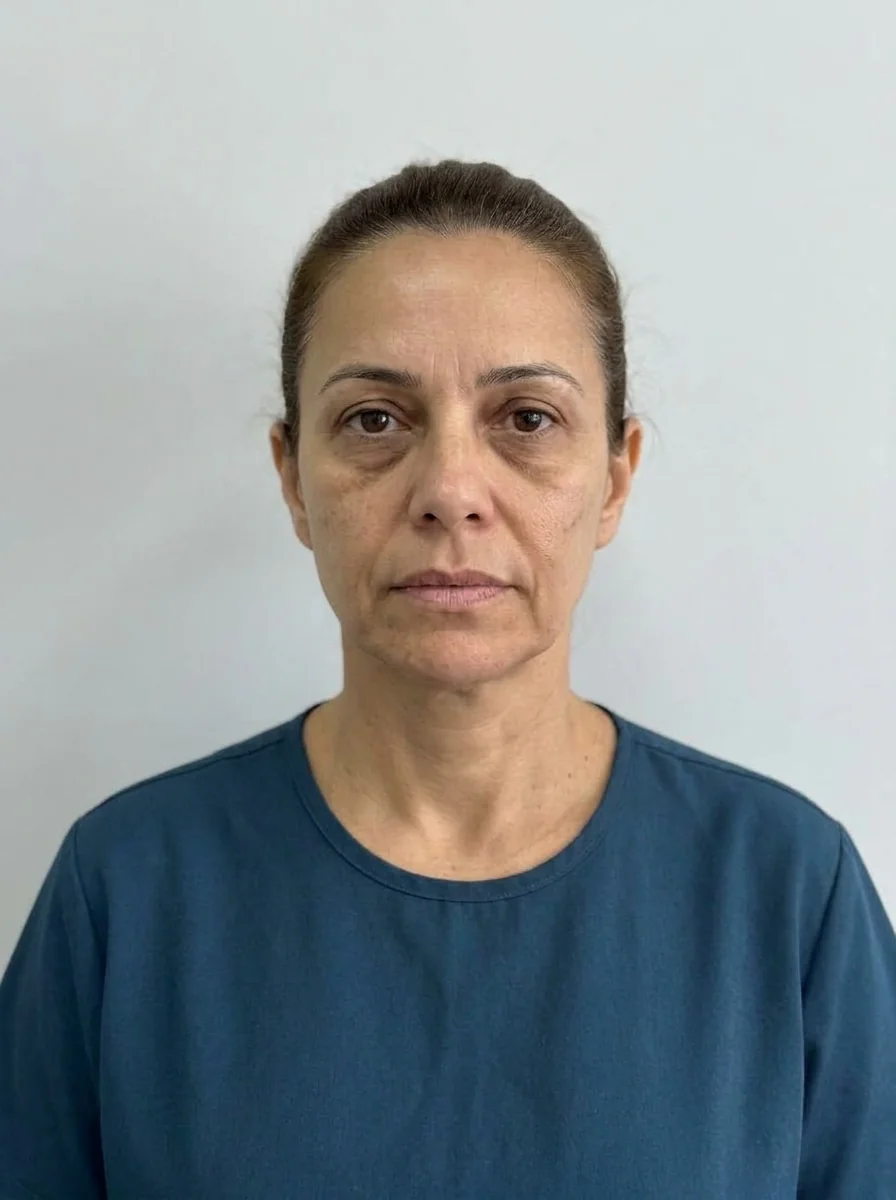 BeforeSimulation
Quick facts
- Topic
- Biostimulator in patients over 50
- Key point
- There is a response, but it varies with skin quality
- Attention
- Realistic expectations and a session plan
- Who decides
- Qualified professional, after an assessment
After 50, the skin has less collagen, less elasticity and less capacity to respond. That is why patients ask, rightly, whether a biostimulator "still works" or whether they have come too late. The answer is: it can work, but with adjusted expectations and, often, with a more careful plan. This page helps you handle that conversation honestly. The indication is up to the qualified professional, according to the rules of their professional council, after an assessment.
What changes in the skin's response after 50?
A collagen biostimulator depends on the tissue's ability to respond to the stimulus. Over the years, and especially after menopause, collagen production drops and the skin becomes thinner. Accumulated photoaging also weighs in. This does not eliminate the response, but it can make it more subtle or slower.
On the other hand, many patients in this age group have clearer, more defined concerns, which makes alignment easier: they know what they want to improve. The care lies in not promising what the product does not deliver.
Which limits need to be stated?
| Situation | What is usually said |
|---|---|
| Mild to moderate sagging | A biostimulator can be an option, with an expectation of gradual improvement |
| Marked sagging | The stimulus tends to have a limit; other approaches may be needed |
| Very thin, photoaged skin | The response may be more subtle; the skin may need to be prepared |
| Deep volume loss | A biostimulator does not replace volume the way a dermal filler does |
| Expectation of "the face from years ago" | Align: the goal is improvement, not a return to the past |
How many sessions, and how long until you see results?
The plan usually involves sessions at an interval set by the product and the response. In patients with less collagen reserve, the professional may opt for a longer plan, but that is an individual decision. The pace of the effect is covered in how long until you see results and the number of sessions in how many sessions. Duration is covered in how long a biostimulator lasts.
What about menopause?
Hormonal decline is associated with accelerated collagen loss, and many patients seek a biostimulator at this stage. The response to the stimulus can vary, and the subject deserves a specific conversation. See more in collagen biostimulator in menopause.
Does a biostimulator solve everything?
No. After 50, it is common for the face to need combined approaches: volume replacement at points of loss, toxin for movements that leave marks, skin care. The biostimulator is one piece of the plan. To know what to compare, see biostimulator or filler and biostimulator or laser for collagen.
Which safety precautions deserve attention?
Older patients may take anticoagulants, have chronic illnesses or a different healing history. Every medical history should be complete, and the informed consent should record risks such as swelling, bruising, nodules and asymmetry. In general a biostimulator is not reversed by hyaluronidase, and that should be said clearly.
How does Harmy help in this age group?
In Harmy, the projection shows the likely visual effect of the marked volume in areas such as Cheekbone and Jawline, from 1 frontal photo. In patients over 50, it helps show the overall picture and decide more clearly where volume makes a difference. The projection does not simulate the firming gain of the biostimulator.
Frequently asked questions
Does a biostimulator work after 50?
It can work, but the response varies with skin quality, habits and the product. Patients with less collagen reserve may respond more subtly and need more sessions.
Are more sessions needed after 50?
In some cases the plan is longer, but that depends on the product and the assessment. The number of sessions is set by the professional, not by age.
Does a biostimulator fix marked sagging?
It tends to have limits when sagging is significant, and other approaches may be needed. The indication is up to the professional after an assessment.
Does menopause change the result?
Hormonal decline is usually associated with collagen loss, and the response to the stimulus can vary. The topic is covered in more detail on its own page.
Harmy images are illustrative simulations generated by AI from the patient's photo to support the conversation between practitioner and patient. They are not a promise of results. Indication, technique, product and volume are solely the decision of the licensed practitioner. This content is for information only and does not replace a clinical assessment.