
Patient asks if it will look like this: what to say

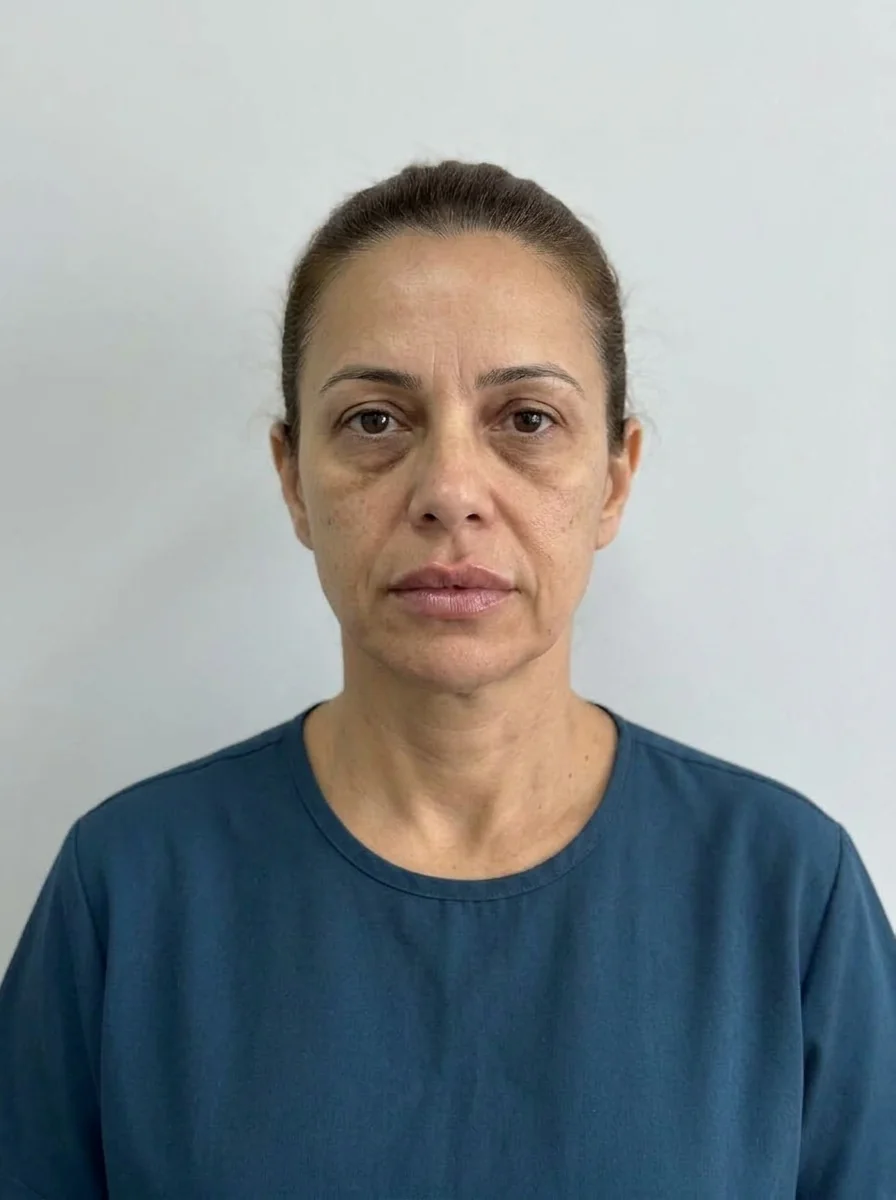 BeforeSimulation
Quick facts
- Situation
- The patient sees the projection and asks if it will look exactly like this
- Base answer
- It is an illustrative simulation, not a promise
- Pitfall
- Saying yes to please or no to protect yourself
- Principle
- Consistency: the same sentence from the whole team
You show the projection, the patient smiles and asks: "will it look like this?" It is the most delicate moment of the presentation. A hasty "yes" creates a promise you cannot keep. A dry "maybe" wipes out the value of the simulation. The right answer is short, truthful and always the same, said by anyone on the team.
Why does this question always come up?
Because the image is convincing. A good simulation shows the patient's own face, and the brain reads that as a prediction. The patient is not being naive: they are making a decision with the best visual information they have. Your task is to turn the image into a direction, not a contract.
What is the answer?
Three elements: what the image is, what determines the result and what you do to get close.
Say it calmly and looking at the patient, not the screen. The confidence of your tone is worth as much as the words.
Can I use an even shorter version?
Yes, and it is worth having one ready for a busy day: "It's an illustration of the direction, not a promise of the result. We follow up and adjust." What matters is that it is the same at every consultation.
What does the image show and not show?
| The simulation shows | The simulation does not show |
|---|---|
| The direction of the change | The exact result |
| The effect of a volume per area | How your tissue responds |
| A level of naturalness | The progress over the weeks |
| The proportion between areas | Swelling, bruising or asymmetry on the day |
This table can be shown to the patient. It helps separate "what I see" from "what will happen."
How does Harmy fit in at this point?
Harmy generates the projection from a frontal photo, using only the areas and ml you mark. The AI respects the volume: the more ml, the more noticeable the change, and the projection changes only what was marked. Changes tend to be subtle and realistic, which helps keep the conversation honest.
What if the patient compares with someone else's photo?
It happens: they say "so-and-so came out like this." Bring the comparison back to their own face. Each face responds differently, and someone else's reference is not a prediction. For this case, read patient who wants to look just like someone else and patient wants a result identical to the simulation.
How to keep the team consistent?
If reception says "it'll look exactly like this" and you say "it's an illustration," the patient keeps the first sentence. Agree on the answer with everyone who talks to the patient and review it from time to time. The team training in communication has exercises for this.
And later, at follow-up?
If the result came out different from the simulation, it is natural for the patient to remember the question. Having recorded the guidance helps you lead the conversation without being defensive. Read follow-up to compare with the simulation and difference between simulation and actual result.
How to record it?
Note that the simulation was presented as an illustration, that the patient understood the result may differ and that follow-up was arranged. This record ties in with informed consent and with the idea of illustrative simulation. For later adjustments, the concept of a touch-up should be clear from the start.
How to react if the patient is frustrated by the answer?
Some patients expected a "yes" and get a caveat. Frustration is normal and does not mean you did something wrong. Acknowledge it, do not get defensive and repeat the core idea: the image shows a direction, and follow-up serves to adjust.
If they say "so the simulation is useless," answer that it serves precisely to align the conversation before doing anything. It lets them say what they like, what seems too much and what seems too little, and it lets you adjust the plan. Without the simulation, that conversation would be pure imagination.
Frequently asked questions
Can I say it will look just like the simulation?
No. The projection is an illustrative image that shows a direction. The actual result depends on anatomy, product, volume, tissue response and how long it takes to settle.
What do I say if the patient insists on a guarantee?
Calmly reinforce that no one can promise an identical result, explain what you control and what you do not, and offer follow-up and adjustment as it evolves.
Is the simulation still useful if it is not a promise?
Yes. It aligns the conversation on direction, intensity and naturalness, and lets the patient say what they like or dislike before any procedure.
Should I explain this before or after showing the simulation?
Both. A short sentence before showing it prepares the eye, and repeating it at the end consolidates understanding. Record in the patient record that the guidance was given.
Harmy images are illustrative simulations generated by AI from the patient's photo to support the conversation between practitioner and patient. They are not a promise of results. Indication, technique, product and volume are solely the decision of the licensed practitioner. This content is for information only and does not replace a clinical assessment.