
Patient who wants to change their whole face: how to guide

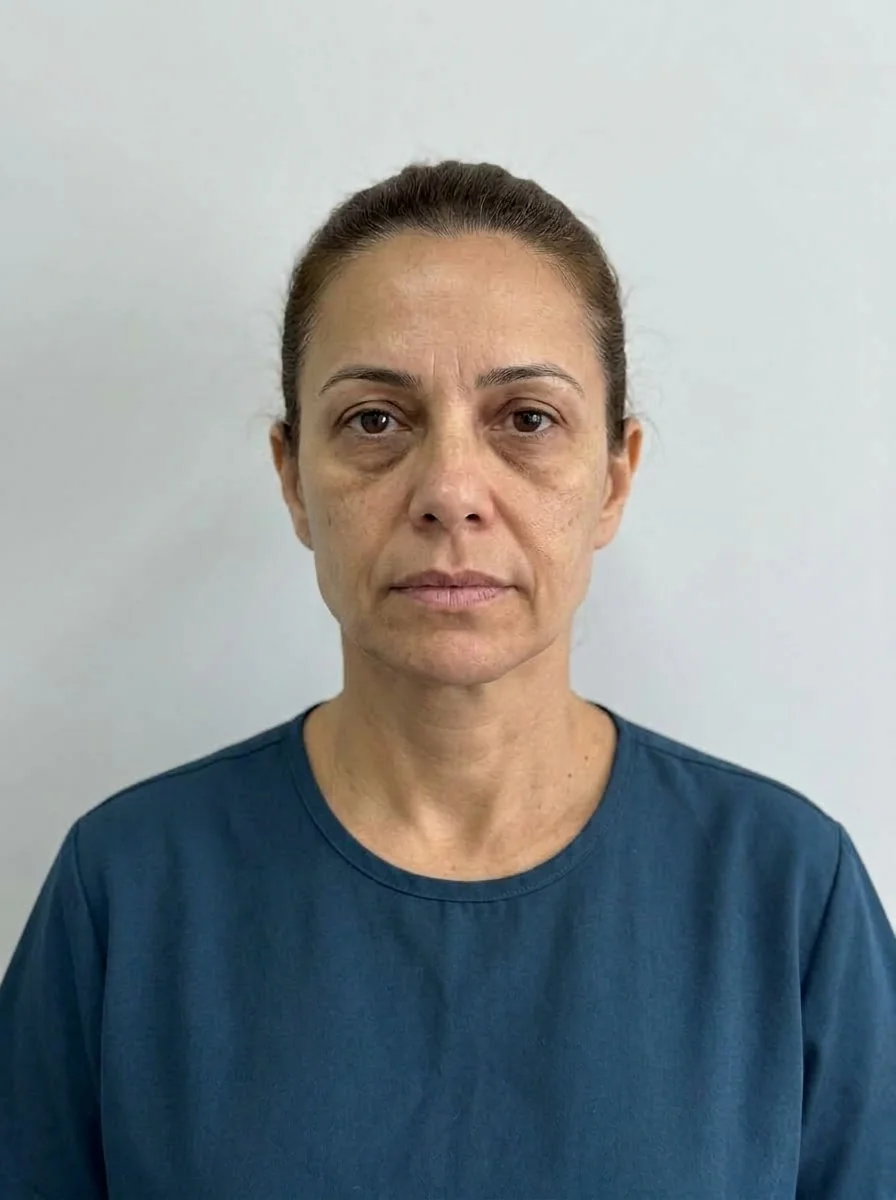 BeforeSimulation
Quick facts
- Situation
- The patient wants to change several features or the whole face
- Limit
- Injectables refine proportions, they do not replace surgery or swap the face
- Strategy
- Prioritize, break into stages and reassess between them
- Attention
- Changing everything at once tends to hurt naturalness
"Doctor, I want to change everything." The sentence is frightening and, at the same time, opens an important conversation. Asking for a total change can mean many things: old dissatisfaction, a wish to start over, an internet reference or just a way of saying that several things bother them. The professional's job is to turn that broad sentence into a concrete, safe and realistic plan.
What do injectables do and not do?
Orofacial harmonization (HOF) with injectables acts on proportion, volume, contour and expression lines. It can refine the face, but it has clear limits.
- It does: refine contours, balance proportions, soften lines and shadows, gradually and at the professional's discretion.
- It does not: change bone structure, change the shape of the face, replace surgery or reproduce someone else's face.
- It depends: on anatomy, product, volume, skin and each patient's response.
How do you listen to such a broad request?
Ask the patient to describe what bothers them, area by area, and to rank them by priority. Often, a list of ten items shrinks to two or three main concerns.
Which questions help?
- "If you could change just one thing, what would it be?"
- "What bothers you most when you look in the mirror?"
- "In which photos do you find yourself most attractive? What is different in them?"
- "How long has this bothered you?"
- "What do you hope to feel when you change it?"
How do you break it into stages?
A good breakdown considers impact, safety and settling time. Assessing by thirds helps you look at the face as a whole. See facial assessment by thirds.
| Stage | Focus | Why |
|---|---|---|
| 1 | The main concern | Builds confidence and lets you assess the response |
| 2 | Supporting areas | Complement and balance the whole |
| 3 | Refinements | Fine adjustments after settling |
| 4 | Maintenance | Long-term planning |
How does the simulation help?
It lets you show that changing the "whole" face has limits and that many areas together in the same plan can compromise naturalness. You can create projections by stage: only the priority area, then the combination with the supporting ones. The patient sees the effect of each step.
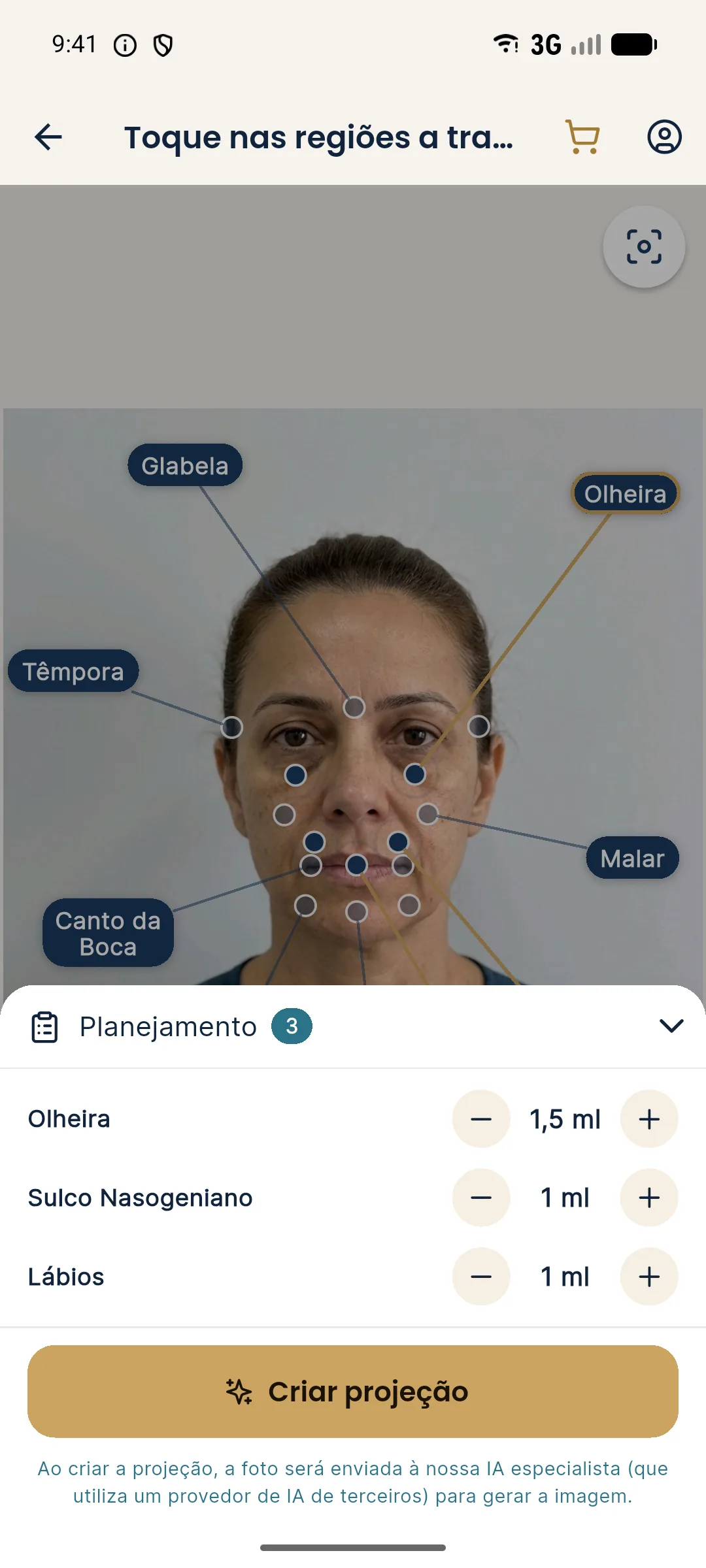
Read combining areas in one projection in Harmy and explaining why more than one session is needed.
What do you say about doing everything at once?
Be clear: treating many areas at the same time raises the risk of an artificial result, makes it hard to know what caused each effect and makes corrections harder. There are situations in which several areas can be treated in the same session, at the professional's discretion, but this requires assessment and caution. See two procedures on the same day, how to decide and do I have to do everything at once.
And when the request hides something else?
Sometimes, "changing the whole face" is a sign of distress about their own image or a wish to be someone else. Notice whether the concern is diffuse, whether nothing seems to be enough or whether the patient describes their face with a lot of pain. In those cases, a procedure rarely solves it. Be supportive, propose a pause and, when it makes sense, offer mental health support as part of care, without diagnosing. Read patient with suspected dysmorphia and patient who always wants more.
How should you document it?
In the patient record, record the request in the patient's own words, the priorities, the staged plan, the limitations explained and the decision. The informed consent should describe only the stage to be performed, and new consents accompany the following stages. The medical history should be updated at each stage.
How do you keep the patient engaged in a long plan?
Staged plans work when the patient understands the path. Show a simple summary: what will be done first, why, when there will be a reassessment and what may change over time. Give approximate dates, without promises, and make it clear that the plan is flexible. A patient who sees the map tends to feel less anxious, accept the wait better and trust you more. Review the plan at each stage, together with them, and record the changes.
Frequently asked questions
Can you change the whole face with facial harmonization?
Harmonization works on proportions and contours gradually. It has limits, does not replace surgery and does not change bone structure. It is important to tell the patient this clearly.
Should I do everything at once if the patient asks?
In general, that is not the most prudent approach. Breaking it into stages lets you assess the response, adjust and preserve naturalness. The decision is the professional's, after assessment.
How do I prioritize the areas?
Listen to what bothers the patient most, assess the face by thirds and propose an order that balances impact, safety and naturalness. Explain the reason for each stage.
When should I suspect the request goes beyond aesthetics?
When the wish is for a total change of identity, comes with intense distress or repeats without satisfaction. Be supportive, avoid injecting and consider referral for mental health support.
Harmy images are illustrative simulations generated by AI from the patient's photo to support the conversation between practitioner and patient. They are not a promise of results. Indication, technique, product and volume are solely the decision of the licensed practitioner. This content is for information only and does not replace a clinical assessment.