
How to price under-eye (tear trough) treatment

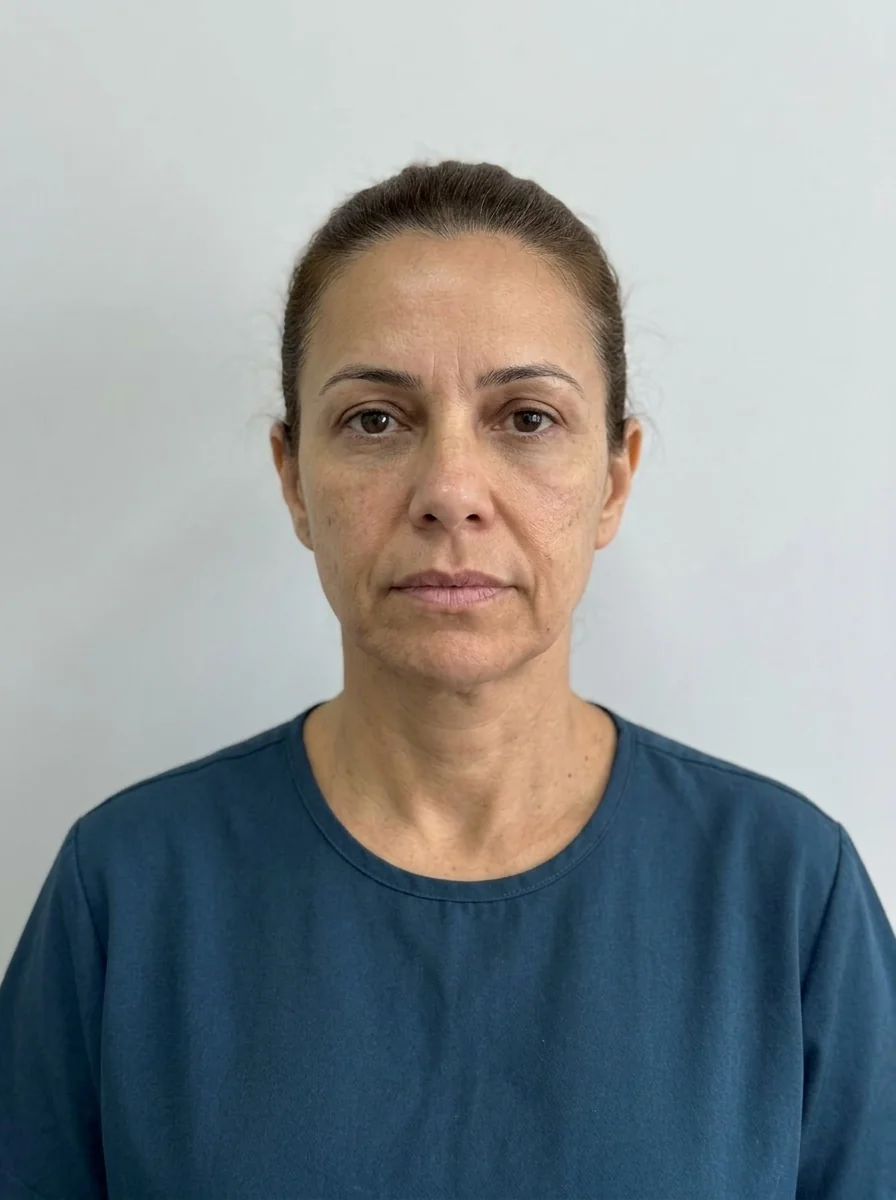 BeforeSimulation
- Highlighted area
Quick facts
- Topic
- Price of under-eye treatment
- Characteristic
- Little volume and a lot of care
- Basis of the calculation
- Time, risk assumed, supplies and follow-up
- Who decides the indication
- Qualified professional, after assessment
The under-eye area is where the price per ml misleads the most. The volume is usually small, sometimes 1 ml in total, and whoever looks only at the vial thinks that charging little is fair. But the assessment time, the attention to anatomy, the preparation for any complication and the follow-up expectation are greater than in areas with more generous volume. If the price follows only the ml, the clinic works more to earn less.
This page shows how to build the under-eye treatment price from the real cost, how to explain the value to the patient without promising results and how to handle follow-up. The indication, technique and quantity are decisions of the qualified professional, according to the rules of their professional board. For the clinical side, see under-eye circles: types and assessment and under-eye filler.
What makes the under-eye a different area in the calculation?
Four points set the under-eye apart from an area like the chin or the cheekbone:
- Little volume, a lot of time. The assessment must distinguish hollowing, pigmentation, bags and visible vessels, and that takes consultation time.
- Area of vascular concern. The infraorbital region is tied to delicate structures. The professional keeps hyaluronidase available when using hyaluronic acid, and that preparation is part of the cost of being ready, even when it is never used.
- Selective indication. Not every under-eye concern benefits from filler. Some patients leave the consultation with other guidance, and the consultation must be paid for.
- Important reassessment. The follow-up to check the result and the initial swelling is part of the care.
How to build the price step by step?
Use four blocks and add them up:
- Supplies and disposables: product, cannula or needle, gauze, antiseptic and anything else that goes in. Consider waste if material is left over.
- Total time: assessment, standardized photos, documentation, injection, instructions and follow-up, multiplied by your clinical hour.
- Risk and preparation: a share of the cost of liability insurance, emergency material and the continuing education that supports treating the area safely. See professional liability insurance in HOF.
- Margin: the minimum profit per visit.
The result is the minimum price. The price list sits above it. The price per ml and margin calculator shows the difference between charging per ml and charging for the whole visit.
Charge per ml or per visit?
| Criterion | Per ml | Per visit (area) |
|---|---|---|
| Clarity for the patient | Easily compared with other areas | Understands they are paying for the care, not just the vial |
| Margin protection at small volumes | Low: 0.5 ml more or less barely changes the total | High: the price covers the work regardless of volume |
| Risk of discount requests | High, because the ml looks expensive | Lower, because the focus moves away from the ml |
| Consistency with the price list | Works if the whole catalog is per ml | Works if the catalog mixes areas of different sizes |
In practice, many clinics use the price per ml as an internal reference and present the area price to the patient. The general logic of price per ml is in pricing per ml, where you will find how to keep small volumes from distorting the price list.
How to use Harmy to present under-eye treatment
The app has the Tear Trough point in its marking step. You take the frontal photo, tap the point, choose the ml (from 0.5 to 5 ml, in steps of 0.5, as the total for both sides) and the intensity (Subtle, Moderate or Pronounced). The "First time" shortcut already suggests tear trough with 1 ml at Subtle intensity. The projection uses only what was marked and shows the before and after in a slider.
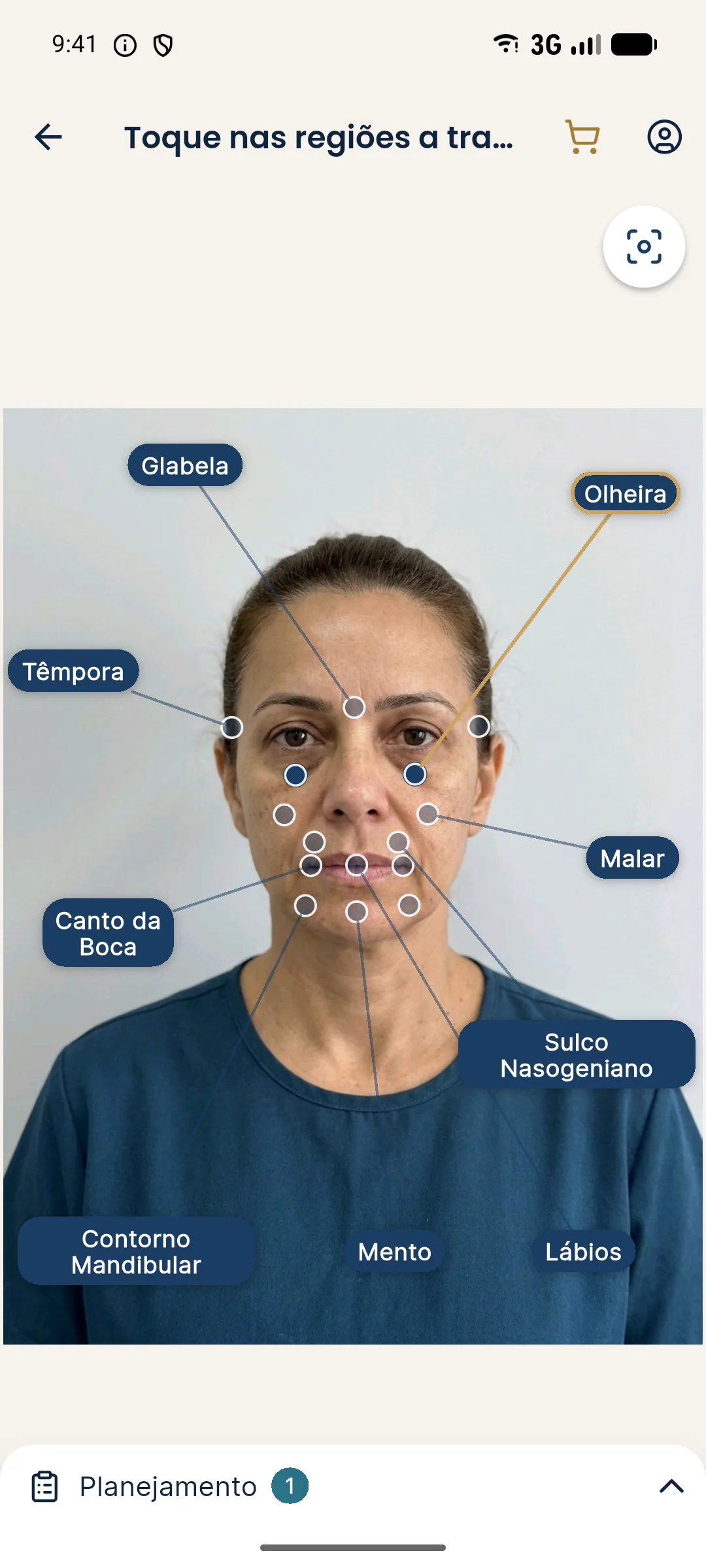
For the price conversation, the useful feature is the PDF quote: the amount comes from the price per ml you saved in My clinic, with informational installments, validity and a notice. Since the under-eye is a small-volume area, work out the price with the per-visit logic described above, adjusting the saved price per ml so the total reflects your cost. The simulation is illustrative and does not promise results.
How to explain the value to the patient
The under-eye patient has often already seen another professional or tried creams. They want to know if it will work and how much it costs. The honest answer is that the indication depends on the type of under-eye concern, and that the price pays for the care of the area, not just the product.
Avoid comparing with another clinic's price, and avoid phrases like "guaranteed result" or "makes dark circles disappear". The page a quote the patient understands helps build the explanation in plain language.
How to handle follow-up
The under-eye area usually needs a review because initial swelling can mask the result and because small adjustments depend on reassessment. Define:
- whether the review is included and within what period;
- what counts as an add-on (and is charged);
- how the patient contacts the clinic if they notice something different from what was expected;
- where the instructions are recorded.
The informed consent template for under-eye treatment and the follow-up and progress form organize the paperwork. For the policy on charging for an add-on, use charge for touch-ups or not.
Mistakes that erode the under-eye margin
The first mistake is charging less because "it is only 1 ml". The second is doing the assessment for free and then not indicating treatment, absorbing the consultation cost with no return. The third is promising unlimited reviews to close the sale. The fourth is failing to adjust the area's price when the supply cost goes up, because the price seems "small".
Where to advertise and where not to advertise the price
Under-eye prices in a post or ad fall under the advertising rules of your professional board and of CONAR. Read advertising the price of harmonization and what you may advertise before publishing. Before-and-after images of the under-eye are among the most sensitive points: never present the simulation as a real result.
Finally, review the price every year or with each relevant cost change, following annual price adjustment. The area is small, but it is one of those that most reveals whether your price list was built from the numbers or from habit.
Frequently asked questions
Why does under-eye treatment usually cost proportionally more per ml?
Because the volume is small, but the assessment time, the anatomical care and the preparation for complications are high. Charging only for the ml used leaves the visit below its real cost.
Should I charge for the under-eye assessment separately?
Many clinics fold the assessment into the procedure when it is indicated and charge for the consultation when the indication is not confirmed. What matters is to decide on a rule and communicate it before the consultation.
How do I explain to the patient that under-eye concerns are not always a case for filler?
Explain that under-eye circles have different causes (hollowing, pigmentation, bags, vessels) and that the professional only indicates the procedure when the type of concern benefits. This builds trust and justifies the consultation.
Can I include a follow-up in the price of under-eye treatment?
Yes, and it is usually advisable, because the area calls for reassessment. Define in writing the time frame and what the follow-up covers, so it does not become an open-ended visit.