
Buccal fat removal: swelling, rest and recovery
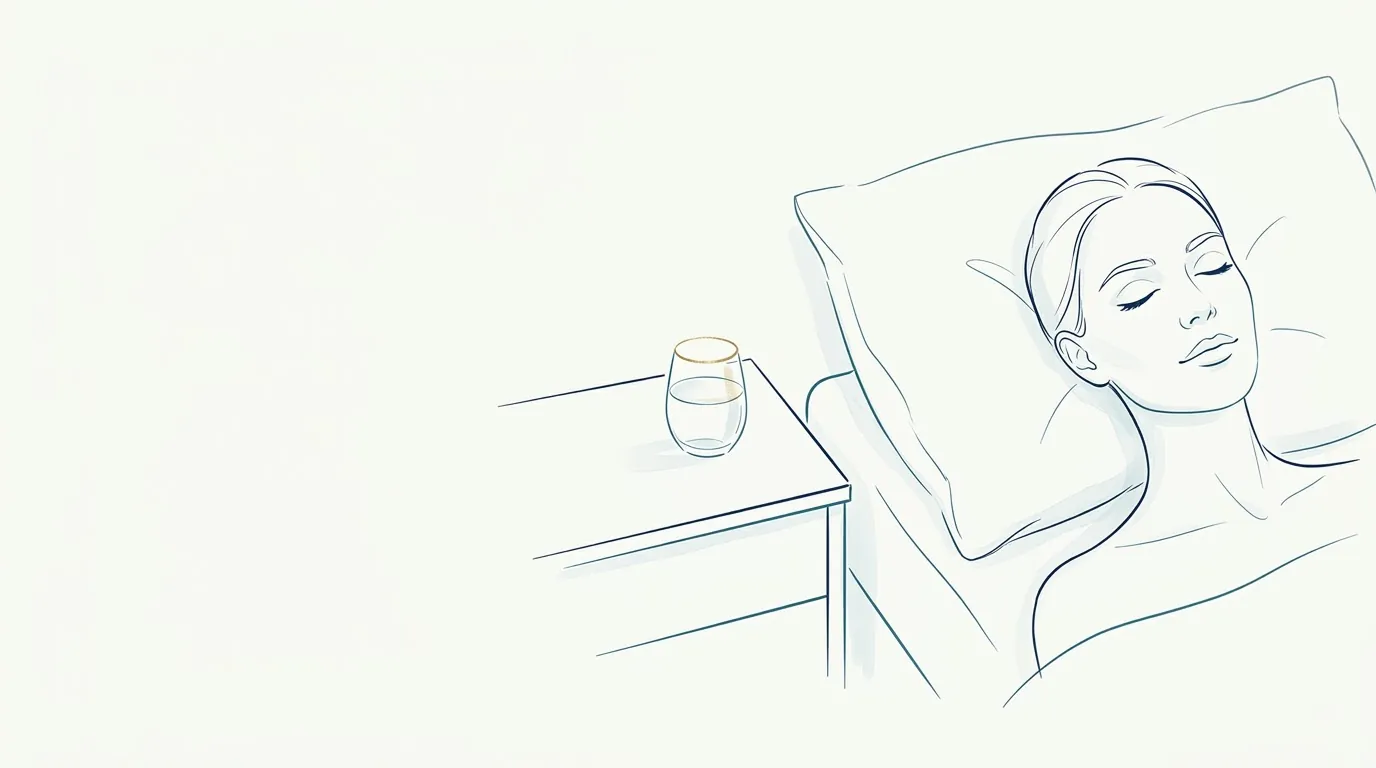
After buccal fat removal, swelling usually peaks in the first two to three days, goes down visibly within one to two weeks and lets the real result show over a few weeks to a few months. In the first few days, the usual guidance is relative rest, lighter food, head raised for sleeping and attention to oral hygiene, always following what the surgeon instructed.
This page is general guidance so you can explain recovery to the patient, without going into surgical technique. Specific instructions, including medication, belong to the professional responsible for the procedure.
Why does the face swell so much if the surgery is done inside the mouth?
Buccal fat removal takes out part of the buccal fat pad through an incision in the lining of the cheek. Even without a cut in the skin, deep tissues are handled, and the normal inflammatory response causes swelling throughout the cheek. That is why, in the first few days, the face usually looks fuller than before, which alarms anyone who expected to see a slimmer face right away.
Recovery timeline
| Period | What usually happens |
|---|---|
| First hours | Swollen, tender cheek; there may be numbness from the anesthesia and slight bleeding in the mouth |
| Days 1 to 3 | Peak swelling; discomfort opening the mouth and chewing; possible bruising |
| Days 3 to 7 | Swelling starts to go down; the bruise, if any, changes color |
| 1 to 2 weeks | Swelling drops a lot; follow-up visit to check internal healing |
| A few weeks to a few months | Residual swelling fades gradually; the final contour appears |
The timeframes are usual ranges. They vary with the amount removed, the technique, the individual tendency to swell and the patient's care.
Do you need rest?
Relative rest is usually advised for the first few days: stay at home, avoid physical effort, keeping the head down for long periods, intense heat and strong sun. Light activities and non-strenuous work are usually resumed within a few days, depending on the case. Intense exercise, combat sports and sports with impact to the face tend to wait longer, and the timing is up to the surgeon. The same reasoning applies to the gym, discussed in gym after botox or filler.
How should you sleep after buccal fat removal?
The most common advice is to sleep on your back with the head raised (an extra pillow or a slightly inclined headboard) for the first few nights. This helps the swelling drain and avoids pressure on the cheek. Sleeping on your side, with the face pressed into the pillow, usually has to wait a few days.
What should you eat and how do you care for your mouth?
The usual guidance for the first few days, at the professional's discretion:
- Food that is cold or lukewarm, pureed or soft, avoiding foods that are very hot, hard, crunchy or heavily spiced.
- Chew carefully and avoid opening the mouth wide, so as not to strain the area around the stitches.
- Oral hygiene as instructed, with gentle brushing near the incision and a prescribed mouthwash if any.
- Avoid alcohol and cigarettes, which interfere with healing. On drinking, see can I drink after botox or filler?.
- Cold compresses on the outside, if advised, in the first 48 hours.
One side is more swollen. Is that normal?
It is common, especially in the first few days. Each side has its own inflammatory response, and the side the patient sleeps on or chews with more may swell more. In general, the difference evens out over time, and facial asymmetry should only be assessed after the swelling has gone down.
What is not the usual pattern: swelling on one side only that grows after the third day, feels hard, warm, with increasing pain or fever.
Which signs call for contacting the professional?
| Sign | What it may indicate |
|---|---|
| Swelling that grows after day three, with warmth, redness, increasing pain or fever | Infection or fluid collection |
| Bleeding that does not stop with pressure | Active bleeding |
| Persistent bad taste, pus-like discharge in the mouth | Infection |
| Significant difficulty opening the mouth or swallowing | Marked inflammation, among other causes |
| Change in the movement of the smile or lip on one side | Possible involvement of a branch of the facial nerve |
| Numbness that lasts beyond the effect of the anesthesia | Paresthesia, which calls for assessment |
| Swelling in the cheek while eating that comes and goes | A saliva-related problem, which calls for assessment |
When should the result be assessed?
The first follow-up visit usually serves to check internal healing. Assessing the contour makes more sense after the residual swelling has gone down, which takes weeks. Standardized photos taken before the surgery, with the same lighting and position, help compare without relying on the patient's memory. See standardized clinical photography and document everything in the patient record.
Anyone still deciding whether to have the surgery will find the criteria in buccal fat removal: when it is indicated and the effect over the years in does buccal fat removal age the face?.
Where does Harmy come in?
Harmy does not simulate buccal fat removal or track post-operative recovery. If the patient also has a projection in their history, for example for a contour planned for later, the "Add actual result" feature stores the follow-up photo aligned by the eyes with the before photo, which is useful for showing the patient, calmly, how the face looks once the swelling has gone.
Frequently asked questions
How long does swelling last after buccal fat removal?
Swelling usually peaks in the first two to three days and goes down a lot within one to two weeks. The final look tends to appear over a few weeks to a few months, varying between patients.
Does buccal fat removal require rest?
In general, relative rest is advised for the first few days, with no physical effort, intense heat or exercise. Many people go back to light activities and non-strenuous work within a few days, following the surgeon's instructions.
How should I sleep after buccal fat removal?
Patients are usually told to sleep on their back with the head raised for the first few nights, to help the swelling go down and avoid pressure on the face.
Is it normal for one side to swell more after buccal fat removal?
A difference in swelling between the two sides is common in the first few days and usually evens out over time. Swelling on one side only that keeps growing, with increasing pain, warmth or fever, calls for contacting the professional.
Harmy images are illustrative simulations generated by AI from the patient's photo to support the conversation between practitioner and patient. They are not a promise of results. Indication, technique, product and volume are solely the decision of the licensed practitioner. This content is for information only and does not replace a clinical assessment.