
Lip filler aftercare: the first few days
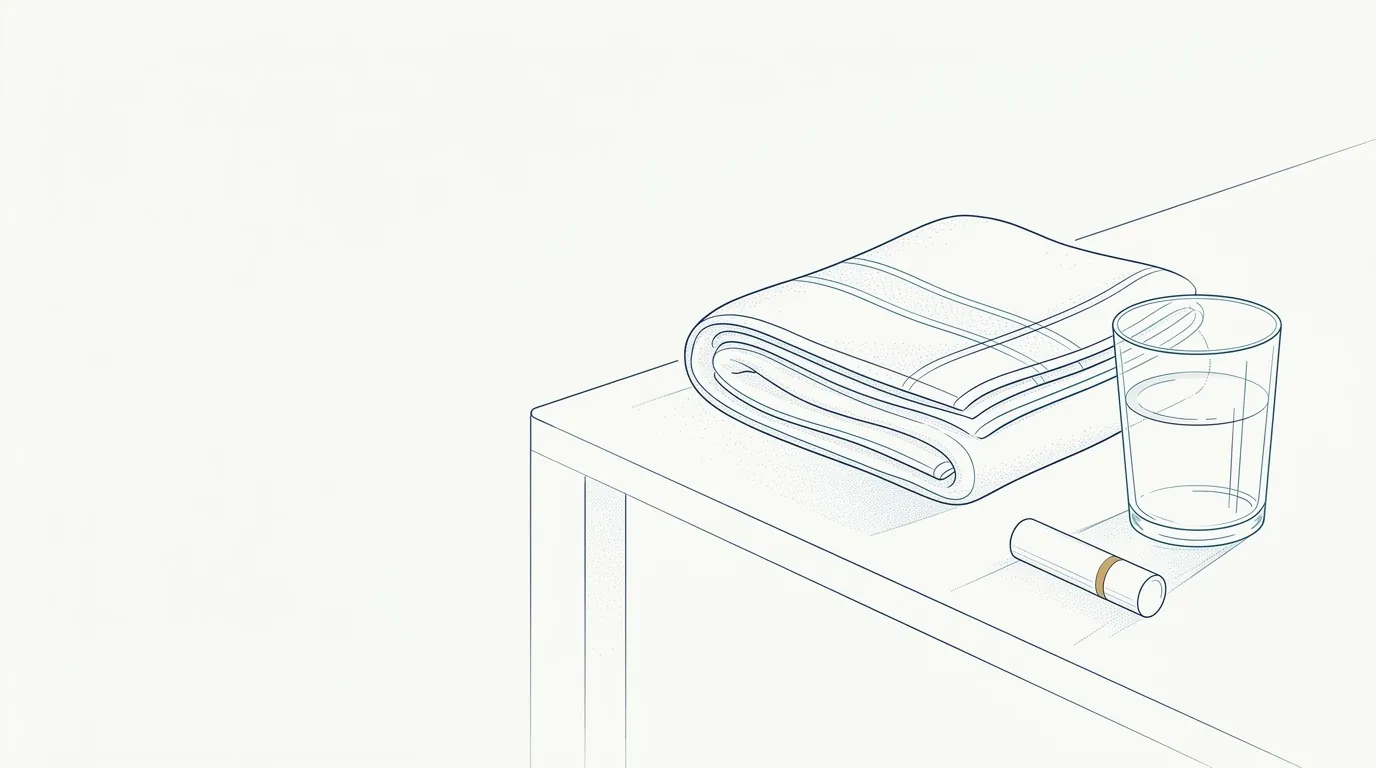
After lip filler, the most commonly cited precautions are do not massage or squeeze the lips, avoid heat, intense exercise, strong sun and alcohol for the first 24 to 48 hours, use a protected cold compress and eat slowly while the numbing wears off. These are short instructions that last a few days and serve two goals: reducing swelling and discomfort, and helping the patient recognize early a sign that calls for contact.
This page was written for you, the professional, to advise clearly and answer the questions patients search for most. The timeframes are usual ranges: the final instructions are always those of whoever injected, according to the product, the volume and the case. The procedure itself is described in lip filler.
Why do the lips need specific care?
The lips are highly vascularized, have loose tissue and move all the time: talking, eating, kissing and smiling press on the area dozens of times an hour. That is why they swell more than other areas and are more sensitive in the first days. Hyaluronic acid also draws in water after injection, which contributes to the initial volume being larger than the final one.
The precautions aim not to add more stimulus to this picture: less heat and less blood flow reduce swelling; less pressure avoids shifting the gel while it settles and lowers the chance of bruising.
Aftercare timeline
| Period | What is usually advised |
|---|---|
| First hours | Protected cold compress, no pressure; no massage; care when eating and drinking while there is numbing; no lipstick on the entry points |
| First 24 hours | Avoid intense exercise, sauna, very hot showers, strong sun and alcohol; prefer lukewarm or cold food |
| 24 to 48 hours | Avoid kissing and pressing the lips; sleeping with the head slightly raised may help |
| First week | Avoid long dental procedures and facial treatments that press on the mouth, unless agreed with the professional |
| About 2 weeks | Follow-up to assess the result without swelling |
Timelines vary between professionals. When the patient has other procedures on the same day, the precautions add up and may last longer.
What should I eat after lip filler?
There is no special diet. The main care is in the first hours, while the lip is still numb: the patient cannot feel temperature well and may bite the mucosa without noticing. So the usual advice is:
- prefer lukewarm or cold foods with a soft consistency on the first day;
- avoid very hot drinks and food until sensation returns;
- avoid very salty or very spicy food on the first day, which can sting at the points and increase fluid retention;
- drink water normally.
On straws, advice varies: some professionals ask to avoid them for the first days, because the suction movement presses on the lips; others set no such restriction. It is worth writing down what you prefer.
How long should I avoid kissing?
The question "can't I kiss after lip filler?" is among the most searched. The usual advice is to avoid kissing and pressing the lips for the first 24 to 48 hours. The reason is not serious risk, but discomfort, the chance of bruising and pressure on a gel that is still settling.
Ice, lipstick and massage: what to do?
- Cold compress: usually advised in the first hours, always protected by a cloth, for a few minutes at a time and without pressing. Ice directly on the skin can irritate, and pressure is exactly what you want to avoid.
- Lipstick and makeup: avoided on the entry points on the first day, so as not to carry residue into the small punctures. Clean lip moisturizer is usually allowed.
- Massage: the patient should not massage or "shape" the lip on their own. Small irregularities in the first days are usually swelling, and touching can make it worse. If any adjustment is needed, the professional decides and directs it, at follow-up.
What about cold sores?
The procedure can reactivate herpes in people who already carry the virus. Patients with a history should report it in the medical history, and the professional decides about prevention and about postponing the procedure if there is an active lesion. Afterward, the patient should say so if clustered little blisters, burning or the typical tingling appear, so it is not mistaken for another complication.
What is expected and what is not?
Explaining what to expect reduces anxious messages and makes clear when to call.
Usually expected:
- greater swelling in the first two or three days, sometimes more on one side;
- tenderness to the touch and mild pain when eating;
- small red dots or erythema at the entry points;
- small bruises, which change color and disappear in days;
- a feeling of small "lumps" to the touch in the first days, which are usually swelling.
Call for contact with the professional:
- a lump that remains after the swelling has gone down, or that hurts, which may be a nodule;
- evident asymmetry that persists after follow-up;
- redness, heat and pain that increase days later.
These signs must be in the written instructions, highlighted, with the contact channel and what to do outside office hours.
How should you give the instructions to the patient?
At the end of the procedure, the patient has a numb lip and is thinking about the rest of the day. Verbal instructions get lost. A sheet or short message works better, organized by period: what was done, care for the first hours, care for the first days, what to expect, warning signs and the follow-up date.
Record in the patient record that the instructions were given and explained, in line with the informed consent signed beforehand. A starting point for the form is in the lip filler consent template. If the same patient also received toxin, the specific precautions are in botox aftercare.
Where does Harmy come in?
Harmy does not send post-procedure instructions: that stays with the clinic. At follow-up, once the swelling has gone down, the "Add actual result" feature in History saves the photo of the result aligned by the eyes with the before photo and lets you compare the projection with the actual result, as explained in history and actual result. That is the right moment for the comparison, not the first few days.
Frequently asked questions
What should I not do after lip filler?
The most commonly cited precautions are not massaging or squeezing the lips, avoiding intense exercise, heat, strong sun and alcohol for the first 24 to 48 hours, and avoiding lipstick and makeup on the entry points on the first day. Timelines vary and the final instructions are those of whoever injected.
What should I eat after lip filler?
In the first hours, while the numbing is still active, soft foods that are lukewarm or cold are usually preferred, eaten slowly so you do not bite your lip. Very hot, very salty or spicy food is usually avoided on the first day.
How long should I avoid kissing after lip filler?
In general, it is advised to avoid kissing and pressing the lips for the first 24 to 48 hours, because the area is swollen and sensitive and the gel is still settling. The exact timeline is set by the professional.
Can I use ice after lip filler?
A cold compress, protected by a cloth and without pressing, is usually advised in the first hours to ease swelling. Ice directly on the skin and firm pressure should be avoided.
When should I contact the professional after lip filler?
Intense pain that increases, a lip or surrounding skin that is pale, purplish in a net-like pattern or darkening, blisters or sores call for immediate contact with whoever injected, even outside office hours.
Harmy images are illustrative simulations generated by AI from the patient's photo to support the conversation between practitioner and patient. They are not a promise of results. Indication, technique, product and volume are solely the decision of the licensed practitioner. This content is for information only and does not replace a clinical assessment.