
How to Explain Glabella Treatment to the Patient

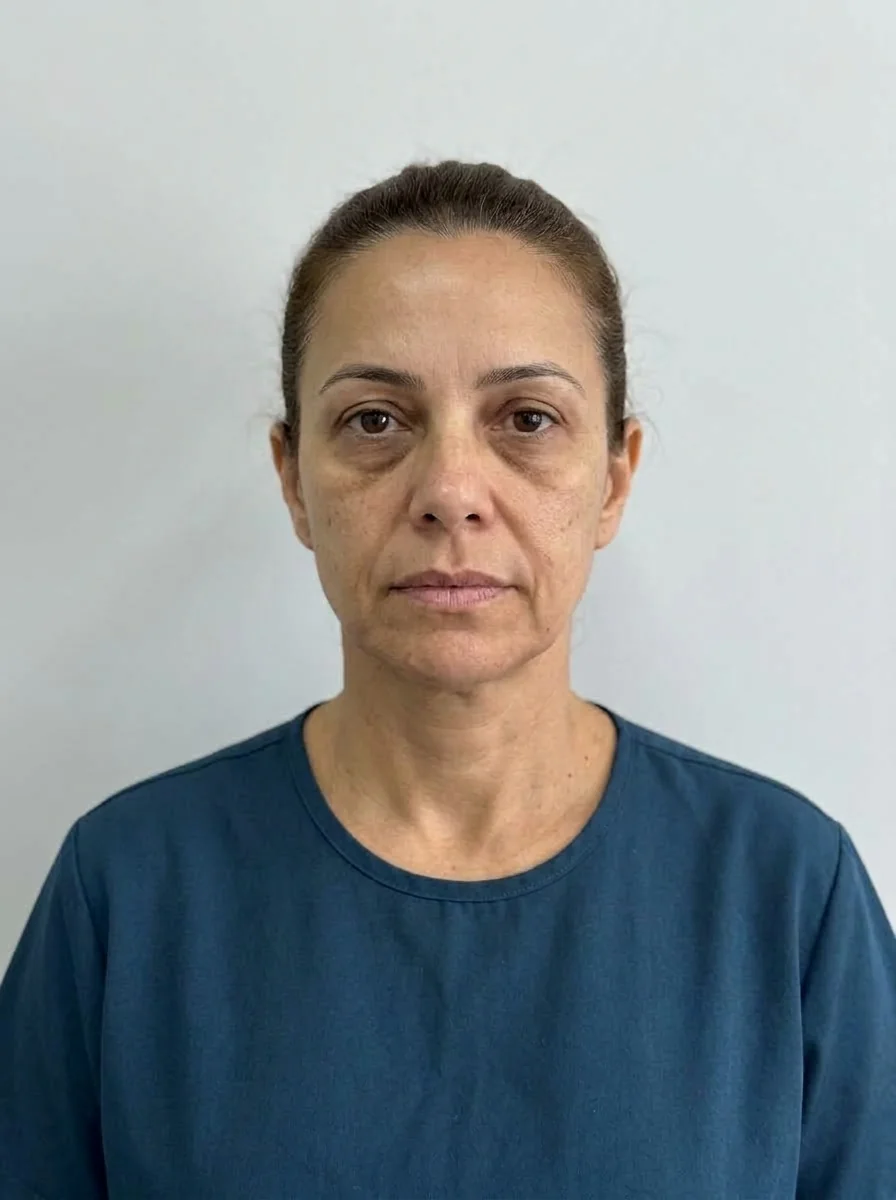 BeforeSimulation
- Muscle
Quick facts
- Area
- Between the eyebrows, above the bridge of the nose
- Common concern
- Vertical lines and an angry-looking face
- Risk to explain
- High vascular risk if filler is used
- Conversation tip
- Talk about a softened expression, not a frozen face
The glabella is the area between the eyebrows, where the vertical lines form that give the face an angry or worried look. It is one of the most frequent concerns in the office, and also one of the worst explained. The patient hears "we're going to relax the muscle" and imagines a frozen face. When the result appears, or when they see an acquaintance "with no expression", the fear is confirmed.
Explaining the glabella well means translating anatomy into simple language, dispelling the myth of losing expression and being clear about risks. This page offers phrases, a table and a script. For the technical view of the area, see glabella and glabellar toxin.
How do you describe the glabella in simple words?
Avoid starting with muscle names. Start with the expression: "when you frown to concentrate or you get angry, the muscles between the eyebrows pull the skin down and toward the center. Over time, the skin shows those lines". Then give the technical name, once: the corrugator and the procerus take part in the movement, and the marks are dynamic wrinkles that can become static.
What does the patient need to hear about expression?
The central fear is losing naturalness. The honest answer is that the plan targets the muscle that frowns, and that the intensity is a conversation. Some patients want a more obvious effect, others prefer to keep more movement. The dose and the choice belong to the professional, after assessment, and the conversation should include what the patient considers "natural".
| What the patient imagines | What can be explained |
|---|---|
| "I'll have no expression." | The target is the contraction between the eyebrows; the other expressions are usually preserved |
| "It feels heavy." | A feeling of heaviness in the forehead can occur and is a point of attention; the professional assesses the balance |
| "It will last forever." | The toxin effect is temporary and fades over months |
| "It works right away." | The effect appears gradually, over days |
For the balance between the forehead and the eyebrow, see also explaining the forehead to the patient.
Which risks should be explained?
Botulinum toxin is common in the glabella, but it has risks that need to be stated: asymmetry, drooping of the eyebrow or eyelid, transient headache and bruising. The patient should know what to do if something looks different from expected and have a channel to reach you.
When filler is used in this area, the risk is higher. The glabella is among the high vascular risk areas, and vascular occlusion can occur, as an emergency. Hyaluronidase must be available whenever hyaluronic acid is used.
What timeline should the patient know?
What does the simulation show and what does it not show?
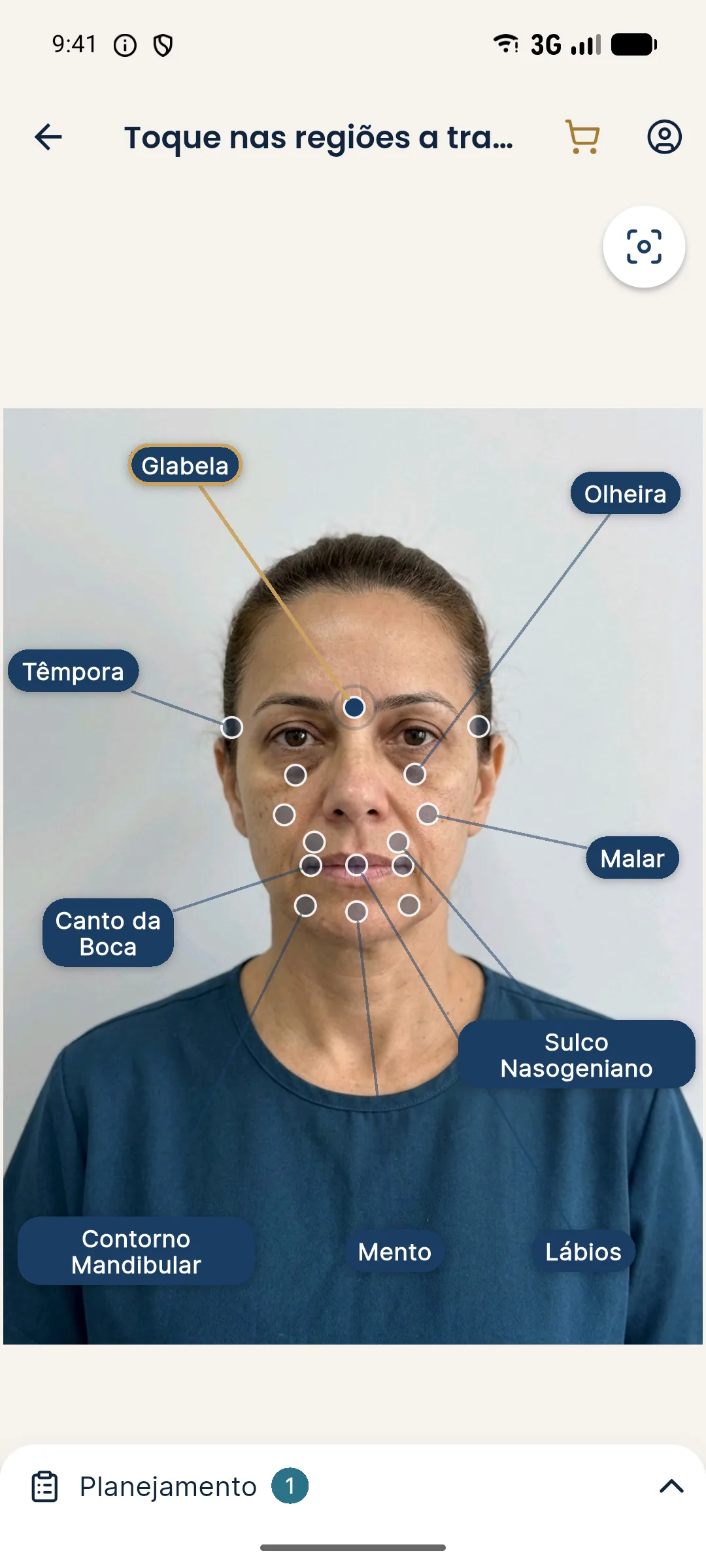
The glabella projection helps visualize a softening of the angry-looking appearance, but it is an illustration. Toxin acts on movement, and a still image does not reproduce that. The patient should hear that the simulation shows a direction for the look of the area, and that the dynamic effect can only be assessed in practice.
What if the patient already had it done and did not like it?
Listen to what bothers them: heavy eyebrow, rigid face, short or uneven result. Assess what happened, explain that toxin is temporary and arrange the follow-up. See explaining what a touch-up is to the patient and patient who already had it done elsewhere.
How do you record the conversation?
Note the concern in the patient's words, the explanation given about expression, risks and timeline, and the decision on intensity. The informed consent should include these points. For a broader explanation of toxin, see explaining botulinum toxin to the patient.
A good explanation of the glabella replaces the fear of the "frozen face" with a realistic expectation: less tension in the gaze, preserved expression and an agreed follow-up.
Frequently asked questions
Does treating the glabella leave the face without expression?
It does not have to. The goal is usually to soften the contraction that creates the lines between the eyebrows, preserving the other expressions. The dose and planning are decided by the professional, at their discretion.
What is the most common concern that leads patients to treat the glabella?
The vertical lines between the eyebrows and the feeling that the face looks angry or worried even when the person is relaxed.
Does the glabella carry risks?
Yes. It is a high vascular risk area when filler is used, and toxin has its own risks, such as asymmetry and drooping of the eyebrow or eyelid. That is why the explanation to the patient must be clear.
How long should the patient wait to see the effect of toxin in the glabella?
The effect usually appears gradually over a few days, with an assessment at the follow-up. Duration varies and depends on the person.
Harmy images are illustrative simulations generated by AI from the patient's photo to support the conversation between practitioner and patient. They are not a promise of results. Indication, technique, product and volume are solely the decision of the licensed practitioner. This content is for information only and does not replace a clinical assessment.