
Cheek Bruising After Filler: Is It Normal?

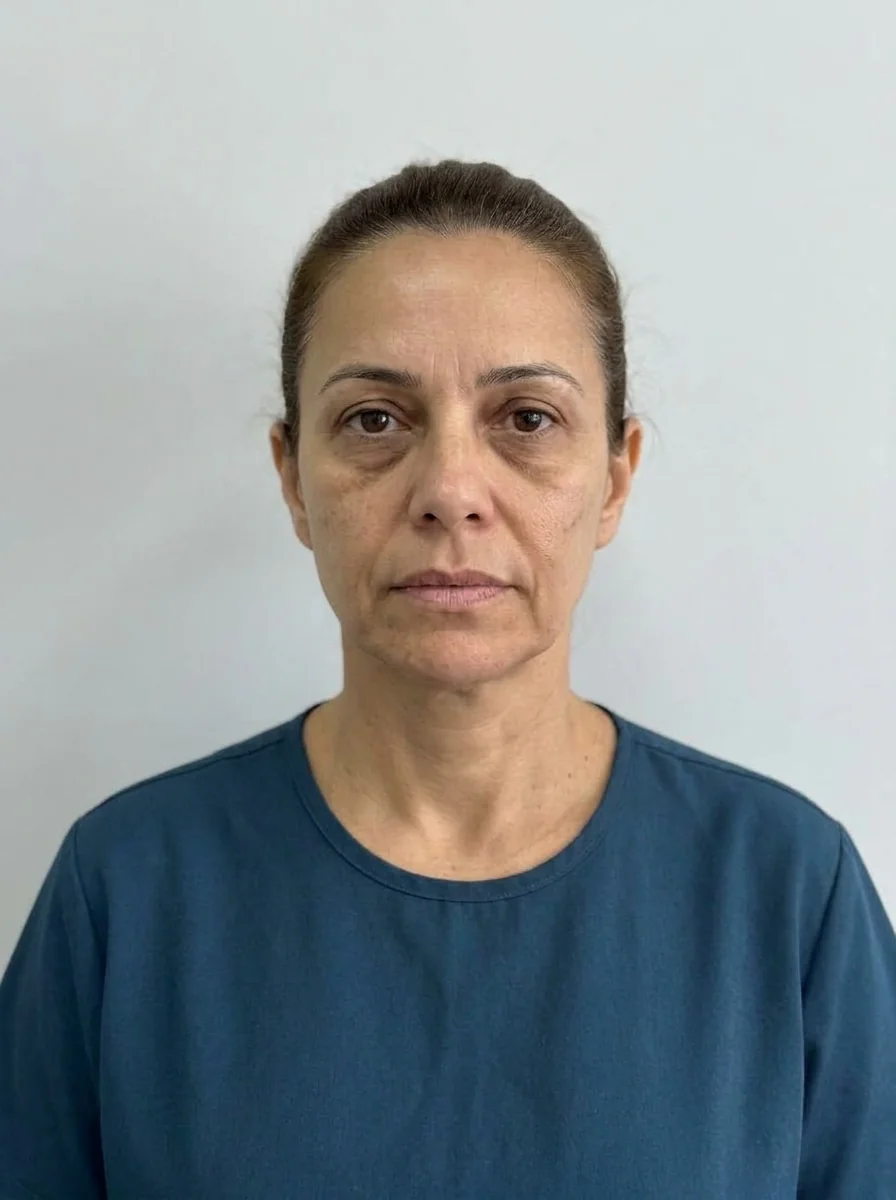 BeforeSimulation
- Artery
Quick facts
- Question
- Is bruising on the cheekbone after filler normal
- Usual range
- Usually clears in about 7 to 14 days
- Particularity
- The mark can drift from the cheek toward the jaw and neck
- Reason to call
- Severe pain, growing swelling asymmetry or pale, blotchy skin
The short answer: yes, bruising on the cheek after malar filler is a common complication and, most of the time, temporary, clearing in about 7 to 14 days. What surprises the patient is that the mark often does not show up where it was injected: it can appear days later on the lower cheek, near the mouth or jaw, because the blood travels down with gravity.
Why can the cheekbone area bruise?
The malar area is supplied by vessels that run toward the middle third of the face, and the product is placed on a deeper plane than in a superficial filler. If a needle or cannula touches a vessel, the blood forms a bruise in the tissue. The transverse facial artery and branches of the facial artery run nearby, which is why anatomical knowledge is part of prevention.
As for choosing a cannula or a needle, the decision is the professional's, at their discretion and depending on the case. A cannula is usually considered less traumatic to vessels, but it does not eliminate the risk. See the difference in cannula or needle and the context of the area in malar area.
Why the mark moves down
The blood that escaped stays trapped in the tissue, but gravity and the activity of the cheek muscles push it downward, toward the nasolabial fold, the jaw and the neck. This usually happens within two to four days. A patient who was not warned may think it is a new complication, when it is the same mark on the move.
Bruising or uneven swelling?
Not every "bigger side" is a bruise. Swelling can also make one cheek look fuller than the other, especially if the patient sleeps on one side or if the product was placed in a different amount because of baseline asymmetry. The first step is to wait through the first few days before concluding anything. Details in uneven swelling after filler and asymmetry after malar filler.
| Observation | Likely explanation | Usual management |
|---|---|---|
| Band of color moving downward | Migrating bruise | Observe, advise |
| One side fuller, no color | Uneven swelling | Wait for it to settle |
| One side fuller, tight and painful | Larger bruise or another cause | Contact the same day |
| White, blotchy skin with intense pain | Vascular warning sign | Immediate care |
What the patient can do
On sleep and exercise, see malar filler and sleeping, gym after harmonization and how to cover up bruising.
When cheekbone bruising is a concern
The full picture of signs is in warning signs after harmonization, and the clinical-level reasoning in vascular danger zones of the face.
What lowers the chance of bruising
- Review medications and supplements that alter clotting, without stopping anything on your own.
- Avoid the procedure during a bad cold, with coughing and sneezing, which raise venous pressure.
- Agree with the patient that bruising is possible and lasts a few days.
- Book at least two weeks ahead of important events.
Myth or fact?
Where does Harmy come in?
Before injecting, the projection for the Cheekbone point shows the planned change in ml from a front-facing photo, which helps the patient decide calmly. It is an illustrative simulation, not a promise of results, and does not represent bruising or swelling.
Frequently asked questions
Is bruising on the cheek after filler normal?
Yes, bruising is a common complication and usually clears on its own in one to two weeks. The cheekbone area has vessels and the product is placed deep, which favors the mark.
Why does cheekbone bruising show up lower down, near the mouth or jaw?
The pooled blood moves with gravity and facial movement, and the mark appears lower than where it started, without being a new problem.
How long does cheek bruising take to disappear?
Generally 7 to 14 days, with the color going from purple to greenish and yellowish. Fair skin tends to show the transition phases more.
Does bruising ruin the result of malar filler?
Generally not. What clouds the assessment in the first days is swelling, and the final volume should only be judged once it has settled.
Harmy images are illustrative simulations generated by AI from the patient's photo to support the conversation between practitioner and patient. They are not a promise of results. Indication, technique, product and volume are solely the decision of the licensed practitioner. This content is for information only and does not replace a clinical assessment.