
Orthognathic surgery and facial harmonization

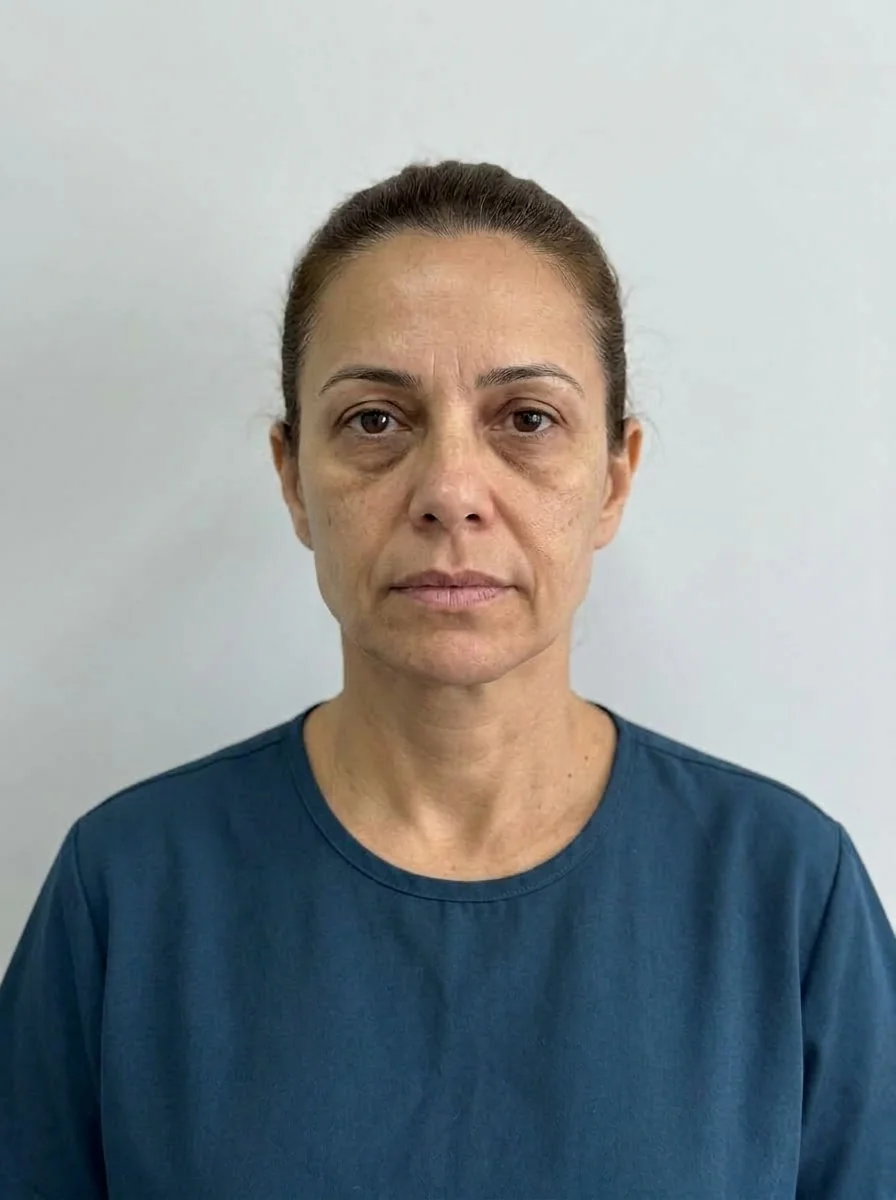 BeforeSimulation
Quick facts
- Usual order
- Orthognathic surgery usually comes first; harmonization refines afterward, once recovery is complete.
- Wait time
- Set by the surgeon, based on swelling, healing and how stable the result is.
- Why
- Surgery changes the bone base; filling beforehand can create unnecessary or inconsistent volume.
- Team
- Coordinate with the surgeon and the orthodontist before any procedure.
Anyone preparing for orthognathic surgery has a big change ahead: the position of the maxilla, the mandible or both is altered, and the proportions of the face change. In parallel, patients often ask whether they can have harmonization before, during or after. The answer follows a logic worth knowing.
Why does the order matter?
Facial harmonization works on soft tissue with volume, traction or relaxation. Orthognathic surgery repositions the bone base. If the professional fills first, they may be compensating for a disproportion that the surgery is going to correct, and the injected volume ends up excessive or inconsistent with the new structure. That is why, in general, surgery comes first and harmonization refines afterward.
How long should you wait after surgery?
After orthognathic surgery, the face goes through prolonged swelling that fades over many months, and internal healing continues even when the outside already looks stable. The window for cosmetic procedures is set by the surgeon, not by a general rule.
| Phase | What usually happens | HOF approach |
|---|---|---|
| First weeks | Significant swelling, dietary restrictions, close follow-up | No elective cosmetic procedures |
| First months | Swelling going down, orthodontic adjustments | Wait for the surgeon's clearance |
| Months later | Face more stable, but still remodeling | Assess with the team what is still justified |
| Stabilized result | Final proportions | Refinements possible, with planning |
Real timelines vary between patients and surgeons. What does not vary is the need for communication between the teams.
What can harmonization refine afterward?
With the bone base repositioned, small adjustments to contour, symmetry and proportion may make sense: refining the chin, the jawline, the lips and the folds. The goal is to harmonize the result, not to correct what the surgery should have resolved.
Who should talk to whom?
Ideally the surgeon, the orthodontist and the HOF professional talk to each other, at least in writing. The patient is the natural channel, but it is worth asking the team for a report. Useful information: type of surgery, date, complications, restrictions and guidance on cosmetic procedures.
What about sensation in the area?
It is common for patients to have areas of altered sensation (numbness or tingling) after orthognathic surgery, mainly on the chin and lower lip, because nerves were manipulated. This affects the safety of the assessment, since the patient may not feel pain or discomfort as expected. Record these areas in the patient record and use extra caution in them.
Myth or fact
The role of Harmy
Harmy can help after recovery, in the planning stage of the refinement: the projection shows the likely effect of volumes on the chin and jawline, as an illustrative simulation. Before surgery, it does not replace surgical planning, and the projection does not predict the outcome of the bone movement. Make this explicit to the patient.
How to handle the patient's anxiety at this stage
People who undergo orthognathic surgery tend to be sensitive about their own face: they go through months of orthodontics, watch their profile change and live with swelling. The urge to fix everything quickly is common, and the HOF professional may be sought out as a shortcut. Acknowledge the anxiety, and explain that the face is still transforming and that aesthetic decisions made before it stabilizes may not reflect the final result.
A good practice is to schedule a reassessment at a future date, with standardized photos, and make it clear that the conversation continues. This takes pressure off the present and shows the patient that there will be a right moment for each decision.
Frequently asked questions
Can I have facial harmonization before orthognathic surgery?
In general, surgery comes first, because it changes the bone base and the proportions of the face. Filling beforehand can leave volume that no longer makes sense afterward. The decision involves the surgeon and the orofacial harmonization (HOF) professional.
How long should I wait after orthognathic surgery before having harmonization?
There is no single timeframe. It depends on healing, residual swelling and clearance from the surgeon, and it is usually several months. The team following the case decides.
Can harmonization correct what orthognathic surgery did not resolve?
In some cases it can refine contours and proportions, but it does not replace bone correction. Expectations need to be discussed with the team.
Does filler interfere with orthognathic surgery planning?
It can, because volume over the tissues changes how the real proportions read. That is why surgical planning is usually done first, and the HOF professional shares the history of products used.
Harmy images are illustrative simulations generated by AI from the patient's photo to support the conversation between practitioner and patient. They are not a promise of results. Indication, technique, product and volume are solely the decision of the licensed practitioner. This content is for information only and does not replace a clinical assessment.