
Man New to Harmonization: How to Run the Consultation

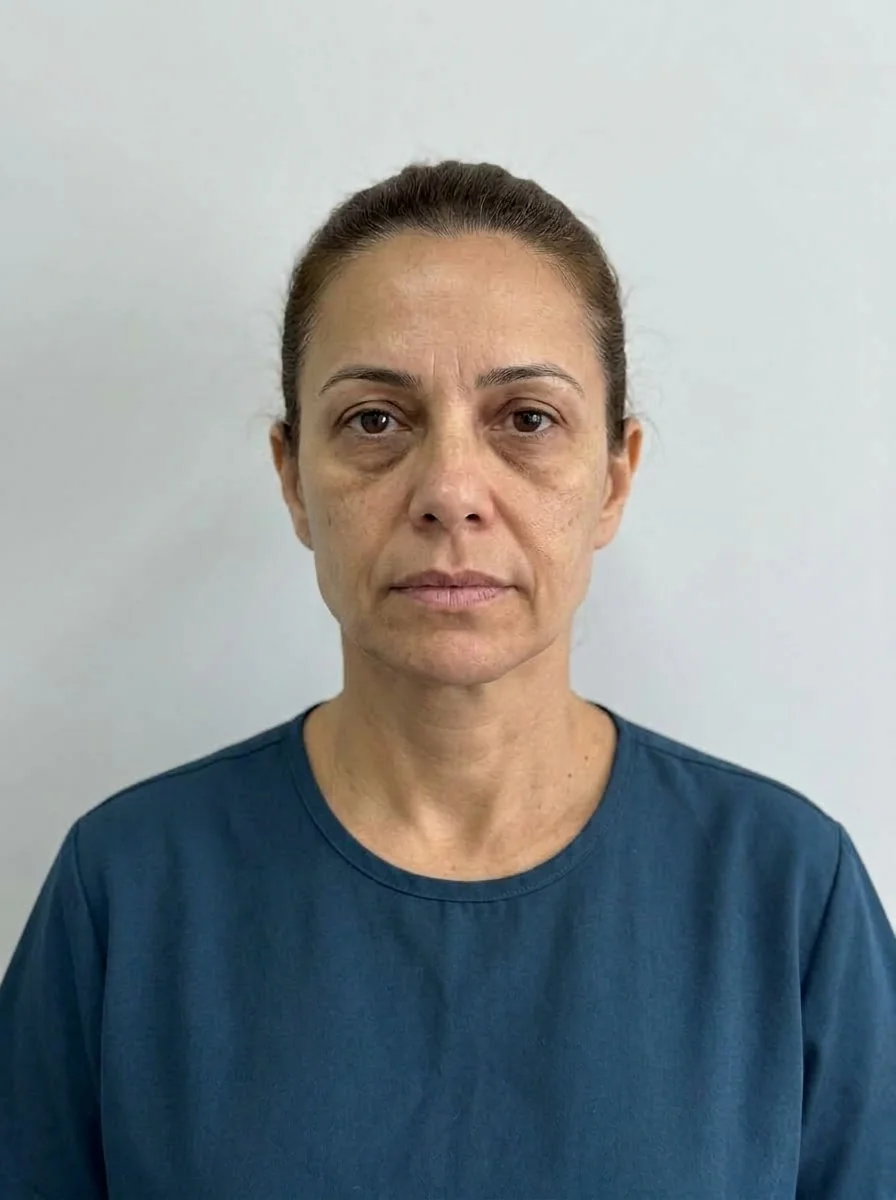 BeforeSimulation
Quick facts
- Common profile
- Wants discretion, a natural look and directness; resists aesthetic terminology
- Language
- Focus on a rested look, definition and firmness, not on 'beautifying'
- Frequent areas
- Jaw, chin, under-eye area, forehead and glabella, depending on the concern
- Care
- Do not project a feminine standard; respect masculine features
A man seeking facial harmonization for the first time usually arrives with a clear annoyance and a bigger sense of embarrassment. Many ask for it "not to be obvious" and ask, at the end of the consultation, whether they will have to tell anyone. That does not mean he wants less: he wants something discreet, direct and explained without detours.
Leading this consultation well is, above all, listening to how he talks about his own face and answering at the same level.
What does he usually bring to the first consultation?
Every patient is unique, and generalizing by gender is risky. Even so, some concerns and attitudes show up frequently, and it is worth knowing them as a starting point, never as a rule.
- A tired look. Dark circles, a drooping gaze, a "sleepy face."
- Lack of definition. A soft chin and jawline, a neck with no line.
- Expression lines. Forehead, between the eyebrows, around the eyes.
- Fear of overdoing it. "I don't want to look like I had work done."
- Privacy. He asks whether other people will notice.
How do you adapt the language?
A first-time patient's vocabulary tends to be more practical and less aesthetic. Prefer the words he would use.
| Instead of | Prefer |
|---|---|
| "Beautify" | "Balance," "add more definition" |
| "Fill" | "Add support," "rebuild the contour" |
| "Rejuvenate" | "Look more rested" |
| "Take care of the skin" | "Improve skin quality" |
Also avoid irony or brushing off concerns with lines like "everybody does it these days." That invalidates the worry. The rule of active listening in the HOF consultation counts double here.
Which features should you respect?
Harmonization for a male patient usually respects the features of a masculine face, such as a more defined jaw, a squarer chin and less arched eyebrows. Importing a feminine standard can result in unwanted softening. A good question is: "Which features of your face do you like and want to keep?"
See the areas often used for definition: jawline and chin. For consultation language, explaining the jawline and explaining the chin.
How do you handle the fear of being noticed?
Many patients ask "will people notice?" Be honest: the goal is a natural look, and that is what you can offer, but no one can control what others notice or comment on. Avoid promises like "nobody will know." Instead, talk about subtlety and stages, and let the patient set the pace. The article I don't want anyone to know covers this topic.
How does Harmy fit into the consultation?
If the patient asks for "very natural," start with Subtle intensity. If he asks for "more defined," show Moderate, keeping the reminder that the image is illustrative.
How do you handle the medical history?
Some patients leave out information out of embarrassment, such as the use of supplements, anabolic steroids, hormones or medications. This affects the assessment and the risk. Create a judgment-free atmosphere and explain why each question matters. See patient who withholds information in the medical history and medical history in HOF.
First male consultation checklist
The first-time male patient's consultation is, at heart, a consultation like any other, with more attention to vocabulary and to the fear of overdoing it. Whoever listens well turns the initial resistance into trust.
What expectations about time and routine does he usually have?
The first-time male patient tends to ask about routine: when he can return to the gym, to work, to shaving. Answer with clear, written instructions, at the professional's discretion. One practical point is the beard: in areas such as the jaw and chin, explain skin care and when to shave. See can I work out afterward and can I go back to work.
Take the chance to talk about gradual results. Someone who expects change overnight tends to be frustrated by the initial swelling. The conversation is in the result is not immediate.
How do you close the consultation without pressuring?
The first-time male patient usually wants to decide alone and later. Offer a summary of the plan and leave the door open. This is not wasted time: someone who leaves with a clear map and no pressure usually comes back. The template for a one-page plan summary helps, and how to close the consultation without selling covers the stance.
Frequently asked questions
What changes in the HOF consultation with a man who has never had facial harmonization?
The vocabulary, the discretion expected and the areas of interest usually change. The most common goal is a rested look and definition, without losing masculine features.
What language should I use with a first-time male patient?
Avoid terms he may associate with exaggerated 'beautification.' Talk about balance, a rested look, definition and a natural result, always following what he says.
Which areas do men usually ask about?
It varies by patient. The jawline, chin, under-eye area and expression lines come up often. The decision comes from his concern and the clinical assessment.
Does male harmonization carry different risks?
The risks depend on the procedure and the area. The difference lies more in anatomy and expectations than in general risks. The professional assesses case by case.
Harmy images are illustrative simulations generated by AI from the patient's photo to support the conversation between practitioner and patient. They are not a promise of results. Indication, technique, product and volume are solely the decision of the licensed practitioner. This content is for information only and does not replace a clinical assessment.