
How to explain nasolabial fold treatment to the patient

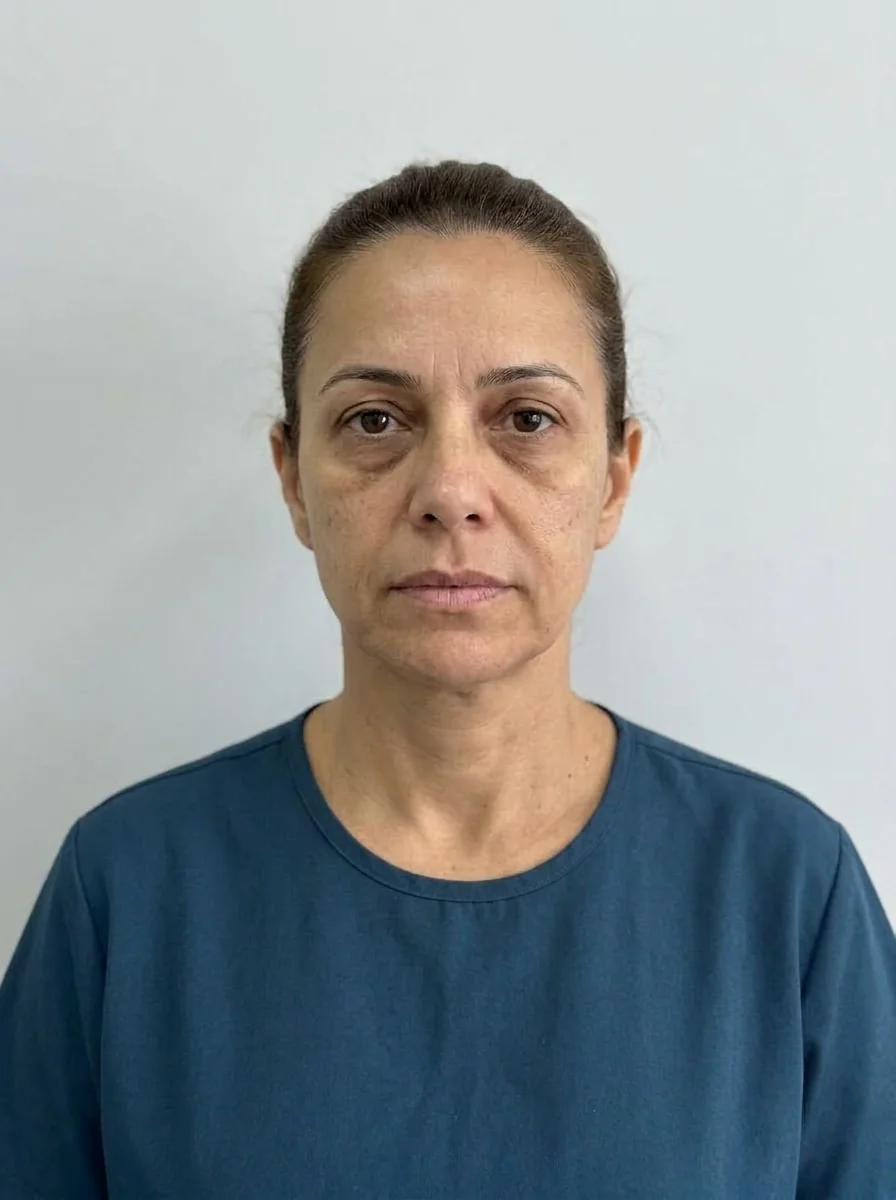 BeforeSimulation
- Highlighted area
Quick facts
- Core message
- The fold is a natural crease, and filling it is not always the focus
- Common cause
- Loss of support in the cheekbone and middle third
- Highlighted risk
- High vascular risk area, with the facial artery nearby
- Caution
- Do not promise to eliminate the fold
"I want to fill my smile lines." It is a common request, and the most honest answer is often "maybe the path is a different one." The nasolabial fold is a natural anatomical crease that becomes more pronounced when the area above loses support. Filling only the crease may solve little, or leave the area heavy. The task in the consultation is to explain this to the patient without frustrating them and without disregarding their request.
How to start the conversation?
Ask first: "What bothers you about this area?". Some people are bothered by the depth of the crease, others by the shadow, others by the look of a tired face. Only after understanding the concern, explain the anatomy in simple language.
Why isn't the fold always the starting point?
Because the crease reflects the relationship between the cheek and the mouth area. When the cheekbone and the middle third lose projection, the tissue descends and deepens the fold. Adding support above can soften the crease without filling the area below. When only the fold is treated, the risk is "pushing" the tissue forward and giving a heavy or artificial look.
| Situation | Path the professional may consider |
|---|---|
| Fold deepened by loss of cheekbone support | Add support above, before treating the fold |
| Isolated deep fold | Filler in the fold, with judgment |
| Fold with laxity of the lower third | A combination of approaches or other techniques |
| Mild fold | Often, nothing or just hydration and skin care |
Each row is a possibility, at the professional's discretion after assessment. The pages nasolabial fold filler and cheekbone filler go deeper. For the plan for the cheekbone area, see explaining the plan for the cheekbone area.
What to explain about the risk?
The nasolabial fold is a high vascular risk area, because the facial artery and the angular artery run nearby. The patient needs to hear, in proportion, that:
- swelling and bruising are expected;
- asymmetry and irregularities can occur;
- nodules are possible;
- a vascular complication is rare but serious, and requires quick action, including hyaluronidase.
For the patient, the explanation of the enzyme is in explaining hyaluronidase. For management, see safety and complications, overview.
How to use the Harmy simulation?
Harmy has the Nasolabial Fold point. The simulation helps the patient see how a subtle change in the area looks, and you can compare it with the change in the cheekbone to show that the fold changes even without treating the crease directly.
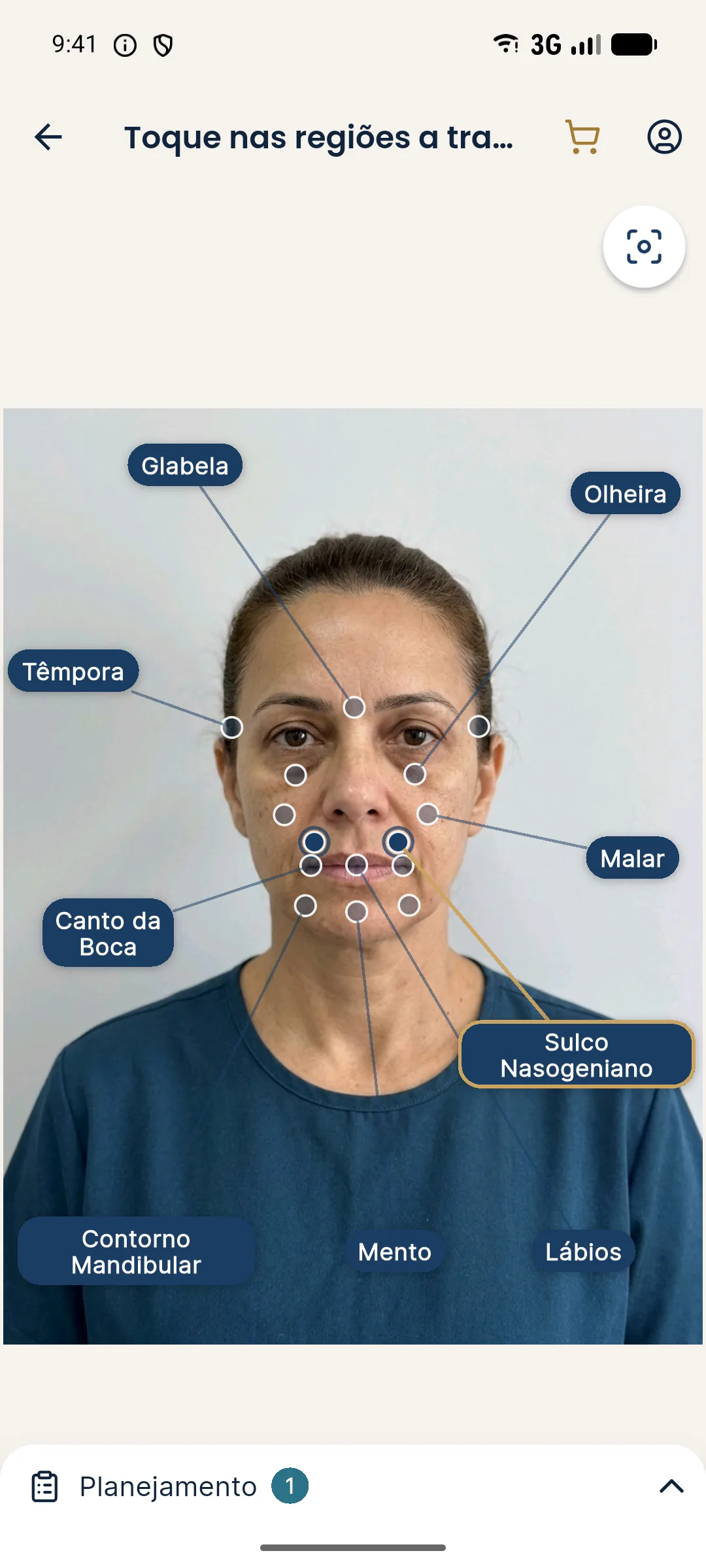
A useful strategy: generate two projections, one treating only the fold and another supporting the cheekbone, and show both. The patient sees the difference and takes part in the decision. See presenting the projection in the consultation.
How to handle the expectation of "filling the smile lines"?
When the patient arrives set on it, it is worth validating the concern before proposing another path: "I understand this crease bothers you. Let me show you what I see." Showing on the photo how the cheek has dropped is usually more convincing than explaining in words. If they still want to treat only the fold, respect the decision with a conservative volume and warn that a touch-up may be needed (see explaining the touch-up).
What questions to expect?
What to record?
Note the concern, the assessment of cheekbone support, the chosen plan, the explanation about limits and risks, and the consent. If the patient declined the suggestion to look above, record it. Standardized photos at rest and smiling help with comparison.
A good explanation shows the patient that looking above the fold is often the most honest way to soften it.
Frequently asked questions
Why isn't the nasolabial fold always filled?
Because the fold is often a consequence of lost support in the cheekbone and middle third. Treating only the fold can leave the area heavy, while supporting above can soften it.
Can the nasolabial fold be eliminated?
That is not a possible promise. It is a natural anatomical crease. Treatment can soften it to varying degrees, without erasing it.
How do I explain smile lines to the patient?
Use the term they already know, nasolabial fold or smile lines, explain that it is a natural crease and that the approach depends on the cause, which may be higher up.
Is the nasolabial fold a high-risk area?
Yes. The facial artery and its branches run close by, and the risk of a vascular complication demands anatomical knowledge, technical care and hyaluronidase on hand.
Harmy images are illustrative simulations generated by AI from the patient's photo to support the conversation between practitioner and patient. They are not a promise of results. Indication, technique, product and volume are solely the decision of the licensed practitioner. This content is for information only and does not replace a clinical assessment.